

- You must be logged in to add items to the cart.
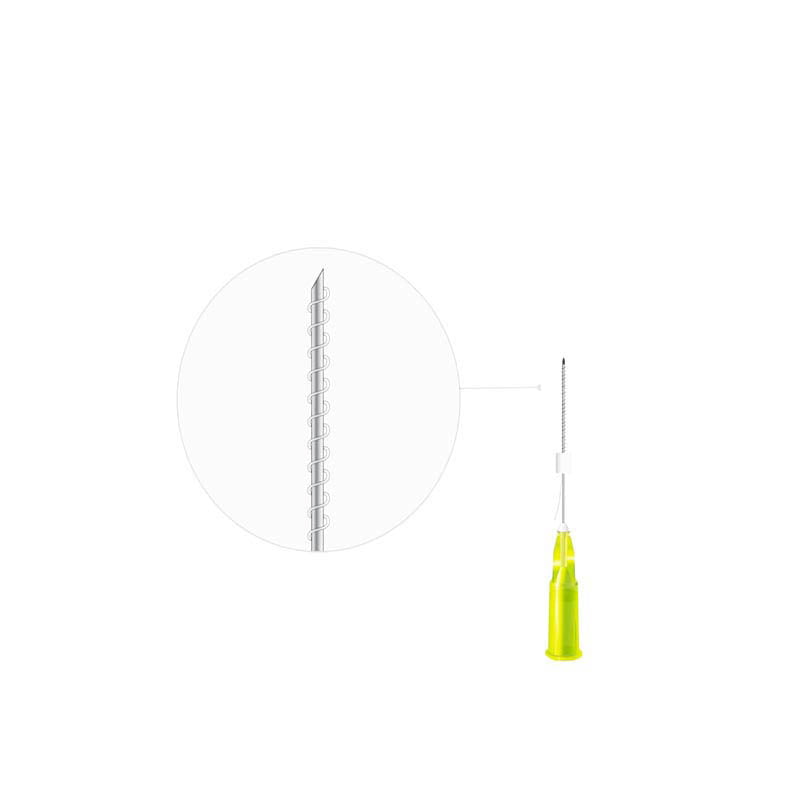
RAINBOW™ PDO THREAD MONO 29G 38mm
Order RAINBOW™ PDO Thread Mono 29G 38mm for Clinics
Medical Device
$139.00
You save (%)
Description
RAINBOW™ PDO THREAD MONO 29G 38mm is a sterile, single-use monofilament polydioxanone thread preloaded on a 29G, 38 mm needle. Licensed clinics and healthcare professionals can order it in 20-count boxes for aesthetic treatment-room workflows that require fine-gauge placement, sterile handling, and predictable short-vector threading. The format is used for intradermal or subdermal placement by trained professionals in facial rejuvenation protocols.
The 29G needle and 38 mm working length make this mono thread suited to delicate areas, short insertion tracks, and layered micro-threading plans. Its single-strand PDO construction provides temporary soft-tissue support while the absorbable polymer gradually hydrolyzes. Proper patient selection, plane selection, aseptic preparation, and post-procedure instructions remain clinician responsibilities.
Clinic Ordering, Price, and Access
Order Rainbow PDO Thread Mono 29G 38mm through a verified professional account to view current contract tiers, box availability, and ordering requirements for your facility. The Rainbow PDO Thread Mono 29G 38mm price may vary by account status, volume bracket, and purchasing arrangement, so sign in before setting par levels or procedure-block inventory. Clinics with multiple providers or locations should align purchasing roles with internal documentation procedures before checkout.
Each box contains 20 individually sterile-packed units. This count supports tray standardization for aesthetic practices, med spas, dermatology offices, and other licensed healthcare settings that use PDO mono threads as part of provider-directed protocols. For broader supply planning across sterile devices and treatment-room consumables, browse related medical devices used in professional clinical environments.
US distribution supports predictable procurement for licensed practices that need tracked US delivery and appropriate handling for professional-use products. Confirm lot numbers, expiry dates, and receiving documentation when stock arrives, then rotate inventory according to your facility’s standard first-expiry process.
What RAINBOW™ Mono PDO 29G x 38 mm Is
RAINBOW™ Mono PDO 29G x 38 mm is a smooth monofilament thread made from polydioxanone, an absorbable synthetic polymer used in medical suture applications. The thread is mounted on a fine stainless-steel needle for controlled placement in superficial soft-tissue planes. The beveled needle tip supports precise entry, while the lubricious coating is intended to reduce insertion friction during professional use.
Mono threads differ from screw, spiral, and barbed formats because they are smooth, single-strand threads rather than twisted or anchoring designs. In practice, this makes them useful for subtle scaffolding, fine-line support, and skin-quality protocols where clinicians want controlled placement without a lifting barb. The 38 mm length is especially relevant when the planned vector is short or anatomy requires compact placement.
Within clinic purchasing systems, the same item may be referenced as Rainbow PDO Threads Mono 29G x 38mm, RAINBOW™ Mono PDO 29G 38mm, or PDO Thread Mono 29G 38mm Rainbow. Match the gauge, length, thread type, and box quantity when reordering so your treatment maps and staff workflows remain consistent.
Professional Applications and Treatment-Room Fit
Clinicians integrate mono PDO threads into non-surgical facial rejuvenation plans, skin-quality programs, and maintenance protocols. Common professional-use contexts include fine-line support, perioral and periorbital soft-tissue scaffolding, gentle contour refinement, and layered micro-threading in delicate facial zones. Treatment planning should reflect anatomy, skin quality, prior procedures, medical history, and the clinician’s training.
Mono threads may be used alongside other aesthetic modalities when spacing, sequencing, and patient suitability are appropriate. Many clinics separate thread placement from dermal fillers, neuromodulators, energy-based procedures, or resurfacing according to internal protocols and provider judgment. For clinical background on thread categories, placement concepts, and mechanism discussions, see the PDO threads guide.
Training should determine insertion plane, vector direction, thread density, and treatment spacing. Standardized face maps can help teams reduce variability across providers, but maps do not replace hands-on assessment. For a broader discussion of patient counseling, procedure limitations, and complication prevention, review thread lift risks and challenges.
Key Features for Clinical Use
- Monofilament PDO thread: Smooth single-strand thread designed for subtle support and uniform placement.
- 29G needle: Fine gauge for controlled entry in delicate treatment areas.
- 38 mm length: Practical for short tracks, compact vectors, and layered micro-threading.
- Stainless-steel delivery needle: Beveled tip supports predictable penetration and tactile feedback.
- Lubricious coating: Intended to improve glide and reduce insertion resistance.
- Sterile single-use format: Individually packaged units help maintain aseptic technique.
- 20-count box: Supports clinic inventory planning, tray preparation, and batch tracking.
- Professional procurement: Designed for licensed clinical settings with documentation and receiving controls.
Quick tip: Keep a procedure-room reference sheet that lists thread type, gauge, length, lot, expiry, and planned vectors for each protocol.
Composition, Absorption, and Mechanism
The thread material is polydioxanone, commonly abbreviated as PDO. PDO is an absorbable polymer that breaks down gradually through hydrolysis, meaning water-mediated chemical breakdown. During the period before absorption, the thread provides temporary mechanical support and may contribute to localized tissue remodeling responses associated with percutaneous thread placement.
The device includes a 29-gauge stainless-steel needle measuring 38 mm, with a beveled tip and lubricious coating. The preloaded configuration reduces assembly steps and helps providers prepare trays more consistently. Because the thread is sterile and single use, any unit with damaged packaging, compromised sterility, or unclear labeling should be removed from use according to facility policy.
Published medical literature describes PDO threads as absorbable materials used in minimally invasive aesthetic procedures, but results depend on technique, anatomy, thread design, and individual tissue response. Avoid implying a fixed duration of cosmetic effect without patient-specific assessment and follow-up. For additional professional context on minimally invasive thread concepts, clinics may also review lifting and contouring with PDO threads.
Packaging, Storage, and Inventory Control
RAINBOW™ PDO THREAD MONO 29G 38mm is supplied as a box of 20 sterile-packed units. The outer label identifies the product, needle gauge, needle length, and handling notices. Lot and expiry information should be documented at receipt and linked to the treatment record according to your clinic’s device-tracking procedures.
Store the box according to the manufacturer’s labeling and your facility’s sterile-supply policy. Keep packages protected from conditions that could damage sterile barriers or labeling. Staff should inspect each unit before procedure setup, confirm the intended size against the treatment plan, and discard opened or unused single-use items after the procedure.
For Rainbow PDO Mono 29G 38mm bulk planning, estimate use by treatment type, provider schedule, training days, and seasonal demand. Set reorder points that allow time for receiving, documentation, and batch rotation. Clinics that stock multiple thread lengths should separate inventory bins by gauge, length, and thread format to reduce selection errors during room turnover.
Safety, Precautions, and Professional Handling
PDO thread placement is a percutaneous aesthetic procedure and should be performed only by appropriately trained clinicians. Local reactions may include temporary tenderness, redness, swelling, bruising, pinpoint bleeding, or discomfort at insertion sites. Less common risks can include infection, hematoma, asymmetry, visible or palpable threads, extrusion, contour irregularity, nerve irritation, or unsatisfactory cosmetic outcome.
Clinicians should evaluate contraindications and patient-specific risk factors before treatment. Consider active skin infection, inflammatory dermatoses in the treatment area, bleeding risk, anticoagulant or antiplatelet use, immune status, prior procedures, unrealistic expectations, and history of poor wound healing when planning care. The decision to treat, defer, or choose another modality should come from clinical assessment rather than product availability.
Aseptic technique is essential. Prepare the skin according to clinic protocol, maintain sterile field discipline, use the correct insertion plane, and provide aftercare instructions that match the procedure performed. Document product identity, lot, expiry, anatomical sites, thread count, technique notes, and any immediate reactions. Promptly evaluate unexpected pain, expanding swelling, signs of infection, skin color change, or neurologic symptoms.
How This Mono Thread Fits Among Related Options
Selection within a PDO portfolio often depends on gauge, needle length, thread structure, treatment area, and the provider’s desired tissue effect. A smooth mono thread such as this format is generally chosen for subtle support and layered placement. Screw, spiral, and barbed designs are used differently because their structure changes how they interact with tissue.
Clinics comparing adjacent monofilament choices may evaluate Gold Embossing Mono 29G38, Intraline Mono 29G 38, or Intraline PDO Thread M2738 Mono when deciding how to standardize thread maps. These alternatives should be assessed by specification, handling preference, and protocol fit rather than brand name alone.
When a provider wants a different tissue interaction, spiraled or screw-type formats may be considered. Examples include Intraline Spiral S2938 and PCLA Screw 29G38. Confirm training requirements and technique changes before substituting a different thread design into an established protocol.
Brand and Category Navigation
Clinics that standardize around Rainbow products can use the Rainbow brand area to review related formats and maintain consistent purchasing records. Brand consistency can help with staff familiarity, but it should not override specification matching. Always verify the needle gauge, needle length, thread type, sterile packaging, and box quantity before replenishing stock.
Thread selection also intersects with broader aesthetic procedure planning. Providers may assess whether a thread-based protocol, neuromodulator protocol, filler plan, or combination approach better fits a given clinical goal. For a practical comparison of categories, see PDO threads and botulinum toxin treatment considerations.
Authoritative Sources
- Peer-reviewed overview of PDO threads in facial rejuvenation
- MedlinePlus information on sutures and wound closure materials
Use these sources to support general clinical understanding of absorbable materials and thread procedures. Product selection, placement technique, and patient care decisions should follow professional training, manufacturer labeling, and clinic policy.
This content is for informational purposes only and is not a substitute for professional medical advice.
Frequently Asked Questions
Who can order RAINBOW™ PDO THREAD MONO 29G 38mm?
This item is intended for licensed clinics, med spas, aesthetic practices, and healthcare professionals. Account verification may be required before viewing facility pricing and completing a professional-use order.
How many threads are supplied in each box?
RAINBOW™ PDO THREAD MONO 29G 38mm is supplied in a 20-count box. Each unit is sterile packed for single use and should be tracked by lot and expiry according to clinic policy.
What is the difference between mono and screw PDO threads?
A mono PDO thread is a smooth single-strand thread used for subtle scaffolding and layered placement. Screw or spiral formats have a different structure and may create a different tissue interaction, so substitutions should be guided by training and protocol requirements.
How should clinics handle sterile PDO thread inventory?
Store the product according to the manufacturer’s labeling and protect sterile barriers from damage. Confirm gauge, length, lot, and expiry before use, and discard any opened, damaged, or compromised single-use unit.
What safety precautions matter with mono PDO threads?
PDO threads should be placed only by trained professionals using aseptic technique and appropriate insertion planes. Clinics should assess patient-specific risks, document product identifiers, and evaluate unexpected pain, swelling, infection signs, or contour changes promptly.
Specifications
- Main Ingredient:
- Manufacturer: (various manufacturers produce similar products)
- Drug Class: Medical Device
- Generic Name: 29G38 Needle
- Package Contents: 20 pcs
- Storage Requirements: Room Temperature (2℃~25℃)
- Main Usage:
About the Brand
Rainbow
Rainbow, a highly regarded medical brand, offers an extensive selection of superior medical supplies. From gloves and masks to surgical tools and machines, Rainbow provides everything necessary for flawless patient care, adhering to the highest medical industry standards. One of the exceptional features about Rainbow is its availability via our online platform, medwholesalesupplies.com. This user-friendly site provides a smooth and trouble-free process for bulk ordering of medical supplies. Healthcare professionals can effortlessly peruse Rainbow's comprehensive product list and add required items to their shopping cart— a quicker and more efficient alternative to conventional purchase methods. Opting to procure Rainbow via medwholesalesupplies.com is also economically beneficial due to the competitive pricing structure. Our platform offers wholesale rates on Rainbow items, resulting in a cost-effective solution for healthcare institutions and practitioners. Purchasing in large quantity allows customers to appreciate significant savings without quality trade-offs. Furthermore, our site includes detailed images and product descriptions, thereby helping clients make well-informed purchasing decisions. In summary, medwholesalesupplies.com serves as an ideal online marketplace for healthcare professionals to acquire Rainbow products effortlessly, economically, and with outstanding value.
Browse Rainbow Products
Here to help
Questions about ordering, delivery or products? You can email our team here or call now at 1-800-630-9757 and be connected with your dedicated Account Manager
Related Products
JALUPRO® PLUS 4ML
Skin Rejuvenation Treatment
$86.00 - $89.00
You save (%)
You save (%)
$339.00
You save (%)
You save (%)
Select options
This product has multiple variants. The options may be chosen on the product page
Juvéderm® SKINVIVE
Dermal Filler
$339.00 - $359.00
You save (%)
You save (%)
$86.00 - $119.00
You save (%)
You save (%)
Related Articles
Prednisone in Clinical Care: Uses, Risks, and Monitoring
Prednisone is a prescription systemic corticosteroid used to reduce inflammation or suppress immune activity in…
Lip Fillers Swelling Stages: Timeline, Safety, and Follow-Up
Lip fillers swelling stages usually follow a short inflammatory course: swelling appears soon after injection,…
Hypopigmentation of the Skin: Assessment and Care
Hypopigmentation of the skin means one or more areas look lighter than the surrounding skin.…
Radiesse vs Sculptra: Selection Factors for Clinics
Radiesse vs Sculptra is best understood as a comparison between two collagen-stimulating injectables with different…
Hyaluronic Acid Under-Eye Filler: Safety and Workflow
Hyaluronic acid under-eye filler is an injectable soft-tissue filler used by trained aesthetic clinicians to…
Dermal Filler Types: Materials, Uses, and Clinic Fit
Dermal filler types are usually grouped by their base material, tissue behavior, and expected role…
What Is Dysport? Clinical Uses, Safety, and Workflow
For clinic teams asking what is Dysport, the short answer is simple: Dysport is a…
Biostimulators in Aesthetic Care: Selection and Safety
Biostimulators are injectable aesthetic products used to encourage a controlled tissue response, often involving new…