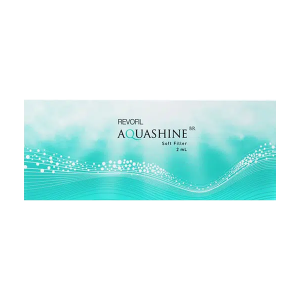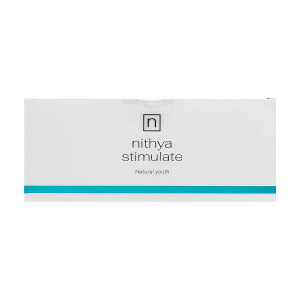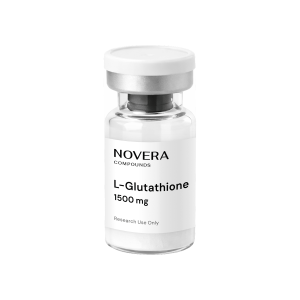
L-Glutathione
$41.00 - $55.00
You save
ViewYou save

69 products · Wholesale for licensed clinics
This category supports licensed aesthetic and dermatology practices using injectables in clinic. It is built for product comparison, protocol planning, and documentation checks. Skin booster treatments are covered at a practical, clinical-trade level. Listings are available under US distribution for
Refrigerated lines ship with ice packs
IBSA Institut Biochimique SA
Caregen Co. Ltd.
Clinician's guide
The clinician's guide to Skin Boosters
This category supports licensed aesthetic and dermatology practices using injectables in clinic. It is built for product comparison, protocol planning, and documentation checks. Skin booster treatments are covered at a practical, clinical-trade level. Listings are available under US distribution for verified facility accounts. Content focuses on product class differences and label-first use decisions.
Skin boosters are intradermal microinjections (small, superficial injections) used for tissue hydration and texture support. Formulations vary, including hyaluronic acid skin booster options and bioremodeling gels. Some clinics also evaluate polynucleotides (DNA fragments) as a separate regenerative class. For related reading and updates, browse the Skin Boosters editorial hub.
Sites and techniques differ by product and training pathway. Product selection often overlaps with non-surgical skin rejuvenation and combined injectable planning. Documentation should follow the manufacturer’s IFU and local scope requirements.
Clinics often use skin booster injections to support injectable skin hydration and dermal quality. Effects can relate to water-binding, viscoelastic support, and local remodeling signals. This category also includes collagen stimulation treatments that are positioned differently from classic fillers. The practical question is usually skin booster vs filler selection by goal, plane, and rheology. Mesotherapy vs skin boosters is another common comparison, because both use superficial injection patterns.
Skin booster results are typically described as gradual changes in glow, texture, or fine lines. Marketing language often highlights skin booster before and after images, but expectations should be managed carefully. Outcomes can vary by product, technique, and baseline skin condition. Treatment planning should separate hydration goals from volumization objectives. Protocols should align with credentialed training and the product’s label.
Why it matters: Clear product positioning reduces mismatched expectations and documentation gaps.
Supply note: Stock is sourced through vetted distributor channels.
This hub groups products used in Skin booster treatments across face and body protocols. It supports browsing by formulation type, presentation, and adjacent biostimulatory options. Entries may include bioremodeling gels, HA-based boosters, and skin quality adjuncts. Each listing is intended for professional comparison, not patient-facing selection.
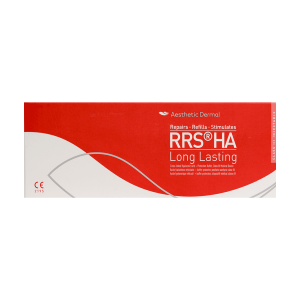
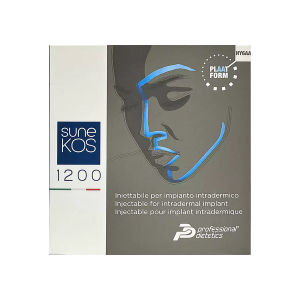
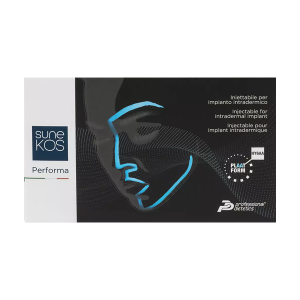
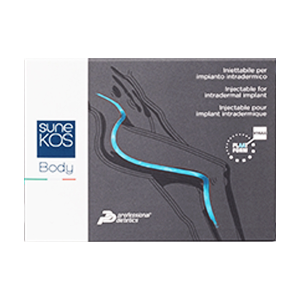
Examples in this category include Profhilo Body Kit, Sunekos Body, RRS HA Long Lasting, and Neauvia Stimulate. Some clinics cross-shop biostimulatory injectables for broader planning, such as Sculptra 2 Vials. Always confirm indications, contraindications, and handling details on the IFU.
Selection for Skin booster treatments works best when clinics define the clinical endpoint first. That endpoint may be hydration, texture refinement, or supportive remodeling. Product class, injection depth, and session spacing should then follow the IFU. Planning also benefits from a consistent intake and photo documentation workflow.
Start with mechanism and intended tissue effect. A hyaluronic acid skin booster may suit hydration-driven plans. A biostimulator can fit a remodeling goal, but it is not a direct filler substitute. For background on collagen-stimulating comparisons, see Sculptra Vs Radiesse Guide and Sculptra Vs Filler Comparison.
For combination pathway context, review Lanluma Vs Sculptra Results and What Are PDO Threads before updating protocols.
Safety for Skin booster treatments starts with product verification and correct technique selection. Clinics should treat these as medical procedures requiring aseptic preparation and clear escalation plans. Risks vary by product class and injection depth. Patient counseling materials should align with the IFU and local standards.
Clinics often document skin booster risks and side effects using standardized templates. Documentation should include expected injection-site reactions and less common serious events. Device- and filler-adjacent risks may still apply to superficial injections. Follow the manufacturer’s guidance for contraindications, storage, and administration.
For a regulator overview of injectable device safety concerns, see FDA dermal fillers and soft tissue fillers information.
Quality note: Listings prioritize authentic, brand-name items intended for professional use.
Operational fit matters when building Skin booster treatments into an injectable service line. Ordering workflows should support lot tracking, stock rotation, and adverse event documentation. Storage and transport should follow the IFU, including light protection or refrigeration when specified. Receiving checks should confirm packaging integrity before inventory entry.
Ordering is restricted to licensed clinics and healthcare professionals.
Quick tip: Keep IFUs and lot logs accessible during audits and incident reviews.
Verification note: Clinic accounts require credential checks before product fulfillment.
This content is for informational purposes only and is not a substitute for professional medical advice.
Skin Boosters FAQ
Short answers for clinics. For anything specific to your practice, our customer service team can help.
This category commonly groups injectables positioned for skin hydration and dermal quality support. Listings may include HA-based boosters, bioremodeling gels, and some biostimulatory products used in adjacent protocols. Product pages usually summarize presentation, pack size, and manufacturer naming. Clinics often compare items by injection plane, handling requirements, and documentation needs. Final selection should be based on the product IFU, training, and local scope.
Skin boosters are often positioned for hydration and texture support using superficial placement. Dermal fillers are commonly selected for structural support and volumization, with different rheology and lift characteristics. In practice, the distinction depends on the specific product, intended injection plane, and endpoint. Some products sit between categories and require careful labeling review. Clinics should document the intended outcome, product class, and counseling points in the medical record.
Clinics typically review goals, prior injectable history, and baseline skin condition. Medical history screening focuses on contraindications listed in the IFU. Consent often covers expected variability, photography use, and common injection-site reactions. A plan may include staged treatment areas, follow-up touchpoints, and standardized aftercare instructions. Documentation should clearly note product name, lot number, and the rationale for selecting hydration versus volumization endpoints.
Commonly documented effects include redness, swelling, bruising, and tenderness at injection sites. Less common events can include infection, nodules, delayed inflammatory reactions, or hypersensitivity. All injectable procedures also require vigilance for vascular compromise and defined escalation pathways. Counseling should reflect the specific product IFU and the clinic’s complication management policies. Records should include assessment findings, consent, product identifiers, and post-procedure instructions.
Duration varies by product class, placement technique, and individual factors. Many protocols use a series approach and then reassess for maintenance needs. Clinics often define success using standardized photos and symptom-focused notes, rather than a single time-based promise. Any maintenance schedule should align with the IFU and clinician judgment within scope. Documentation should capture the planned reassessment interval and what would trigger a protocol change.

Your customer service team
Adding a new line, stocking a second location or ordering in volume? Our customer service team will check pricing for your quantities and the pack options for you.

MWS Customer Service Team
Monday to Friday, 9am to 6pm ET
Keep browsing