
Description
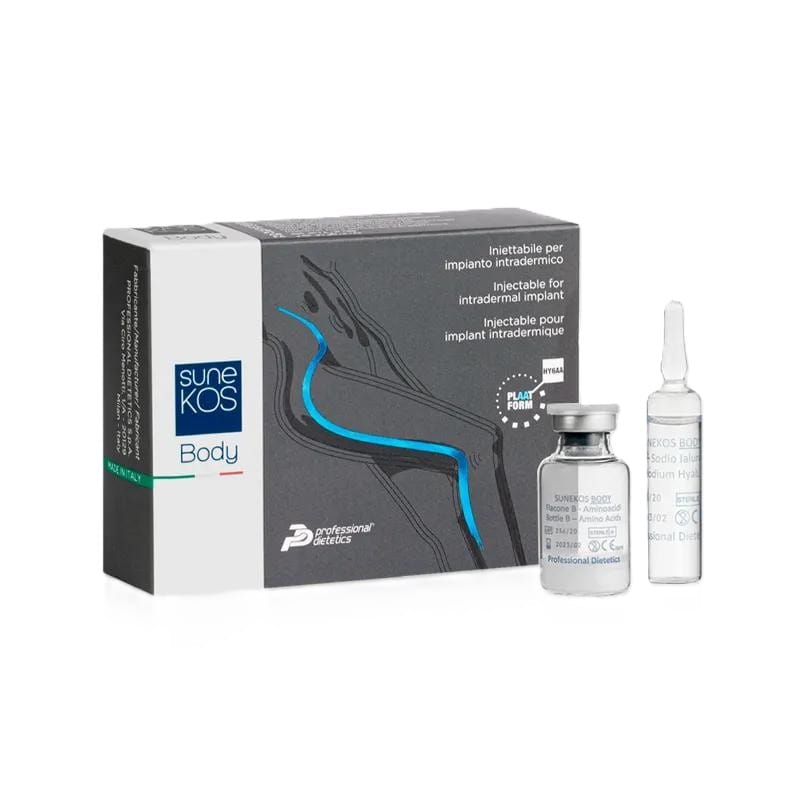
Sunekos® Body is a professional injectable for body-focused skin quality protocols in licensed aesthetic and medical settings. Licensed clinics and healthcare professionals can order Sunekos® Body for intradermal micro-injection workflows that use hyaluronic acid with selected amino acids. It fits staged treatment planning for laxity-prone body areas such as the arms, abdomen, thighs, and knees.
This preparation is intended for trained injectors, not home administration. Clinics use it as part of structured biostimulation programs where mapping, aseptic technique, documentation, and series-based inventory planning matter. Med Wholesale Supplies serves B2B clinic accounts with authentic brand-name products sourced through vetted distributors and verified supply channels.
Sunekos® Body Price and Clinic Ordering
Clinic pricing is available after account sign-in. Sunekos Body price and Sunekos Body cost can vary by configuration, quantity, and purchasing terms shown during ordering, so facilities should align quantities with booked treatment series and internal approval workflows. Volume or contract purchasing may be appropriate for practices that schedule body biorevitalization protocols regularly.
Account verification is required for professional supply. Purchasing teams can use clinic documentation, lot records, and expiration details to support receiving, inventory reconciliation, and treatment-room allocation. For broader aesthetic category planning, teams may also browse skin boosters and mesotherapy products to coordinate related service lines.
Quick tip: Forecast demand by scheduled treatment series rather than single visits when planning body-area protocols.
What Sunekos® Body Does in Professional Protocols
Sunekos® Body is used in clinic-led body skin programs that target the appearance of reduced elasticity, surface crepiness, and laxity-prone regions. The product contains hyaluronic acid and selected amino acids, and it is placed intradermally using fine-gauge micro-injection techniques. In practice, this makes it a professional body biorevitalization injection rather than a consumer topical or at-home treatment.
The hyaluronic acid component provides a hydrating scaffold in the dermal environment. The amino acid component supplies building blocks associated with extracellular matrix support, including pathways involved in collagen and elastin formation. The clinical aim is not instant volume replacement across large areas; it is a staged, technique-dependent program that supports skin quality over a series planned by the provider.
Practitioners typically map defined fields or vectors before treatment, then place small intradermal deposits across the target area. Needle depth, spacing, and session timing depend on tissue thickness, regional anatomy, patient history, and the clinic protocol. Teams that want additional professional background on this product family can reference the Sunekos treatment guide for broader anti-aging and skin rejuvenation context.
Formulation, Ingredients, and Mechanism
Sunekos® Body combines hyaluronic acid with an amino acid complex suited for body applications. Hyaluronic acid is a naturally occurring glycosaminoglycan associated with hydration and extracellular matrix structure. In aesthetic injectable use, the material can help support a hydrated dermal environment while the amino acid blend contributes substrate support for tissue remodeling pathways.
This scaffold-plus-substrate concept is why clinics often describe the preparation as a hyaluronic acid amino acid body injectable. It is different from a conventional filler approach that primarily seeks mechanical volume. The treatment value depends on careful patient selection, controlled placement, appropriate intervals, and realistic outcome discussions within the clinic.
- Active components: hyaluronic acid and selected amino acids.
- Use pattern: intradermal micro-injection across mapped body fields.
- Protocol fit: staged body skin quality programs led by trained injectors.
- Clinic focus: arms, abdomen, thighs, knees, and similar laxity-prone areas when clinically appropriate.
Professional Applications and Treatment-Room Fit
Sunekos® Body aligns with non-surgical body rejuvenation workflows where practices want to address skin texture, elasticity, and visible laxity without positioning the product as a surgical substitute. It can be incorporated into body skin booster injection services, mesotherapy-style treatment pathways, and broader aesthetic plans that include topical maintenance or lifestyle guidance.
Clinic teams should keep the workflow professional and controlled. The product is administered with aseptic technique, single-use needles or accessories, and proper sharps disposal. Staff should document lot number, expiration, treatment area, volume used according to the clinic protocol, patient assessment, aftercare instructions, and any immediate reactions observed during the visit.
The preparation can complement other professional skin quality services, but each modality should have a distinct indication and sequencing plan. Clinics reviewing procedure design may find practical background in mesotherapy clinical uses and workflow and mesotherapy injection protocols. These educational materials support operational planning; they do not replace manufacturer instructions or injector training.
Safety, Contraindications, and Patient Screening
Use Sunekos® Body only under the direction of licensed healthcare professionals trained in dermal injection techniques. Do not inject into areas with active infection, inflamed skin, or compromised tissue. The current clinic guidance should also avoid use when autoimmune conditions are present, and providers should follow the manufacturer instructions, local practice standards, and their facility’s medical protocols.
Expected injection-site reactions may include temporary redness, swelling, tenderness, bruising, itching, or mild discomfort. These effects are common across many intradermal aesthetic procedures and should be distinguished from signs that require clinical evaluation, such as increasing pain, spreading redness, drainage, fever, blanching, unusual discoloration, or symptoms suggesting vascular or hypersensitivity complications.
Screening should include allergy history, prior injectable reactions, active skin disease, infection risk, relevant medical conditions, current medications that may affect bruising or healing, and recent procedures in the same area. Providers should also discuss realistic timelines and maintenance needs before beginning a series. A structured consent process helps align patient expectations with the product’s biostimulatory role.
Why it matters: Good screening protects both patient safety and protocol consistency across multi-session body treatments.
Handling, Storage, and Supply Controls
Sunekos® Body is supplied for professional use with sterile presentation and tamper-evident packaging. Clinics should inspect cartons and labels at receiving, confirm lot and expiration information, and quarantine any item with compromised packaging or unclear labeling. Storage and handling should follow the carton and package insert rather than assumptions from similar aesthetic products.
During treatment-room setup, teams should maintain aseptic handling and prepare only the materials needed for the scheduled procedure. Needles, cannulas, and accessories must not be reused. Sharps and clinical waste should be disposed of according to local regulations and facility policy. When logistics require additional controls, our process can support temperature-controlled handling when required and tracked US delivery.
Inventory teams should track opened boxes, assigned treatment rooms, clinician usage, and reorder points. Because body-area programs often involve several sessions, supply planning works best when it follows the provider’s protocol calendar. Lot consolidation requests may be discussed with customer support when practical, but final receiving controls should remain with the clinic.
Key Features for Clinic Teams
- Body-focused formulation for aesthetic skin quality programs.
- Hyaluronic acid plus selected amino acids for ECM-supportive protocols.
- Intradermal micro-injection route using professional techniques.
- Suitable for mapped treatment fields on areas such as arms, abdomen, thighs, and knees.
- Designed for staged, multi-session planning rather than one-off retail use.
- Sterile professional presentation with visible lot and expiration information.
- Useful for inventory workflows that require traceability and room-level reconciliation.
- Compatible with broader skin quality service lines when clinically appropriate.
Benefits in Practice
Practices value Sunekos® Body because it can be integrated into existing aesthetic injection workflows without shifting the visit into a surgical pathway. Mapping, micro-depot placement, and post-treatment care can be standardized across trained providers. This helps maintain consistent chair time, documentation, and follow-up cadence for body skin programs.
For larger treatment fields, coherent mapping is especially important. Providers can adapt patterns to anatomy and tissue characteristics while keeping placement controlled. Review visits can be aligned with other aesthetic services, but treatment decisions should remain based on assessment, response, safety, and the manufacturer’s directions.
Operationally, the product supports series-based scheduling. Clinics can connect stock levels to booked courses, assign inventory by location, and use lot information for quality records. These details matter for single-site practices and multi-site operators that need repeatable processes across providers.
How Sunekos® Body Compares With Related Injectables
Sunekos® Body should be evaluated by formulation, treatment area, injection depth, and desired clinical pathway. It is not the same decision as choosing a facial skin booster, a structural filler, a thread procedure, or a collagen-stimulating product with a different mechanism. Providers should select based on assessment, training, manufacturer guidance, and the clinic’s scope of practice.
Within the Sunekos family, Sunekos and Sunekos® Performa may be considered for different aesthetic workflows, particularly when teams separate facial and body protocols. For body hydration and skin quality programs using a different HA-based approach, clinics may also evaluate the Profhilo Body Kit. Product selection should not be based on brand familiarity alone; the intended treatment field and technique matter.
Some practices compare Sunekos with products such as Sculptra because both may appear in conversations about biostimulation. The distinction is clinically important: Sunekos® Body uses hyaluronic acid plus amino acids for dermal biorevitalization workflows, while other injectables may rely on different active materials and mechanisms. Teams should avoid treating these categories as interchangeable unless the provider has confirmed indication, protocol, and training alignment.
Adjacent Options for Skin Quality Programs
Practices building a broader skin quality menu may combine body biorevitalization with other professional products, provided each service has clear criteria and consent. Jalupro is another amino-acid and hyaluronic-acid product line that clinics may review for compatible aesthetic programs. Profhilo H+L may also be relevant when teams evaluate HA-based injectable skin remodeling approaches.
Education supports better product selection. Clinics comparing HA-based and amino-acid approaches can reference Jalupro vs Profhilo treatment considerations and Profhilo injection background. These resources can help staff understand category differences before deciding which products belong in a protocol.
Availability, Substitutions, and Bulk Planning
Sunekos® Body is offered for professional clinic supply. Sign in to view current purchasing details, available configurations, and account-specific terms. If your facility needs an itemized quote for committees, purchasing groups, or multi-site allocation, quantities should reflect scheduled treatment blocks and expected follow-up sessions.
Stock conditions can change with demand and manufacturer release cycles. If a substitution is needed, the treating provider should confirm clinical suitability before any protocol change. Alternatives in the same general category may differ by composition, placement technique, treatment area, and expected response, so purchasing staff should not substitute solely on cost or availability.
For bulk order planning, connect purchasing to calendarized treatment series, anticipated new-patient starts, and maintenance visits. This approach reduces rushed ordering and supports better lot control. It also helps practices avoid overstocking professional-use injectables that must remain within labeled storage and expiration requirements.
Authoritative Sources
This content is for informational purposes only and is not a substitute for professional medical advice.
Frequently Asked Questions
Who can order Sunekos® Body?
Sunekos® Body is intended for licensed clinics, med spas, aesthetic practices, and healthcare professionals with appropriate training and account verification. It is not intended for home administration or direct consumer use.
What does Sunekos® Body do?
Sunekos® Body supports professional body skin quality protocols. It combines hyaluronic acid with selected amino acids and is administered by intradermal micro-injections in areas such as the arms, abdomen, thighs, and knees when clinically appropriate.
How should clinics plan Sunekos® Body inventory?
Plan inventory around scheduled treatment series, expected follow-up visits, and provider protocol volume. Track lot numbers, expiration dates, room allocation, and usage so reordering aligns with booked body-area programs.
What safety checks are important before treatment?
Providers should screen for active infection, inflamed or compromised skin, relevant medical history, prior injectable reactions, allergy concerns, medications that may affect bruising or healing, and conditions such as autoimmune disease noted in clinic guidance.
How is Sunekos® Body different from facial skin boosters?
Sunekos® Body is positioned for body-focused protocols and larger laxity-prone treatment fields. Facial products may differ in formulation intent, placement strategy, anatomy, and protocol design, so teams should follow manufacturer directions and provider training.
Can Sunekos® Body be substituted with another injectable?
Substitution should be a clinical decision, not only a purchasing decision. Related injectables may use different active materials, techniques, treatment areas, and expected outcomes, so the treating provider should confirm suitability before changing protocols.
Specifications
- Main Ingredient: Hyaluronic Acid, Amino Acids
- Manufacturer: Professional Dietetics S.r.l.
- Drug Class: Dermal Filler
- Generic Name: Sodium Hyaluronate Solution and Amino Acids
- Package Contents: 2 Ampoules
- Storage Requirements: Room Temperature (2℃~25℃)
- Main Usage:
Here to help
Questions about ordering, delivery or products? You can email our team here or call now at 1-800-630-9757 and be connected with your dedicated Account Manager
Related Products
Evenity® (English Alternative)
Injectable Medication
$1,229.00 - $1,299.00
You save
You save
Intraline® For Men
Dermal Filler
$59.00 - $79.00
You save
You save
RejuvaNAD+ Pro
Injectable Medication
$237.00 - $249.00
You save
You save
Teosyal® RHA 4
Aesthetic Surgery Product
$259.00 - $279.00
You save
You save
Related Articles
Prednisone in Clinical Care: Uses, Risks, and Monitoring
Prednisone is a prescription systemic corticosteroid used to reduce inflammation or suppress immune activity in…
Lip Fillers Swelling Stages: Timeline, Safety, and Follow-Up
Lip fillers swelling stages usually follow a short inflammatory course: swelling appears soon after injection,…
Hypopigmentation of the Skin: Assessment and Care
Hypopigmentation of the skin means one or more areas look lighter than the surrounding skin.…
Radiesse vs Sculptra: Selection Factors for Clinics
Radiesse vs Sculptra is best understood as a comparison between two collagen-stimulating injectables with different…
Hyaluronic Acid Under-Eye Filler: Safety and Workflow
Hyaluronic acid under-eye filler is an injectable soft-tissue filler used by trained aesthetic clinicians to…
Dermal Filler Types: Materials, Uses, and Clinic Fit
Dermal filler types are usually grouped by their base material, tissue behavior, and expected role…
What Is Dysport? Clinical Uses, Safety, and Workflow
For clinic teams asking what is Dysport, the short answer is simple: Dysport is a…
Biostimulators in Aesthetic Care: Selection and Safety
Biostimulators are injectable aesthetic products used to encourage a controlled tissue response, often involving new…