

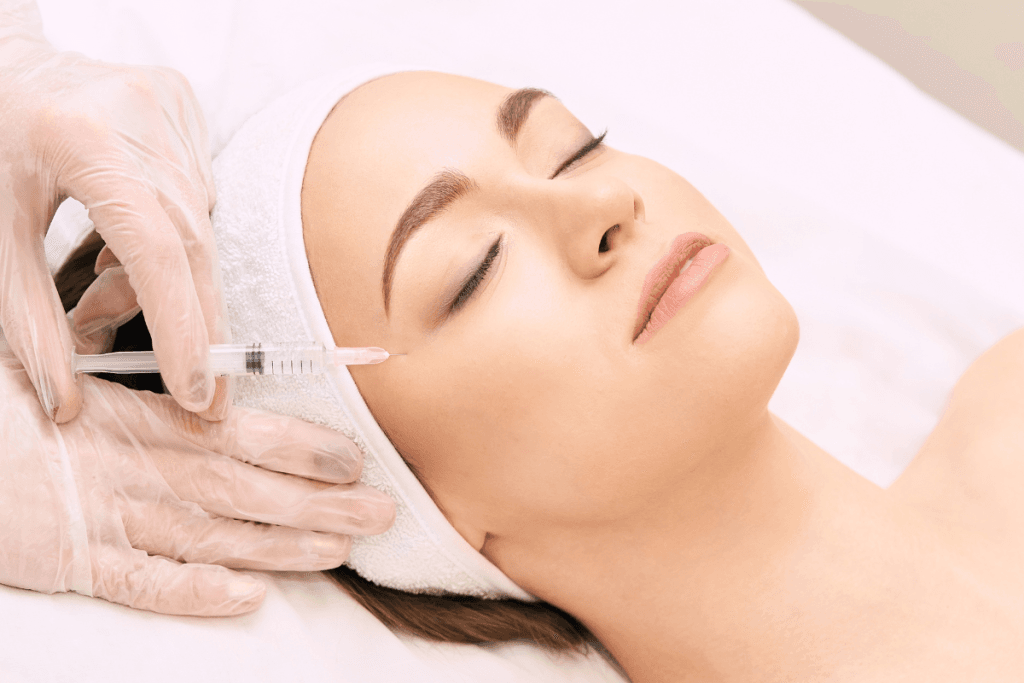
Mesotherapy injections are superficial injection techniques used in aesthetic and hair-restoration settings to deliver selected substances into the skin or shallow subcutaneous tissue. For clinics, the key issue is not only what the treatment may target. It is whether the protocol, consent process, product sourcing, documentation, and follow-up controls are consistent, lawful, and auditable.
Patient demand is often driven by before-and-after images, cost questions, and broad online claims. A clinic-facing approach should translate that interest into defined endpoints, conservative expectations, and clear risk controls. This article focuses on operational fit for licensed healthcare settings, not consumer self-treatment.
Key Takeaways
- Define the endpoint before selecting a protocol.
- Screen contraindications and interacting therapies before treatment.
- Use consistent photos, consent language, and follow-up notes.
- Document product name, lot, expiry, sites, and operator.
- Verify sourcing through licensed, traceable supply channels.
What Mesotherapy Injections Are Used For in Clinics
Mesotherapy injections describe a method rather than one standardized product. Clinicians use small intradermal or superficial subcutaneous injections to place selected materials into a target area. Product choices and treatment claims vary by jurisdiction, medical director policy, and local regulatory status.
In aesthetic practices, teams often position mesotherapy for skin quality concerns, such as hydration, texture, radiance, and fine crepiness. Some clinics also discuss scalp protocols for hair-density support, usually alongside broader assessment of shedding, pattern hair loss, and contributing medical history. Body-contouring requests require extra caution because online claims about lipolysis (fat breakdown) and spot reduction are highly variable.
The most useful first step is to decide what the clinic will and will not offer. A skin-quality program has different documentation needs than a scalp protocol or a body-shaping protocol. If your team needs a broader clinical orientation, the detailed overview on What Is Mesotherapy can help frame terminology and workflow questions.
For formulary planning, licensed clinics may also review the Mesorelle product page as one example of how specific mesotherapy-related items are presented. Treat any product page as a sourcing and documentation reference, not as a substitute for medical director review or local regulatory checks.
Outcome Planning: Before-and-After Requests, Timelines, and Cost Context
Outcome planning starts with a measurable goal. Many patients ask whether mesotherapy injections will work, how long results last, or what one session can achieve. Clinics should avoid broad promises and instead document the reason for treatment, the planned series or review point, and the tools used to measure change.
Before-and-after images need structure. Use the same lighting, camera distance, facial expression, hair positioning, and patient posture when possible. Record any concurrent interventions that can affect interpretation, such as retinoids, energy-based devices, platelet-rich plasma, recent fillers, or topical hair treatments.
Face and under-eye concerns
Facial requests often involve dullness, fine lines, texture, or under-eye appearance. The same complaint may have different causes. For example, an under-eye concern may reflect vascular show, thin skin, pigmentation, hollowing, or shadowing. A superficial injection protocol may not match a patient who expects structural volume correction.
Cost discussions should separate product cost from the total visit structure. Clinics often consider visit length, staff time, photography, consumables, follow-up, and the number of sessions required by the protocol. Avoid recording vague public estimates in the chart. Document what was discussed and what the patient understood.
Hair and scalp requests
Hair-related requests need slower, more objective assessment. Standardized global photos, part-width images, shedding history, and relevant medical history can help separate treatment response from natural cycling. Telogen effluvium (temporary shedding shift) and androgenetic alopecia (pattern hair loss) may require different evaluation pathways.
For deeper consult structure, see Benefits Of Mesotherapy. Use educational content as background only. Your clinical governance process should still translate concepts into a local protocol, including who can assess, treat, and escalate concerns.
Why it matters: Reproducible endpoints reduce disputes and make chart review more meaningful.
Safety Screening and Side-Effect Documentation
Safety screening should separate expected injection reactions from adverse events that need escalation. Common short-term effects can include erythema (redness), edema (swelling), tenderness, pinpoint bleeding, and bruising. These reactions are not the same as infection, allergic reactions, nodules, vascular compromise, or delayed inflammatory events.
Consent language should match the actual product class and route used. Avoid copying broad claims from non-clinical sources, especially when mixtures vary. If a protocol involves compounded preparations or multiple substances, your medical director should review how composition, labeling, consent, and traceability are handled under applicable rules.
Screening commonly includes pregnancy or breastfeeding status, active infection at the planned site, relevant allergy history, immune status, anticoagulant or antiplatelet therapy, prior injectable reactions, and recent procedures in the same area. Your final checklist should reflect local scope-of-practice rules and the products used in your setting.
Clinics that run multiple injectable services can improve consistency by aligning adverse-event workflows. The Injection Safety category can support internal reading on risk controls across related procedures.
Technique Controls and Aftercare Language
Technique controls make mesotherapy injections easier to audit. A written protocol should define antisepsis, injection depth intent, site selection, sharps handling, documentation fields, and escalation pathways. Training should include relevant anatomy, complication recognition, and when to pause treatment or seek senior review.
Many protocols use point-by-point injection patterns or grid-style spacing across a target area. Others focus on specific areas, such as scalp or periorbital skin. Regardless of pattern, charting should record the anatomic sites treated, product sequence, preparation method, lot number, expiry date, operator, and any immediate reaction.
Aftercare handouts should be short and consistent. They can cover expected local reactions, general hygiene instructions, activity restrictions if your clinic uses them, and symptoms that should prompt contact. Keep wording conservative and aligned with product labeling where applicable.
Quick tip: Use one core consent template with product-specific addenda when needed.
Clinics that also provide injectable hydration or skin-quality procedures may align policies across adjacent services. The overview on Skin Boosters Injections may help compare documentation needs across related treatment categories.
Comparing Mesotherapy With Adjacent Aesthetic Options
Comparisons work best when they focus on treatment intent. Mesotherapy, microneedling, skin boosters, and dermal fillers may all appear in the same consult, but they do not serve identical goals. A clinic should explain the expected mechanism, downtime pattern, documentation needs, and limitations for each option.
Microneedling is usually framed around controlled mechanical injury and skin remodeling. Dermal fillers are usually framed around volume, contour, or structural correction. Skin boosters and mesotherapy protocols are often discussed in relation to skin quality, hydration, and texture. These distinctions help teams avoid mismatched expectations.
Product selection also requires careful language. Examples that some clinics review for skin-quality programs include Fillmed NCTF 135 HA and Cytocare, subject to local availability, allowed use, and clinical governance review. Avoid presenting a product as interchangeable with another unless your medical lead has reviewed formulation, labeling, and protocol fit.
Clinic Workflow: From Intake to Traceability
A reliable workflow supports safer care and cleaner records. Build the process around intake, screening, consent, photography, product preparation, administration, aftercare, and follow-up. Each step should have an owner and a documentation location.
- Intake: record goals and relevant history.
- Screening: document contraindications and precautions.
- Consent: match wording to the protocol.
- Photography: standardize angles and storage.
- Preparation: record product and chairside handling.
- Administration: map sites and operator.
- Follow-up: capture outcomes and reactions.
Sourcing controls are part of the same workflow. MedWholesaleSupplies serves licensed clinics and healthcare professionals, with brand-name medical products sourced through vetted distributors and verified supply channels. That context can support procurement planning, but the clinic still remains responsible for local scope, storage, and clinical use decisions.
When evaluating related categories, use browse pages as formulary navigation rather than clinical evidence. The Skin Boosters category and Clinic Operations category can help teams organize adjacent reading and procurement topics.
Receiving checks should be consistent for all injectables. Inspect packaging, label details, lot and expiry information, storage requirements, and any documentation supplied by the distributor. Record discrepancies through your clinic’s quality process before a product reaches the treatment room.
Authoritative Sources
Mesotherapy protocols vary, so external sources are most useful for injectable safety principles, adverse-event awareness, and regulatory context. Use them to support staff education and policy review, not to replace local clinical governance.
- FDA dermal filler safety information outlines risks relevant to injectable aesthetic procedures.
- FDA compounding questions and answers explain key regulatory concepts for compounded drugs.
- DermNet’s mesotherapy overview summarizes uses, limitations, and reported adverse effects.
Mesotherapy injections can fit some aesthetic or scalp programs when the clinic defines goals, product controls, safety screening, and documentation before launch. The strongest programs avoid vague claims, use reproducible endpoints, and keep sourcing traceable from receipt to chart entry.
This content is for informational purposes only and is not a substitute for professional medical advice.




