

Price range: $359.00 through $439.00
You save
Description
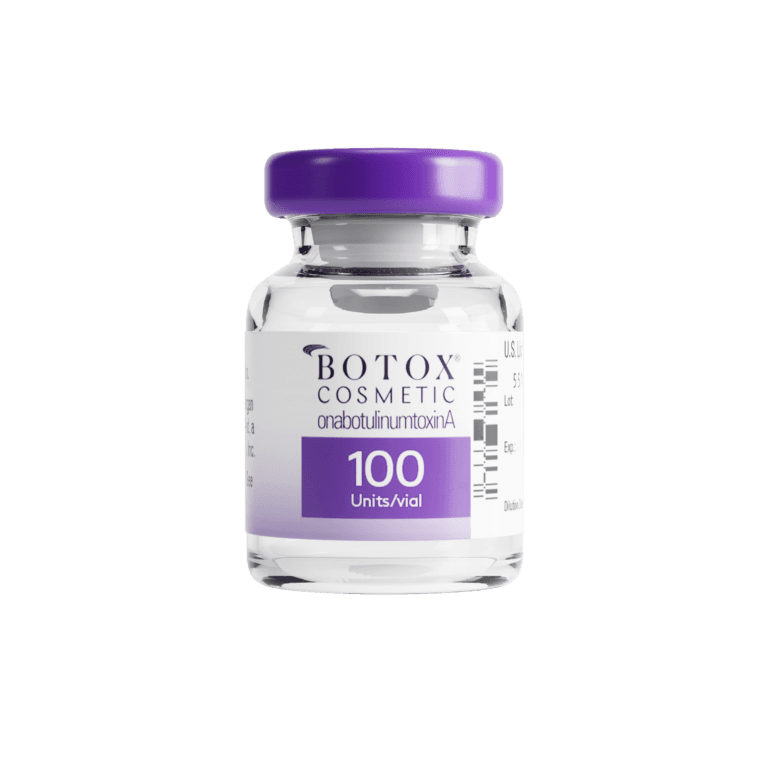
Botox® is an onabotulinumtoxinA preparation supplied as a sterile, vacuum-dried powder vial for reconstitution and professional injection. Licensed clinics, med spas, and healthcare professionals can order Botox® for treatment-room use under established medical protocols. Where the carton or vial specifies 100 Units, reconcile that strength with your formulary, appointment schedule, and internal preparation procedures before use.
OnabotulinumtoxinA belongs to the botulinum toxin type A class. It acts locally at targeted neuromuscular junctions to temporarily reduce muscle activity after precise injection by qualified clinicians. Botox® may be used across approved therapeutic programs and aesthetic services when treatment planning, consent, dosing, administration, and follow-up align with the official label and the clinic’s competency framework.
Botox® Vial Details for Professional Procurement
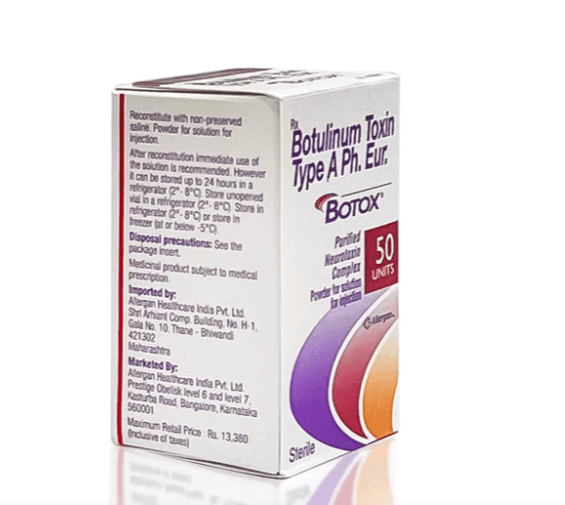
Botox® is supplied in single-vial packaging containing vacuum-dried powder that requires reconstitution before administration. Carton language, vial markings, and enclosed inserts may vary by distributor lot, so receiving staff should match the product name, lot number, expiry, and unit reference against purchase records and clinic requirements. Keep the vial in its original packaging until preparation unless your internal policy directs otherwise.
The active ingredient is onabotulinumtoxinA, a botulinum toxin type A preparation manufactured for controlled clinical use. Excipients, preparation steps, dilution instructions, storage conditions, and administration limits should be taken from the current prescribing information and enclosed materials. Staff should not rely on memory or prior lots when the insert or carton language differs.
For clinics organizing toxin inventory, the broader botulinum toxin category can help teams keep related neuromodulator products in one purchasing workflow. A practical internal rule is to separate product receipt, cold or controlled storage decisions, reconstitution, and injection documentation so each step can be audited.
Botox® Price, Strength Selection, and Clinic Ordering
Sign in to view current Botox® price information for the packs available to your clinic account. Cost planning should include the vial strength shown during ordering, expected appointment volume, reconstitution workflow, professional documentation needs, and any ancillary supplies used by the treatment team. Unit economics can vary by service line, so many practices evaluate projected utilization before committing to volume purchasing.
Search demand often focuses on Botox 100 Units, Botox Cosmetic 100 Units, Botox Cosmetic 50 Units, and Botox 50 Units. Those terms should not replace the carton, vial, or invoice record your clinic receives. Select the presentation displayed during ordering and match it to the protocol approved by your medical lead. If your program uses multiple botulinum toxin products, maintain separate inventory records to reduce selection errors.
Account setup includes clinic verification before release for professional-use purchasing. We can support lot and expiry documentation requests when your compliance program requires shipment-aligned records. If your facility needs specific invoice references, carton information, or receiving notes, request them with the order so the documentation can be paired with dispatch.
Fulfillment is supported with temperature-controlled handling when required and tracked US delivery. Receiving teams should inspect the carton on arrival, reconcile the order against internal records, and escalate any packaging concern before the product enters clinical workflow.
What Botox® Is Used For in Clinical Programs
Botox® is used by trained clinicians in both therapeutic and aesthetic settings, depending on the approved indication, patient assessment, and facility protocol. In aesthetic medicine, botulinum toxin type A products are used for temporary improvement of certain dynamic facial lines when the relevant label supports the indication. In medical programs, onabotulinumtoxinA is also associated with selected neurology, rehabilitation, urology, and other specialty pathways under professional oversight.
Many clinics search for Botox for migraines or Botox for chronic migraine when building neurology service lines. Chronic migraine protocols require diagnosis, treatment planning, injection mapping, patient counseling, and follow-up consistent with current labeling and local standards of care. Procurement staff should coordinate with the treating department so the vial strength, appointment cadence, and documentation workflow match the program rather than a generic cosmetic schedule.
For clinical education and brand context, Botox in cosmetic and medical botulinum treatments discusses how clinics position the product across service lines. Teams comparing injectable neuromodulators can also use Botox brands, types, and choices to support formulary discussions without replacing official prescribing information.
Mechanism, Reconstitution, and Treatment-Room Workflow
OnabotulinumtoxinA produces a temporary chemodenervation effect, meaning it reduces nerve signaling to selected muscles for a limited period after injection. The clinical effect depends on indication, injection site selection, dilution, dose, muscle anatomy, patient factors, and follow-up timing. Clinics should keep mechanism language practical for staff training: the product is not a filler, anesthetic, or permanent implant.
Reconstitution must follow the official instructions and your facility’s aseptic technique policy. Staff should verify the vial, diluent requirements, expiration date, and preparation steps before puncturing the vial. Once prepared, the product should be labeled and handled according to your clinic’s medication-management procedure, including any beyond-use timing in the applicable instructions.
Appointment flow benefits from clear separation of responsibilities. Inventory staff can manage receipt and storage records, clinical leads can approve protocols and training, and injectors can document dose, sites, lot, and patient-specific assessment. This division helps reduce errors when a practice offers both aesthetic treatments and therapeutic procedures.
Clinics reviewing expected onset and follow-up timing for patient communication may find Botox treatment timeline considerations useful as a general education support. Use official labeling and provider judgment for indication-specific counseling.
Key Features for Clinic Inventory
- Sterile vial presentation supplied as vacuum-dried powder for reconstitution.
- Active ingredient is onabotulinumtoxinA, a botulinum toxin type A preparation.
- Professional-use format suited to trained clinical teams and controlled injection protocols.
- Single-vial boxes support appointment-based inventory planning.
- Lot number and expiry appear on the carton and vial for traceability.
- Carton, insert, and marking language may vary by distributor lot.
- Where shown on the label, 100 Units per vial should be reconciled at receiving.
- Documentation support may be requested for shipment-aligned records.
Benefits in Licensed Practice Settings
Botox® fits established clinic workflows because the vial format, reconstitution step, and documentation requirements are familiar to many trained injectors. Practices can integrate the product into aesthetic schedules, specialty clinics, or multidisciplinary treatment plans when staff training and medical oversight are in place. The predictable product identity also helps procurement teams coordinate formulary decisions across locations.
For med spas and aesthetic practices, a recognized brand-name neuromodulator may simplify staff training and patient education materials when those materials remain label-consistent. For therapeutic programs, the same product identity can support continuity when departments require lot-level documentation, protocol review, or recurring purchasing intervals. These operational advantages do not replace individualized clinical assessment or indication-specific dosing rules.
Quick tip: Keep vial receiving, reconstitution logs, and administration records linked by lot number so recalls, audits, and internal reviews can be completed efficiently.
Safety, Warnings, and Monitoring
Botulinum toxin products require careful handling because the pharmacologic effect can extend beyond the intended treatment area in rare cases. The official labeling includes serious warnings related to distant spread of toxin effect, which may cause symptoms such as swallowing or breathing difficulty. Clinics should train staff to recognize urgent symptoms, screen for relevant contraindications, and give patients appropriate post-treatment instructions.
Commonly discussed adverse effects vary by indication and injection site. Aesthetic use may involve localized pain, swelling, bruising, eyelid or brow changes, headache, or temporary muscle weakness. Therapeutic programs can involve different risks depending on the muscles treated and the patient’s baseline condition. Patients with neuromuscular disorders, swallowing difficulty, breathing problems, infection at the proposed injection site, or certain medication exposures may require special caution or may not be appropriate candidates.
Medication review matters before treatment. Agents that interfere with neuromuscular transmission, aminoglycoside antibiotics, muscle relaxants, anticholinergic medicines, or other botulinum toxin exposure may affect safety considerations. Clinics should maintain a process for documenting recent toxin treatment, planned dose, injection sites, and adverse-event follow-up.
The biggest risk question is best answered directly: the most serious concern is toxin effect spreading or causing clinically significant weakness, swallowing difficulty, or breathing problems. This is uncommon but medically important, and it is why Botox® should be administered only by trained professionals using approved protocols and emergency escalation procedures.
Duration, Follow-Up, and Long-Term Program Planning
The effect of Botox® is temporary. Duration depends on the indication, dose, injection pattern, patient anatomy, and prior response. Many clinical programs schedule follow-up based on labeled retreatment intervals and the treating clinician’s assessment rather than a fixed cosmetic calendar. Procurement planning should account for this variability so stock levels support real appointment demand.
Questions about long-term use, including what happens after many years of treatment, should be handled through ongoing clinician assessment. Long-term treatment may require periodic review of benefit, adverse effects, muscle response, patient goals, and whether treatment intervals remain appropriate. Clinics should document changes in response over time and avoid automatic repeat treatment without reassessment.
Patient-facing education should also set reasonable expectations. Botox® does not produce immediate permanent structural change, and results differ by treatment area and diagnosis. Clear counseling reduces unnecessary calls, supports safe follow-up, and helps staff identify symptoms that require clinical attention.
Comparable Botulinum Toxin Options
Clinic teams often evaluate Botox® alongside other botulinum toxin type A products based on approved uses, training, storage workflow, unit conversion rules, and formulary policy. Units are not interchangeable across products, so clinical protocols should not convert one brand to another without provider review and label-specific guidance.
Related product choices include Dysport, Bocouture, Innotox 100U, Botulax, and Nabota 200UI. These products may differ in formulation, labeling, storage expectations, vial size, clinical training, and regional use. Evaluate each option against your clinic’s approved protocols rather than selecting by unit count alone.
For a practical clinic-facing comparison, Botox, Dysport, and Xeomin comparison for clinic teams can help structure formulary discussions. Use the comparison for operational context, and rely on product labeling for dosing, safety, contraindications, and indication-specific instructions.
Documentation, Receiving, and Compliance Checks
Receiving Botox® should be a controlled workflow. Staff should verify the supplier invoice, carton condition, product name, lot number, expiry, and unit reference before releasing the vial to treatment inventory. Any mismatch should be resolved before the vial is prepared for use.
Clinics that maintain accreditation, medical director oversight, or internal medication-use policies may need shipment documentation beyond the standard invoice. Request lot and expiry records at the time of purchase when they must be associated with the dispatch. If your facility uses centralized purchasing for multiple locations, note the intended destination and internal account reference to simplify reconciliation.
Training records are also part of practical Botox® governance. Injector competency, emergency procedures, consent language, adverse-event reporting, and product-specific preparation steps should be current before the product is scheduled for patient care. These processes help maintain safe service delivery across aesthetic and therapeutic programs.
Authoritative Sources
Official prescribing information Botox One HCP information
Use official labeling and institutional policy for indication-specific dosing, dilution, contraindications, warnings, storage, and administration. Product photography or informal comparison materials should not replace the current prescribing information.
This content is for informational purposes only and is not a substitute for professional medical advice.
Frequently Asked Questions
Who can order Botox® for clinic use?
Botox® is intended for licensed clinics, med spas, and healthcare professionals operating under appropriate medical oversight. Account verification and professional-use ordering requirements may apply before release.
Is Botox® supplied as a 100 Unit vial?
Current carton or vial labeling may show 100 Units where that presentation is supplied. Receiving staff should reconcile the unit reference, lot number, expiry, and product name against the order record before the vial enters inventory.
What documentation can clinics request with a Botox® order?
Clinics may request shipment-aligned lot and expiry documentation when required by internal compliance processes. Include those requirements at the time of order so records can be paired with dispatch.
What is the biggest safety risk with Botox®?
The most serious concern is distant spread of toxin effect, which may cause clinically significant weakness, swallowing difficulty, or breathing problems. Botox® should be administered by trained clinicians using approved protocols and appropriate monitoring.
Can Botox® units be substituted with another toxin brand?
No. Units are product-specific and should not be treated as interchangeable across Botox®, Dysport, Bocouture, Innotox, Botulax, Nabota, or other botulinum toxin products. Any substitution should be approved by the clinic’s medical lead.
How should clinics handle Botox® after receipt?
Inspect the shipment, verify carton integrity, record lot and expiry, and store the vial according to the official label and your facility’s medication-management policy. Reconstitution should follow aseptic technique and the current instructions.
Specifications
- Main Ingredient: Botulinum Toxin A
- Manufacturer: Allergan
- Drug Class: Neuromuscular Blockers
- Generic Name: Botulinum Toxin Type A
- Package Contents: 1 Vial
- Storage Requirements: Refrigerated between 2°C – 8°C
- Main Usage:
Here to help
Questions about ordering, delivery or products? You can email our team here or call now at 1-800-630-9757 and be connected with your dedicated Account Manager
Related Products
Evenity® (English Alternative)
Injectable Medication
$1,229.00 - $1,299.00
You save
You save
Intraline® For Men
Dermal Filler
$59.00 - $79.00
You save
You save
RejuvaNAD+ Pro
Injectable Medication
$237.00 - $249.00
You save
You save
Teosyal® RHA 4
Aesthetic Surgery Product
$259.00 - $279.00
You save
You save
Related Articles
Prednisone in Clinical Care: Uses, Risks, and Monitoring
Prednisone is a prescription systemic corticosteroid used to reduce inflammation or suppress immune activity in…
Lip Fillers Swelling Stages: Timeline, Safety, and Follow-Up
Lip fillers swelling stages usually follow a short inflammatory course: swelling appears soon after injection,…
Hypopigmentation of the Skin: Assessment and Care
Hypopigmentation of the skin means one or more areas look lighter than the surrounding skin.…
Radiesse vs Sculptra: Selection Factors for Clinics
Radiesse vs Sculptra is best understood as a comparison between two collagen-stimulating injectables with different…
Hyaluronic Acid Under-Eye Filler: Safety and Workflow
Hyaluronic acid under-eye filler is an injectable soft-tissue filler used by trained aesthetic clinicians to…
Dermal Filler Types: Materials, Uses, and Clinic Fit
Dermal filler types are usually grouped by their base material, tissue behavior, and expected role…
What Is Dysport? Clinical Uses, Safety, and Workflow
For clinic teams asking what is Dysport, the short answer is simple: Dysport is a…
Biostimulators in Aesthetic Care: Selection and Safety
Biostimulators are injectable aesthetic products used to encourage a controlled tissue response, often involving new…