
Price range: $219.00 through $279.00
You save
Description
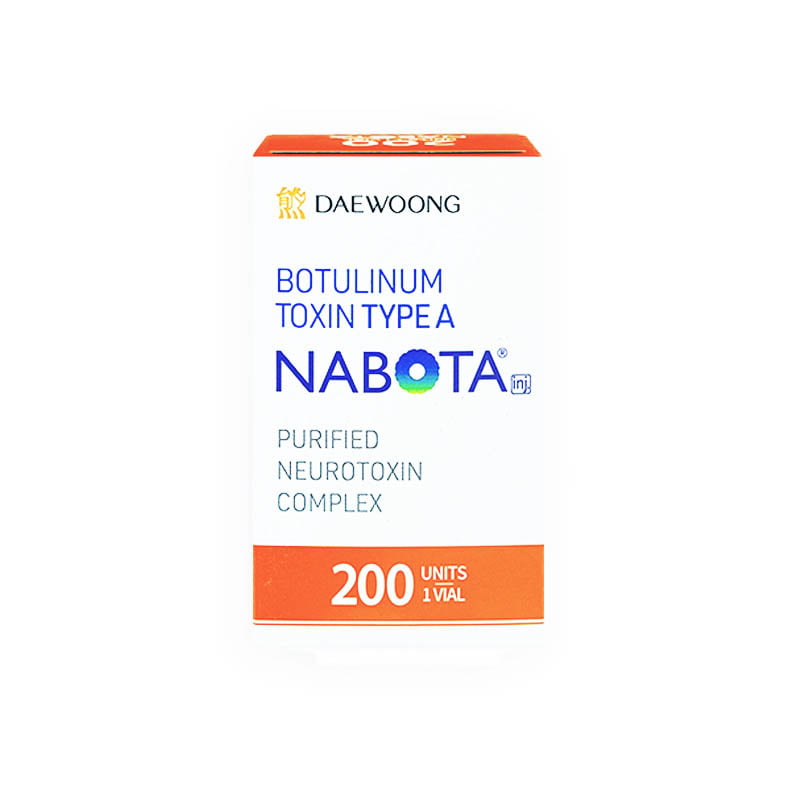
Nabota® is a botulinum toxin type A injectable supplied as a 200 Units vial for licensed clinical administration. Licensed clinics, med spas, aesthetic practices, and healthcare professionals can order Nabota 200 U for professional neuromodulator workflows that require controlled vial handling, lot tracking, and provider-led treatment planning.
The single-vial format supports treatment-room setup, appointment-based allocation, and documentation in clinics that use botulinum toxin products for aesthetic and medically supervised neuromuscular modulation protocols. Med Wholesale Supplies serves professional accounts with brand-name medical products sourced through vetted distributors and verified supply channels.
Nabota 200 U Price and Clinic Ordering
Clinics can buy Nabota 200 U after account approval and sign-in. Current Nabota 200U price details, volume tiers, and contract terms are shown through your professional account, so purchasing teams can align ordering with upcoming provider schedules and inventory targets.
For clinic procurement, the practical decision is whether a 200 Units vial matches your planned session volume, provider preference, and internal allocation policy. A larger unit count may suit busy procedure days, multi-room schedules, or training sessions when your clinical protocols support the format. If your team is planning across multiple neurotoxin lines, the Botulinum Toxins category can help purchasing staff review related professional products in one place.
Order quantities should reflect booked visits, rescheduling patterns, and minimum-on-hand levels. Many practices set reorder points around clinic calendars rather than waiting until the last vial is opened. That approach supports continuity without overextending inventory beyond your facility’s storage, documentation, and use-by controls.
What Nabota Is and How It Works
Nabota® is a botulinum toxin type A preparation supplied in a vial for injection by trained clinicians. Botulinum toxin type A acts at the neuromuscular junction by inhibiting presynaptic acetylcholine release. In plain terms, it can temporarily reduce targeted muscle activity when reconstituted, mapped, and administered according to professional protocols.
Clinics typically integrate this class into workflows that include patient assessment, facial or anatomic mapping, aseptic preparation, dose documentation, lot capture, and follow-up procedures. Unit dosing is product-specific and should not be treated as interchangeable across brands without clinical direction. For broader class planning, the article Why Is Botox Preferred Over Other Botulinum Toxins? discusses how providers think about brand familiarity, formulation, and workflow fit.
Nabota is often discussed in relation to Jeuveau® in some markets, but clinics should rely on the product packaging, approved labeling in their practice setting, and medical director protocols when building treatment standards. Avoid converting units between botulinum toxin brands unless your supervising clinician has established a documented protocol.
Professional Applications and Treatment-Room Fit
In aesthetic practice, botulinum toxin type A products are commonly used within clinician-led protocols for temporary improvement of dynamic facial lines caused by muscle contraction. Professional use requires assessment-driven placement, appropriate dilution practices, sterile technique, and monitoring for expected and unexpected effects.
Beyond aesthetic services, this product class may be used in medically supervised settings where temporary neuromuscular modulation is clinically appropriate. The exact indication, dose, injection pattern, and follow-up schedule must come from the applicable product labeling and the treating clinician’s judgment. This copy does not replace your facility’s standing orders, training records, or prescribing policies.
For practices comparing Korean botulinum toxin products or building a broader aesthetic portfolio, related professional options include Botulax Korean, Kaimax 200U, and Re N Tox. Product selection commonly depends on provider training, documentation requirements, patient scheduling, and how each line fits established clinic protocols.
Key Features for Clinic Inventory
- Botulinum toxin type A injectable for professional administration only.
- 200 Units vial format for clinic-managed neuromodulator workflows.
- Single-vial pack configuration for controlled allocation and traceability.
- Human serum albumin and sodium chloride excipients in the supplied formulation.
- Vial labeling supports lot number, expiry, and inventory documentation.
- Suitable for standard reconstitution workflows when used according to manufacturer guidance.
- Procurement fit for licensed clinics managing appointment-based toxin inventory.
Quick tip: Align vial assignment with provider schedules before procedure days to reduce handoffs and simplify reconciliation.
Composition and Ingredients
This Botulinum toxin type A 200 Units vial contains the active neurotoxin and established excipients. The formulation components below are provided for clinic reference and documentation review.
| Component | Amount | Role |
|---|---|---|
| Clostridium botulinum toxin type A | 200 Units | Active ingredient |
| Human serum albumin | 0.5 mg | Stabilizer |
| Sodium chloride | 0.9 mg | Isotonic agent |
Clinicians should follow manufacturer instructions for reconstitution, administration, storage after preparation, and disposal. Reconstitution practices should be standardized within your facility, with staff trained on vial inspection, diluent use, gentle mixing, labeling, and beyond-use controls when applicable.
Documentation, Handling, and Logistics
Nabota botulinum toxin 200 Units should be handled as a professional-use injectable with clear chain-of-custody procedures. Clinic staff should record product name, unit content, lot number, expiry date, reconstitution details when applicable, provider, treatment area, and administration notes according to internal policy.
Orders are managed through professional accounts, and clinic documentation requirements may apply. Nabota 200U clinic supply planning should account for scheduled procedures, provider blocks, staff training, and buffer stock for rescheduled appointments. When required, shipments use temperature-controlled handling and tracked US delivery.
Storage and handling should follow the manufacturer’s instructions and your facility’s medical product policy. Do not use a vial if labeling is unclear, the container appears compromised, or storage conditions fall outside acceptable practice standards. Segregate questionable inventory until a responsible clinician or procurement lead determines the next step.
Safety, Warnings, and Monitoring
Botulinum toxin type A products require careful patient selection and professional administration. Common post-injection events may include localized pain, tenderness, bruising, swelling, headache, or temporary weakness near the injection site. These effects are usually managed through clinic protocols, patient instructions, and appropriate follow-up.
Serious adverse reactions can occur with botulinum toxin products, including effects related to spread of toxin activity. Symptoms such as swallowing difficulty, breathing problems, speech changes, generalized weakness, or vision changes require urgent clinical attention. Contraindications, precautions, and risk factors should be checked against the current package insert and the patient’s medical history before treatment.
Clinicians should pay particular attention to patients with neuromuscular disorders, active infection at a proposed injection site, prior hypersensitivity to botulinum toxin products or formulation components, or concomitant medicines that may affect neuromuscular transmission. Aminoglycoside antibiotics, muscle relaxants, and other agents that influence neuromuscular function may increase clinical risk in some patients. Your clinic’s documentation should include consent, counseling, lot traceability, adverse-event reporting pathways, and follow-up instructions.
How Nabota Compares With Other Neurotoxins
Questions such as whether Nabota is stronger than Botox® should be answered carefully. Botulinum toxin products are not automatically unit-equivalent across brands, and perceived performance can depend on formulation, injection pattern, dilution, patient factors, and provider technique. Clinics should avoid superiority claims unless supported by labeling and their medical governance process.
For procurement, comparison usually starts with practical factors: unit content, vial handling, provider training, reconstitution workflow, documentation burden, expected appointment volume, and staff familiarity. A 200 Units vial may support higher-volume clinic sessions, while other products or strengths may suit different room schedules or treatment templates.
Practices reviewing adjacent lines can also consider Meditoxin 100U or Liztox Inj. 100 U for portfolio planning. For brand-specific context, the Nabota brand collection organizes related Nabota products and information for professional purchasers.
Onset, Duration, and Patient Counseling Points
Clinics often receive questions about how quickly botulinum toxin effects begin. Onset and duration can vary by product, injection site, dose, patient physiology, and clinical technique. Instead of promising a fixed timeline, staff should use the expectations approved by the supervising clinician and product labeling.
Patient counseling should cover aftercare instructions, expected local reactions, the possibility of asymmetry or inadequate response, and symptoms that require medical contact. Documentation should also identify the treated areas and the specific vial lot used, because this supports follow-up assessment and pharmacovigilance if an adverse event is reported.
For additional professional reading on Nabota positioning and class fundamentals, see Nabota Botox: A Trusted Choice for Anti-Aging Treatments. Use educational content as background only; final protocols should come from labeling, training, and medical director oversight.
Ordering Workflow for Licensed Facilities
After account approval, your facility can sign in, view current terms, and place Nabota 200U wholesale orders according to your purchasing process. Procurement teams should confirm the requested quantity, receiving location, and storage readiness before submitting an order.
For multi-provider or multi-location practices, centralized ordering can simplify lot tracking and reduce inconsistent room-level stocking. Assign responsibility for receiving checks, storage placement, and expiry monitoring. A simple log can help reconcile vials from purchase order to treatment record.
If your clinic uses ancillary supplies such as syringes, needles, disinfectants, labels, or procedure trays, coordinate replenishment so setup teams are not waiting on separate materials. The goal is a predictable treatment-day workflow with clear responsibility for inventory, preparation, administration, and cleanup.
Authoritative Sources
- MedlinePlus: Botulinum toxin type A class information
- Daewoong Pharmaceutical manufacturer information
Ready to streamline your neurotoxin inventory? Sign in to view current clinic terms, request allocation, and coordinate Nabota 200 Units vial purchasing with your procedure schedule.
This content is for informational purposes only and is not a substitute for professional medical advice.
Frequently Asked Questions
Who can order Nabota 200 U?
Nabota 200 U is intended for licensed clinics, med spas, aesthetic practices, and healthcare professionals using professional administration protocols. Account approval and clinic documentation requirements may apply before purchasing.
How is Nabota 200 U supplied?
It is supplied as a single vial containing 200 Units of botulinum toxin type A, with human serum albumin and sodium chloride as excipients. The vial label supports lot and expiry documentation.
Is Nabota stronger than Botox?
Clinics should not assume unit-for-unit equivalence between botulinum toxin brands. Clinical response can depend on formulation, dilution, injection pattern, patient factors, and provider technique, so comparisons should follow labeling and medical director protocols.
How should clinics plan Nabota inventory?
Plan around booked procedure days, provider blocks, staff training, storage capacity, and expiry monitoring. Many clinics use reorder points tied to the calendar and record each vial from receipt through administration.
What safety issues should providers monitor?
Common events can include injection-site pain, bruising, swelling, headache, or temporary weakness. Serious symptoms such as swallowing difficulty, breathing problems, speech changes, vision changes, or generalized weakness require urgent clinical attention.
How much does Nabota 200U cost?
Current Nabota 200U cost is available after sign-in through an approved professional account. Pricing may depend on account terms, order quantity, and contract arrangements shown during purchasing.
Specifications
- Main Ingredient: Botulinum Toxin Type A
- Manufacturer: DAEWOONG PHARMACEUTICAL CO. LTD
- Drug Class: Neuromuscular Blockers
- Generic Name: Botulinum Toxin Type A
- Package Contents: 200 U x 1 Vial
- Storage Requirements: Cool Temperature (2℃~8℃)
- Main Usage:
About the Brand
NABOTA
Achieve Timeless Beauty with NABOTA. Introducing NABOTA, the next-generation botulinum toxin that offers precision, efficacy, and long-lasting results. Designed for those who seek a refined, youthful appearance, NABOTA provides targeted wrinkle reduction and facial rejuvenation with unparalleled safety and consistency. Categories of NABOTA NABOTA for Facial Wrinkles: Specially formulated to smooth out fine lines and wrinkles on the forehead, around the eyes (crow’s feet), and between the eyebrows (glabellar lines). This category is suitable for individuals seeking a non-invasive solution to maintain a youthful, refreshed appearance. NABOTA for Jawline Contouring: Sculpt and define your jawline with NABOTA, which offers a non-surgical alternative to traditional jawline contouring procedures. This category is perfect for those looking to achieve a slimmer, more contoured face shape. NABOTA for Hyperhidrosis Treatment: Effectively reduce excessive sweating with NABOTA’s targeted treatment for hyperhidrosis. This category focuses on minimizing sweat production in areas such as the underarms, hands, and feet, allowing you to stay dry and confident all day. NABOTA for Neck Rejuvenation: Combat the signs of aging in the neck area with NABOTA. This category is designed to smooth out neckbands and restore a more youthful, firm appearance, enhancing your overall profile. Why shop with us? Premium Quality: We offer genuine NABOTA Botox products, ensuring the highest standards of safety and effectiveness. We obtain our products straight from reputable manufacturers and are rigorously tested to meet stringent quality control measures. Professional Expertise: Our team of aesthetic experts is here to guide you in selecting the right NABOTA products for your needs. Whether you’re a seasoned professional or new to aesthetic treatments, we provide the support and information you need for optimal results. Extensive Selection: With a variety of NABOTA categories available, we cater to all your aesthetic goals. From wrinkle reduction to jawline contouring, our comprehensive selection ensures you find the optimal solution for your unique requirements. Outstanding Customer Service: Ensuring your satisfaction is our utmost priority. We pride ourselves on providing exceptional customer service, with a team ready to help you with any questions or concerns throughout your shopping experience. Competitive Pricing: We believe in offering the best value without compromising on quality. Our NABOTA Botox price makes advanced aesthetic treatments accessible and affordable. Secure and Fast Shipping: Receive your NABOTA products quickly and securely with our reliable shipping options. We ensure your orders are delivered safely and on time, so you can begin your aesthetic journey with confidence. Experience the precision of NABOTA. Rediscover your youthful radiance with NABOTA, a trusted name in aesthetic medicine. Whether you’re looking to reduce wrinkles, contour your face, or treat hyperhidrosis, NABOTA offers a precise, effective solution for all your beauty needs. Shop with us today and take the first step towards a more refined, confident you!
Browse NABOTA Products
Here to help
Questions about ordering, delivery or products? You can email our team here or call now at 1-800-630-9757 and be connected with your dedicated Account Manager
Related Products
Evenity® (English Alternative)
Injectable Medication
$1,229.00 - $1,299.00
You save
You save
Intraline® For Men
Dermal Filler
$59.00 - $79.00
You save
You save
RejuvaNAD+ Pro
Injectable Medication
$237.00 - $249.00
You save
You save
Teosyal® RHA 4
Aesthetic Surgery Product
$259.00 - $279.00
You save
You save
Related Articles
Prednisone in Clinical Care: Uses, Risks, and Monitoring
Prednisone is a prescription systemic corticosteroid used to reduce inflammation or suppress immune activity in…
Lip Fillers Swelling Stages: Timeline, Safety, and Follow-Up
Lip fillers swelling stages usually follow a short inflammatory course: swelling appears soon after injection,…
Hypopigmentation of the Skin: Assessment and Care
Hypopigmentation of the skin means one or more areas look lighter than the surrounding skin.…
Radiesse vs Sculptra: Selection Factors for Clinics
Radiesse vs Sculptra is best understood as a comparison between two collagen-stimulating injectables with different…
Hyaluronic Acid Under-Eye Filler: Safety and Workflow
Hyaluronic acid under-eye filler is an injectable soft-tissue filler used by trained aesthetic clinicians to…
Dermal Filler Types: Materials, Uses, and Clinic Fit
Dermal filler types are usually grouped by their base material, tissue behavior, and expected role…
What Is Dysport? Clinical Uses, Safety, and Workflow
For clinic teams asking what is Dysport, the short answer is simple: Dysport is a…
Biostimulators in Aesthetic Care: Selection and Safety
Biostimulators are injectable aesthetic products used to encourage a controlled tissue response, often involving new…