

Price range: $219.00 through $429.00
You save
Description
Botulax® Korean is a botulinum toxin type A powder intended for reconstitution and intramuscular injection by trained healthcare professionals. Licensed clinics can order Botulax Korean online for aesthetic and muscle-modulation workflows that require sterile handling, predictable preparation, and documented inventory control. US distribution supports treatment-room scheduling, replenishment planning, and secure receiving procedures for professional practices.
Botulax Korean is associated with South Korean botulinum toxin manufacturing and is used by clinics that incorporate Korean neurotoxin products into provider-directed protocols. Presentation details can vary by market and lot, so the vial strength, quantity, and labeling should be matched to the clinic’s current procedure plan before purchase.
Botulax Korean Price, Vial Selection, and Clinic Ordering
Clinics can view current Botulax Korean price information after signing in with a professional account. Pricing may depend on the vial presentation, order quantity, and account terms available to the facility. Because botulinum toxin is a biologic product used in measured clinical protocols, procurement teams should align each order with planned treatment volume, injector preference, and cold-storage capacity.
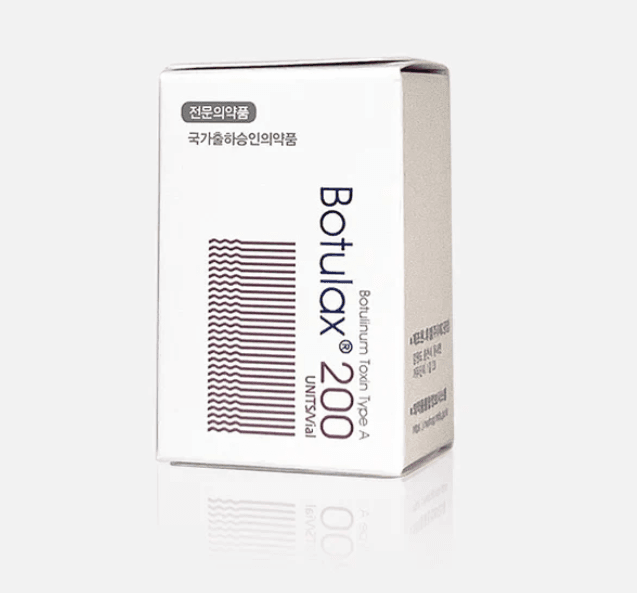
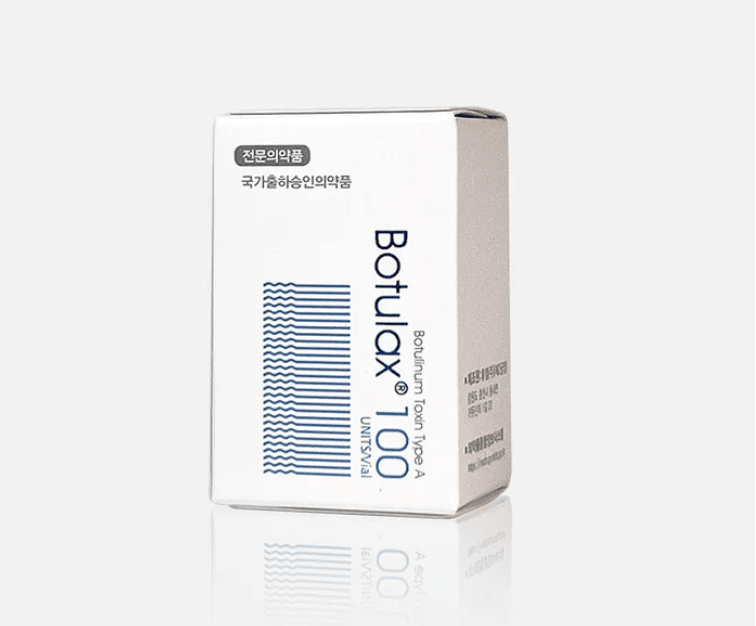
When selecting supply, match the vial presentation shown during ordering to your facility’s reconstitution standards and documentation requirements. Search demand often centers on Botulax 100u Korean, Botulax 100 units, Botulax 200 units, and Botulax 300 units, but your team should rely on the actual label and purchasing interface rather than a keyword or informal name. Keep lot number, expiry date, receiving date, and storage location recorded under your clinic’s standard operating procedures.
Professional accounts may use Botulax clinic supply planning alongside other neurotoxin purchasing. For broader class browsing, the Botulinum Toxins category can help teams review adjacent products without changing the clinical decision process. Purchase decisions should remain under the direction of the medical director and the licensed injectors responsible for administration.
What Botulax Is and How It Works
Botulax is a sterile, lyophilized botulinum toxin type A preparation supplied as a powder for injection after reconstitution. In clinical use, botulinum toxin type A acts at the neuromuscular junction, the communication point between a nerve and a muscle. It can temporarily reduce acetylcholine release, which decreases targeted muscle activity for a limited period.
This mechanism supports aesthetic protocols focused on dynamic facial lines caused by repeated muscle contraction. Clinics may also use botulinum toxin products within provider-directed muscle-modulation or sweat-management pathways when those services fall within their professional scope and product protocols. The product is administered intramuscularly into selected targets by licensed injectors trained in botulinum toxin technique.
Botulax powder for injection should be reconstituted according to facility SOPs and manufacturer documentation. Aseptic technique matters at every step, including vial inspection, diluent handling, needle selection, tray preparation, and post-reconstitution labeling. Avoid using any vial with damaged packaging, unclear labeling, compromised storage history, or visible product concerns.
Professional Applications and Treatment-Room Fit
Clinics generally integrate botulinum toxin type A products into aesthetic services that address dynamic upper-face lines, selected lower-face patterns, and other provider-assessed indications. Treatment planning usually includes consultation, medical history screening, facial assessment, photography when appropriate, informed consent, injection mapping, and follow-up instructions. Botulax Korean for clinics fits best when the team has a repeatable protocol for reconstitution, dose recording, and injection-site documentation.
Many practices coordinate neurotoxin services with dermal fillers, skincare programs, energy-based devices, or thread procedures. Spacing, sequencing, and patient suitability should be determined by the treating clinician. Clinics building broader aesthetic protocols may find the botulinum toxin brand comparison discussion useful for staff education, while procedural teams can separately review category-level options through the botulinum toxin articles section.
Operationally, a consistent toxin workflow helps reduce room-to-room variation. Staff should prepare trays the same way, label reconstituted vials under policy, document units used, and reconcile remaining inventory at the end of the session. Clear internal checklists can also help new staff learn the expected receiving, storage, and treatment-room sequence.
Key Features for Professional Supply
- Botulinum toxin type A preparation in sterile lyophilized form.
- Designed for reconstitution before targeted intramuscular administration.
- Professional-use product for trained injectors in clinical settings.
- Lot and expiry labeling supports inventory traceability.
- Refrigerated storage guidance supports controlled handling.
- Vial-based workflow can fit established injection-room SOPs.
- Useful for clinics that maintain Korean botulinum toxin supply options.
- Appropriate documentation helps support procurement and audit readiness.
Quick tip: Assign one receiving contact to verify temperature needs, packaging condition, lot number, and expiry before stock enters the treatment refrigerator.
Storage, Reconstitution, and Handling
Botulax vials should be stored refrigerated at 2–8°C unless the current manufacturer documentation states otherwise. Do not freeze the product, and protect it from direct light. Clinics should move received stock promptly into an appropriate medical refrigerator and keep the chain of custody documented from receipt through administration.
Reconstitution should follow the product documentation and the clinic’s medical director-approved SOP. Use aseptic technique, appropriate diluent selection, and labeled syringes or vial markings that reduce the risk of mix-ups. Staff should record the reconstitution time, preparer, diluent volume if required by policy, and beyond-use handling rules used by the facility.
For logistics, we can coordinate temperature-controlled handling when required and tracked US delivery. Receiving hours should be planned so a trained staff member can inspect the shipment, document arrival, and place the product in cold storage without delay. Reliable US logistics are especially important for clinics that schedule toxin days around provider availability and appointment volume.
Safety, Screening, and Monitoring
Botulinum toxin products require careful patient screening and professional administration. Before treatment, clinicians should assess for hypersensitivity history, active infection at intended injection sites, pregnancy or lactation considerations under local policy, significant neuromuscular disorders, and medications or conditions that may increase weakness, bruising, or other risks. Administration should be limited to licensed professionals trained in anatomy, dosing principles, injection depth, and adverse-event recognition.
Common post-injection effects can include localized discomfort, swelling, bruising, redness, headache, or temporary weakness near the treated area. More serious events are uncommon but may include swallowing difficulty, breathing difficulty, speech changes, generalized weakness, or symptoms suggesting toxin spread beyond the injection area. Clinics should provide clear aftercare instructions and a pathway for urgent evaluation if concerning symptoms occur.
Interaction review is part of responsible toxin use. Aminoglycoside antibiotics, neuromuscular blocking agents, muscle relaxants, and other medicines that affect neuromuscular transmission may increase risk in some patients. The treating clinician should also consider prior botulinum toxin exposure, timing of earlier treatments, and any history of poor response or adverse reaction.
Post-session guidance commonly includes avoiding strenuous exercise, high-heat exposure, and massaging treated areas for the first 24 hours when consistent with the clinic’s protocol. Documentation should capture injection sites, units used, lot number, patient counseling, and follow-up plan. Staff education can be supported by practical reading such as Botulax treatment and supply context, while safety decisions should rely on official labeling and clinician judgment.
Benefits in Clinic Workflow
Clinicians value botulinum toxin products that reconstitute predictably and fit standard injection-room processes. Familiar handling can support consistent tray setup, appointment timing, and charting habits. When the team understands storage, preparation, and disposal steps, treatment sessions can move efficiently without compromising sterile technique.
Inventory planning also matters. Practices that perform recurring toxin clinics often schedule replenishment around appointment blocks, staff availability, and expected re-treatment intervals. Tracking lot numbers and expiry dates helps prevent waste and supports accurate product recall response if one is ever needed.
Botulax wholesale ordering can be integrated into a broader aesthetic purchasing plan. Clinics that carry multiple neurotoxins may reserve each product for provider preference, diffusion expectations, patient history, or service menu structure. Training should emphasize that products in the same class are not automatically interchangeable on a unit-for-unit basis without medical director review.
Composition and Product Documentation
The active ingredient is botulinum toxin type A complex in sterile, lyophilized form. Excipients and stabilizers follow the manufacturer’s specifications. The complete ingredient list, reconstitution instructions, contraindications, and handling details should be taken from the current packaging insert and product label.
Documentation is part of safe clinic supply management. Keep purchase records, lot and expiry details, temperature logs, receiving notes, and administration records in the system your practice uses for medical inventory. If your facility maintains separate logs for biologics or injectable products, Botulax should be entered consistently with that policy.
Staff should never rely on informal online names, such as Korean Botox supply, to determine clinical equivalence, dosing, or substitution. Botox is a separate brand, and each botulinum toxin product has its own labeling, handling characteristics, and clinical familiarity requirements. Medical directors should approve protocols before a clinic adds or switches toxin products.
Packaging and Supply Considerations
Botulax Korean is supplied as a vial intended for reconstitution before intramuscular injection. Each vial should have visible labeling with lot number and expiration date. Outer packaging should be inspected during receiving, and any discrepancy should be documented before the product is placed into active inventory.
Facilities should store unopened vials separately from reconstituted product and clearly label any prepared vial according to policy. Keep neurotoxins in a dedicated area of the medical refrigerator when possible, away from look-alike products or non-procedural materials. Limit access to staff members trained in inventory handling and injection-room preparation.
Supply needs may differ across clinics. A high-volume med spa may prioritize consistent replenishment and multi-provider workflow, while a smaller practice may emphasize expiry management and smaller scheduled purchasing. In both cases, the order should reflect realistic procedure volume and the clinic’s ability to maintain cold-chain standards.
Botulax Compared With Other Botulinum Toxin Options
Botulax is one Korean botulinum toxin option among several neurotoxin products used in aesthetic medicine. SERP questions often ask whether Korean toxins are as good as American brands or which Korean brand is best. The safer clinical answer is that brand choice depends on product authorization, provider training, patient history, handling preferences, and the clinic’s documented protocol.
Botulinum toxin products should not be treated as identical simply because they share the same broad toxin class. Differences may include formulation, labeled units, diffusion behavior, storage expectations, reconstitution habits, and injector familiarity. If a clinic changes products, consent language, chart templates, injection maps, and staff training may need updates.
Related product evaluation may include Liztox Inj. 100 U for clinics reviewing another Korean toxin presentation, or Bocouture for teams considering a different botulinum toxin brand. Staff education may also draw on product-focused articles about Liztox and Korean botulinum toxin use, Meditoxin in aesthetic and medical settings, and Innotox as a liquid toxin formulation.
Authentic Sourcing and Professional Use
It is reasonable for clinics to ask whether it is safe to buy Botox or botulinum toxin products from Korea. Safety depends on authentic sourcing, correct storage, professional handling, and legally appropriate clinical use rather than country name alone. Botulax authentic Korea origin should be supported by traceable supply documentation and product labeling that your clinic can file with procurement records.
Med Wholesale Supplies serves licensed clinics and healthcare professionals with brand-name medical products sourced through vetted distributors and verified supply channels. For Botulax Korean, your procurement team should maintain normal checks for packaging integrity, product lineage, lot tracking, and cold storage readiness. Any product with questionable labeling, uncertain storage, or unclear chain of custody should not be used in patient care.
Professional-only administration remains central. Botulinum toxin injection requires anatomy knowledge, dosing judgment, contraindication screening, and adverse-event management. Clinics should keep treatment protocols current, train staff on product-specific handling, and ensure injectors work within their scope of practice and local regulations.
Authoritative Sources
Use independent medical references to support staff education, protocol review, and patient counseling. Always follow the product’s current labeling, your medical director’s guidance, and applicable professional standards.
Ordering and Logistics Summary
Clinics can order Botulax Korean for professional supply planning, view current account-level pricing, and align vial selection with treatment schedules. Before placing an order, confirm the presentation, label details, storage capacity, receiving contact, and documentation workflow your facility uses for injectable biologic products.
Botulax US distribution can support practices that need predictable receiving and inventory planning. Keep ordering responsibilities with trained administrative or clinical staff, and ensure the product moves into appropriate refrigerated storage immediately after receipt.
This content is for informational purposes only and is not a substitute for professional medical advice.
Frequently Asked Questions
Is Botulax Korean?
Yes. Botulax® Korean refers to a South Korean botulinum toxin type A product used in professional clinic settings. Clinics should verify origin, lot number, expiry, and packaging documentation during receiving.
Can clinics buy Botulax Korean online through US distribution?
Licensed clinics and healthcare professionals can order Botulax Korean online through a professional account. Confirm the vial presentation, receiving schedule, cold-storage readiness, and documentation process before purchase.
How should Botulax vials be stored?
Store Botulax vials refrigerated at 2–8°C unless current manufacturer documentation gives different instructions. Do not freeze, protect from direct light, and document receiving and storage under clinic SOPs.
Is Korean botulinum toxin the same as Botox?
No. Botox is a separate brand. Korean botulinum toxin products may share the botulinum toxin type A class, but products can differ in formulation, units, handling, labeling, and injector familiarity requirements.
What safety checks should clinics complete before treatment?
Clinicians should screen for hypersensitivity, active infection at injection sites, significant neuromuscular disorders, relevant medication interactions, prior toxin exposure, and any condition that may increase treatment risk.
Can Botulax be substituted for another neurotoxin in clinic protocols?
Substitution should be approved by the medical director and handled through updated protocols. Staff should review reconstitution, consent language, injection mapping, charting, and product-specific training before switching.
Specifications
- Main Ingredient: Botulinum Toxin A
- Manufacturer: Hugel, Inc.
- Drug Class: Neuromuscular Blockers
- Generic Name: Botulinum toxin type A
- Package Contents: 100 U | 200 U
- Storage Requirements: Refrigerated between 2°C – 8°C
- Main Usage:
Here to help
Questions about ordering, delivery or products? You can email our team here or call now at 1-800-630-9757 and be connected with your dedicated Account Manager
Related Products
Evenity® (English Alternative)
Injectable Medication
$1,229.00 - $1,299.00
You save
You save
Intraline® For Men
Dermal Filler
$59.00 - $79.00
You save
You save
RejuvaNAD+ Pro
Injectable Medication
$237.00 - $249.00
You save
You save
Teosyal® RHA 4
Aesthetic Surgery Product
$259.00 - $279.00
You save
You save
Related Articles
Prednisone in Clinical Care: Uses, Risks, and Monitoring
Prednisone is a prescription systemic corticosteroid used to reduce inflammation or suppress immune activity in…
Lip Fillers Swelling Stages: Timeline, Safety, and Follow-Up
Lip fillers swelling stages usually follow a short inflammatory course: swelling appears soon after injection,…
Hypopigmentation of the Skin: Assessment and Care
Hypopigmentation of the skin means one or more areas look lighter than the surrounding skin.…
Radiesse vs Sculptra: Selection Factors for Clinics
Radiesse vs Sculptra is best understood as a comparison between two collagen-stimulating injectables with different…
Hyaluronic Acid Under-Eye Filler: Safety and Workflow
Hyaluronic acid under-eye filler is an injectable soft-tissue filler used by trained aesthetic clinicians to…
Dermal Filler Types: Materials, Uses, and Clinic Fit
Dermal filler types are usually grouped by their base material, tissue behavior, and expected role…
What Is Dysport? Clinical Uses, Safety, and Workflow
For clinic teams asking what is Dysport, the short answer is simple: Dysport is a…
Biostimulators in Aesthetic Care: Selection and Safety
Biostimulators are injectable aesthetic products used to encourage a controlled tissue response, often involving new…