What Is Dysport? Indications, Safety, and Clinic Workflow
Written by Med Wholesale Supplies Editorial Team Dysport is abobotulinumtoxinA, a prescription botulinum toxin type A injectable supplied as a lyophilized (freeze-dried)…

Merz Pharma Group
Botulinum Toxin Type A
Free shipping on orders over $800
5% off your first order, applied at checkout
Order as a guest or log in. Your medical licence details are collected at checkout and checked against the state board and the NPI registry.
Enter your own figures: the U you use per treatment and what you charge per treatment. The table shows your product cost and margin per treatment at each quantity price. It does not suggest doses, prices or treatments.
| Quantity | Price per pack | Cost per unit | Cost per treatment | Margin per treatment |
|---|
Uses today's prices for the selected option before shipping and any other costs. Your figures stay in your browser.
Cold chain
Refrigerated between 2°C – 8°C
Ships in thermo-packaging with ice packs. Refrigerate on arrival.
Ships within 24–48 hours
Delivery typically 48–72 hours after shipping, up to 5–7 business days depending on origin and customs. Tracking is emailed when your order ships.
Warm or damaged on arrival?
Send us photos or a video. We investigate and arrange a replacement where needed.
Licence checks
Licences are checked against the state board and the NPI registry.
100% genuine products
In original manufacturer packaging, with lot numbers for full traceability. Lot numbers are shown on your packing slip and invoice.
250 active clinics · Supplying clinics since 2013
“Everything has been easy from ordering to delivery. The prices are good, orders arrive quickly, and the customer service has been great. I would definitely order from MWS again.”
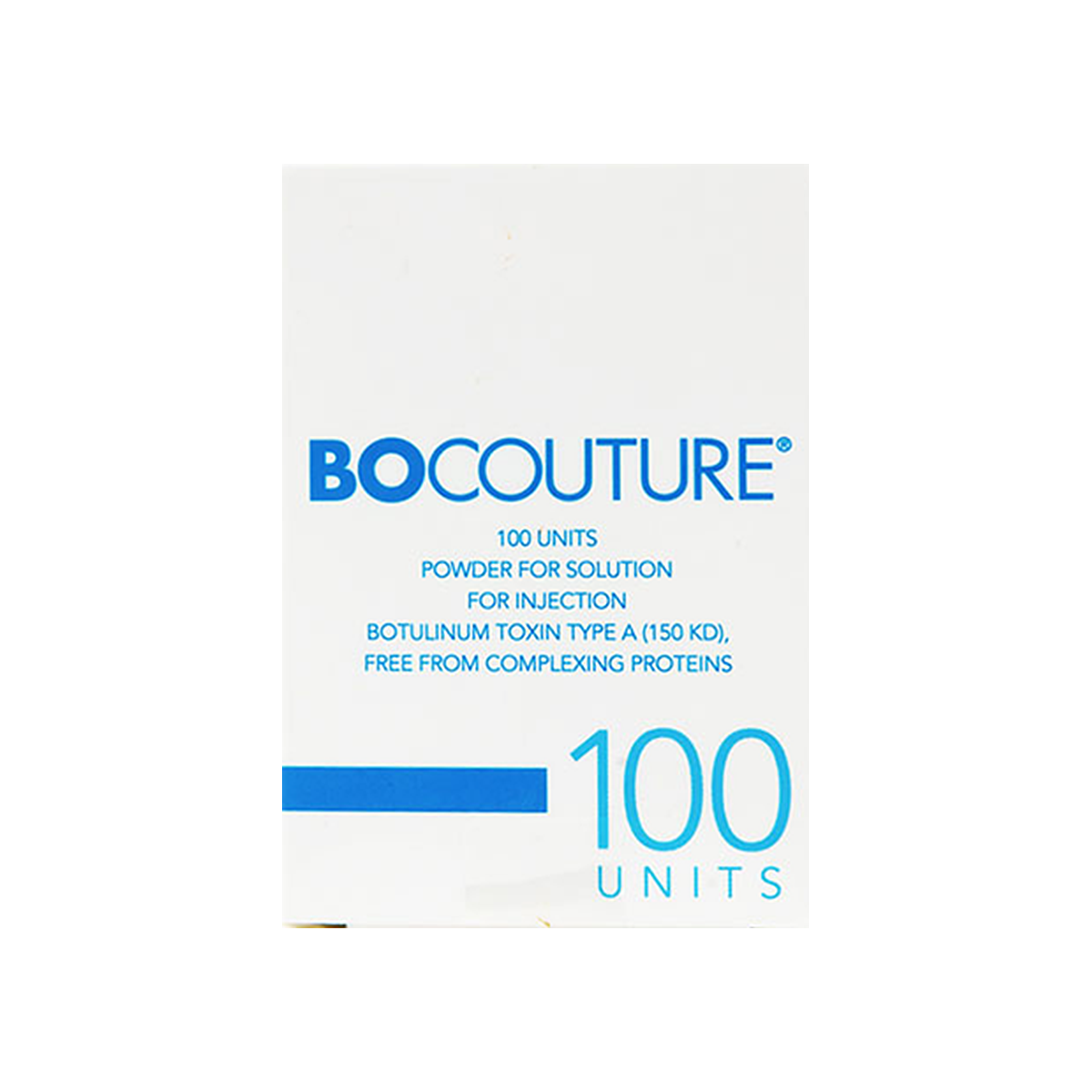
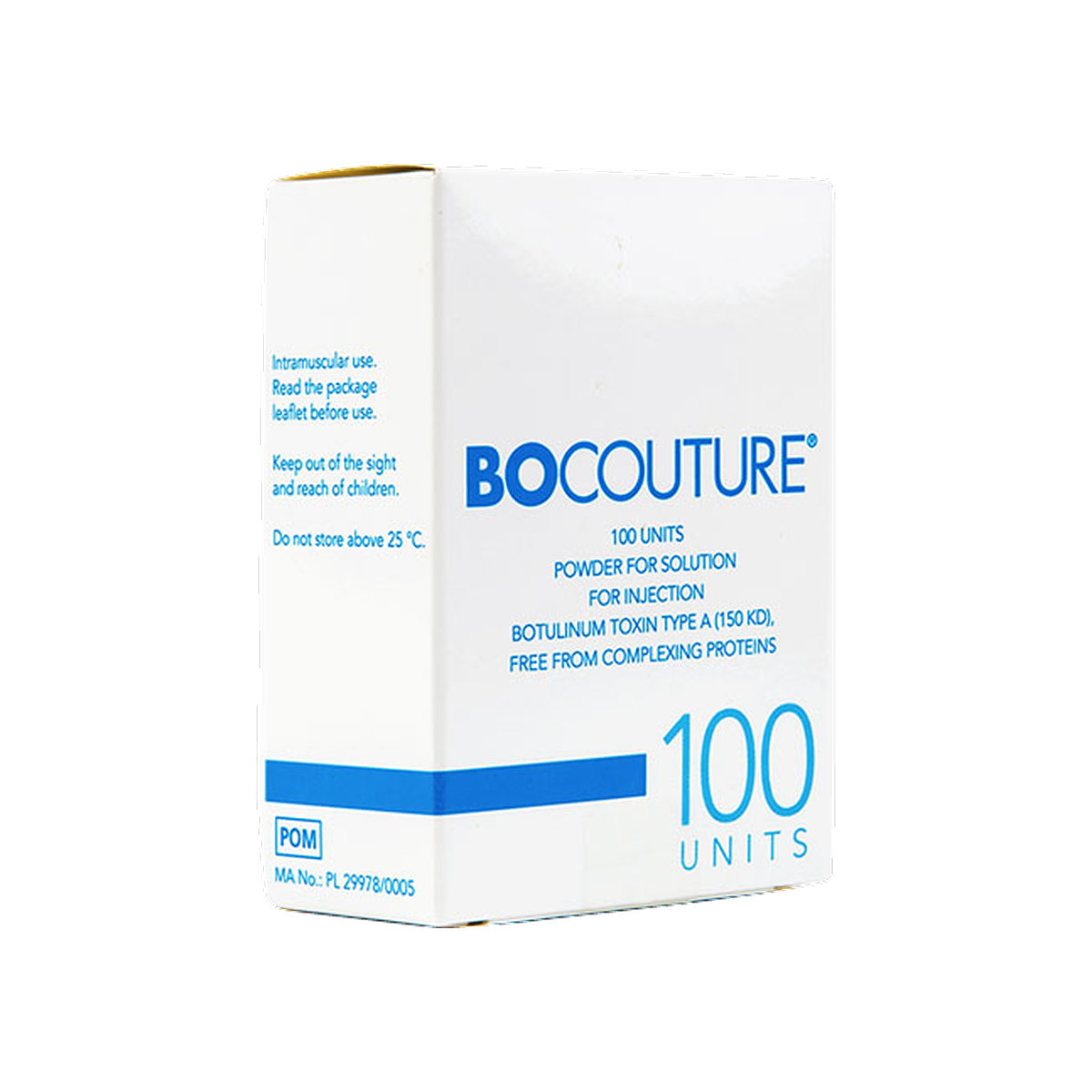
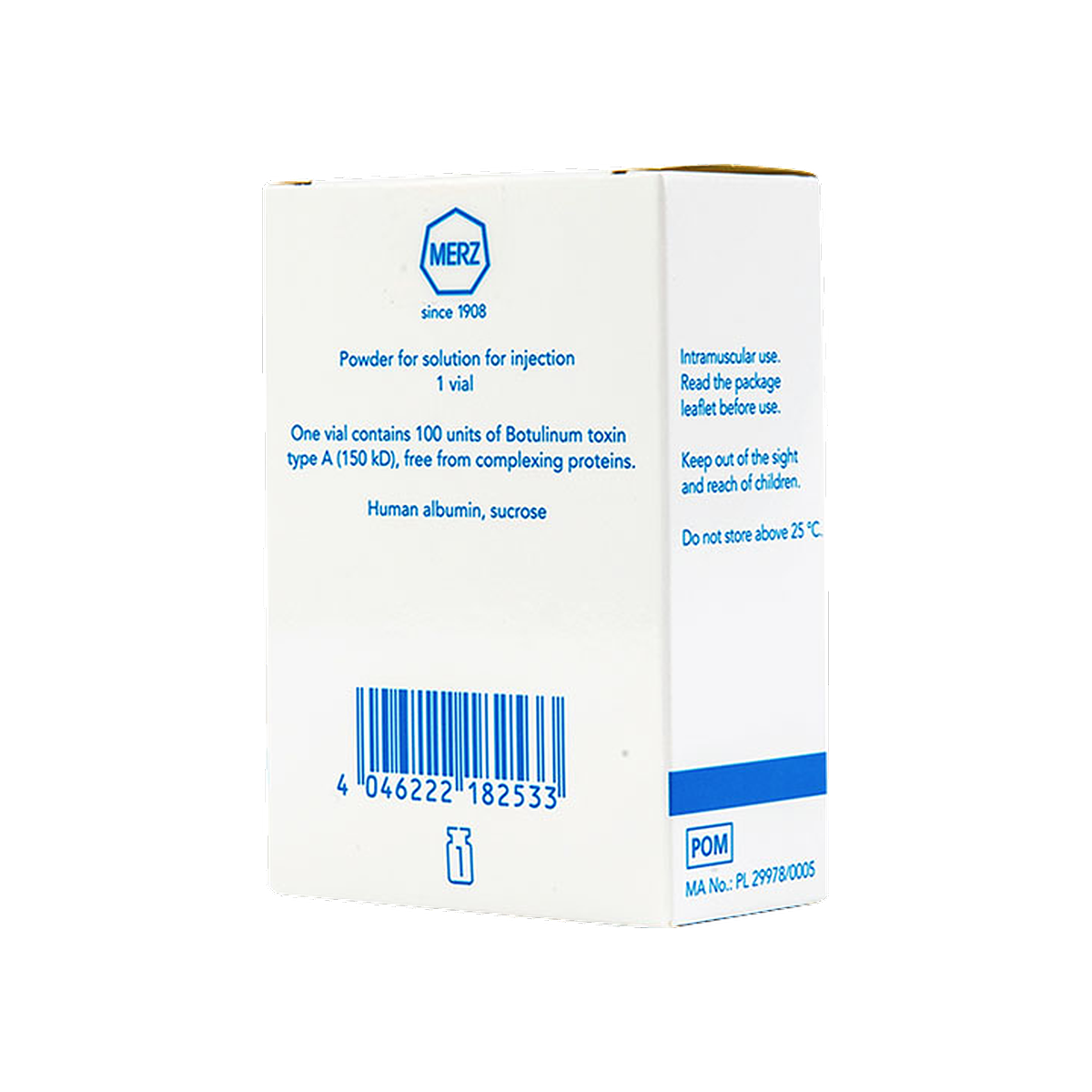
Bocouture is a purified botulinum toxin type A from Merz, supplied as a sterile lyophilized powder for reconstitution before intramuscular injection. Licensed clinics and healthcare professionals can order Bocouture 50 Units or Bocouture 100 Units vials for treatment rooms that need point-of-care preparation and clear lot traceability. The formulation contains the roughly 150 kDa neurotoxin without accessory complexing proteins, and trained injectors use it to temporarily relax targeted facial muscles.
Wholesale pricing and quantity breaks appear with each vial presentation during ordering, and practices can order as a guest or through an account. A 50 Units vial suits lower-volume sessions or tighter appointment blocks. A 100 Units vial supports busier injection days when vial use across the schedule is predictable.
For clinics planning a bulk purchase, unit count is only part of the decision. Inventory teams should weigh expected patient flow, injector rosters, secure storage space for unopened vials, the short post-reconstitution use window, and record-keeping duties. Capturing lot numbers and expiry dates at intake helps receiving staff reconcile shipments against purchase records and supports procedure-note traceability later.
Med Wholesale Supplies is a wholesale supplier of aesthetic, orthopedic and medical products to clinics, hospitals and medical professionals, operating since 2013. Professional accounts can add this preparation to a neurotoxin formulary alongside other type A products in the botulinum toxins category. We may review order details and clinic credentials, and professional-use ordering requirements may apply.
Bocouture is the Merz brand of incobotulinumtoxinA licensed in the United Kingdom and other European markets. In the United States, the FDA-approved incobotulinumtoxinA brand is Xeomin, so Bocouture is not a US brand name. The active neurotoxin is described the same way in both brands, but approved indications, labeling language, unit conventions and packaging follow the market that licensed the pack.
Units of botulinum toxin are brand-specific and are not interchangeable on a unit-for-unit basis between products. Clinic teams should read the manufacturer information supplied with the shipment, follow the pack label, and apply their own medical director policies, state rules and professional standards. Any use outside the approved indications on the supplied label is off-label and remains a clinician decision, not a marketing claim.
Botulinum toxin type A acts at the neuromuscular junction, where it limits the release of acetylcholine, the signal that tells a muscle to contract. Trained injectors place small intramuscular doses into selected facial muscles that drive dynamic expression lines. The product information covers upper facial lines in adults, including glabellar frown lines, lateral canthal lines and horizontal forehead lines.
The vial holds a sterile lyophilized powder, so staff reconstitute it with sterile diluent immediately before treatment. Point-of-care preparation lets the injector match concentration, injection volume and needle choice to the patient’s anatomy and the clinic’s protocol. According to the product literature, effects typically begin within two to three days, with maximum effect around 30 days after injection.
The complex-protein free design is one reason clinics look at Merz incobotulinumtoxinA when standardizing training across several providers. It does not remove the need for individual assessment, careful mapping, adverse-event readiness or medical oversight. Response still varies with dose, technique, muscle mass and treatment history.
Quick tip: Write one reconstitution standard into your clinic manual so every injector uses the same dilution, syringe labeling and sharps-disposal steps.
Each vial contains a preservative-free lyophilized cake intended for reconstitution shortly before administration. The active component is botulinum neurotoxin type A of about 150 kDa, with human albumin and sucrose listed as excipients in the product information. Packaging and market-specific labeling can vary, so staff should read the leaflet supplied with the shipment before first use.
Reconstitution is performed with sterile, preservative-free sodium chloride solution in line with the label and clinic protocol. Facilities should define who may reconstitute a vial, how the prepared syringe is labeled, where it is held, and how long it may remain in use. Aseptic technique, needle changes and sharps handling follow internal infection-control procedures.
Keep unopened vials dry, below 25°C, and protected from freezing. Store the reconstituted solution at 2-8°C and use it within 24 hours, discarding any remainder according to facility waste policy. Teams building a wider intake standard can consult the guidance on neurotoxin storage and receiving practice.
Screening belongs with the treating clinician and should cover neuromuscular history, current medicines, prior toxin response, and pregnancy or breastfeeding status where relevant. The product information lists clear contraindications for botulinum toxin type A treatment:
Caution is also advised with aminoglycoside antibiotics, spectinomycin, muscle relaxants and other agents that affect neuromuscular transmission, because they may increase toxin effect. Common local reactions include injection-site pain, bruising, swelling, headache, eyelid ptosis and temporary weakness in nearby muscles. Rarely, toxin effects can spread beyond the injection site and cause swallowing, speech or breathing difficulty, which can be serious and needs urgent assessment.
Give written post-care advice, keep an escalation pathway in place, and document any adverse event under clinic policy. Patients should be told to contact the clinic promptly for unexpected muscle weakness, vision changes, difficulty swallowing or breathing problems. Dose, injection pattern and retreatment interval remain decisions for the qualified clinician responsible for care, with intervals generally no shorter than the label allows.
Good records support both clinical quality and supply accountability. Procedure notes usually capture product name, vial strength, lot number, expiry date, dilution, injection sites, units given, injector identity and immediate observations. Many practices also attach the manufacturer label to the treatment record or scan it into the electronic chart.
Receiving staff should verify vial count, packaging condition, lot details and expiry before stock enters inventory. Storage areas need to be secure, temperature-appropriate and limited to authorized team members. Clinics that order Bocouture for several rooms or sites can set par levels per location, which reduces last-minute restocking and keeps appointment flow steady.
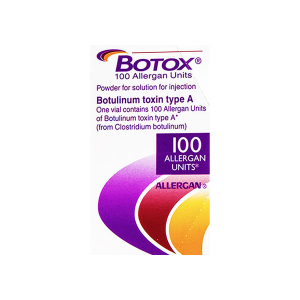
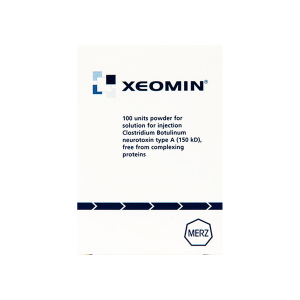
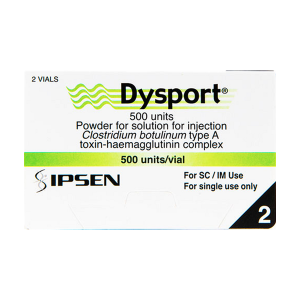
Formulary discussions often set Bocouture against Botox, Xeomin, Azzalure and Dysport. All are type A neurotoxins, but they differ in excipients, labeling, reconstitution habits, unit conventions and training materials. Because units are brand-specific, switching products is a protocol change rather than a simple swap, and it should be documented before any injector uses the new brand.
Bocouture and Xeomin share the same active neurotoxin, incobotulinumtoxinA, and the same complex-protein free profile, with brand naming tied to market. Teams reviewing other purified options in the catalog can look at Botox, Dysport and Azzalure. None of these products is presented here as superior; selection depends on labeling, staff familiarity and medical director preference.
If your organization approves a change, update reconstitution notes, mapping templates, consent wording, post-care handouts and inventory records first. Staff training should finish before the new brand reaches the treatment room.
Bocouture fits practices that want a reconstituted toxin workflow, compact vial storage and tight procedure-room documentation. Preparing the solution just before treatment lets staff align diluent volume with the clinic’s preferred concentration and appointment design. Standard injection maps, photography protocols and consent steps keep results consistent across repeat cycles.
Multimodal programs often stage toxin appointments with dermal fillers or skin-quality treatments across separate visits. Staging helps teams manage swelling, record each intervention clearly and adjust follow-up without crowding one visit. Sequencing should follow anatomy, indication and training rather than stock convenience.
For wider clinical context, teams can read the wrinkle-reduction practice guide and the notes on dilution considerations for clinic workflow. Brand-specific catalog updates sit in the Bocouture brand section, and broader class education is covered in the summary of popular botulinum toxin brands. These materials supplement, never replace, the current label and clinician training.
Official product literature governs indications, contraindications, warnings, reconstitution, storage and administration. Clinic standard operating procedures should mirror the current label, applicable regulations, staff competency and medical director oversight.
This content is for general informational purposes only and is not a substitute for professional medical advice, diagnosis, or treatment. Always consult a qualified clinician or pharmacist about your situation, and seek urgent care or call your local emergency number for severe or worsening symptoms.
Bocouture® is intended for licensed clinics, med spas, aesthetic practices, and healthcare professionals using professional administration protocols. Account verification and clinic documentation may be required before purchasing.
Both are vial presentations of botulinum toxin type A for reconstitution before intramuscular injection. The practical difference is unit quantity, so clinics usually choose based on treatment volume, scheduling, and inventory planning.
Unopened vials should be stored below 25°C, kept dry, and not frozen. After reconstitution, the prepared solution should be stored at 2–8°C and used within 24 hours according to product literature and facility policy.
They are closely related in professional discussions because both are associated with incobotulinumtoxinA and a complex-protein free profile. Clinics should still follow the exact product labeling, training materials, and local protocols for the brand being used.
Bocouture and Botox are both botulinum toxin type A products used in aesthetic practice, but they differ in formulation, labeling, and clinic workflow. Product choice should be made by trained professionals based on approved use, experience, patient assessment, and protocol fit.
Clinics commonly discuss injection-site pain, bruising, swelling, headache, temporary local weakness, and the rare possibility of toxin effects spreading beyond the injection area. Patients should receive clear instructions on when to contact the clinic after treatment.

MWS Customer Service Team
Our customer service team helps you choose the right pack, label option and quantity for your clinic, and sets up your first order.
Monday to Friday, 9am to 6pm ET
Why clinics order from MWS
Built for licensed clinics
Licences are checked against the state board and the NPI registry.
Every pack option named
Each option names its dosage and pack size, so you know which pack you are ordering.
Volume pricing up front
Quantity tiers are shown on the product, before you order.
Cold-chain packing
Refrigerated lines ship in thermo-packaging with enough ice packs to hold temperature for up to 10 days.
“The customer care team was very efficient in offering hand-held guidance to choose the most cost-effective options.”

Written by Med Wholesale Supplies Editorial Team Dysport is abobotulinumtoxinA, a prescription botulinum toxin type A injectable supplied as a lyophilized (freeze-dried)…

Hooded eyes from Botox usually reflect temporary upper-face muscle imbalance, not a single diagnosis. The appearance may come from brow descent, true…

Glabellar lines are the vertical frown creases between the eyebrows, often called 11 lines. In clinical assessment, they matter because dynamic muscle…