Elasticity of the Skin: Assessment and Treatment Planning
Elasticity of the skin is the skin's ability to stretch, resist deformation, and return toward its original position. For aesthetic clinics, this…

Fillmed Laboratories
Vitamins, Amino Acids, and Hyaluronic Acid
Free shipping on orders over $800
5% off your first order, applied at checkout
Order as a guest or log in. Your medical licence details are collected at checkout and checked against the state board and the NPI registry.
Enter your own figures: the vials you use per treatment and what you charge per treatment. The table shows your product cost and margin per treatment at each quantity price. It does not suggest doses, prices or treatments.
| Quantity | Price per pack | Cost per unit | Cost per treatment | Margin per treatment |
|---|
Uses today's prices for the selected option before shipping and any other costs. Your figures stay in your browser.
Ships within 24–48 hours
Delivery typically 48–72 hours after shipping, up to 5–7 business days depending on origin and customs. Tracking is emailed when your order ships.
Warm or damaged on arrival?
Send us photos or a video. We investigate and arrange a replacement where needed.
Licence checks
Licences are checked against the state board and the NPI registry.
100% genuine products
In original manufacturer packaging, with lot numbers for full traceability. Lot numbers are shown on your packing slip and invoice.
250 active clinics · Supplying clinics since 2013
“Everything has been easy from ordering to delivery. The prices are good, orders arrive quickly, and the customer service has been great. I would definitely order from MWS again.”
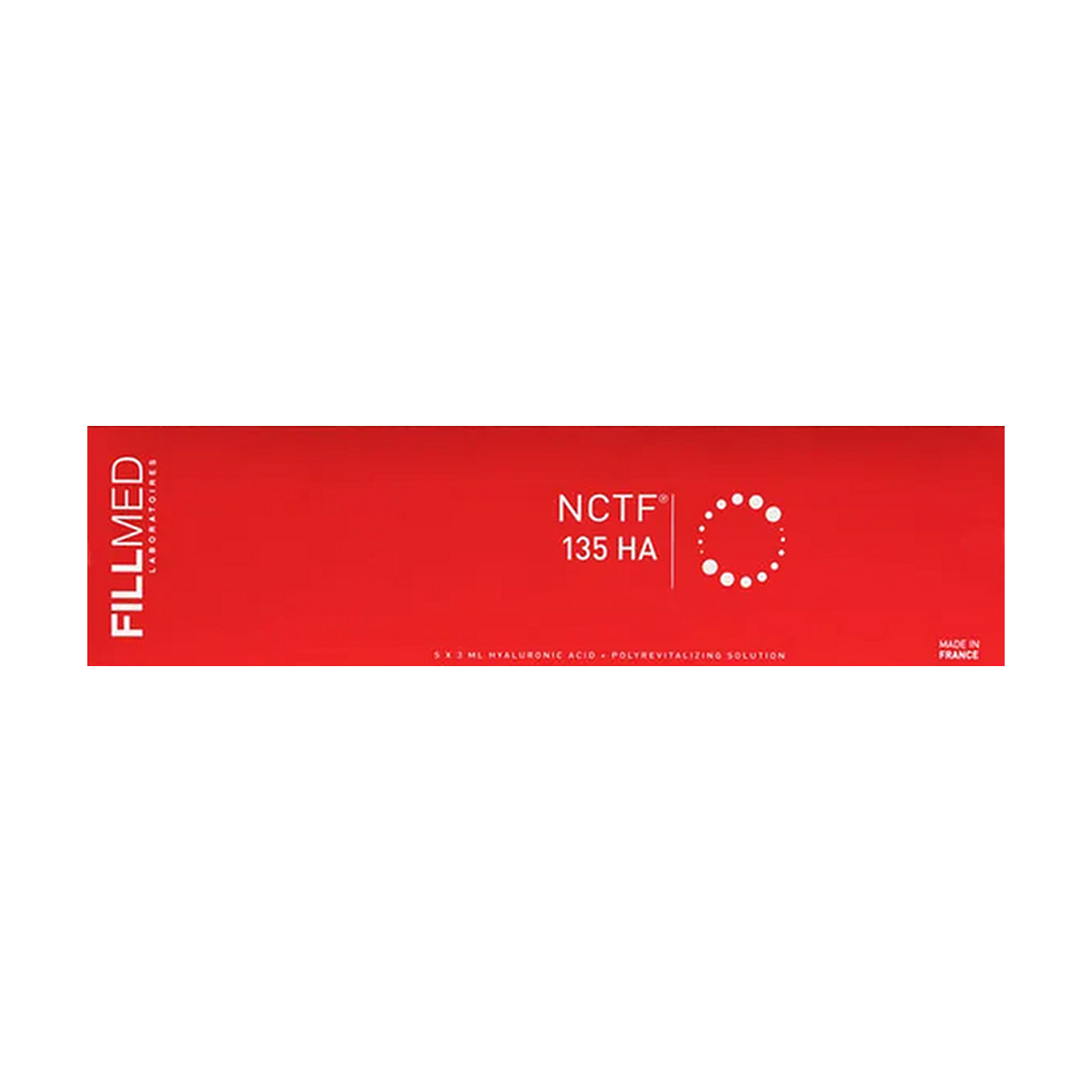
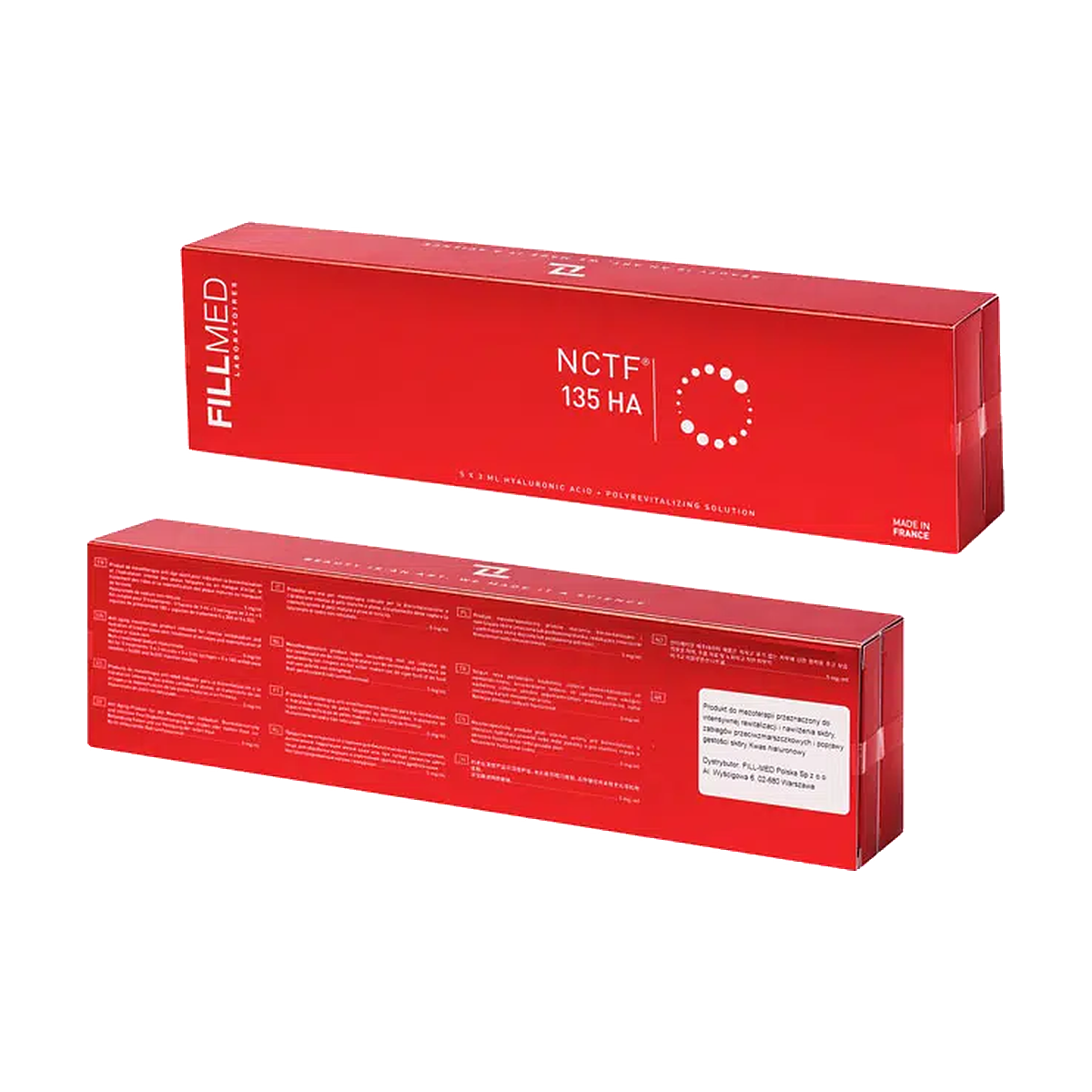
Fillmed® NCTF 135 HA is a sterile injectable polyrevitalizing solution for professional intradermal mesotherapy protocols. Licensed clinics and healthcare professionals can order Fillmed NCTF 135 HA for treatment-room programs focused on skin hydration support, superficial dermal conditioning, and complexion quality. The clinic supply format is 3 mL x 10 vials, with lot and expiry details used for intake, rotation, and procedural documentation.
The formulation combines non-crosslinked hyaluronic acid with a broad nutrient complex. It belongs in the skin-booster and mesotherapy category rather than the volumizing dermal filler category, so clinics typically position it for skin quality programs instead of contour correction. It may be administered with manual syringes, multi-needle techniques, or compatible ultra-fine devices selected by the trained provider.
Current prices and quantity breaks are shown on this page, and licensed clinics can order as a guest or with an account. This protects professional-use products and helps procurement teams align purchases with credentialed practice operations.
The standard clinic configuration referenced for this item is 3 mL x 10 vials. That multi-vial format supports planned treatment series, room-by-room allocation, and predictable restocking for practices that run structured booster appointments. When your team tracks inventory by internal codes, map those codes to the correct Fillmed NCTF 135 HA vials before receiving and stocking.
| Clinic detail | Practical note |
|---|---|
| Product class | Polyrevitalizing intradermal mesotherapy solution |
| Key component | Non-crosslinked hyaluronic acid with nutrient complex |
| Pack configuration | 3 mL x 10 vials |
| Use setting | Professional aesthetic practice |
| Inventory control | Lot and expiry labeling supports intake and rotation |
Quick tip: Align vial counts with scheduled session series, provider calendars, and expected adjunct supplies before placing a replenishment order.
Fillmed NCTF 135 HA mesotherapy refers to superficial intradermal administration by trained professionals as part of skin-quality protocols. Clinics commonly use this type of solution in programs that emphasize hydration support, texture refinement, and visible complexion uniformity. It is often planned for areas such as the face, neck, décolletage, and hands according to clinical judgment and local practice standards.
The solution is not designed to replace volumizing fillers. Instead, it fits protocols where the primary objective is dermal conditioning rather than lift, projection, or structural contour. For teams building a broader treatment menu, the Mesotherapy category can help staff organize related professional-use products by procedure type.
Many practices schedule NCTF 135HA sessions alongside other aesthetic pathways, with appropriate spacing and assessment. It can complement device-led resurfacing, low-trauma needling, or dermal filler appointments when each step has a defined purpose. Combination protocols should follow provider training, patient screening, product labeling, and office policies.
The product contains free, non-crosslinked hyaluronic acid. Hyaluronic acid is a water-binding molecule used in many aesthetic products because it supports hydration within the tissue environment. In this formula, HA is combined with a multicomponent nutrient complex, which differentiates it from single-ingredient boosters.
The broader NCTF complex is commonly described as including vitamins, amino acids, coenzymes, nucleic acid components, minerals, and additional constituents. Current clinic materials refer to 59 components in the polyrevitalizing profile. Always use the product label and manufacturer materials as the definitive reference for composition, handling, and intended professional use.
The name Filorga NCTF 135HA may appear in older or international references because of brand history and regional naming. For procurement and clinical records, use the current product name, vial configuration, lot number, and expiry shown on the received carton.
Fillmed NCTF 135 HA injection protocols are typically performed as microinjections into the superficial dermis. Providers may use manual syringes, fine needles, multi-needle approaches, or dedicated ultra-fine accessories based on the treatment area and professional technique. The chosen approach should support accurate placement, aseptic handling, and consistent documentation.
Clinics that use ultra-fine intradermal accessories may pair protocols with Fillmed Nanosoft Microneedles in suitable cases. Device choice should match training, patient selection, anatomy, and the intended delivery pattern. If a practice markets an NCTF 135 HA Nanosoft kit internally, procurement staff should still receive and document each component separately by its own lot and expiry.
Room setup should account for sterile preparation, sharps management, post-procedure instructions, and expected transient reactions. Staff should record the treatment area, vial information, injection technique, and any adjunct products used. Clear documentation is especially useful when a clinic runs multi-session programs across several providers.
For brand-family reordering, the Fillmed brand section groups related professional products in one browsing path. This can reduce sourcing friction for clinics that standardize staff training and protocols across Fillmed products.
Practices value this type of booster because it can be built into repeatable treatment templates. A standardized product, vial format, and procedure note help reduce variation between rooms and providers. That consistency supports scheduling, staff onboarding, and procurement planning for clinics that offer ongoing skin-quality programs.
From a treatment-menu perspective, Fillmed NCTF 135 HA gives teams a product aimed at hydration and dermal conditioning rather than volume replacement. That distinction makes it easier to explain internally which cases belong in a booster pathway and which may require filler, peel, device, or combination planning. The Skin Boosters category can support broader menu planning for practices comparing adjacent options.
Operationally, the multi-vial format can simplify session forecasting. Inventory managers can estimate usage by room, provider, or scheduled series, then align reordering with expected lead times. Temperature-controlled handling when required and tracked US delivery help receiving teams plan intake and storage checks.
Professional screening should occur before any intradermal injection protocol. Clinics should assess treatment history, allergies, skin condition, active infection, recent procedures, relevant medications, and contraindications described in product labeling or local clinical policy. Providers should also confirm that the planned area and technique fit the patient’s anatomy and overall aesthetic plan.
Transient effects can occur after superficial intradermal injections. Commonly documented reactions include injection-site redness, mild swelling, localized bruising, tenderness, itching, or temporary skin marks. These effects are generally expected with microinjection procedures, but clinics should give clear aftercare instructions and escalation guidance for unusual, persistent, or worsening symptoms.
Aseptic technique matters because the product is sterile and injectable. Staff should inspect packaging before use, avoid using compromised vials, follow sharps procedures, and document lot and expiry in the clinical record. Any adverse event concerns should be managed according to professional standards and reporting requirements.
Why it matters: Consistent screening, sterile handling, and documentation protect both patient safety and clinic workflow quality.
Store and handle Fillmed NCTF 135 HA according to the carton, vial label, and manufacturer insert. Receiving staff should inspect the shipment, confirm the product name and pack configuration, and record lot and expiry details before moving vials into active inventory. Rotation by expiry date helps reduce waste across busy treatment schedules.
Because this is an injectable professional product, clinics should separate unopened stock from procedure-room supplies and maintain clean handling procedures. Do not use a vial if the container, seal, labeling, or solution appears compromised. Internal policies should define who can receive, store, prepare, and administer the product.
For teams expanding skin-revitalization services, our professional article on NCTF 135 HA clinical considerations offers additional context for treatment planning and product positioning. Use educational materials as support for staff discussion, not as a replacement for product labeling or clinical training.
Clinics often stock several products in the skin-quality category so providers can tailor protocols by patient presentation, treatment goal, and technique. Fillmed NCTF 135 HA is most relevant when the goal is mesotherapy-style hydration support and superficial dermal conditioning. Other Fillmed products may serve different roles in the same aesthetic practice.
For a hyaluronic acid product in the Fillmed range, see Fillmed M-HA 18. For fine-line correction rather than mesotherapy-style boosting, Fillmed Art Filler Fine Lines with Lidocaine may be evaluated by trained injectors. Practices that combine complexion work with exfoliation services may also review Fillmed Bright Peel for normal skin.
Each adjacent product should be selected for its own intended use, formulation, and treatment objective. Avoid substituting a booster, filler, peel, or device accessory solely because they belong to the same brand family. Procurement staff should confirm pack format and clinical teams should confirm protocol fit before approving changes.
Account access allows your team to view current pricing, purchase quantities, and professional ordering requirements tied to your facility. Orders are supplied through verified supply channels for licensed clinical use.
For smoother reordering, maintain a simple product preference sheet that lists Fillmed® NCTF 135 HA, pack configuration, common procedure pairings, and approved substitutes. This helps front-office, inventory, and clinical staff coordinate without relying on informal product names such as Fillmed 135HA, NCTF Fillmed, or NCTF Boost 135HA. Those terms may appear in vendor conversations, but the received product should always be documented by its official label.
When supply planning across a broader aesthetic menu, the Fillmed clinic product overview can help teams distinguish hydration-focused products from filler choices. For broader procedure education, the article on mesotherapy benefits and practice context may support internal training discussions.
Manufacturer information for NCTF 135 HA
FDA medical device information
NIH biomedical literature database
This content is for informational purposes only and is not a substitute for professional medical advice.
Fillmed® NCTF 135 HA is a sterile injectable polyrevitalizing solution used in professional intradermal mesotherapy protocols. It combines non-crosslinked hyaluronic acid with a broad nutrient complex and is positioned for skin-quality programs rather than volumizing filler treatment.
The product is offered for licensed clinics, med spas, and healthcare professionals with verified professional accounts. Account access is used to view current clinic pricing, quantities, and applicable ordering requirements.
The clinic supply format referenced for this item is 3 mL x 10 vials. Receiving teams should confirm the product name, vial count, lot number, and expiry date during intake.
Clinics may use compatible ultra-fine intradermal accessories such as Fillmed Nanosoft Microneedles when the trained provider selects that technique for the treatment area and protocol. Device choice should follow clinical training, aseptic technique, and product instructions.
Expected transient reactions may include redness, mild swelling, bruising, tenderness, itching, or temporary marks at injection sites. Clinics should provide post-procedure guidance and evaluate any unusual, persistent, or worsening symptoms according to professional standards.
Store and handle the vials according to the carton, vial label, and manufacturer insert. Document lot and expiry details in inventory records and treatment notes, and do not use any vial with compromised packaging, labeling, or solution appearance.
Fillmed NCTF 135 HA is used for mesotherapy-style skin quality protocols, while dermal fillers are typically selected for contour, structure, or volume correction. Clinics should match each product to its intended role, treatment objective, and provider training.

MWS Customer Service Team
Our customer service team helps you choose the right pack, label option and quantity for your clinic, and sets up your first order.
Monday to Friday, 9am to 6pm ET
Why clinics order from MWS
Built for licensed clinics
Licences are checked against the state board and the NPI registry.
Every pack option named
Each option names its dosage and pack size, so you know which pack you are ordering.
Volume pricing up front
Quantity tiers are shown on the product, before you order.
Cold-chain packing
Refrigerated lines ship in thermo-packaging with enough ice packs to hold temperature for up to 10 days.
“The customer care team was very efficient in offering hand-held guidance to choose the most cost-effective options.”

Elasticity of the skin is the skin's ability to stretch, resist deformation, and return toward its original position. For aesthetic clinics, this…

Restylane Skinboosters are hyaluronic acid skin quality injectables used in aesthetic practice for hydration-focused, texture-oriented treatment plans rather than structural volumization. For…

In clinic discussions, BCN injection usually refers to branded mesotherapy formulations considered for superficial intradermal use within aesthetic workflows. The practical question…