
$149.00
You save
Description
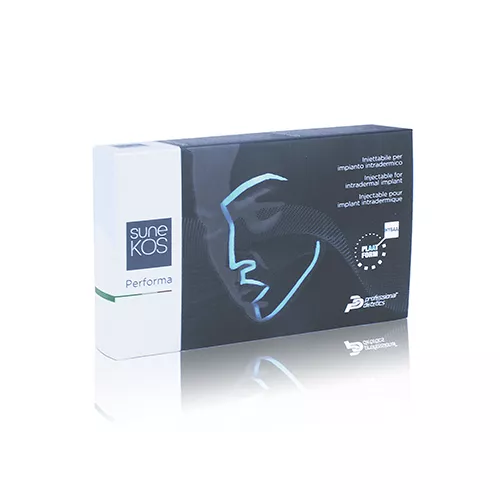
Sunekos® Performa is an injectable hyaluronic acid and amino acid preparation for intradermal administration by licensed healthcare professionals. Clinics can order Sunekos® Performa for professional aesthetic workflows that focus on dermal quality, hydration support, and natural-looking texture refinement. It fits treatment-room protocols where precise micro-injection technique, documentation, and consistent clinic supply are operational priorities.
Clinic Price, Ordering, and Supply Details
Licensed clinics, med spas, and healthcare professionals can sign in to view the current Sunekos Performa price, purchasing quantities, and account-specific terms. The product is supplied for professional use, so ordering should align with your clinic’s treatment protocols, injector training, and internal documentation standards. Reference SKU: 89963.
For multi-site practices or teams managing recurring aesthetic inventory, Sunekos Performa clinic supply can be planned alongside compatible micro-injection accessories, aftercare materials, and adjacent skin-quality products. We provide brand-name medical products sourced through vetted distributors and verified supply channels for licensed clinics, with temperature-controlled handling when required and tracked US delivery.
Quick tip: Record lot numbers and expiry dates at receiving so treatment-room logs stay audit-ready.
What Sunekos® Performa Is Used For
Sunekos® Performa is used in professional aesthetic practice as a skin booster-style injectable to support extracellular matrix activity, dermal hydration, elasticity, and overall tissue quality. It is intended for intradermal placement by trained professionals rather than for self-administration or retail cosmetic use. Common clinic treatment zones include the face, periorbital region, neck, and décolleté when the treating clinician considers the product appropriate.
The formulation is designed for subtle dermal refinement rather than high-volume contouring. That distinction matters when a patient’s concern is fine surface texture, crepey skin quality, or elasticity rather than projection or structural volume loss. Clinics that offer regenerative aesthetic services often position it alongside broader skin booster products for patients seeking gradual improvement in skin quality.
As with any injectable aesthetic product, patient selection should be clinician-led. Assessment should include skin condition, treatment history, contraindications, expectations, and whether a volumizing filler, device-led procedure, mesotherapy approach, or topical maintenance plan is more appropriate.
How the HA and Amino Acid Combination Works
Sunekos® Performa combines hyaluronic acid with selected amino acids. Hyaluronic acid is a water-binding molecule found naturally in connective tissue, while amino acids provide structural building blocks used in normal extracellular matrix processes. In aesthetic practice, this combination supports a hydrated dermal environment and can help clinicians target skin quality without deliberately adding obvious bulk.
The extracellular matrix is the tissue network surrounding cells; it includes collagen, elastin, and other components that contribute to resilience and texture. By supporting matrix remodeling pathways, this class of injectable can complement procedures that focus on collagen stimulation, resurfacing, or hydration. It should not be presented as a replacement for every filler, biostimulator, or device because each category addresses different clinical goals.
Clinics often evaluate Sunekos Performa hyaluronic acid protocols in relation to existing treatment menus. If your practice already uses mesotherapy or bio-revitalization services, the product can fit within a structured pathway that emphasizes conservative injection planning, measured follow-up, and natural-looking progression.
Professional Administration and Treatment-Room Fit
Sunekos Performa injectable is intended for micro-injections placed intradermally, typically in the mid to deep dermis according to clinician judgment and product instructions. The existing clinical workflow may include facial mapping, skin preparation, aseptic technique, small-volume placement, and post-treatment documentation. Administration should be performed only by trained injectors working within their professional scope.
The product fits well in mesotherapy category workflows where small intradermal deposits are used to address skin quality concerns. Many practices schedule skin booster treatments as a series rather than a single isolated appointment, with intervals set by the treating clinician and the protocol being followed. Current clinic copy commonly references four sessions at 7–10 day intervals, but individualized planning remains essential.
Useful operational steps include confirming injector training, preparing sterile accessories before the appointment, documenting treatment sites, and tracking any immediate reactions. Teams should also maintain clear patient-facing consent language that distinguishes texture-focused injectables from volumizing dermal fillers.
Key Features for Licensed Practices
- Injectable preparation combining hyaluronic acid with selected amino acids.
- Designed for intradermal professional administration using micro-injection techniques.
- Used to support dermal quality, elasticity, hydration, and surface smoothness.
- Appropriate for treatment planning where subtle refinement is preferred over added bulk.
- Commonly integrated into face, neck, and décolleté rejuvenation workflows.
- Compatible with conservative, staged aesthetic protocols when clinically appropriate.
- Supplied in original manufacturer packaging with lot and expiry details for traceability.
- Suited to clinics that document batch details and maintain professional-use inventory controls.
Benefits in Practice and Patient Selection
The practical benefit of Sunekos® Performa is its role in skin-quality treatment pathways. Instead of focusing primarily on contour or projection, clinicians can target parameters such as hydration, elasticity, fine lines, and surface irregularity. This can help preserve natural facial movement and contour when a patient does not need, or does not want, a high-volume filler strategy.
Patient selection should remain grounded in examination and expectations. Ideal candidates in many aesthetic practices are those seeking gradual improvements in skin texture or firmness, while patients with significant laxity, deep folds, or structural volume loss may need a different primary modality. Treatment plans can also include topical skincare, energy-based devices, or collagen-supportive injectables when appropriate.
Why it matters: Clear category positioning helps prevent patients from expecting filler-like volume from a texture-focused injectable.
How Sunekos® Performa Compares with Fillers and Other Skin Boosters
Sunekos® Performa is not simply a traditional dermal filler. Fillers are often selected to restore volume, contour, or support specific facial structures, while this product is used more for dermal quality and extracellular matrix support. That difference helps clinics decide whether a patient needs projection, hydration, collagen support, or a combined treatment plan.
Compared with other Sunekos preparations, Sunekos® Performa is positioned as a professional-use option for skin regeneration and texture-focused rejuvenation. Clinics that use the broader brand family may also review Sunekos or Sunekos Body when planning protocols for different treatment areas or practice needs.
For practices comparing adjacent collagen-supportive or biorestructuring products, Karisma Rh Collagen Softfiller Biorestitutivo Face may be reviewed as a related clinic option. Product choice should be based on treatment objective, tissue condition, injector experience, and the manufacturer’s instructions for each item.
Composition, Packaging, and Inventory Control
The core composition described for Sunekos® Performa is hyaluronic acid with a balanced amino acid component. The HA fraction contributes water-binding capacity, while the amino acid fraction supports matrix-related processes. This composition explains why the product is discussed as a Sunekos Performa skin booster rather than a volume-led filler.
Sunekos® Performa is supplied in original manufacturer packaging for professional injection workflows. Labels typically display lot number and expiry date so clinics can maintain traceability from receiving through treatment documentation. Inspect packaging before use, follow the manufacturer’s handling instructions, and do not use units with compromised packaging or unclear labeling.
Clinic teams should store the product according to the manufacturer’s recommendations and keep it separated from non-injectable retail stock. If your practice uses procedure carts or room-specific stock, document movement from central inventory to the treatment area so batch tracking remains complete.
Safety, Contraindication Checks, and Monitoring
Professional evaluation is required before treatment with any injectable aesthetic product. Screening should include allergy history, prior reactions to injectable products, active skin infection or inflammation in the treatment area, recent procedures, pregnancy or breastfeeding considerations when relevant to clinic policy, and medications or conditions that may affect bruising, healing, or infection risk. Do not administer into areas with active infection or compromised skin.
Expected procedure-related effects may include temporary redness, swelling, tenderness, bruising, pinpoint bleeding, or localized discomfort at injection sites. More serious risks can include infection, hypersensitivity reaction, nodules, vascular compromise, or delayed inflammatory reactions, depending on product type, technique, anatomy, and patient factors. Clinics should have protocols for escalation, documentation, and patient instructions after treatment.
Technique and anatomy training are central safety controls. Staff should follow aseptic practice, use appropriate needle or cannula choices as clinically indicated, and monitor the patient immediately after treatment. Patients should receive clear guidance on what reactions are expected and what symptoms require urgent clinical contact.
Protocol Planning and Combination Treatments
Sunekos® Performa can be incorporated into broader aesthetic plans when a clinician wants to address skin quality alongside other modalities. It may complement resurfacing, device-led tightening, topical maintenance, or other injectable categories when treatment timing and tissue response are appropriate. Combining procedures should be planned carefully to avoid unnecessary irritation or overlapping recovery demands.
Practices developing an intradermal service line may find the clinical workflow discussion in mesotherapy clinical uses and workflow useful for staff planning. For teams evaluating collagen-oriented injectables, Jalupro collagen stimulation provides related background on another amino acid and HA-based treatment category.
Spacing, sequencing, and follow-up should be individualized. A conservative plan gives the clinician time to assess response, manage minor reactions, and decide whether maintenance or an alternative modality is needed.
Related Professional Options
Clinics building a skin-quality formulary may want products that cover hydration, collagen support, mesotherapy-style delivery, and area-specific needs. Mesorelle may be considered when reviewing mesotherapy supplies, while Nithya Stimulate is another related professional aesthetic product for practices assessing regenerative treatment categories.
For broader purchasing decisions, the skin boosters articles section can help teams review category concepts, protocol considerations, and product distinctions. Internal education is especially useful when front-desk staff, treatment coordinators, and injectors need consistent language for explaining differences between boosters, fillers, and device-led services.
When choosing alternatives, avoid substituting solely by brand familiarity. Match the product to the intended tissue depth, treatment area, patient goals, recovery expectations, and the practitioner’s experience with the technique.
Authoritative Sources
Ready to add Sunekos® Performa to your clinic formulary? Sign in to view current professional pricing, confirm purchasing quantities, and place an order for your licensed practice.
This content is for informational purposes only and is not a substitute for professional medical advice.
Frequently Asked Questions
What is Sunekos® Performa used for in clinics?
Sunekos® Performa is used by licensed professionals as an intradermal injectable for skin-quality protocols. Clinics typically position it for hydration support, elasticity, fine texture concerns, and natural-looking dermal refinement rather than primary volume restoration.
Is Sunekos® Performa the same as a dermal filler?
No. Traditional fillers are often selected for volume, contour, or structural support. Sunekos® Performa is positioned more as a skin booster-style injectable that supports dermal quality through hyaluronic acid and amino acids.
Who can administer Sunekos® Performa?
It should be administered only by trained licensed healthcare professionals working within their scope of practice. Clinics should follow manufacturer instructions, aseptic technique, appropriate injection training, and internal documentation policies.
How should clinics handle Sunekos® Performa inventory?
Keep the product in original packaging, follow manufacturer storage instructions, inspect packaging before use, and record lot and expiry details for traceability. Inventory movement into treatment rooms should be documented according to clinic policy.
Can Sunekos® Performa be combined with other aesthetic treatments?
It may be incorporated into broader aesthetic plans when clinically appropriate. Sequencing with fillers, devices, mesotherapy, or topical regimens should be determined by the treating clinician based on tissue condition, recovery needs, and treatment goals.
Specifications
- Main Ingredient: Hyaluronic Acid, Amino Acids
- Manufacturer: Professional Dietetics S.r.l.
- Drug Class: Adjuvant
- Generic Name: Low molecular weight HA
- Package Contents: 3.5 mL x 2 Premixed Vials
- Storage Requirements: Room Temperature (2℃~25℃)
- Main Usage:
Here to help
Questions about ordering, delivery or products? You can email our team here or call now at 1-800-630-9757 and be connected with your dedicated Account Manager
Related Products
Evenity® (English Alternative)
Injectable Medication
$1,229.00 - $1,299.00
You save
You save
Intraline® For Men
Dermal Filler
$59.00 - $79.00
You save
You save
RejuvaNAD+ Pro
Injectable Medication
$237.00 - $249.00
You save
You save
Teosyal® RHA 4
Aesthetic Surgery Product
$259.00 - $279.00
You save
You save
Related Articles
Prednisone in Clinical Care: Uses, Risks, and Monitoring
Prednisone is a prescription systemic corticosteroid used to reduce inflammation or suppress immune activity in…
Lip Fillers Swelling Stages: Timeline, Safety, and Follow-Up
Lip fillers swelling stages usually follow a short inflammatory course: swelling appears soon after injection,…
Hypopigmentation of the Skin: Assessment and Care
Hypopigmentation of the skin means one or more areas look lighter than the surrounding skin.…
Radiesse vs Sculptra: Selection Factors for Clinics
Radiesse vs Sculptra is best understood as a comparison between two collagen-stimulating injectables with different…
Hyaluronic Acid Under-Eye Filler: Safety and Workflow
Hyaluronic acid under-eye filler is an injectable soft-tissue filler used by trained aesthetic clinicians to…
Dermal Filler Types: Materials, Uses, and Clinic Fit
Dermal filler types are usually grouped by their base material, tissue behavior, and expected role…
What Is Dysport? Clinical Uses, Safety, and Workflow
For clinic teams asking what is Dysport, the short answer is simple: Dysport is a…
Biostimulators in Aesthetic Care: Selection and Safety
Biostimulators are injectable aesthetic products used to encourage a controlled tissue response, often involving new…