
Description
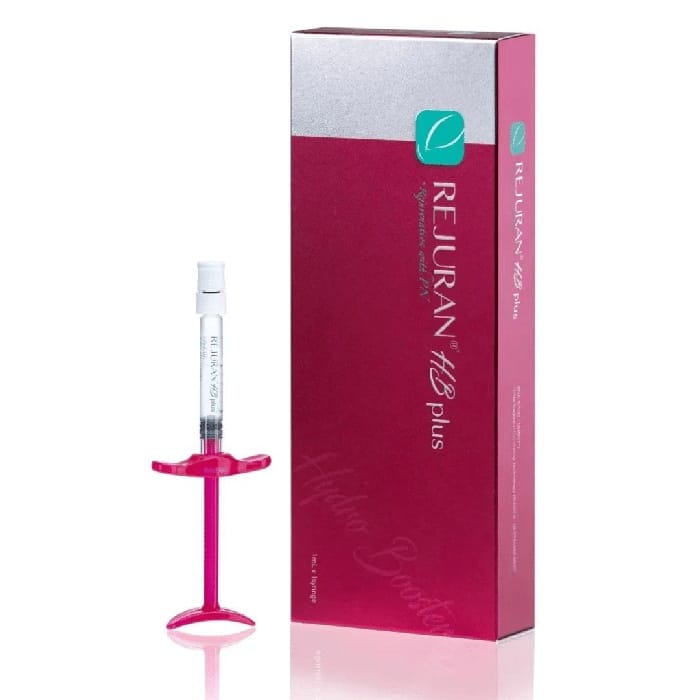
Rejuran® HB is an intradermal skin booster for professional aesthetic protocols, combining polynucleotides and hyaluronic acid in a sterile single-use format. Licensed clinics, med spas, and healthcare professionals can order Rejuran HB for treatment-room use and account-based supply planning. Each box contains 1 syringe × 1 ml, supporting predictable setup, lot tracking, and controlled use within clinic protocols.
The product is intended for trained professional administration, not self-use. Clinics commonly position the Rejuran HB skin booster within skin-quality programs focused on hydration, texture, elasticity, and overall dermal conditioning. Med Wholesale Supplies serves professional accounts with authentic brand-name medical products sourced through vetted distributors and verified supply channels for licensed clinics.
Rejuran HB Price, Account Access, and Clinic Ordering
Sign in to view the current Rejuran HB price for your account. Volume or contract pricing may apply for qualified clinics, and your purchasing team can align quantities with scheduled procedures, provider preferences, and internal inventory controls. Because the supplied format is 1 syringe × 1 ml, practices can plan stock by expected treatment sessions rather than by bulk vial allocation.
Account verification is required for professional-use ordering. Clinics should match the product selection, intended protocol, and professional documentation to their internal policies before purchase. If your practice uses skin boosters across several protocols, the broader skin boosters category can help staff evaluate adjacent PN-led and HA-led products without changing the professional-use focus of this purchase.
For logistics, practices may coordinate reorder points around room schedules, injector availability, and procedure-day preparation. We support temperature-controlled handling when required and tracked US delivery, allowing clinics to plan receiving procedures with standard product intake checks.
What Rejuran HB Is Used For in Professional Protocols
Rejuran HB is used by clinics as an intradermal injectable skin booster in aesthetic workflows that target skin quality. Professional protocols may focus on dryness, dull tone, fine texture irregularity, reduced elasticity, or maintenance of a healthier-looking dermal environment. Typical treatment areas in clinic planning include the face, neck, and décolletage, although final placement and technique remain clinical decisions.
The formulation pairs purified polynucleotides with hyaluronic acid. Polynucleotides are DNA-derived fragments used in aesthetic medicine for dermal support; hyaluronic acid is a water-binding substance commonly used for hydration and smoothness in skin and soft-tissue products. This dual composition makes Rejuran HB useful when a clinic wants PN support and HA hydration in one sterile syringe rather than layering separate adjuncts.
Some clinics discuss Rejuran HB injection protocols alongside mesotherapy-style or microinjection techniques. The product should be handled as a sterile, single-use injectable preparation and administered only by trained professionals following applicable local requirements, product documentation, consent language, and clinic policy.
How the PN and HA Combination Works
Polynucleotides may support normal fibroblast activity and tissue-repair processes involved in dermal maintenance. In practical clinic language, PN is used when the treatment objective includes improving the overall skin environment rather than only adding surface hydration. The evidence base for polynucleotides in dermatology continues to develop, so clinics should use cautious, documentation-led language when explaining expected outcomes.
Hyaluronic acid contributes the hydrating component of Rejuran HB. HA binds water within tissue, which can support moisture balance and a smoother-looking surface when used appropriately. The combined PN–HA profile helps clinics plan treatments around both dermal conditioning and hydration support, while keeping the product workflow contained to a single syringe.
Why it matters: A dual-action skin booster can simplify session setup when a protocol calls for both PN-based support and HA-based hydration.
Format, Packaging, and Treatment-Room Handling
Each box contains 1 syringe × 1 ml for single-use administration. The compact unit supports straightforward room preparation, intake logging, and post-procedure disposal. Staff should inspect product labeling, lot information, expiry date, and packaging condition according to the clinic’s normal receiving and treatment-room procedures.
Because Rejuran HB is supplied as a sterile injectable preparation, aseptic handling matters. Clinics should maintain appropriate storage and handling practices, use only compatible professional supplies, and discard any unused product according to sharps and medical-waste procedures. Do not reuse single-use syringes or transfer product into nonvalidated containers.
| Clinic consideration | Practical relevance |
|---|---|
| Unit format | 1 syringe × 1 ml supports predictable session setup. |
| Administration route | Designed for intradermal professional techniques. |
| Core composition | Polynucleotides plus hyaluronic acid for PN–HA skin booster protocols. |
| Documentation | Lot and expiry checks support inventory and procedure records. |
| Use setting | For licensed clinics and trained healthcare professionals. |
Clinical Workflow and Compatible Supplies
Rejuran HB fits clinics that already run structured skin-quality programs. Treatment teams can plan conservative placement patterns, staged sessions, and combination timing according to provider judgment. The syringe-based format aligns with familiar injectable-room workflows, including tray setup, antiseptic preparation, sharps handling, and post-procedure documentation.
For fine, uniform intradermal delivery, clinics often standardize supplies such as needles, microinjection tools, and aftercare materials. When your team is reviewing delivery technique, the professional article on Rejuran skin booster protocols may help frame staff discussion. Practices that use regenerative adjuncts can also reference PRP therapy for skin regeneration when planning broader skin-quality services.
Rejuran HB should not be treated as a substitute for professional assessment, consent, or complication planning. Providers should evaluate skin condition, treatment history, sensitivity risks, product compatibility, and expected downtime before incorporating any intradermal booster into a patient-specific plan.
Rejuran HB Compared With Rejuran Healer and Other PN Options
Rejuran HB differs from PN-only concepts because it combines polynucleotides with hyaluronic acid. That distinction is useful for clinics deciding whether a protocol needs hydration support within the same syringe. Rejuran Healer is commonly considered in PN-led programs, while Rejuran HB is often selected when the plan calls for both PN and HA in a single skin booster format.
For related Rejuran-family choices, clinics can evaluate Rejuran I and Rejuran Healer according to treatment area, protocol objective, and provider preference. These related products should not be used interchangeably without reviewing their product documentation and the clinic’s intended technique.
Practices comparing broader PN products may also consider Plinest One or Nucleofill Medium. The best operational choice depends on composition, handling, provider familiarity, documentation requirements, and how the product fits the clinic’s current aesthetic menu.
Benefits in Practice
Clinics value Rejuran HB for its single-use syringe format, dual PN–HA composition, and compatibility with structured intradermal workflows. The product can reduce the need to prepare separate hydrating and PN-focused adjuncts in the same session, which may simplify tray setup and appointment planning.
Reported Rejuran HB benefits in clinical practice center on moisture support, texture-focused planning, and efficient inventory control. Outcomes vary by patient, technique, treatment interval, and overall skin condition. Clinics should avoid promising specific before-and-after results and should document realistic goals during consultation.
Operationally, Rejuran HB gives practices a clear unit for stock planning. A clinic can set reorder thresholds by session volume, procedure cadence, and injector schedule. This helps purchasing teams avoid overcomplicated inventory systems while still maintaining lot-level accountability.
Safety, Side Effects, and Professional Precautions
As with intradermal injectable treatments, Rejuran HB may be associated with local treatment-site reactions. Clinics should counsel patients, when appropriate, about expected short-term effects such as redness, swelling, tenderness, bruising, pinpoint bleeding, or temporary unevenness at injection points. Any persistent, worsening, or unusual reaction should be assessed by a qualified clinician.
Professional screening remains important. Providers should consider allergy history, previous injectable reactions, active skin infection, inflammatory skin conditions in the treatment area, recent procedures, pregnancy or breastfeeding status when relevant to clinic policy, anticoagulant use, and other factors that may affect bruising or healing. Clinics should also maintain protocols for infection control and management of adverse events.
Rejuran HB should be used only within professional training and local rules for injectable aesthetic procedures. Product choice, injection depth, spacing, session intervals, and combination sequencing should be determined by the treating professional. Do not mix products, pair devices, or combine procedures unless compatibility is supported by clinical judgment and appropriate documentation.
Storage, Inventory Control, and Documentation
Clinics should store Rejuran HB according to the product packaging and supplier documentation received with the shipment. Intake procedures should include confirmation of product name, box quantity, syringe count, lot number, expiry date, and visible package integrity. Any concern about packaging condition should be resolved before the product enters treatment-room stock.
Because each box contains one 1 ml syringe, practices can create clean inventory records tied to individual procedures. Staff should document product use according to clinic policy, including lot and expiry information when required. This supports traceability, internal audits, and consistent follow-up if a product question arises after treatment.
Quick tip: Set reorder points by average weekly skin booster sessions and the lead time your clinic uses for receiving checks.
Professional Positioning and Patient Communication
Rejuran HB can be positioned as a PN–HA skin booster within a clinic’s aesthetic treatment menu. Staff should use clear language: PN is included for dermal support, while HA is included for hydration. This explanation is more accurate than promising a guaranteed transformation or using unqualified anti-aging claims.
Before-and-after discussions should stay individualized. Patient outcomes depend on baseline skin quality, treatment plan, technique, recovery behavior, and maintenance schedule. Clinics should keep consent forms, photography policies, and follow-up instructions aligned with their internal standards.
If a patient asks whether Rejuran HB is appropriate for an under-eye area, the treating provider should evaluate anatomy, risk tolerance, product choice, and alternative Rejuran-family products. Do not rely on consumer reviews or social media examples for treatment selection.
Related Professional Products and Further Reading
Clinics building a broader skin-quality portfolio may compare PN-led, HA-forward, and regenerative adjunct products. The skin boosters editorial category includes additional professional reading for practices that want to train staff or standardize consultation language.
For adjacent product education, review Plinest injection therapy and Nucleofill Medium skin regeneration. These materials can support internal discussion, but final product selection should remain tied to provider training, product documentation, and the clinic’s treatment objectives.
Authoritative Sources
For background on hyaluronic acid and its biological role, see NIH hyaluronic acid monograph. Clinics should also rely on the product packaging, manufacturer documentation, and applicable professional standards when establishing Rejuran HB protocols.
This content is for informational purposes only and is not a substitute for professional medical advice.
Frequently Asked Questions
What is Rejuran HB used for in clinics?
Rejuran HB is used by trained aesthetic professionals as an intradermal skin booster in protocols focused on hydration, texture, elasticity, and overall skin quality. Treatment area, technique, and session planning should be determined by the clinician.
What is the difference between Rejuran HB and Rejuran Healer?
Rejuran HB combines polynucleotides with hyaluronic acid, while Rejuran Healer is commonly considered for PN-led protocols. Clinics should compare composition, treatment objective, handling, and product documentation before choosing either product.
How much does Rejuran HB cost?
Rejuran HB price is shown after account sign-in. Qualified clinic accounts may have volume or contract pricing depending on purchasing arrangements and current account terms.
What is included in the Rejuran HB pack?
The supplied packaging described for this product contains 1 syringe × 1 ml. Clinics should verify the product name, lot number, expiry date, and packaging condition during intake.
Can Rejuran HB be used under the eyes?
Under-eye use requires professional assessment of anatomy, skin condition, risk factors, and product selection. Clinics should rely on injector training, product documentation, and patient-specific evaluation rather than consumer examples.
What side effects should clinics discuss with patients?
Possible local effects after intradermal injection may include redness, swelling, tenderness, bruising, pinpoint bleeding, or temporary unevenness. Persistent, worsening, or unusual reactions should be assessed by a qualified clinician.
How should clinics plan inventory for Rejuran HB?
Because each box contains one 1 ml syringe, clinics can plan inventory by expected treatment sessions, injector schedules, and reorder lead time. Lot and expiry documentation should be maintained according to clinic policy.
Specifications
- Main Ingredient: Hyaluronic Acid, Polynucleotides
- Manufacturer: Pharma Research Products
- Drug Class: Skincare Product
- Generic Name: Polynucleotides (PN), Hyaluronic acid (HA)
- Package Contents: 1 mL x 1 Pre-Filled Syringe
- Storage Requirements: Room Temperature (2℃~25℃)
- Main Usage: Hydration, Moisturiser, Hydrating
Here to help
Questions about ordering, delivery or products? You can email our team here or call now at 1-800-630-9757 and be connected with your dedicated Account Manager
Related Products
Evenity® (English Alternative)
Injectable Medication
$1,229.00 - $1,299.00
You save
You save
Intraline® For Men
Dermal Filler
$59.00 - $79.00
You save
You save
RejuvaNAD+ Pro
Injectable Medication
$237.00 - $249.00
You save
You save
Teosyal® RHA 4
Aesthetic Surgery Product
$259.00 - $279.00
You save
You save
Related Articles
Prednisone in Clinical Care: Uses, Risks, and Monitoring
Prednisone is a prescription systemic corticosteroid used to reduce inflammation or suppress immune activity in…
Lip Fillers Swelling Stages: Timeline, Safety, and Follow-Up
Lip fillers swelling stages usually follow a short inflammatory course: swelling appears soon after injection,…
Hypopigmentation of the Skin: Assessment and Care
Hypopigmentation of the skin means one or more areas look lighter than the surrounding skin.…
Radiesse vs Sculptra: Selection Factors for Clinics
Radiesse vs Sculptra is best understood as a comparison between two collagen-stimulating injectables with different…
Hyaluronic Acid Under-Eye Filler: Safety and Workflow
Hyaluronic acid under-eye filler is an injectable soft-tissue filler used by trained aesthetic clinicians to…
Dermal Filler Types: Materials, Uses, and Clinic Fit
Dermal filler types are usually grouped by their base material, tissue behavior, and expected role…
What Is Dysport? Clinical Uses, Safety, and Workflow
For clinic teams asking what is Dysport, the short answer is simple: Dysport is a…
Biostimulators in Aesthetic Care: Selection and Safety
Biostimulators are injectable aesthetic products used to encourage a controlled tissue response, often involving new…