
Rejuran skin booster injection is generally positioned as a skin-quality treatment, not a volumizing filler. For clinics, that distinction matters because goals, consent language, photography, aftercare, and sourcing controls should all reflect gradual skin renewal rather than immediate contour change.
This briefing is written for licensed healthcare professionals, clinic managers, and procurement teams. It covers mechanism concepts, route considerations, patient communication, documentation, and operational controls. It does not provide dosing, injection mapping, or patient-specific recommendations, which should follow local regulations, product labeling, and your medical director’s standards.
Key Takeaways
- Define endpoints: focus on texture, hydration, tone, and overall skin quality.
- Separate routes: injection, microneedling support, and topical use have different risk profiles.
- Screen conservatively: document contraindications, precautions, expectations, and alternatives.
- Standardize records: use consistent photos, lot tracking, consent forms, and aftercare templates.
- Verify sourcing: use credentialed channels and match product identity to paperwork.
What Clinics Mean By Rejuran Skin Booster Injection
In clinic language, a skin booster is an injectable or procedure-linked treatment used to support skin quality rather than replace lost facial volume. The category can include hyaluronic acid skin boosters, amino-acid or biorevitalization products, and polynucleotide-based products. The shared conversation is usually texture, luminosity, elasticity, fine lines, and barrier support.
Rejuran is commonly discussed in this group because it is associated with polynucleotide or PDRN terminology. Polynucleotides are nucleic-acid fragments described in aesthetic medicine as supporting tissue repair signaling. PDRN stands for polydeoxyribonucleotide and is often used in adjacent discussions, although product names and ingredient terminology vary by market.
Why this matters: clinics should not rely on social-media shorthand when building protocols. Confirm the exact presentation, ingredient list, instructions for use, and regulatory status for the specific product in hand. A patient may ask about “salmon DNA,” “PDRN,” “Rejuran Healer,” or a “skin booster facial,” but those terms do not always describe the same route or product class.
For product navigation, clinics may compare the listed Rejuran Healer presentation with related items only after confirming local use requirements. Broader category planning can also start from the Skin Boosters editorial collection, which groups related educational resources for clinical teams.
How Polynucleotide Skin Boosters Are Typically Explained
Polynucleotide skin boosters are usually explained as gradual skin-support treatments. They are not typically framed as immediate structural fillers. In patient-facing terms, the discussion often centers on helping the dermal environment, supporting hydration appearance, and improving visible skin quality over a course of care.
For clinical teams, the mechanism discussion should stay conservative. Avoid promising collagen production, scar correction, pore reduction, or anti-inflammatory outcomes unless those claims are supported by the exact product documentation and your jurisdiction allows them. It is safer to describe the class as part of a broader regenerative or biostimulatory conversation, while clearly noting that response varies.
That framing changes outcome measurement. A filler visit may show immediate shape change. A skin-quality program often requires serial photography, texture assessment, patient-reported changes, and consistent follow-up. Record any concurrent treatments, such as lasers, peels, neuromodulators, or home-care changes, because they can confound before-and-after interpretation.
If your team needs a broader category refresher, Skin Boosters Injections outlines common injectable skin-quality frameworks. For comparison with another planning model, the Restylane Skinboosters clinical overview may help staff distinguish hydration-centered approaches from other skin renewal discussions.
Route Selection: Injection, Microneedling Support, Or Topical Use
Route selection should be treated as a clinical and operational decision, not a branding shortcut. Rejuran skin booster injection, microneedling-assisted use, and topical products may be discussed together online, but they differ in depth, tissue exposure, documentation needs, infection-control burden, and patient expectations.
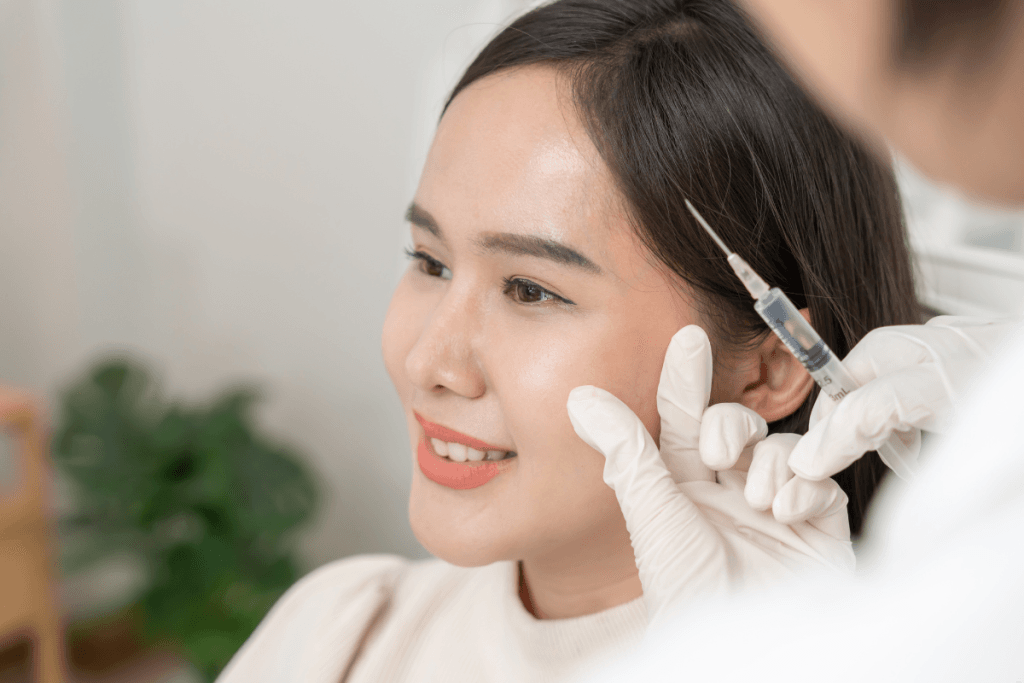
Intradermal injection generally requires the highest level of consent and procedural documentation. Microneedling workflows add device setup, parameter consistency, post-procedure scripts, and device-specific safety checks. Topical or cosmetic support products should not be described as equivalent to injectable procedures, even when similar brand language appears in marketing or patient searches.
| Route | Typical Clinic Goal | Workflow Consideration |
|---|---|---|
| Intradermal injection | Controlled placement for skin-quality goals | Requires detailed consent, aseptic technique, site records, and adverse-event instructions |
| Microneedling-assisted delivery | Broader surface coverage for texture-focused plans | Requires device protocols, parameter records, and clear post-procedure guidance |
| Topical support | Barrier and cosmetic support between procedures | Requires careful language so patients do not expect injectable-level outcomes |
Patients may bring questions from forums, social platforms, or informal reviews. A useful response is to separate three points: what the product is, how it is delivered, and what evidence supports that use. This keeps the conversation factual and prevents route confusion.
For adjacent procedural context, Mesotherapy Injections may help staff discuss superficial injection concepts without implying that all techniques or products are interchangeable.
Patient Selection, Consent, And Expectation Setting
Patient selection should start with the intended endpoint. People asking about Rejuran skin booster injection may mention acne scars, pores, dullness, fine lines, under-eye concerns, or general “glow.” Those are different concerns, and some may require alternative or combination planning.
Contraindications and precautions depend on the exact product, procedure, and local rules. Many clinics use a conservative screening approach that considers active infection, inflamed skin in the treatment area, uncontrolled inflammatory dermatoses, history of serious hypersensitivity, bleeding risk, recent procedures, pregnancy, and breastfeeding status. Your consent form should reflect your medical director’s policy and the product’s documentation.
Under-eye use deserves specific care. The periorbital region has thin skin, visible vessels, and low tolerance for swelling or irregularity. If your clinic offers treatment in delicate areas, document anatomy-related counseling, alternatives discussed, and escalation instructions for concerning symptoms.
Why it matters: Gradual outcomes create more room for misunderstanding if expectations are vague.
Common injection-related events can include temporary redness, swelling, bruising, tenderness, papules, or palpable irregularity. Use plain language during consent and avoid minimizing downtime. Some patients may return to normal activities quickly, while others may have visible marks or swelling that affect scheduling.
Cost and access questions should also be handled carefully. Patients may ask how much Rejuran costs in the US or whether it is legal in the USA. Clinic teams should avoid broad statements. Pricing varies by practice model, geography, treatment plan, and product pathway. Regulatory status depends on the exact product and intended use. Confirm authorization, importation, and professional-use requirements through your compliance process before adding claims to patient materials.
Protocol Planning Without Overpromising Results
A clinic protocol should define the decision process, not just the procedure steps. Before launch, agree on who is eligible, who is deferred, which areas are in scope, how follow-up is scheduled, and what outcomes justify continuing or changing the plan.
Because Rejuran skin booster injection is usually discussed as a gradual skin-quality treatment, your protocol should avoid guaranteed timelines. Instead, define reassessment points. For example, decide when standardized photography will be repeated, which symptoms trigger clinician review, and how staff will document patient-reported changes.
Photography quality is central. Use the same room, lighting, camera distance, facial expression, and background whenever possible. Record makeup status, recent procedures, active skin conditions, and home-care changes. These details help clinicians interpret progress and protect against misleading before-and-after comparisons.
Quick tip: Add route, area, lot number, and photo date to the same charting workflow.
Combination planning needs extra discipline. Skin boosters may be used in practices that also offer devices, fillers, peels, neuromodulators, or platelet-rich plasma. If several interventions occur close together, it becomes harder to attribute improvement or adverse events to one procedure. Build spacing and documentation rules into your internal workflow rather than deciding case by case without a record trail.
Concept-level comparisons can help staff answer common questions. PRP is autologous, meaning it uses the patient’s own blood product and requires collection, processing, and chain-of-custody steps. Manufactured polynucleotide products shift the operational focus toward supplier verification, storage, lot tracking, and product identity checks. Neither description should be presented as a universal recommendation.
Clinic Workflow Controls For Sourcing And Records
Operational readiness is a core part of adding any new injectable category. Map the full process before the first appointment: credential verification, product selection, ordering, receipt, storage, treatment documentation, follow-up, and incident reporting.
MedWholesaleSupplies serves licensed clinics and healthcare professionals through a B2B model, so procurement discussions should stay tied to professional-use requirements. Product identity should be verified through documentation, packaging, lot information, and your receiving process before inventory enters treatment workflows.
Practical procurement and charting checks
- Credential review: confirm account and professional-use requirements.
- Product match: compare name, presentation, lot, and paperwork.
- Receipt record: note date, condition, and responsible staff member.
- Storage review: follow manufacturer instructions and clinic SOPs.
- Lot tracking: link inventory to each patient record.
- Consent template: include route, expectations, alternatives, and escalation steps.
- Periodic audit: reconcile stock, administered products, and chart entries.
Clear terminology prevents errors. Staff should distinguish injectable products from cosmetic ampoules, serums, or post-procedure add-ons. If a patient asks about a “turnover ampoule” or “tone-up booster,” do not assume it is the same as an injectable presentation. Confirm what the term refers to before documenting or counseling.
For related product navigation, clinics may review Rejuran HB and Rejuran I as brand-adjacent listings, while still confirming labeling and allowed use. Practices comparing polynucleotide options may also review the Plinest Injection overview or the Nucleofill Treatment resource for class-level context.
Positioning The Treatment In A Broader Skin-Quality Menu
Skin-quality services often overlap in patient language, even when their mechanisms and workflows differ. Your team should be able to explain why two treatments labeled as “boosters” may not have the same composition, route, consent profile, or expected course.
Useful decision factors include baseline skin condition, tolerance for downtime, treatment area, prior procedures, risk factors, and willingness to return for reassessment. Procurement factors also matter. A product that creates uncertainty around identity, storage, or permitted use should not enter the treatment menu until those questions are resolved.
A neutral comparison framework works better than brand claims. Ask what problem the clinic is trying to solve, what route is appropriate, what documentation is required, and what outcome measures will be used. This approach supports consistent patient communication and reduces pressure on individual staff to improvise answers.
For browsing related professional-use products, the Skin Boosters Product Category can support inventory planning discussions. Treat category pages as navigation tools, not substitutes for clinical protocols or product labeling.
Authoritative Sources
Because “skin booster” is a broad marketing term, clinics should ground policy in official product documentation, regulator guidance, and medical-director standards. These references can help teams use more precise language when discussing injectables and microneedling workflows.
- For US category-level filler safety context, review the FDA dermal filler overview.
- For device-related considerations, review the FDA microneedling device information.
- For broader device regulation context, see the FDA medical devices section.
Before adding Rejuran skin booster injection to a service menu, align patient materials, inventory records, consent forms, and aftercare scripts. The safest workflow is consistent, documented, and specific to the exact product and route used.
This content is for informational purposes only and is not a substitute for professional medical advice.