

- You must be logged in to add items to the cart.
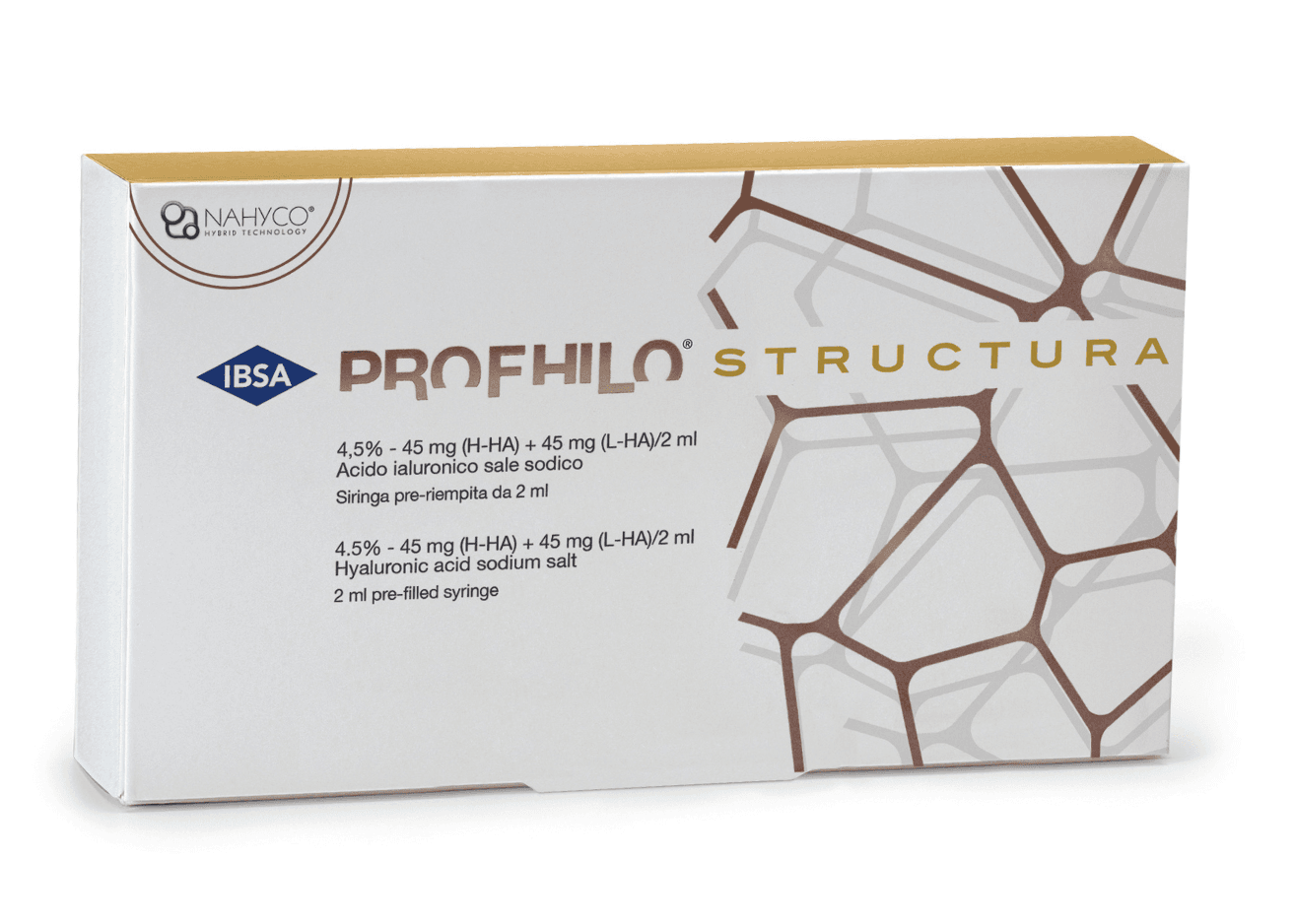
Profhilo Structura
Profhilo Structura Injectable — Professional Use
Dermal Filler
$269.00
Description
Profhilo Structura is a hyaluronic acid–based injectable used in aesthetic practice settings where permitted by local regulation and the manufacturer’s instructions for use (IFU). This page summarizes practical considerations for clinic procurement and day-to-day handling, including packaging, documentation, and safety reminders, shipped from the US. For licensed clinics and healthcare professionals.
Product Overview and Indications
This product is generally positioned within the broader “skin booster” and bioremodeling (skin-quality remodeling) category, which can be used to support visible skin quality concerns such as texture and hydration in appropriately selected patients. Intended use, treatment areas, and technique details can vary by market and should be confirmed against the current IFU supplied with the unit received.
Many clinics compare products in this class through the lens of HA concentration, crosslinking behavior, injection plane, and expected tissue integration. For background on the ingredient category, see Hyaluronic Acid In Aesthetic Medicine. For browsing similar clinic inventory, the Skin Boosters hub and Skin Boosters Guides hub can help with side-by-side planning.
Products are sourced through vetted medical distributors.
Eligibility and Ordering Requirements
Profhilo Structura is supplied for professional use in clinical environments, and account verification is typically required before fulfillment. Common documentation may include active facility licensure, prescriber credentials, and an authorized purchasing contact. Requirements can differ by state, product class, and distributor policy.
Maintain procurement records that support traceability, including invoice retention, lot/serial documentation, and storage logs where applicable. This supports adverse event follow-up and internal audits. To browse related brand items for inventory standardization, use the Profhilo Brand hub.
Why it matters: Clear documentation supports traceability and compliant clinic workflows.
Forms, Strengths, and Packaging for Profhilo Structura
Presentation can differ by region and supply channel, so the most reliable source is the unit-level carton and enclosed IFU. Depending on market configuration, the product may be supplied as a sterile single-use syringe presentation or as a kit format intended for one patient session. Availability of accessories (for example, needles or cannulas) can also vary.
When receiving stock, confirm that packaging is intact, labeling is legible, and the expiry date is acceptable for the clinic’s rotation plan. Record the lot number immediately into the inventory system to reduce transcription errors later.
| What to verify on receipt | Operational note |
|---|---|
| Carton seal integrity | Do not use if compromised. |
| Lot/serial identifiers | Log for traceability and recalls. |
| Expiry date | Apply FEFO inventory rotation. |
| IFU presence | File current version for staff. |
Administration and Use in Practice
In practice, Profhilo Structura should only be administered by trained clinicians using aseptic technique and an anatomy-first approach. Follow the IFU for injection depth, technique pattern, and session structure; clinic staff should avoid extrapolating from other HA injectables because device design and viscosity can differ.
Standard pre-procedure steps typically include a documented medical history review, assessment for skin infection at the planned sites, and a discussion of expected local reactions. Many practices also maintain a written protocol for managing suspected intravascular injection and other urgent events, aligned with local standards of care. For contextual technique discussions, the Profhilo Injections Overview resource can be used as general orientation.
Technique and training considerations
Because injectable aesthetic treatments involve anatomical risk, clinics often standardize staff competencies before adding a new device to the shelf. Training typically covers facial danger zones, aspiration practices where used, recognition of vascular compromise, and escalation pathways. Documentation practices matter as much as technique: charting should include product identifiers, injection sites, and immediate tolerance. Practices that also offer adjunct services may cross-train teams using broader workflow resources like Mesotherapy Injections Overview, while still following the product-specific IFU for any injectable placed.
Storage, Handling, and Clinic Logistics
Store inventory according to the manufacturer’s labeled conditions on the carton and IFU. In the absence of product-specific instructions at the time of ordering, a conservative approach is to keep units in the original packaging, away from direct light, and protected from extreme temperatures until verified. Do not use product that has been exposed to conditions outside the labeled range.
Establish a routine for receiving checks, controlled access, and inventory rotation (FEFO). Separate injectable stock from cleaning chemicals and high-heat equipment areas. Sharps and biohazard disposal supplies should be positioned to support safe post-procedure cleanup without unnecessary handling of the carton.
Quick tip: Log lot numbers at receiving to avoid charting delays later.
Inventory is restricted to verified clinical accounts.
Contraindications, Warnings, and Monitoring
Before using Profhilo Structura, review the IFU for contraindications and precaution statements specific to this product and market authorization. In many HA injectable device categories, contraindications may include hypersensitivity to components, active infection or inflammation at the intended injection site, and situations where elective aesthetic procedures should be deferred. Pregnancy and breastfeeding considerations should be handled per IFU and clinician judgment.
Clinics should also plan for monitoring and response to uncommon but serious complications that can occur with facial injections, including suspected vascular compromise and delayed inflammatory reactions. Monitoring includes immediate post-injection observation as appropriate, clear patient instructions for urgent symptoms, and documented follow-up pathways. For clinic-wide injection safety standardization, see Dermal Filler Safety Protocols.
Adverse Effects and Safety
Common tolerability issues with injectable HA products can include transient injection-site reactions such as redness, swelling, tenderness, bruising, and localized itching. These effects are often self-limited, but they should be documented, especially when they deviate from the expected post-procedure course described in the IFU.
Clinics should educate staff on recognizing and escalating signs that may indicate a more serious event, such as progressive pain, blanching, livedo pattern changes, visual symptoms, or systemic hypersensitivity. Maintain an incident documentation process and ensure appropriate emergency equipment and medications are available per clinic policy. For broader context on complication reporting and clinic communication, reference Potential Side Effects.
Drug Interactions and Cautions
While HA devices are not “drug–drug interaction” products in the classic pharmacology sense, concurrent medications and conditions can influence bruising risk, wound healing, and inflammation. Anticoagulants and antiplatelet agents may increase bruising potential after injections; decisions about holding therapy require the prescriber’s direction and the patient’s medical indication.
Caution is also commonly used when patients have recent procedures in the same area, including energy-based treatments, chemical peels, or surgery, because the local tissue response may be altered. Standardize pre-visit screening questions so staff capture relevant comorbidities and recent interventions. For clinics comparing structural approaches, the Collagen Vs Hyaluronic Acid guide can help frame material differences at a high level.
Compare With Alternatives
When evaluating Profhilo Structura alongside other skin-quality injectables, it can help to compare intended use statements, rheology, and the expected injection plane described in each IFU. Some practices organize options into HA-based boosters, amino-acid or polynucleotide approaches, and collagen-stimulating injectables, then match selection to clinic protocol and patient goals.
Within the same brand family, Profhilo HL 32mg Syringe may be considered when the clinical plan calls for a different HA presentation. In the broader category, Viscoderm Hydrobooster is another HA-based option used by some aesthetic practices. For workflow planning that spans multiple modalities, the Mesotherapy Supplies hub can support browsing adjacent in-clinic treatments.
Availability and Substitutions
If Profhilo Structura is temporarily unavailable, substitutions should be handled as a clinical decision rather than a simple inventory swap. Even within the HA category, products can differ in concentration, crosslinking, and device instructions, which affects technique and counseling. Clinics should avoid substituting based only on naming similarity or supplier convenience.
When a substitute is selected, update standing orders, consent templates, and staff training notes accordingly. Ensure the chart captures the exact product used and its identifiers for traceability. Brand-name products are checked for authenticity and traceability.
Authoritative Sources
Because regulatory status and IFU content can vary by jurisdiction, the most actionable reference is the manufacturer’s current product information packaged with the unit received. Clinics should retain the IFU version associated with each lot in case of later questions about technique, storage conditions, or complaint handling.
The sources below can support general background and safety framing, but they do not replace product-specific instructions. Use them to align clinic policies on injection safety, informed consent, and adverse event escalation.
Manufacturer product information is available on the official Profhilo site: https://www.profhilo.com/.
General dermal filler safety is summarized by the FDA here: https://www.fda.gov/medical-devices/cosmetic-devices/dermal-fillers.
For checkout, select temperature-controlled handling when required and tracked US delivery.
This content is for informational purposes only and is not a substitute for professional medical advice.
Frequently Asked Questions
What is Profhilo Structura used for?
Profhilo Structura is commonly categorized with hyaluronic acid–based injectables used in aesthetic medicine to support skin-quality goals (such as hydration and texture) where permitted by local regulation. The exact intended use, approved indications, and recommended technique depend on the country and the manufacturer’s instructions for use (IFU) provided with the product. Clinics should rely on the current IFU for patient selection criteria, injection approach, and contraindications rather than assuming class-wide equivalence across HA products.
How is a skin booster different from a dermal filler?
The terms can overlap in casual use, but many clinics separate “skin boosters” from traditional volumizing dermal fillers. Skin boosters are often used to improve skin quality parameters like hydration, fine texture, and overall appearance, while classic fillers are typically selected for contouring and volume replacement. The practical difference depends on the specific product’s rheology, intended injection plane, and IFU. Clinicians should choose based on labeled instructions, anatomy considerations, and the patient’s treatment objectives.
What should a clinic verify before stocking this product?
Before stocking any injectable aesthetic product, clinics typically verify account eligibility, required licensure documentation, and internal purchasing authority. On receipt, teams commonly confirm package integrity, expiry date, and lot/serial identifiers and then enter those details into an inventory log for traceability. Storage conditions should match the carton labeling and IFU, and access is often limited to authorized staff. Clinics may also update standing protocols, consent language, and staff training records when adding a new injectable to the formulary.
What side effects should be monitored after hyaluronic acid injections?
After hyaluronic acid injections, clinics commonly monitor for expected short-term local reactions such as redness, swelling, tenderness, bruising, or itching at the injection site. Teams should also have a clear escalation pathway for uncommon but serious concerns, which can include signs of vascular compromise (for example, increasing pain, blanching, mottling, or visual symptoms) or hypersensitivity reactions. Monitoring practices vary by setting, but documentation of symptoms, timing, and response is important. Always follow the product IFU and clinic emergency protocols.
Who should not receive hyaluronic acid injectable treatments?
Contraindications and precautions depend on the specific product IFU and local authorization, but many HA injectable categories advise avoiding treatment in the presence of active infection or inflammation at the planned injection site and in patients with known hypersensitivity to components. Elective aesthetic procedures may also be deferred in certain medical circumstances based on clinician assessment. Pregnancy and breastfeeding considerations should be addressed using the IFU and clinical judgment. Patient selection should include a medical history review and a risk discussion tailored to the individual.
What should patients ask their clinician before treatment?
Patients can ask which product will be used, what the intended treatment goal is (hydration, texture, contouring, or another objective), and what alternatives may be appropriate. They can also ask about common short-term reactions, which symptoms should prompt urgent contact, and how follow-up will be handled. It is reasonable to ask how the clinic documents the product lot number and what safety protocols are in place for managing rare complications. Clinicians should answer using the product’s IFU and the clinic’s established policies.
Specifications
- Main Ingredient: Hyaluronic Acid
- Manufacturer: Merz Pharma
- Drug Class: Aesthetic Surgery Products
- Generic Name: Hyaluronic Acid
- Package Contents: 1 x 2ml prefilled syringe
- Storage Requirements: Room Temperature (2℃~25℃)
- Main Usage: Volume Filler
About the Brand
Profhilo
Profhilo represents a pioneering medical brand that has brought a radical new wave to the aesthetics industry. This inventive solution presents a unique angle on skin revitalization, merging high molecular weight hyaluronic acid, leading to a rejuvenation effect that is maintained for several months. Profhilo is conveniently available for purchase on our online medwholesalesupplies.com platform, providing an easy access point for healthcare professionals wanting to offer their patients the top-tier in skin rejuvenation. A compelling advantage of acquiring Profhilo through our medwholesalesupplies.com platform is the dependability and veracity of the product. As a respected medical supply distributor, we ensure every product in our portfolio is procured directly from the original manufacturer, ensuring its excellence and efficacy. This is notably critical in aesthetics and skin revitalization, as consumers are counting on their healthcare providers to deliver secure and trustworthy treatments. Moreover, procuring Profhilo through our platform provides healthcare professionals with a smooth and streamlined order process. Our user-friendly webpage facilitates swift and efficient orders, with myriad payment options at your disposal. As such, healthcare professionals can effortlessly maintain a stock of Profhilo, ready for immediate use on their patients, guaranteeing patient gratification and repeat clientele. Discover the transformative effects of Profhilo treatment at Med Wholesale Supplies. Whether you're looking for Profhilo injections in the USA or want to understand the cost of Profhilo, we provide comprehensive information to help you make the best choices for your practice. Profhilo is an advanced skin rejuvenation solution that offers deep hydration and natural-looking results. Trust Med Wholesale Supplies for high-quality Profhilo products and expert insights to elevate your cosmetic treatments.
Browse Profhilo Products
Here to help
Questions about ordering, delivery or products? You can email our team here or call now at 1-800-630-9757 and be connected with your dedicated Account Manager
Related Products
NEAUVIA™ ORGANIC INTENSE LIPS
Dermal Filler
$73.00 - $79.00
RejuvaNAD+
Injectable Medication
$237.00 - $249.00
$85.00 - $89.00
$95.00 - $99.00
Related Articles
What Are The Two Layers Of The Dermis In Clinical Context
Key Takeaways Two-layer model: Papillary (superficial) and reticular (deep) dermis differ in structure and function.…
Side Effects of Juvederm: What Clinics Should Monitor
Key Takeaways Expect predictable reactions like swelling, redness, and bruising. Screen and document consistently to…
Types Of Dermal Fillers: A Practical Selection Guide
Key Takeaways Classify first: Group products by material, longevity, and mechanism. Match to indication: Align…
What Are The Side Effects Of Infusion For Osteoporosis Explained
Key Takeaways Expect acute reactions: Flu-like symptoms are common early. Screen key risks: Renal function…
Biorepeel Chemical Peel Clinical Workflow and Safety Essentials
Key Takeaways For busy aesthetic teams, the biorepeel chemical peel is often considered for texture,…
Teosyal Filler Clinical Overview for Aesthetic Clinic Teams
Key Takeaways Teosyal filler is a hyaluronic acid (HA, a water-binding sugar found in skin)…
Osteoporosis New Treatment Options: Clinic Overview
Key Takeaways Define “new” clearly: Separate new drugs, new sequencing, and updated safety language. Match…
Side Effects of Calcium Infusion Monitoring and Safety Steps
Key Takeaways This page reviews side effects of calcium infusion in monitored clinical settings. It…