
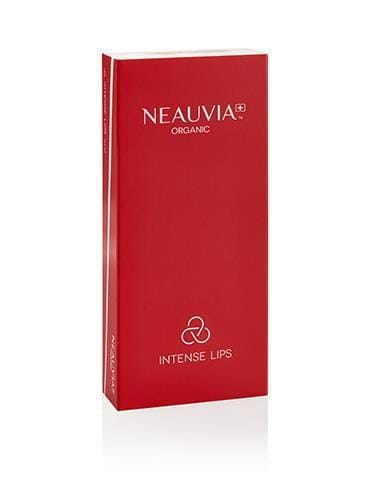
NEAUVIA™ ORGANIC INTENSE LIPS
Order NEAUVIA™ ORGANIC INTENSE LIPS for Clinics
Dermal Filler
$79.00
You save
Description
NEAUVIA™ ORGANIC INTENSE LIPS is an injectable hyaluronic acid dermal filler used in aesthetic practice for lip contouring, definition, and volume support. Licensed clinics, med spas, and healthcare professionals can order NEAUVIA™ ORGANIC INTENSE LIPS for professional treatment-room use, with receiving records, lot tracking, sterile handling, and storage checks built into clinic workflow. The product should be selected, stored, prepared, and used according to the manufacturer’s instructions for use and applicable professional standards.
This professional lip filler is part of the Neauvia Organic range and is intended for trained injectors working in the perioral region. Because lips are highly vascular and mobile, product selection should account for injector training, treatment goals, anatomy, patient screening, and documented follow-up protocols. Clinics should confirm the presentation, accessories, lot, expiry, and labeling on receipt before adding any unit to active inventory.
Product Use and Ordering Context for Clinics
NEAUVIA™ ORGANIC INTENSE LIPS is a cross-linked hyaluronic acid filler used for soft-tissue augmentation in the lip and perioral area, as described by product labeling and professional directions. In practice, clinics may use this class of HA gel to support lip border definition, contour correction, and volume restoration when the treating professional determines that filler treatment is appropriate. It is not a consumer self-use product and should be administered only by qualified professionals with relevant anatomy and complication-management training.
Professional accounts should maintain facility details, responsible clinical oversight, and receiving records that support traceability. Typical ordering workflow includes confirming the exact item name, reconciling lot and expiry information at delivery, and storing the product in a controlled area with access limited to authorized staff. For broader inventory planning across HA injectables, the dermal fillers category helps clinics browse related filler lines without mixing treatment protocols.
Quick tip: Use one receiving checklist for filler cartons, sterile barriers, lot numbers, expiry dates, and IFU presence.
Price, Quantity Selection, and Stock Planning
Clinics can view current NEAUVIA™ ORGANIC INTENSE LIPS price information during ordering and align quantity with scheduled procedures, routine restocking, and expiry rotation. Avoid purchasing based only on anticipated aesthetic trends; lip filler inventory should match injector demand, consultation volume, and the clinic’s capacity to document every unit used. If multiple Neauvia products are stocked, separate them clearly so treatment-room staff do not confuse lip-focused filler with products intended for other soft-tissue goals.
Pack configuration and included accessories can vary by market and distributor, so verify the carton and IFU before planning treatment sessions around a specific syringe, needle, or cannula setup. Do not assume that a keyword, supplier shorthand, or prior purchase confirms the same configuration for a new lot. Receiving staff should compare the product name on the outer carton with the purchase record, inspect package integrity, and keep the IFU accessible to the clinical team.
For education on how lip filler selection may differ by gel behavior, treatment goal, and clinic preference, the article on types of lip fillers can support staff discussion while the official IFU remains the controlling document for this product.
Packaging, Documentation, and Receipt Checks
NEAUVIA™ ORGANIC INTENSE LIPS is typically handled as a sterile, single-use injectable product. Before stocking, clinics should verify that the outer carton is intact, labeling is legible, and sterile components remain sealed. Any unit with leakage, cracks, damaged packaging, unclear lot details, or questionable storage exposure should be segregated from active inventory and reviewed according to clinic policy.
Documentation should connect the purchase record, receiving log, treatment note, and any adverse-event follow-up. At minimum, clinics commonly capture product name, lot number, expiry date, treatment date, anatomical area, injector, and patient chart reference. This traceability supports post-market safety communication, internal audits, and timely review if a product quality question arises.
| Packaging or record | Clinic action |
|---|---|
| Outer carton | Verify product name, lot, expiry, storage symbols, and tamper features. |
| Prefilled syringe or primary unit | Inspect for visible damage, leakage, or label mismatch. |
| Sterile accessories | Confirm sterile barrier integrity and compatibility stated in the IFU. |
| Instructions for use | Keep the current IFU available for injector review and staff training. |
| Receiving log | Record date received, quantity, lot, expiry, and any discrepancy. |
Clinics standardizing a broader Neauvia portfolio may also evaluate adjacent products such as Neauvia Organic Intense or Neauvia Organic Intense Rheology, while keeping each product’s labeled use, handling, and injection protocol separate.
Professional Administration and Treatment-Room Fit
Administration should be limited to trained injectors using aseptic technique and anatomy-informed planning. Prior to use, the treating professional should complete patient screening, obtain informed consent, evaluate prior filler history, and review product-specific contraindications and cautions. The product should not be mixed, re-sterilized, or reused unless the IFU specifically allows the step; single-use components should be discarded according to clinical waste procedures.
Lip filler treatment requires careful clinical judgment because the area has dense vascular supply, visible movement, and high patient sensitivity to asymmetry or swelling. Technique choices, including entry points, depth, sequence, and volume placement, must be individualized by the injector. Staff should avoid giving nonclinical instructions that substitute for professional assessment, especially when post-procedure symptoms are unusual or worsening.
Operationally, NEAUVIA™ ORGANIC INTENSE LIPS fits best in clinics that already maintain filler consent templates, post-procedure monitoring instructions, emergency escalation pathways, and lot-level charting. For treatment-planning context beyond a single product, lip augmentation product selection offers background that can inform internal education without replacing hands-on training.
Scope of technique information
This content intentionally stays at a high level. It does not provide injection technique instructions, dosing guidance, or individualized treatment endpoints. Clinics should rely on manufacturer materials, formal training, anatomical education, and local standards of care for procedure-specific decisions.
Storage, Handling, and US Distribution Logistics
Store NEAUVIA™ ORGANIC INTENSE LIPS according to the IFU and the storage symbols printed on the carton. In general, filler inventory should be protected from freezing, excessive heat, physical damage, and unnecessary handling. Keeping units in original packaging helps preserve labeling, protects sterile barriers, and supports quick lot reconciliation before procedures.
Use FEFO rotation, meaning first-expired, first-out, so older inventory is used before later-expiring units. Expired products should be removed from treatment-room stock and handled under clinic policy. Staff should document any suspected temperature excursion, crushed carton, or compromised sterile barrier before the unit reaches the procedure room.
MedWholesaleSupplies supplies professional medical products for licensed clinic accounts through vetted distribution channels. Orders may use temperature-controlled handling when required and tracked US delivery, supporting reliable US logistics for practices that need organized receiving and inventory documentation.
Why it matters: Consistent storage and traceability records make product quality questions easier to investigate.
Contraindications, Warnings, and Monitoring
Contraindications and warnings for HA dermal fillers vary by product labeling, so the current IFU should be reviewed before treatment. Common exclusion factors may include active infection or inflammation at the planned injection site, known hypersensitivity to product components, or clinical circumstances where the injector determines that procedural risk outweighs benefit. Recent procedures, prior filler placement, immune conditions, and healing concerns should be captured during intake and reviewed by the treating professional.
Vascular compromise is a serious filler risk and is especially important in lip and perioral treatment. Staff should know how to escalate symptoms such as disproportionate pain, blanching, livedo-like discoloration, skin coolness, tissue changes, or visual symptoms. Clinics should maintain an emergency protocol, appropriate supplies under clinician direction, and clear documentation steps for suspected urgent events.
Expected local reactions may include swelling, bruising, tenderness, erythema, firmness, and temporary asymmetry during early healing. Delayed nodules, inflammatory reactions, infection, migration, tissue necrosis, or visual changes require clinical assessment. Patients should receive instructions that identify when to contact the clinic, and staff should route concerning calls promptly to the treating professional.
Interactions and Procedure-Timing Cautions
Dermal fillers are implanted medical devices rather than systemic drugs, but medications and supplements can affect procedural risk. Anticoagulants, antiplatelet medicines, and some supplements may increase bruising or hematoma risk. Immunosuppression, active inflammatory conditions, or recent infection can also influence healing and should be considered during professional screening.
Scheduling matters when fillers are used alongside energy-based devices, peels, dental work, or other invasive procedures. Treatments performed too close together may increase irritation or make adverse-event assessment more difficult. Clinics should document recent and planned procedures so staff can triage symptoms consistently and avoid confusing expected recovery with a complication.
For broader aesthetic workflow planning, lip augmentation and dermal filler technique considerations can help teams discuss procedure-room organization, consent language, and follow-up responsibilities at a general level.
How It Compares With Related Neauvia Fillers
NEAUVIA™ ORGANIC INTENSE LIPS is positioned for lip-focused augmentation and contouring, while other fillers in the same brand family may be selected for different tissue depths, handling preferences, or aesthetic goals. Product comparison should be based on the IFU, gel characteristics described by the manufacturer, injector familiarity, and the clinic’s protocol. Do not substitute one filler for another solely because both contain hyaluronic acid.
When comparing products, consider the intended treatment area, accessory configuration, storage requirements, and how staff will chart the product in patient records. A change in filler can also change post-procedure counseling, follow-up expectations, and emergency documentation language. Clinics that stock multiple fillers should label bins and treatment-room trays clearly to reduce selection errors.
Related Neauvia products include Neauvia Organic Intense LV, Neauvia Organic Intense Rose, and Neauvia Organic Intense Flux. These products should be evaluated as separate professional-use items, not automatic replacements for a lip augmentation filler.
Clinic Education and Filler Portfolio Decisions
There is no single highest-rated lip filler for every clinic or every patient profile. A suitable choice depends on the treatment objective, injector technique, desired tissue behavior, patient anatomy, prior filler history, and the practice’s complication-management readiness. Clinics should avoid ranking fillers by marketing claims alone and instead use manufacturer labeling, clinical training, and documented outcomes from their own professional practice.
Neauvia fillers are hyaluronic acid-based dermal fillers; separate Neauvia products may have different intended uses and handling characteristics. Questions such as whether a Neauvia product is a stimulator or a filler should be answered by the exact product name and IFU, not by the brand family alone. For staff education on the broader line, Neauvia filler treatment context can support internal review.
Practices building a lip-service menu may also benefit from category-level education on product selection, patient communication, and realistic treatment goals. The article on lip filler treatment choices can support non-procedural discussion, while clinical decisions must remain with trained professionals.
Availability, Substitutions, and Change Control
NEAUVIA™ ORGANIC INTENSE LIPS can be ordered by licensed professional accounts for clinic inventory. Because medical aesthetic inventory may be affected by distributor allocations, lot changes, and packaging updates, practices should plan restocking ahead of scheduled treatment days. If continuity with a specific lot or labeling version matters for internal protocols, the receiving team should reconcile that need when the shipment arrives.
Substitutions should be controlled and documented. If a comparable HA filler is considered, the clinic should verify intended use, IFU differences, accessory setup, storage needs, and staff familiarity before accepting it into active stock. Internal change-control notes help prevent confusion during charting, follow-up calls, and adverse-event review.
Authoritative Sources
Dermal filler safety information should be grounded in the current IFU, manufacturer materials, and regulatory risk communications. Regulatory status can differ by country and product, so clinics should not assume that one market’s clearance, approval, or labeling applies everywhere. The treating professional remains responsible for using the current product documentation and local professional standards.
- For US regulator safety information on dermal fillers: FDA dermal fillers safety information
- For manufacturer product context: Neauvia Intense Lips manufacturer information
This content is for informational purposes only and is not a substitute for professional medical advice.
Frequently Asked Questions
Who can order NEAUVIA™ ORGANIC INTENSE LIPS?
NEAUVIA™ ORGANIC INTENSE LIPS is intended for licensed clinics, med spas, and healthcare professionals using dermal fillers in a professional setting. Account and facility documentation may be requested before purchase for professional-use distribution controls.
What is NEAUVIA™ ORGANIC INTENSE LIPS used for in aesthetic practice?
It is a hyaluronic acid dermal filler used by trained injectors for lip augmentation, contouring, and volume support in the perioral region, according to product labeling and the clinician’s training. It is not intended for self-administration.
How should clinics store NEAUVIA™ ORGANIC INTENSE LIPS?
Store it according to the IFU and carton storage symbols. Keep units in original packaging, protect them from freezing, excessive heat, and physical damage, and rotate stock by expiry date.
Is Neauvia filler FDA approved?
Regulatory status can differ by product and country. Clinics should verify the current status for the exact Neauvia product being purchased and rely on the IFU, manufacturer information, and local regulatory guidance before clinical use.
Is NEAUVIA™ ORGANIC INTENSE LIPS safe?
Safety depends on proper product selection, patient screening, sterile handling, injector training, and rapid complication management. Common reactions can include swelling, bruising, tenderness, redness, and firmness; serious risks such as vascular compromise require urgent professional assessment.
Can another HA filler be substituted for NEAUVIA™ ORGANIC INTENSE LIPS?
Substitution should be a documented clinical and inventory decision. Clinics should compare the IFU, intended treatment area, accessory configuration, storage requirements, and injector familiarity before replacing one HA filler with another.
Specifications
- Main Ingredient: Hyaluronic Acid And Lidocaine
- Manufacturer: Matex Lab
- Drug Class: Cosmetic Injectable, Dermal Filler
- Generic Name: Hyaluronic Acid
- Package Contents: 1 ml
- Storage Requirements: Room Temperature (2℃~25℃)
- Main Usage: Lip Filler
Here to help
Questions about ordering, delivery or products? You can email our team here or call now at 1-800-630-9757 and be connected with your dedicated Account Manager
Related Products
Prolia® (International English)
Prescription Medication
$529.00 - $549.00
You save
You save
Evenity® (English Alternative)
Injectable Medication
$1,229.00 - $1,299.00
You save
You save
Intraline® For Men
Dermal Filler
$59.00 - $79.00
You save
You save
RejuvaNAD+ Pro
Injectable Medication
$237.00 - $249.00
You save
You save
Related Articles
Prednisone in Clinical Care: Uses, Risks, and Monitoring
Prednisone is a prescription systemic corticosteroid used to reduce inflammation or suppress immune activity in…
Lip Fillers Swelling Stages: Timeline, Safety, and Follow-Up
Lip fillers swelling stages usually follow a short inflammatory course: swelling appears soon after injection,…
Hypopigmentation of the Skin: Assessment and Care
Hypopigmentation of the skin means one or more areas look lighter than the surrounding skin.…
Radiesse vs Sculptra: Selection Factors for Clinics
Radiesse vs Sculptra is best understood as a comparison between two collagen-stimulating injectables with different…
Hyaluronic Acid Under-Eye Filler: Safety and Workflow
Hyaluronic acid under-eye filler is an injectable soft-tissue filler used by trained aesthetic clinicians to…
Dermal Filler Types: Materials, Uses, and Clinic Fit
Dermal filler types are usually grouped by their base material, tissue behavior, and expected role…
What Is Dysport? Clinical Uses, Safety, and Workflow
For clinic teams asking what is Dysport, the short answer is simple: Dysport is a…
Biostimulators in Aesthetic Care: Selection and Safety
Biostimulators are injectable aesthetic products used to encourage a controlled tissue response, often involving new…