
A biorepeel chemical peel is a professional chemical peel service that clinics should manage through clear screening, protocol discipline, and documented aftercare. The brand name may shape patient expectations, but the safety work remains the same: assess skin risk, confirm suitability, follow the product instructions for use, and record the treatment consistently.
Why this matters: many patients arrive with claims about “no downtime” or “before and after” results from social media. Licensed teams need a more careful framework. That framework should separate marketing language from clinical decision-making, especially for pigment risk, barrier impairment, acne activity, and recent procedures.
Key Takeaways
- Define the peel goal: clarify whether the plan targets texture, tone, congestion, or overall radiance.
- Screen before treating: review barrier status, pigment history, medications, allergies, and recent procedures.
- Manage expectations: explain that redness, tightness, flaking, and sensitivity can still occur.
- Standardize records: use consistent photos, lot tracking, consent language, and aftercare instructions.
- Sequence carefully: space peels around devices, injectables, and other exfoliating treatments.
What This Peel Is and Where It Fits
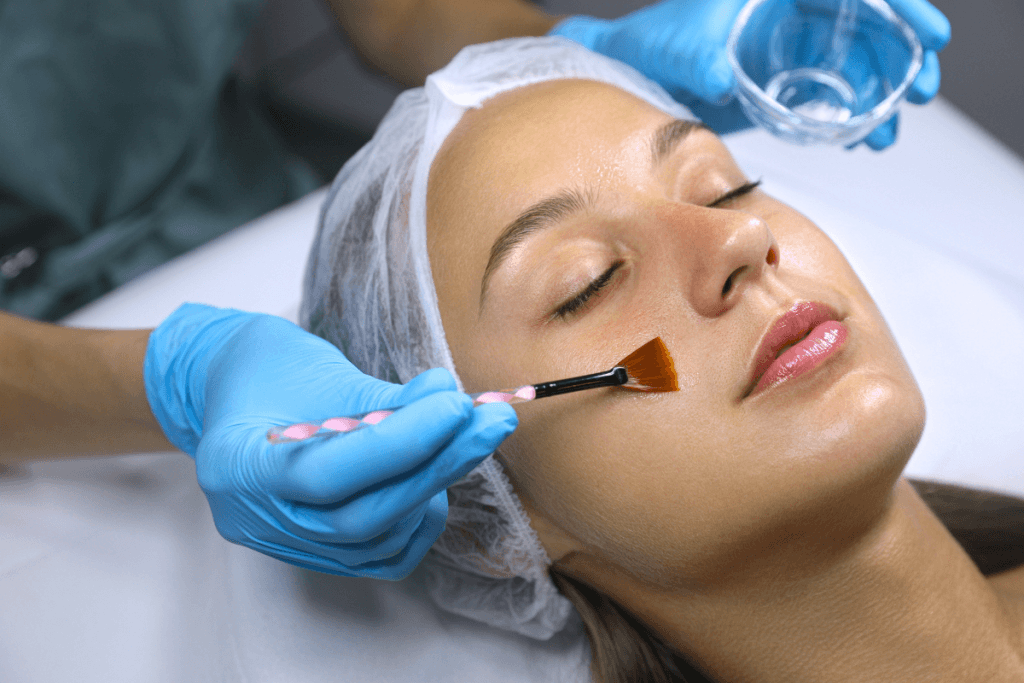
A biorepeel chemical peel is commonly described as a branded, clinic-applied peel system. In practice, clinics should evaluate it as part of the wider chemical peel category rather than as a separate treatment class. That means reviewing the manufacturer protocol, expected tissue response, contraindications, and aftercare requirements before adding it to a service menu.
Chemical peels use acids or related agents to create controlled exfoliation. Depending on the formulation and application method, a peel may act mainly on the stratum corneum, which is the outermost skin layer, or reach deeper epidermal structures. Some branded systems also use multi-component formulations that combine peeling agents with supportive ingredients. Exact composition, concentration, and use instructions can vary by region and product line, so clinics should verify current manufacturer documentation before building internal templates.
The most useful clinic question is not whether one branded peel is “better” than a chemical peel. It is already a chemical peel. A safer comparison asks how intense the protocol is, what reactions are expected, how aftercare is handled, and which patients need additional review before treatment.
For broader peel context, your team can compare this page with Chemical Peels, which covers the category at a higher level. Clinics focused on pigmentation pathways may also find Chemical Peel For Hyperpigmentation useful when planning conservative education language.
Patient Selection and Pre-Treatment Screening
Patient selection starts with current skin condition, not the peel name. Before offering a biorepeel chemical peel, clinics should document whether the treatment area has active dermatitis, infection, open lesions, sunburn, recent irritation, or impaired barrier function. These factors can change risk more than the brand label itself.
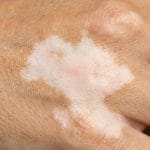
Screening should also capture pigment risk. Post-inflammatory hyperpigmentation, or PIH, means dark marks that appear after inflammation or irritation. It can occur after acne, procedures, burns, or excessive exfoliation. Higher Fitzpatrick skin types, previous PIH, recent inflammatory acne, and poor sun protection habits may all influence how conservative the plan should be.
Medication and topical history needs direct prompts. Ask about prescription retinoids, over-the-counter retinol products, exfoliating acids, acne therapies, photosensitizing drugs, anticoagulants, immune-modifying medicines, and known contact allergies. Do not rely on a general “any medications?” question. Patients often forget to mention topical products unless the intake form names them.
Contraindication policies should sit under medical governance. Common review points include pregnancy or lactation considerations, poor wound healing history, active infection, uncontrolled inflammatory dermatoses, keloid or hypertrophic scar history, and recent aesthetic procedures. Local scope rules and medical director protocols should define which findings are hard stops and which require clinician review.
Quick tip: Add a “recent skin stressors” field to your intake form, including sun exposure, waxing, laser, needling, and new home actives.
Expected Reactions, Downtime, and Safety Language
Downtime varies because peel response depends on formulation, skin biology, preparation, and post-care adherence. For a biorepeel chemical peel, avoid promising “no peeling” or “no downtime” as a universal outcome. A more accurate clinic script is that reactions can range from mild tightness and redness to visible flaking, sensitivity, dryness, or temporary swelling.
Most routine post-peel effects are local and self-limited, but teams should still define escalation criteria. Concerning findings may include severe pain, spreading redness, blistering, signs of infection, unexpected swelling, eye exposure, or symptoms that do not follow the expected course. Patients should receive a clear contact pathway and instructions on when to seek urgent medical review.
Aftercare language should be simple and written. Typical clinic instructions often include avoiding unnecessary exfoliation, protecting the barrier, and following sun protection guidance. However, the exact plan should match the product instructions for use and the supervising clinician’s protocol. Avoid adding active products or aggressive regimens unless they are part of your approved pathway.
For neutral background on peel risks and recovery framing, see DermNet NZ on chemical peels. The resource supports general counseling around peel depth, side effects, and post-procedure care.
Documentation Standards for Consistent Outcomes
Good documentation makes peel services safer and easier to audit. At minimum, the chart should show the indication, skin assessment, consent, product used, lot number, expiry date, treatment area, application details, observed endpoints, aftercare provided, and follow-up plan. If a reaction occurs, the record should also capture timing, photos, patient contact, and escalation steps.
Photography deserves its own standard. Use consistent lighting, angles, distance, camera settings, and facial expression. For pigmentation, acne, and texture concerns, repeatable photos are more useful than dramatic images taken under different conditions. They also help the team compare response across sessions without relying on memory.
If your clinic publishes or stores “before and after” material, consent should be specific. Separate clinical documentation consent from marketing consent. Patients may agree to treatment photos for their medical record while declining promotional use. Keep privacy practices aligned with your jurisdiction and facility policy.
For BioRePeel-specific visual planning, BioRePeel Before And After offers related context on outcome tracking and expectation setting. It should not replace your own consent standards or photo policy.
Clinic Workflow Snapshot
A written workflow reduces variation between providers. It also helps new staff understand what must happen before, during, and after a peel appointment. Keep the process simple enough to use during a busy clinic day.
- Verify suitability: confirm indication, skin status, contraindications, and recent procedures.
- Document baseline: record concerns, Fitzpatrick type, PIH history, photos, and current regimen.
- Confirm product details: check product identity, expiry, lot number, and storage condition.
- Prepare consistently: follow approved cleansing, degreasing, and protection steps.
- Monitor endpoints: watch for expected erythema, discomfort, frosting, or irritation patterns per protocol.
- Provide aftercare: give written instructions and a clear contact route.
- Record follow-up: log response, adverse events, photos, and any plan changes.
Inventory control is part of the workflow. Store professional peel products according to manufacturer labeling, track expiry dates, and document lot numbers in the treatment record when required by clinic policy. MedWholesaleSupplies serves licensed clinics and healthcare professionals, with brand-name medical products sourced through vetted distribution channels. That service model supports procurement planning, but each clinic remains responsible for local governance and treatment decisions.
When building a wider skincare supply pathway, the Clinical Skincare category can help teams browse related professional skincare content and product-adjacent resources.
How to Compare It With Other Skin Treatments
Comparison discussions should focus on mechanism, risk, recovery expectations, and documentation burden. Patients may ask about “BioRePeel versus traditional peels,” “BioRePeel versus microneedling,” or “BioRePeel versus facials.” The safest response is to translate those questions into clinical decision factors.
Traditional acid peels vary widely by ingredient, concentration, application technique, and intended depth. A superficial peel does not carry the same recovery profile as a stronger TCA-based protocol. Microneedling uses controlled mechanical micro-injury rather than chemical exfoliation, so infection control, device settings, and post-procedure erythema become key workflow concerns. Hydrating facials or extraction-based treatments may feel less procedural, but they still require screening when the barrier is compromised.
For clinics comparing professional peel systems, the PRX-T33 Peel Protocol resource offers another workflow-oriented reference. Teams reviewing product families can also use Mediderma Peel Products for broader professional skincare context.
One practical comparison point is aftercare burden. Some patients are willing to follow strict post-peel instructions; others may not avoid sun exposure, exfoliants, or makeup as directed. That behavior matters. A lower-intensity option may be safer for a patient who cannot follow recovery guidance, even if the visible concern seems suited to a stronger peel.
Clinics that stock exfoliating adjuncts should keep service planning separate from retail or backbar product decisions. For example, Argipeel Exfoliating Gel may be relevant to professional skincare browsing, but product use should follow its own labeling and clinic policy rather than being assumed as part of a branded peel pathway.
Access, Cost Context, and Professional Boundaries
Cost questions are common, but clinic teams should handle them with care. Professional pricing depends on supplier terms, credentialing requirements, product configuration, staff time, facility overhead, and follow-up policy. Avoid quoting broad online figures as if they apply to every practice.
Access also needs a professional boundary. A biorepeel chemical peel should not be framed as an at-home procedure when the product is intended for trained use. Clinics should reinforce that peel selection, application, and complication management require appropriate training and oversight. This protects patients and reduces the chance that marketing claims replace risk screening.
Procurement teams should confirm licensing requirements, supplier verification steps, storage expectations, and product traceability before adding any professional peel line. If policies differ across locations, create one internal checklist that sets the minimum standard for receiving, storing, using, and documenting peel inventory.
Authoritative Sources
Use independent medical references alongside manufacturer materials. These sources can support neutral counseling on chemical peel categories, expected reactions, and safety considerations.
In summary, treat branded peel services as protocol-dependent clinical workflows. Define patient selection criteria, use conservative safety language, document product and response details, and keep aftercare instructions consistent across providers.
This content is for informational purposes only and is not a substitute for professional medical advice.