
A chemical peel for hyperpigmentation may help selected pigment concerns when the discoloration is superficial, the skin barrier is stable, and aftercare is realistic. It is not a single-treatment answer for every dark spot. Clinic teams need to match peel depth to pigment pattern, Fitzpatrick skin type, current inflammation, and recurrence risk before choosing an acid or protocol.
Why it matters: The safest peel is often the one that creates controlled improvement without unnecessary inflammation.
Key Takeaways
- Match depth to diagnosis, not marketing language.
- Start conservatively when skin is pigment-prone or reactive.
- Control active acne, dermatitis, and irritation before peeling.
- Counsel carefully on recurrence, especially with melasma.
- Standardize photos, consent, aftercare, and follow-up before escalation.
This briefing is intended for licensed clinics and healthcare professionals reviewing chemical peel patient selection, safety, and workflow planning.
Where a Chemical Peel for Hyperpigmentation Fits
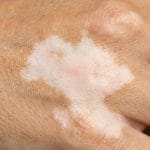
A chemical peel for hyperpigmentation fits best when excess pigment is mainly epidermal, meaning it sits in the upper skin layer. That pattern may include some post-inflammatory hyperpigmentation, post-acne marks, and selected sun-related lentigines. Results become less predictable when pigment is dermal, mixed-depth, hormonally influenced, or maintained by ongoing triggers.
Hyperpigmentation is a broad clinical description, not a diagnosis. Melasma, solar lentigines, post-inflammatory hyperpigmentation, and pigment from friction or dermatitis behave differently. A chemical peel for dark spots may be reasonable in one case and poorly timed in another. The first task is to decide whether the lesion pattern is cosmetic, inflammatory, medication-related, hormonally driven, or suspicious enough to need medical evaluation.
Melasma deserves special caution. A chemical peel for melasma may support a broader program, but melasma is chronic and relapse-prone. Heat, ultraviolet exposure, visible light, pregnancy-related hormonal shifts, irritation, and aggressive home care may all worsen control. Clinic teams should avoid presenting peeling as permanent removal.
Post-inflammatory hyperpigmentation also needs context. A chemical peel for post-inflammatory hyperpigmentation is more defensible after the trigger has settled. If acne, picking, eczema, folliculitis, or irritant dermatitis remains active, the peel can add inflammation and deepen pigment risk. In acne-prone presentations, the plan may need acne control first, then pigment-focused treatment.
For teams building pigment services within a wider aesthetic plan, related clinical skincare pathways can help organize supportive products, barrier care, and procedure preparation. The Clinical Skincare category is a useful browsing point for clinic inventory planning, while treatment-specific pages such as Mediderma Peel Products can support staff education around professional peel ranges.
Selection Factors That Should Drive Peel Choice
The best chemical peel for hyperpigmentation is the one that matches the pigment type, skin response, and risk tolerance. Stronger is not automatically better. In pigment-prone skin, a predictable superficial series may be safer than one aggressive session.
Pigment Pattern and Depth
Epidermal pigment usually responds more predictably than dermal pigment. Brown macules left after acne, minor inflammation, or superficial injury may be more suitable than gray-brown or blue-gray pigment that suggests deeper involvement. Mixed cases can still be treated, but expectations should be conservative.
Clinics should also separate pigment from redness, texture, scarring, and vascular change. A patient may describe every mark as a dark spot, but the exam may show acne scarring, post-inflammatory erythema, enlarged pores, or photodamage. That distinction changes the treatment conversation and reduces overpromising.
Fitzpatrick Skin Type and Reactivity
Fitzpatrick skin type describes how skin tends to respond to ultraviolet exposure. It does not define ethnicity or eligibility, but it helps estimate pigment risk. Higher Fitzpatrick types can be treated with chemical peels, yet the margin for excessive inflammation may be smaller.
Barrier status matters just as much. Recent retinoid irritation, over-exfoliation, waxing, dermatitis, sunburn, or harsh brightening products can increase sensitivity. A chemical peel consultation for hyperpigmentation should ask about topical routines in detail, not just medication history.
Contraindications and Deferral Triggers
Some patients are not good candidates on the day of consultation. Active infection, open lesions, recent tanning, uncontrolled inflammatory dermatoses, delayed healing history, abnormal scarring history, and poor aftercare reliability all warrant caution. Atypical, changing, bleeding, or irregular pigmented lesions should be medically assessed before cosmetic peeling.
Quick tip: Document recent sun exposure, active topicals, prior pigment flares, and scarring history before selecting peel depth.
Types of Chemical Peels Used for Pigment Concerns
Types of chemical peels for hyperpigmentation are usually grouped by depth and acid family. Formulation, concentration, pH, application time, skin preparation, and endpoint monitoring all influence clinical behavior. The acid name alone does not tell the whole story.
| Peel category | Potential clinic use | Main caution |
|---|---|---|
| Glycolic or lactic acid | Diffuse tone concerns and superficial epidermal pigment when lower downtime is preferred | Overuse may irritate a weak barrier or reactive skin |
| Mandelic or salicylic acid | Oily or acne-prone skin with post-acne marks, when inflammation is controlled | Active breakouts and picking can reduce predictability |
| Jessner or blended superficial peels | Selected pigment and texture concerns under structured protocols | Cumulative irritation can rise with aggressive home exfoliation |
| TCA and medium-depth approaches | Selected resistant epidermal lesions in experienced hands | Downtime, demarcation, scarring, and dyspigmentation risk are higher |
A glycolic acid peel for hyperpigmentation is often discussed differently from a salicylic or mandelic approach. Glycolic and lactic acid may suit diffuse tone concerns, while salicylic and mandelic options may fit oily or acne-prone skin in selected cases. A TCA peel for hyperpigmentation is not simply a stronger version of a light peel; it changes the recovery profile and safety conversation.
A superficial chemical peel for hyperpigmentation often fits first-line clinic workflows because it can be staged, monitored, and adjusted. Medium-depth peels may have a role, but they require tighter selection and more detailed downtime counseling. The decision should account for pigment history, social downtime, occupational sun exposure, and follow-up access.
Teams reviewing peel platforms can compare how different systems approach depth, prep, and aftercare. The BioRePeel Chemical Peel resource covers workflow and safety essentials, while PRX-T33 Peel Protocol provides another clinic-facing example of protocol-driven planning. These pages should support, not replace, local scope rules and professional judgment.
Risks, Side Effects, and Pigment Rebound
Chemical peel risks for hyperpigmentation include both expected reactions and less common complications. Expected short-term effects may include stinging, redness, dryness, tightness, flaking, and temporary sensitivity. More serious concerns include prolonged erythema, blistering, infection, scarring, hypopigmentation, and worsening hyperpigmentation.
Post-peel hyperpigmentation risk rises when the peel causes excessive inflammation or when aftercare fails. Sun exposure, heat, picking, premature exfoliation, and early return to irritating actives may all worsen pigment-prone skin. Recent tanning is especially important because it signals active melanocyte stimulation, which can make the response less predictable.
Melasma is one of the more difficult pigment indications. Initial lightening does not prove durable control. A peel may improve appearance temporarily, yet the condition can recur with heat, light, hormonal triggers, or irritation. Clinics should frame treatment as management rather than cure.
Side effects of chemical peel on face also vary by depth. Light peels generally create shorter recovery and milder visible peeling. Deeper approaches can cause more swelling, crusting, downtime, and demarcation risk. Teams should avoid generic promises about being back to normal quickly, especially for first-time peel patients or those with a history of pigment flare.
Escalation language should be written into aftercare. Increasing pain, expanding redness, drainage, crusting, blistering, fever, delayed healing, or rapidly darkening patches need prompt professional review. Normal dryness and flaking should not be confused with warning signs.
What to Expect Before, During, and After Treatment
A chemical peel what to expect discussion should start before the procedure day. The consultation should confirm diagnosis, goals, prior reactions, current skincare, recent procedures, medication considerations, and sun exposure. Baseline photography helps document the lesion pattern and supports more objective follow-up.
Prep instructions often focus on reducing avoidable irritation. Clinics may ask patients to pause exfoliants, waxing, retinoids, or other sensitizing steps according to protocol. The goal is to apply a controlled chemical injury to stable skin, not skin that is already inflamed.
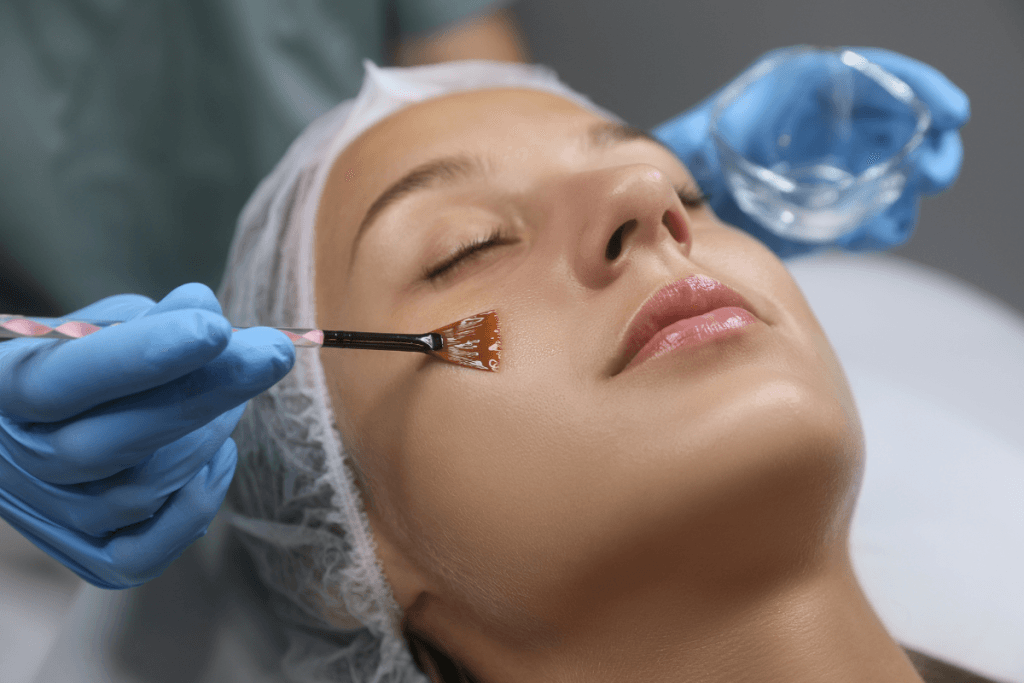
During treatment, sensation and visible endpoints depend on the peel. Some superficial peels cause tingling and mild erythema. Stronger protocols may create more warmth, frosting, peeling, or crusting. Staff should know the expected endpoint for the specific product and should not improvise beyond training, protocol, and scope.
Chemical peel aftercare for hyperpigmentation usually emphasizes gentle cleansing, barrier support, sun avoidance, and consistent photoprotection. Patients should be told not to pick peeling skin. They also need clear instructions on when to restart active ingredients and when to delay the next session because of sun exposure, irritation, or delayed healing.
Supportive skincare should stay protocol-driven. Some clinics review targeted brightening and barrier-support options, such as Azelac M Skin Therapy, when building non-procedure programs. Product selection should still follow diagnosis, tolerance, and clinician direction.
Clinic Workflow Checks Before Repeating or Escalating
Repeat treatment should depend on recovery quality, pigment response, and adverse-event review. The number of sessions varies widely by diagnosis, peel type, depth, skin response, and adherence. Clinics should avoid fixed-session promises because pigment disorders often need ongoing maintenance and trigger control.
- Confirm diagnosis and lesion pattern.
- Record Fitzpatrick type and pigment history.
- Review active inflammation and contraindications.
- Capture standardized photographs and consent.
- Provide written prep and aftercare instructions.
- Document product, lot, endpoint, and response.
- Schedule review before changing depth or frequency.
Inventory and sourcing should also be part of the workflow. MedWholesaleSupplies serves licensed clinics and healthcare professionals, with brand-name medical products sourced through vetted distributors and verified supply channels. For professional peel-adjacent planning, teams may review a product page such as Argipeel Exfoliating Gel only when it fits their clinic protocol and credentialing requirements.
Documentation should be consistent across providers. Record the agent, application areas, contact time when relevant, observed endpoint, neutralization steps when used, tolerance, aftercare given, and follow-up plan. This protects continuity when patients see different team members during a peel series.
How Peels Compare With Other Pigment Options
Chemical peel vs laser for hyperpigmentation is not a simple better-or-worse comparison. Peels may suit diffuse epidermal pigment and lower-device workflows. Laser and light-based devices may offer targeted treatment for selected lesions, but they can also carry pigment risk in reactive skin when settings or diagnosis are mismatched.
Texture and scarring change the decision. If acne scars, enlarged pores, or broader resurfacing goals dominate, the clinic may consider other modalities instead of a peel-only pathway. When the goal is general rejuvenation, the older but still useful overview Anti-Aging Chemical Peels can help teams separate resurfacing expectations from pigment-specific planning.
Combination care can be useful, but it can also increase irritation. Stacking retinoids, exfoliating acids, devices, and peels too closely may create inflammation that worsens pigment. A staged plan with clear intervals, recovery checks, and trigger control is usually safer than adding every modality at once.
The broader point is practical. A chemical peel for hyperpigmentation works best when the clinic can explain why the pigment should respond, how risk will be controlled, and what follow-up will determine next steps.
Authoritative Sources
- For peel types, treated conditions, and recovery expectations, review Cleveland Clinic on chemical peels.
- For procedural risks, pigment changes, and recovery cautions, see Mayo Clinic chemical peel guidance.
- For a peer-reviewed clinical review of peel principles, consult A Practical Approach to Chemical Peels.
Peel selection should remain diagnosis-led, conservative in pigment-prone skin, and supported by clear aftercare. When lesion behavior is atypical or the risk-benefit balance is uncertain, medical assessment should come before cosmetic treatment.
This content is for informational purposes only and is not a substitute for professional medical advice.