

Estheticians and dermatologists both work with skin, but they do not hold the same clinical role. In clinic operations, the esthetician vs dermatologist distinction affects diagnosis, delegation, consent, treatment routing, and when a patient concern needs medical review.
For licensed healthcare teams, the safest model is simple: dermatologists manage medical skin disease and physician-level procedures, while estheticians provide cosmetic and supportive skin services within state scope and clinic policy. That distinction helps schedulers, clinicians, and managers reduce delays and avoid overpromising.
Key Takeaways
- Training drives scope: Dermatologists are physicians; estheticians are licensed skin care specialists.
- Diagnosis is medical: Suspected disease, infection, or changing lesions need clinician review.
- Cosmetic care still has risk: Peels, devices, and compromised barriers require clear protocols.
- Acne triage matters: Mild cosmetic concerns differ from inflammatory, scarring, or systemic patterns.
- Documentation protects teams: Intake, consent, delegation, and product traceability should align.
Where Esthetician vs Dermatologist Roles Separate
The core difference is medical authority. A dermatologist is a physician trained to diagnose, treat, and manage diseases of the skin, hair, and nails. An esthetician provides cosmetic skin care services, skin wellness education, and appearance-focused support under the license rules that apply in that jurisdiction.
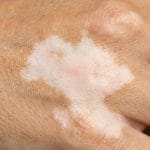
This separation matters because many skin concerns look cosmetic at first. Acne, pigment changes, redness, scaling, and irritation can reflect routine skin care needs. They can also signal inflammatory disease, infection, medication effects, or lesions that require diagnostic judgment.
Clinic teams should avoid building workflows around job titles alone. A safer approach is to define service categories by risk. Low-risk cosmetic services can be routed to trained estheticians when intake is clean. Medical symptoms, failed prior regimens, or rapidly changing findings should move to a dermatologist or another qualified clinician.
For credential planning, related internal training can help teams distinguish licensed roles from marketing language. See Esthetician vs Aesthetician for terminology and credential distinctions that often appear in clinic hiring and service menus.
Training and Credential Signals
Dermatologists complete medical school, residency training, and physician licensure. Many also maintain board certification. That training supports differential diagnosis, prescribing, biopsies, excisions, and management of complications.
Estheticians are commonly licensed through cosmetology or esthetics boards. Their education focuses on skin care services, sanitation, facial treatments, product knowledge, and client safety. Some work in dermatology offices or med-aesthetic settings, but that workplace does not turn the esthetician into a medical provider.
The term medical esthetician can be useful internally, but it should be used carefully in external materials. It usually describes an esthetician working in a medical environment under protocols. It does not, by itself, expand legal scope.
Why it matters: Patients and new staff may hear medical setting and assume medical authority.
Scope Boundaries in Daily Practice
Most practices draw a bright line around diagnosis and prescribing. An esthetician may observe visible concerns and recommend that a patient see a clinician. They generally should not diagnose eczema, rosacea, infection, melasma, suspicious lesions, or acne severity as a medical condition unless local law gives that authority.
Prescribing is also typically outside esthetician scope. That includes prescription retinoids, antibiotics, hormonal therapies, antifungals, corticosteroids, and other regulated medications. Clinics should train staff to distinguish general product education from medical treatment recommendations.
Marketing language needs the same control. Phrases such as treats dermatitis, cures acne, or removes melasma can create unnecessary risk when attached to cosmetic services. More precise language describes services as appearance-focused, supportive, or protocol-based.
How to Triage Acne, Pigment, Redness, and Rashes
Skin concern triage should start with severity, duration, change, and risk. That is where the esthetician vs dermatologist comparison becomes a practical workflow tool rather than a theoretical staffing question.
For acne, mild comedonal patterns, such as blackheads and whiteheads, may fit supportive cosmetic care when the clinic protocol allows it. Moderate inflammatory acne, nodules, scarring risk, truncal involvement, pain, or suspected medication triggers usually warrants dermatology review. A patient who has failed multiple regimens also needs a higher level of assessment.
For pigment changes, stable cosmetic hyperpigmentation may fit a supervised esthetic plan. New, asymmetric, rapidly changing, painful, bleeding, or irregular lesions should not be treated as routine dark spots. Those findings require medical evaluation before cosmetic procedures proceed.
Redness and rashes need conservative routing. Rosacea (facial flushing with inflammatory bumps), dermatitis (skin inflammation), and eczema (itchy inflammatory rash) can worsen with aggressive exfoliation, fragrance exposure, or inappropriate actives. If the barrier is broken, weeping, crusted, infected-looking, or painful, pause cosmetic services and escalate.
Clinics that offer skin care and peel services can use a hub such as Clinical Skincare to organize staff reading around cosmetic workflows, product categories, and treatment-room planning.
When Acne Needs Medical Routing
Acne routing should consider inflammation and scarring risk. Estheticians can support tolerability, cleansing routines, non-prescription product use, and post-procedure comfort when those tasks are allowed. Dermatologists can diagnose acne type, assess contributing conditions, prescribe medication, and manage scarring or severe disease.
Same-week medical review may be appropriate when acne is painful, rapidly worsening, widespread, associated with systemic symptoms, or linked to medication changes. Clinics should also escalate if a patient reports pregnancy, complex medical history, immunosuppression, or severe irritation from prior products.
Documentation should capture visible pattern, reported symptoms, current products, medications, allergies, prior treatments, and escalation reason. Avoid chart language that implies the esthetician diagnosed the condition. Use wording such as referred for clinician assessment of inflammatory lesions or deferred peel pending medical review.
When Pigment or Redness Should Pause Cosmetic Care
Pigment and redness workflows need pre-service screening. A chemical peel, resurfacing treatment, or device-based service may be inappropriate if the cause is uncertain, the skin barrier is unstable, or the patient reports recent irritation.
For hyperpigmentation, note the onset, distribution, triggers, prior procedures, and skin type. For redness, ask about flushing, burning, scaling, bumps, recent topical use, and prior reactions. These details help the supervising clinician decide whether cosmetic care can proceed or should wait.
Teams can also align esthetic services with broader aesthetic planning. Facial Aesthetic Planning offers a useful framework for sequencing services without treating every skin concern as a standalone appointment.
Procedure Risk, Delegation, and Supervision
Procedure risk rises when an intervention becomes deeper, more invasive, or more dependent on sterile technique. That includes medium or deep peels, microneedling, energy-based devices, injections, and services performed on impaired skin barriers.
Even cosmetic services can create medical risk. Burns, infection, dyspigmentation, scarring, allergic reactions, and delayed healing require a response plan. The clinic should define who screens, who consents, who performs the service, who supervises, and who handles complications.
Delegation rules vary by state, board, service type, device class, and clinic structure. Written policies should reflect local rules and the supervising clinician’s expectations. If a task is delegated, document competency, training date, protocol review, and any limitations.
Esthetician staffing can strengthen dermatology and med-aesthetic care when the handoff is clear. Estheticians may support intake preparation, barrier-support education, photography workflow, cosmetic maintenance plans, and post-procedure comfort measures. Dermatologists and qualified clinicians remain responsible for medical evaluation and treatment decisions within their scope.
Quick tip: Build escalation triggers into booking scripts, not only clinical protocols.
Cosmetic Services That Need Clear Guardrails
Facials, superficial exfoliation, extractions, and product coaching often sit within esthetician scope, depending on local regulation. Still, each service should have contraindication screening. Recent procedures, active irritation, open skin, allergy history, pregnancy status when relevant, and current medications can affect suitability.
Peels and devices need closer review. Depth, concentration, device settings, body area, skin type, and prior reactions can change risk. Do not assume a procedure is low-risk because it is marketed as cosmetic.
Injectables, prescription products, biopsies, lesion destruction, and surgical procedures generally belong with appropriately credentialed medical professionals. Estheticians may assist with non-medical preparation or follow-up steps only when policy and law allow.
Clinic Workflow Snapshot for Role Clarity
A role-based workflow helps teams answer common questions consistently. It also reduces the chance that scheduling, marketing, and documentation drift away from actual scope.
- Classify the concern: Cosmetic maintenance, possible disease, procedure request, or adverse reaction.
- Screen for risk: Ask about symptoms, duration, medications, allergies, pregnancy status when relevant, and prior procedures.
- Route by acuity: Send suspected disease, infection, severe inflammation, or changing lesions to medical review.
- Confirm scope: Match the service to license rules, supervision requirements, and written protocols.
- Document consent: Use service-specific language that reflects cosmetic or medical responsibility.
- Track products: Record product names, lot details when applicable, and staff involved.
- Review incidents: Use adverse events and near misses to improve screening and training.
Clinic managers can pair this workflow with role-specific hiring and onboarding. Esthetician License Requirements is a relevant next read for teams reviewing state scope, credential checks, and med-spa staffing policies.
Treatment-room readiness also supports compliance. Supplies should match the service level, sanitation requirements, emergency plan, and documentation process. For a practical planning reference, see Esthetician Supplies Checklist.
Procurement should support traceability without blurring clinical authority. MedWholesaleSupplies serves licensed clinics and healthcare professionals, with brand-name medical products sourced through vetted distributor and supply channels. That context can support clinic purchasing controls, but it does not replace local scope policies or medical director oversight.
How Related Roles Fit Together
Patients and staff often compare several titles at once. A concise internal role map can prevent confusion during booking and consent.
| Role | Primary focus | Common clinic use | Typical boundary |
|---|---|---|---|
| Dermatologist | Medical and surgical skin care | Diagnosis, prescribing, biopsies, procedures, complication management | Must follow physician licensing and credentialing rules |
| Esthetician | Cosmetic skin services | Facials, superficial exfoliation, product education, supportive care | No independent diagnosis or prescribing in most settings |
| Cosmetologist | Beauty services across hair, skin, and nails | Salon-adjacent services and some skin care | Scope varies widely by state board rules |
| Medical esthetician | Esthetic services in a medical setting | Protocol-driven pre-service and post-service support | The title does not create a medical license |
Career comparisons also appear in searches for esthetician vs dermatologist. From a clinic perspective, the better question is not which role is better. The better question is which role is authorized, trained, and supervised for the task at hand.
Some services overlap in patient perception but not in legal responsibility. A dermatologist may recommend medical therapy for inflammatory acne. An esthetician may help the same patient understand gentle cleansing or post-procedure skin care within protocol. Both roles can add value when the boundaries are visible.
Forum discussions and social media often frame the choice as personal preference. Clinics should resist that framing. Aesthetic goals, medical symptoms, and procedure risk should drive routing, not popularity, convenience, or staff availability.
Documentation and Communication Standards
Good documentation translates scope into daily behavior. It shows why a patient was booked with a specific role, why care was escalated, and what was communicated before service.
Intake forms should capture allergies, current medications, recent procedures, prior adverse reactions, pregnancy status when relevant, and active symptoms. For skin concerns, include duration, location, pain, itching, bleeding, drainage, rapid change, and prior treatments. These fields help front-desk staff and clinicians identify risk before a cosmetic appointment begins.
Consent templates should avoid generic language. A superficial facial consent should not read like a device procedure consent. A peel consent should describe expected irritation, avoidance instructions, escalation contacts, and the limits of cosmetic service. Medical consents should remain under the appropriate clinician workflow.
Chart notes should also separate observation from diagnosis. An esthetician can record visible redness, dryness, pustules, scaling, or patient-reported symptoms. Diagnostic terms should be used carefully and generally reserved for the clinician’s assessment when required by policy.
Product documentation matters when services use clinic-grade supplies. Record product name, lot or batch information when applicable, expiration review, application area, staff member, and reaction notes. These details can help with adverse event review, vendor follow-up, and internal audits.
Authoritative Sources
Clinic policies should rely on state scope rules, medical board guidance, and primary workforce references. The sources below help frame role differences and regulatory context, but they do not replace local legal review.
- BLS overview of skincare specialists
- BLS physician and surgeon workforce reference
- FDA cosmetics regulation overview
Review esthetician vs dermatologist workflows at least annually, and whenever your clinic adds a service, device, product category, or supervisory arrangement. The goal is not to limit collaboration. It is to make collaboration safer, clearer, and easier to document.
This content is for informational purposes only and is not a substitute for professional medical advice.