
$49.00
You save
Description
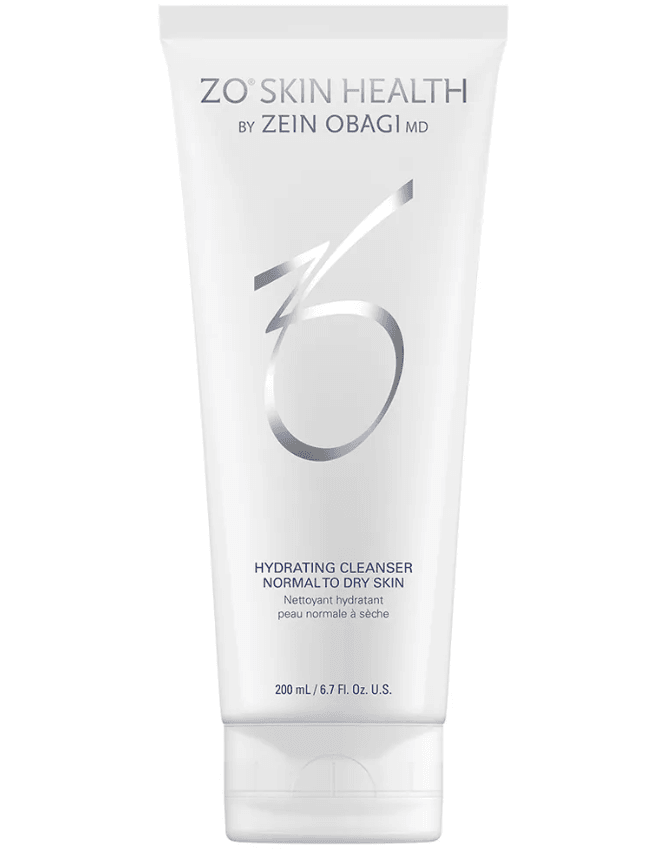
ZO® Hydrating Cleanser is a professional facial cleanser supplied in a 200 mL tube for clinic skincare workflows. Licensed clinics, med spas, dermatology offices, and healthcare professionals can order ZO® Hydrating Cleanser for treatment-room cleansing, post-procedure care kits, and daily maintenance protocols. Its practical value is a hydrating rinse-off base that helps remove impurities while supporting comfort for normal to dry or sensitive-feeling skin.
Med Wholesale Supplies serves licensed clinics and healthcare professionals with authentic, brand-name medical products sourced through vetted distributors and verified supply channels. The cleanser is available via US distribution, with lot and expiry information on packaging to support receiving, rotation, and professional inventory records.
Price, Format, and Clinic Ordering
ZO® Hydrating Cleanser price visibility depends on your clinic account status and purchasing tier. Sign in or create a professional account to view current clinic pricing, live quantity information, and any applicable volume or contract terms. The supplied format is a 200 mL tube, which fits back-bar stations, consultation rooms, and take-home regimen kits.
The 200 mL size supports routine use without requiring frequent replacement in a single room. When planning par levels, consider how often staff cleanse before photography, skin assessment, chemical peel preparation, microneedling, energy-based treatments, injectable visits, or follow-up care. For broader replenishment planning, the skincare assortment can help teams consolidate compatible professional products.
Quick tip: Assign tubes by room or treatment category to reduce cross-traffic and simplify inventory checks.
How the Cleanser Fits Professional Skincare Protocols
ZO Skin Health Hydrating Cleanser is used as a mild facial wash when teams want effective cleansing without a tight, stripped after-feel. In clinical practice, that makes it useful before visual assessment, standardized photography, pre-treatment marking, and routine intake cleansing. It can also support post-visit home-care instructions when your protocol calls for a gentle cleansing step.
The cleanser removes surface debris such as sebum, sunscreen residue, and daily impurities while helping preserve a hydrated skin feel. A balanced surfactant system provides cleansing action, while humectants help bind water in the outer skin layers. This combination is especially practical during repetitive cleansing in busy aesthetic and dermatology settings.
Clinics may use ZO® Hydrating Cleanser as a consistent base across multiple workflows, then adjust adjacent products by skin type, procedure, or season. For example, teams that maintain ZO routines may pair it with ZO® Skin Hydrating Cream when additional barrier-focused comfort is appropriate. For broader education on the line, see ZO Skin Health professional skincare solutions.
How to Use ZO® Hydrating Cleanser in Clinic Workflows
For professional cleansing, apply the product to damp skin, gently massage across the face, and rinse thoroughly according to your clinic protocol and manufacturer directions. Staff should avoid overly aggressive friction, especially around sensitive or recently treated areas. Patting the skin dry rather than rubbing helps maintain comfort before the next skincare or procedural step.
For home-care kits, clinicians can provide regimen-specific instructions that match the treatment performed, the patient’s skin tolerance, and the rest of the prescribed or recommended routine. The cleanser is a rinse-off product, so it should not be left on the skin like a mask or treatment serum. If irritation develops or persists, the patient should stop use and contact the supervising professional.
Teams often standardize cleanser language in discharge instructions. Clear directions reduce regimen confusion and help staff answer common questions about frequency, rinsing, and what to avoid after procedures. This is particularly useful when the same practice offers peels, microneedling, laser or light-based services, and injectable appointments.
Formula Profile and Key Ingredients
This cleanser is built around a moisture-preserving formula profile. Sodium hyaluronate and glycerin are humectants, meaning they attract and help hold water in the outer skin layers. Sodium PCA and urea are also associated with moisture balance and skin-surface flexibility. Panthenol, also known as pro-vitamin B5, supports a soothed and conditioned feel after rinse-off.
- Sodium hyaluronate: helps bind moisture for a hydrated skin feel.
- Glycerin: supports water balance in the outer skin layers.
- Sodium PCA: contributes to a flexible, comfortable surface feel.
- Urea: helps maintain moisture and smoothness.
- Panthenol: supports a calm, conditioned post-cleanse sensation.
Full ingredient information appears on manufacturer packaging and may change if the brand updates its formulation. Clinics should review the package label before adding the cleanser to a standardized regimen, especially for patients with known sensitivities. Ingredient screening is also useful when post-procedure kits include multiple products from different categories.
Benefits for Treatment Rooms and Post-Procedure Kits
Using one hydrating cleanser across several workflows can simplify staff training. A consistent texture, rinse profile, and counseling message make technician steps easier to repeat. That supports smoother room turnover and more consistent patient preparation before evaluation, imaging, or procedural work.
The tube format stores efficiently in carts, cabinets, and kit-packing areas. Because lot and expiry details are visible on packaging, receiving teams can rotate inventory using first-expiry-first-out procedures. This is useful for multi-room practices and multi-site operations that need predictable documentation.
Post-procedure kits benefit from a gentle, familiar cleanser because the cleansing step is often the first part of a home routine. When the clinic supplies or recommends the same product used during the visit, patient instructions can be more direct. Staff can explain when to cleanse, how much pressure to use, and which companion products should follow.
Normal-to-Dry Skin and Sensitive-Period Use
Search interest often focuses on ZO Hydrating Cleanser for normal to dry skin because the product is positioned around comfort and moisture preservation. In a clinic setting, that translates into a cleanser choice for patients who do not tolerate a harsh or overly degreasing wash. It may be especially useful when the protocol emphasizes a calm skin feel before or after non-ablative treatments.
Hydrating does not mean universally suitable for every individual. Patients with active dermatitis, open skin, known ingredient allergies, or unusual post-treatment reactions need clinician-specific guidance. Practices should document sensitivities and instruct patients to report persistent redness, burning, dryness, or swelling.
For seasonal planning, dry indoor air and increased use of actives can make barrier comfort a higher priority. Clinics can pair cleansing with moisturizers, sunscreen protocols, and antioxidant-focused routines when appropriate. The article on antioxidants in skincare may help staff frame ingredient discussions without turning discharge counseling into a complex regimen review.
Comparison With Other ZO® Skincare Choices
ZO® Hydrating Cleanser is the better fit when your protocol prioritizes a creamy, moisture-preserving cleanse. ZO® Gentle Cleanser may be considered when teams want another mild daily cleanser within the same brand family. The ZO® Gentle Cleanser 200 mL tube can help clinics maintain an alternate wash for different preferences or skin presentations.
Some regimens include non-cleanser steps to support texture, tone, or barrier comfort. A product such as ZO® Calming Toner pH Balancer may fit routines where the clinician wants a balancing step after cleansing. For resurfacing-focused protocols, the ZO® Exfoliating Polish belongs in a different use category and should not be treated as a substitute for a daily hydrating wash.
Clinics building a fuller ZO range can browse the ZO® brand portfolio for compatible professional skincare items. Keeping related products within one line may simplify staff education, shelf organization, and patient-facing regimen cards.
Safety, Tolerability, and Staff Counseling Points
ZO® Hydrating Cleanser is a topical rinse-off skincare product, but tolerability still matters. Some individuals may experience mild redness, dryness, stinging, or irritation, particularly when the skin barrier is stressed or when the cleanser is combined with exfoliants, retinoids, peels, or other active products. These reactions are often temporary, but severe or persistent symptoms require professional evaluation.
Staff should instruct patients to avoid contact with the eyes and to rinse thoroughly if accidental contact occurs. The product should not be applied to open wounds unless a clinician has specifically incorporated it into a supervised protocol. If a patient has a history of allergy to any listed ingredient, the clinic should select an alternative cleanser.
For rosacea-prone or highly reactive skin, cleanser choice should be individualized. A hydrating cleanser may be preferable to a harsh scrub, but the best facial wash depends on diagnosis, triggers, barrier condition, and concurrent therapies. Practices should avoid promising outcomes and instead document the rationale for the selected routine.
Storage, Handling, and Inventory Control
Store the tube according to the manufacturer packaging and keep the cap closed between uses. Treatment-room staff should avoid contaminating the opening and should follow clinic hygiene procedures when products are used around multiple patients. If the tube is included in a take-home kit, include directions that reflect your practice’s post-care standards.
Receiving teams should record lot and expiry information during intake. Rotate stock so older-dated units are used first, and separate any damaged packaging for review before use. For multi-site practices, centralized tracking can help align replenishment with treatment volume, seasonal dryness, and promotional skincare events.
Orders can be planned around reliable US logistics, with temperature-controlled handling when required and tracked US delivery. Coordinate replenishment before procedure-heavy periods so back-bar stations and care kits remain ready.
Professional Documentation and Training
Because ZO® Hydrating Cleanser may appear in pre-treatment and post-treatment instructions, documentation should be specific. Identify when the patient should begin use, how it fits with moisturizers and SPF, and whether any actives should be paused after a procedure. Written directions help reduce inconsistent staff explanations.
Training should cover the difference between cleansing, toning, exfoliating, moisturizing, and active treatment steps. This prevents patients from using an exfoliating product when the instructions call for a hydrating cleanser. Staff can also document product substitutions if the original care kit changes because of sensitivity, supply planning, or clinician preference.
For teams reviewing broader skincare category trends, science and nature in aesthetic skincare offers useful context for protocol planning. Education should still defer to the clinician’s assessment and the manufacturer label for product-specific use.
Authoritative Sources
Sign in to add ZO® Hydrating Cleanser to your clinic replenishment plan, review current account pricing, and coordinate quantities for treatment rooms or professional skincare kits.
This content is for informational purposes only and is not a substitute for professional medical advice.
Frequently Asked Questions
How should clinics use ZO® Hydrating Cleanser?
Clinics commonly use it on damp skin as a gentle rinse-off cleanser before assessment, photography, treatment preparation, or home-care counseling. Staff should follow manufacturer directions and the clinic’s procedure-specific protocol.
Is ZO® Hydrating Cleanser suitable for normal to dry skin?
The cleanser is positioned for moisture-preserving cleansing and can fit normal-to-dry or sensitive-feeling skin routines. Suitability still depends on the individual’s skin condition, ingredient sensitivities, and the supervising clinician’s protocol.
What size is supplied for professional ordering?
The supplied format in this offering is a 200 mL tube. The tube format works for back-bar stations, treatment rooms, and post-procedure care kits when included in clinic protocols.
What ingredients support the hydrating feel?
The formula profile includes humectants such as sodium hyaluronate, glycerin, sodium PCA, and urea, along with panthenol for a soothed, conditioned feel after cleansing.
How does ZO® Hydrating Cleanser compare with ZO® Gentle Cleanser?
ZO® Hydrating Cleanser is a moisture-preserving wash often selected when comfort and hydration are priorities. ZO® Gentle Cleanser is another mild cleanser option within the same brand family, and the best choice depends on clinic protocol and skin presentation.
What should clinics document when adding it to post-care kits?
Document the product name, when to use it, how it fits with moisturizer and SPF steps, and any products the patient should avoid after the procedure. Lot and expiry details should also be recorded during receiving and kit assembly.
Specifications
- Main Ingredient: Sodium Hyaluronate
- Manufacturer: ZO SKIN HEALTH
- Drug Class: Skincare Product
- Generic Name: Sodium hyaluronate
- Package Contents: 200 mL Tube
- Storage Requirements: Room Temperature (2℃~25℃)
- Main Usage: Hydration
Here to help
Questions about ordering, delivery or products? You can email our team here or call now at 1-800-630-9757 and be connected with your dedicated Account Manager
Related Products
Evenity® (English Alternative)
Injectable Medication
$1,229.00 - $1,299.00
You save
You save
Intraline® For Men
Dermal Filler
$59.00 - $79.00
You save
You save
RejuvaNAD+ Pro
Injectable Medication
$237.00 - $249.00
You save
You save
Teosyal® RHA 4
Aesthetic Surgery Product
$259.00 - $279.00
You save
You save
Related Articles
Prednisone in Clinical Care: Uses, Risks, and Monitoring
Prednisone is a prescription systemic corticosteroid used to reduce inflammation or suppress immune activity in…
Lip Fillers Swelling Stages: Timeline, Safety, and Follow-Up
Lip fillers swelling stages usually follow a short inflammatory course: swelling appears soon after injection,…
Hypopigmentation of the Skin: Assessment and Care
Hypopigmentation of the skin means one or more areas look lighter than the surrounding skin.…
Radiesse vs Sculptra: Selection Factors for Clinics
Radiesse vs Sculptra is best understood as a comparison between two collagen-stimulating injectables with different…
Hyaluronic Acid Under-Eye Filler: Safety and Workflow
Hyaluronic acid under-eye filler is an injectable soft-tissue filler used by trained aesthetic clinicians to…
Dermal Filler Types: Materials, Uses, and Clinic Fit
Dermal filler types are usually grouped by their base material, tissue behavior, and expected role…
What Is Dysport? Clinical Uses, Safety, and Workflow
For clinic teams asking what is Dysport, the short answer is simple: Dysport is a…
Biostimulators in Aesthetic Care: Selection and Safety
Biostimulators are injectable aesthetic products used to encourage a controlled tissue response, often involving new…