
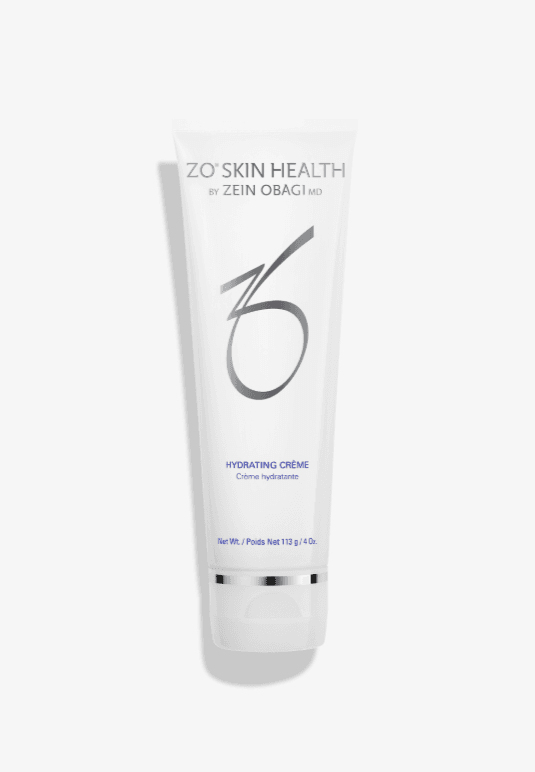
ZO® Skin Hydrating Cream
Order ZO® Skin Hydrating Cream for Clinics
Skincare Product
$148.99
You save
Description
ZO® Skin Hydrating Cream is a professional moisturizer used to support dry, sensitized, or post-procedure skin. Licensed clinics, med spas, aesthetic practices, and healthcare professionals can order the 113 g jar for treatment-room use, recovery kits, and structured home-care protocols. The cream helps replenish surface moisture, soften tight-feeling skin, and support barrier comfort during routine skincare programs.
Med Wholesale Supplies supplies brand-name products for professional accounts through verified supply channels. This product fits clinics that want a rich ZO Skin Health Hydrating Crème option for dryness, visible irritation, and protocol recovery periods without adding complicated staff instructions.
What ZO Skin Health Hydrating Crème Does
ZO Skin Health Hydrating Crème is a comfort-focused facial moisturizer. In clinic workflows, it is commonly positioned after cleansing and corrective steps to help reduce dryness, tightness, and a rough surface feel. It is not a resurfacing active, injectable, or procedure device; its role is moisture support and barrier comfort.
The formula uses a balance of humectants, emollients, and occlusive ingredients. Humectants attract water to the outer skin layer, emollients smooth dry areas, and occlusives help reduce moisture loss from the skin surface. That combination makes ZO Hydrating Cream useful when patients are acclimating to active skincare, recovering from superficial aesthetic treatments, or moving through colder or drier seasonal conditions.
For broader protocol planning, clinics can review other professional moisturizers and serums in the Creams and Serums category. Practices building a full ZO routine can also use the professional line discussion in Professional Skincare Solutions to align cleanser, treatment, and moisturizer choices.
Clinic Ordering, Pricing, and Pack Details
Clinics can order ZO® Skin Hydrating Cream as a 113 g jar for back-bar stations, take-home bundles, and retail-area skincare protocols. The jar format supports flexible use across treatment rooms while keeping procurement simple for inventory teams. SKU 100073 can be used in purchasing records, internal order sheets, and stock rotation systems.
Sign in to view current account pricing and volume options. Pricing may differ by account terms, order quantity, and purchasing cadence, so practices should base restock planning on the live ordering view or a direct quote. Multi-location clinics can consolidate orders when appropriate to simplify receiving and inventory tracking.
US distribution supports predictable replenishment for practices that stock professional skincare lines. When required by product handling needs, orders may include temperature-controlled handling when required and tracked US delivery. Follow the manufacturer label and your clinic’s storage SOPs for room placement, opening dates, lot tracking, and first-expiry-first-out rotation.
Professional Applications in Aesthetic Workflows
ZO Moisturizing Cream fits the final moisturizing step in many conservative skincare workflows. Teams may use it after gentle cleansing, after non-aggressive exfoliation, or during recovery windows when patients are instructed to pause stronger actives. It is especially practical when staff need one rich moisturizer that can support dry or reactive presentations without changing the full protocol.
After light resurfacing, superficial peels, or microneedling, clinics often need a simple product that reinforces comfort without adding unnecessary complexity. ZO Hydrating Moisturizer can help create a moisturized surface feel and may reduce tightness associated with temporary dryness. Suitability after a procedure should still follow the supervising clinician’s protocol and the treatment manufacturer’s aftercare instructions.
For simple take-home routines, many practices pair a barrier-support cream with a mild cleanser such as ZO Gentle Cleanser. Clinics that prefer a hydrating wash step may also consider ZO Hydrating Cleanser for patients who need a more comfort-oriented cleansing experience.
How Often It May Fit Into Protocols
Frequency depends on the professional protocol and the patient’s skin tolerance. In routine maintenance, a moisturizer is often used after cleansing and corrective products, then followed by daytime sun protection when used in the morning. During active acclimation programs, clinics may instruct patients to use a cream on recovery nights or as needed to manage dryness.
When retinoids, exfoliating acids, or other corrective products increase dryness, a richer moisturizer can help maintain adherence to the overall skincare plan. Staff should avoid positioning it as a substitute for clinical evaluation when irritation is persistent, worsening, or accompanied by swelling, cracking, or signs of infection. Those findings require clinician review before the routine continues.
Quick tip: Keep written protocol cards consistent across providers so staff give the same application order and pause instructions.
Key Features for Professional Use
- 113 g jar: Suitable for back-bar use, dispensing stations, and recovery kit planning.
- Barrier-support profile: Helps replenish surface moisture and improve dry-feeling skin comfort.
- Humectant and emollient balance: Supports hydration while smoothing rough or tight areas.
- Rich texture: Appropriate when a light lotion is not enough for dry presentations.
- Protocol compatibility: Can be layered with cleansers, selected serums, and sunscreen when used in modest amounts.
- Clinic workflow fit: Easy to explain as a recovery or comfort step in structured skincare plans.
- Traceability support: Manufacturer packaging typically includes lot and expiration details for clinic records.
- Professional line alignment: Works within ZO skincare routines without requiring a separate brand education pathway.
Ingredients and Barrier-Support Rationale
ZO Face Moisturizer is designed around ingredients that support hydration, softness, and a calmer-feeling skin surface. Sodium hyaluronate and glycerin are humectants, meaning they bind water at the outer skin layer. Panthenol supports a soothing feel, while squalane and shea butter help soften dry areas and reduce moisture loss.
This type of formula is helpful when skin feels tight after over-cleansing, active skincare escalation, or environmental exposure. Clinics should still review individual sensitivities, especially for patients with known ingredient reactions. A patch-test approach or staged introduction may be appropriate for highly reactive histories, based on the supervising clinician’s judgment.
| Ingredient type | Practical role in clinic protocols |
|---|---|
| Humectants | Attract and hold water in the outer skin layer for a more hydrated feel. |
| Emollients | Smooth roughness and improve glide during application. |
| Occlusive agents | Help limit surface moisture loss and support comfort. |
| Soothing-support ingredients | Help reduce the sensation of tightness associated with dryness. |
Layering With ZO Skincare Routines
In a simple routine, ZO Skin Moisturizer typically follows cleansing and water-based corrective steps. Staff should allow thin serums to settle before applying the cream, then apply sunscreen during daytime routines. Conservative amounts help reduce pilling and keep the finish comfortable under SPF.
Clinics using antioxidant or daily defense protocols may pair the cream with products such as ZO Daily Power Defense when the routine calls for both corrective support and added moisture. For growth-factor-focused routines, ZO Growth Factor Serum may be placed before the cream according to the clinic’s protocol.
A toner step may also be useful in some ZO routines. ZO Calming Toner pH Balancer can support a structured cleanse-tone-treat-moisturize sequence when the practice uses toning as part of its standard education materials.
Safety, Tolerance, and Staff Counseling Points
Most moisturizer-related concerns involve local tolerance rather than systemic safety. Clinics should counsel patients to stop use and contact the office if they develop persistent burning, worsening redness, swelling, rash, or signs of infection. Products applied to freshly treated skin should match the procedure aftercare plan and should not be added casually after deeper or more aggressive treatments.
ZO Hydrating Cream should be used externally and kept away from direct contact with the eyes unless the manufacturer label states otherwise. Do not apply it to open wounds, infected areas, or compromised skin without clinical direction. Patients with a history of cosmetic ingredient allergy should have ingredients reviewed before the product is added to their routine.
For acne-prone or oily presentations, the supervising clinician may choose a lighter moisturizer or adjust application frequency. A rich cream can be helpful for dryness, but it may not be the best finish for every skin type or climate. Staff should document any intolerance reports so future protocol changes remain consistent across providers.
Storage, Handling, and Inventory Control
Store the jar according to the manufacturer label and standard clinic room-temperature policies. Keep containers closed when not in use, avoid unnecessary heat or sunlight exposure, and do not transfer product into unlabeled containers without an approved clinic process. Back-bar use should follow hygiene procedures that reduce contamination risk.
Inventory teams should rotate stock by expiration date and record lot numbers according to facility SOPs. The 113 g size can be practical for clinics that dispense skincare kits after treatments, but usage can vary by provider volume and retail demand. Monitoring monthly movement helps avoid both overstocking and last-minute shortages.
Why it matters: Consistent lot rotation and clear staff instructions reduce waste and support a cleaner professional skincare workflow.
Comparable and Adjacent ZO Products
ZO Recovery Crème and ZO Renewal Crème are often searched alongside ZO Hydrating Crème, but clinics should treat each name as a distinct product unless the manufacturer specifically identifies them as the same item. ZO® Skin Hydrating Cream should be selected when the protocol calls for this hydrating cream and the 113 g jar aligns with the practice’s inventory plan.
If the main issue is cleansing comfort rather than moisturization, a gentle or hydrating cleanser may be the better first adjustment. If the routine needs broader daily skin support, corrective serums or defense products may be added before the moisturizer. The full Skincare category can help procurement teams evaluate adjacent products without mixing unrelated treatment categories.
For staff education, articles such as choosing the right facial cream and antioxidants in skincare can support protocol discussions. Use those materials for general skincare planning, not as substitutes for manufacturer labeling or clinician-directed aftercare.
Documentation for Licensed Clinics
Professional accounts should maintain standard purchasing and receiving documentation for branded skincare products. Useful records include the SKU, product name, lot number, expiration date, order date, and receiving location. Multi-site practices may also track which location uses the jar for back-bar care, retail kits, or post-procedure dispensing.
Staff training should cover product role, application order, hygiene practices, and when to escalate a tolerance concern. Keep instructions short and consistent: cleanse first, apply corrective products when included, use the moisturizer as directed by the protocol, and protect the skin during daytime routines. Clear instructions reduce conflicting advice at checkout and follow-up.
Ready to add ZO® Skin Hydrating Cream to clinic protocols? Sign in to view account pricing, order the 113 g jar, or request a quote aligned with your practice’s purchasing cadence.
Authoritative Sources
- Manufacturer labeling and packaging for ZO® Skin Hydrating Cream should be used for final ingredient, storage, lot, and expiration details.
- Clinic SOPs and supervising clinician protocols should guide post-procedure use, product introduction, and escalation for irritation.
This content is for informational purposes only and is not a substitute for professional medical advice.
Frequently Asked Questions
What does ZO® Skin Hydrating Cream do?
ZO® Skin Hydrating Cream helps moisturize dry, tight-feeling skin and support barrier comfort. In clinic protocols, it is commonly used as a recovery or maintenance moisturizer after cleansing and appropriate corrective steps.
Can clinics use ZO Hydrating Cream after procedures?
It may fit conservative post-care plans after superficial aesthetic treatments when the supervising clinician’s protocol allows it. Deeper procedures, open skin, infection, or significant irritation require clinician review before adding any topical product.
Is ZO Recovery Crème the same as ZO Hydrating Cream?
Do not assume the names are interchangeable. Select ZO® Skin Hydrating Cream when your protocol, purchasing record, or manufacturer guidance specifies this hydrating cream and the 113 g jar format.
How should clinics store the 113 g jar?
Store it according to the manufacturer label and your clinic’s room-temperature SOPs. Keep the jar closed when not in use, avoid unnecessary heat or sunlight, and rotate stock by lot and expiration date.
What should staff tell patients about tolerance concerns?
Staff should advise patients to contact the clinic if they notice persistent burning, worsening redness, swelling, rash, or signs of infection. Ingredient sensitivities and post-procedure restrictions should be reviewed by the clinical lead.
Specifications
- Main Ingredient: Sodium Hyaluronate
- Manufacturer: ZO Skin Health, Inc.
- Drug Class: Skincare Product
- Generic Name: Sodium Hyaluronate
- Package Contents: 113 g (4 oz) jar
- Storage Requirements: Room Temperature (2℃~25℃)
- Main Usage: Hydrating
About the Brand
Zo Skin Health (Rozatrol™)
Zo Skin Health: Premium Skincare Solutions for All Your Needs Zo Skin Health (Zo Rozatrol™) is a groundbreaking medical brand, providing top-of-the-line skincare solutions designed for both women and men who are serious about taking care of their appearance. With a focus on advanced science and innovative formulations, Zo Skin Health products deliver real results, addressing a wide range of skin concerns from acne to aging. Zo Rozatrol™: Targeted Care for Rosacea-Prone Skin Among Zo Skin Health's impressive lineup, Zo Rozatrol™ stands out for its specialized care for rosacea-prone skin. This clinically-proven formula harnesses advanced ingredients to reduce inflammation and redness, minimize pores, and improve skin tone and texture. The effectiveness and innovation of Zo Rozatrol™ set it apart from other skincare solutions, making it a top choice for those struggling with rosacea. Where to Buy Zo Skin Health Products Looking to purchase Zo Skin Health products? Medwholesalesupplies.com is your go-to source. As an authorized dealer, we ensure that you are getting genuine Zo Skin Health products at the most competitive prices. Our user-friendly ordering process and fast delivery make it easy for both medical professionals and skincare enthusiasts to access these exceptional products. Transformative Results with Zo Skin Health The effectiveness of Zo Skin Health products can be seen in the remarkable before and after transformations of users. Whether you're targeting wrinkles, texture, or overall skin health, Zo Skin Health wrinkle and texture repair solutions provide visible improvements that enhance your skin's appearance and boost your confidence. Your Trusted Partner in Skincare At medwholesalesupplies.com, we understand the importance of quality skincare. By partnering with Zo Skin Health, we bring their exceptional products closer to you. Shopping with us means not only investing in authentic products but also benefiting from first-rate customer service and support. Achieve Glowing, Healthy Skin Don't let skin issues hinder your journey towards achieving glowing and healthy skin. Explore our selection of Zo Skin Health products today and discover the difference they can make. From reducing the signs of aging to treating specific conditions like rosacea, Zo Skin Health has a solution for you. Visit medwholesalesupplies.com now to make your purchase and take the first step towards healthier, more beautiful skin.
Browse Zo Skin Health (Rozatrol™) Products
Here to help
Questions about ordering, delivery or products? You can email our team here or call now at 1-800-630-9757 and be connected with your dedicated Account Manager
Related Products
Prolia® (International English)
Prescription Medication
$529.00 - $549.00
You save
You save
Evenity® (English Alternative)
Injectable Medication
$1,229.00 - $1,299.00
You save
You save
Intraline® For Men
Dermal Filler
$59.00 - $79.00
You save
You save
RejuvaNAD+ Pro
Injectable Medication
$237.00 - $249.00
You save
You save
Related Articles
Prednisone in Clinical Care: Uses, Risks, and Monitoring
Prednisone is a prescription systemic corticosteroid used to reduce inflammation or suppress immune activity in…
Lip Fillers Swelling Stages: Timeline, Safety, and Follow-Up
Lip fillers swelling stages usually follow a short inflammatory course: swelling appears soon after injection,…
Hypopigmentation of the Skin: Assessment and Care
Hypopigmentation of the skin means one or more areas look lighter than the surrounding skin.…
Radiesse vs Sculptra: Selection Factors for Clinics
Radiesse vs Sculptra is best understood as a comparison between two collagen-stimulating injectables with different…
Hyaluronic Acid Under-Eye Filler: Safety and Workflow
Hyaluronic acid under-eye filler is an injectable soft-tissue filler used by trained aesthetic clinicians to…
Dermal Filler Types: Materials, Uses, and Clinic Fit
Dermal filler types are usually grouped by their base material, tissue behavior, and expected role…
What Is Dysport? Clinical Uses, Safety, and Workflow
For clinic teams asking what is Dysport, the short answer is simple: Dysport is a…
Biostimulators in Aesthetic Care: Selection and Safety
Biostimulators are injectable aesthetic products used to encourage a controlled tissue response, often involving new…