Chemical peels for anti aging can be a useful clinic service when the goal is controlled resurfacing of photoaged, uneven, rough, or mildly lined skin. They are not a universal rejuvenation treatment. Good results depend on matching peel depth to the concern, screening risk factors, setting realistic expectations, and documenting each step from consultation through recovery.
For licensed clinics, the core question is operational as much as clinical. A peel may look simple on a service menu, but a professional chemical peel treatment still needs standardized preparation, informed consent, product verification, aftercare instructions, and escalation pathways. That structure helps staff manage predictable recovery and respond calmly when healing deviates from the expected course.
Key Takeaways
- Surface targets first: Peels mainly address tone, texture, photoaging, and some fine lines.
- Depth drives workflow: Superficial, medium, and deep peels carry different downtime and follow-up needs.
- Selection reduces risk: Skin history, pigment risk, active irritation, and expectations shape candidacy.
- Documentation matters: Record indication, product identity, endpoint, tolerance, aftercare, and follow-up.
- Compare by indication: Peels complement, but do not replace, injectables, devices, or surgical approaches.
Where Chemical Peels for Anti Aging Fit Clinically
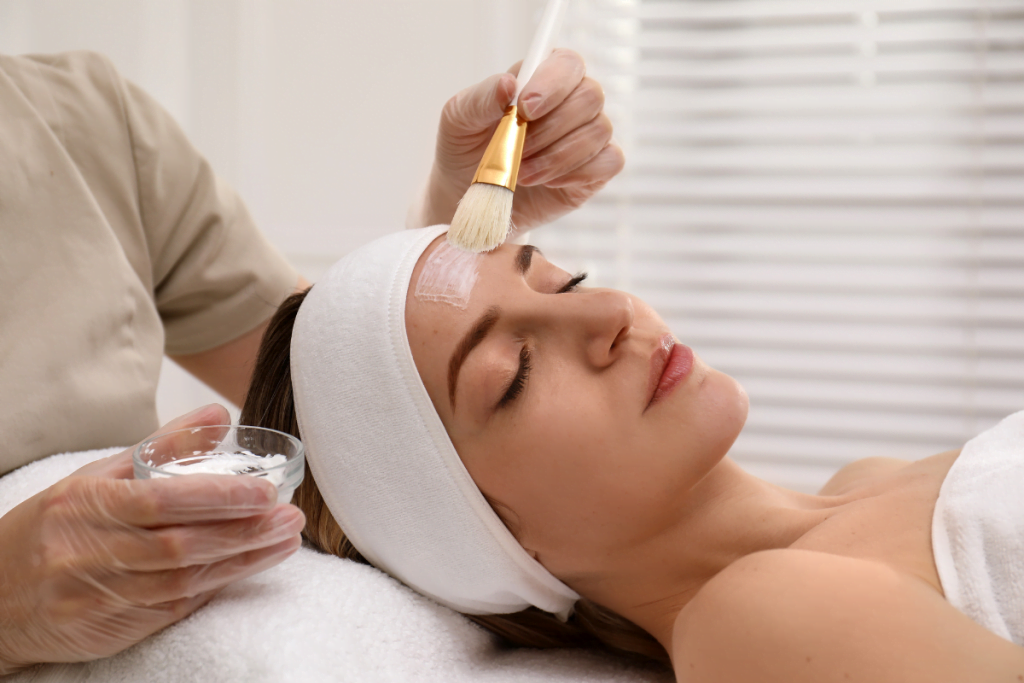
Chemical peels are controlled exfoliation and resurfacing procedures. A chemical solution is applied to the skin to remove selected outer layers, prompting renewal during healing. In anti-aging care, clinics often use them for dullness, mottled pigmentation, rough texture, actinic change, and early to moderate fine lines.
The best fit is usually a surface-level concern. Chemical peels for wrinkles may help when the lines are fine and linked to texture or photodamage. They are less appropriate as a stand-alone answer for dynamic wrinkles from muscle movement, deep folds, marked laxity, or volume loss. That distinction should appear early in the consultation.
Clinics that offer broader skin programs may place peels within a Clinical Skincare menu as an entry treatment, a serial resurfacing option, or adjunctive care between other procedures. For product-specific workflow reading, a related example is BioRePeel Workflow, which focuses on clinic handling and safety essentials.
Why it matters: Surface rejuvenation and full facial rejuvenation are different treatment goals.
Peel Depth, Treatment Goals, and Decision Points
Peel depth should match the skin finding, the patient history, and the clinic’s ability to support recovery. Superficial, medium, and deep chemical peels are not simply mild, stronger, and strongest versions of the same service. Each category changes counseling, downtime, monitoring, and complication planning.
Superficial peels often target the epidermis, the skin’s outer layer. They may suit serial plans for mild pigment unevenness, dullness, roughness, or early fine lines. Medium-depth peels reach deeper structures and may be considered for more visible photoaging or textural change. Deep peels are more selective, require tighter case selection, and may not suit every outpatient aesthetic model.
| Peel Category | Common Anti-Aging Targets | Clinic Workflow Considerations |
|---|---|---|
| Superficial | Dullness, mild dyspigmentation, rough texture, early fine lines | Often fits serial care, but still requires preparation, aftercare, and response documentation |
| Medium | More visible photoaging, pigment irregularity, moderate texture change | Needs stronger counseling, closer follow-up, and careful screening for pigment or healing risk |
| Deep | Selected advanced rhytides and intensive resurfacing goals | Requires narrow selection, higher recovery planning, and clear medical oversight pathways |
At a high level, superficial treatments may use alpha hydroxy acids, beta hydroxy acids, or other peeling agents. Medium-depth approaches often involve trichloroacetic acid-based protocols. Deep resurfacing has a narrower role and more demanding safety requirements. Exact agent, concentration, contact time, neutralization, and endpoint should follow the manufacturer’s directions and the clinic’s approved protocol.
Before choosing a peel, define the outcome in practical language. Is the goal brighter tone, smoother texture, pigment blending, fine-line softening, or a broader resurfacing effect? A clear target helps staff choose an appropriate depth and explain why another modality may be needed when the main issue is movement, contour, or laxity.
Patient Selection, Contraindications, and Consent
Patient selection is one of the strongest predictors of safe peel delivery. The consultation should identify the visible concern, but it must also screen for factors that increase irritation, pigment change, delayed healing, scarring, or dissatisfaction.
Review recent tanning, ultraviolet exposure, active dermatitis, open wounds, infection, current irritation, and recent procedures. Ask about a history of post-inflammatory hyperpigmentation, which means dark marks after inflammation. Prior abnormal scarring, sensitive skin reactions, treatment area, baseline skin tone, and current use of exfoliating or sensitizing topicals also deserve attention.
Chemical peel indications and contraindications should live in the written protocol, not only in staff memory. Local scope-of-practice rules, medical director requirements, and consent standards vary. Clinics should define who evaluates the patient, who may perform the procedure, and which cases require deferral or escalation before scheduling.
Consent should cover common effects and less common but meaningful risks. Patients should understand expected redness, tightness, dryness, flaking, peeling, swelling, pigment change, prolonged irritation, infection risk, delayed healing, and the possibility that more than one session may be needed. The consent discussion should also state that peels do not correct volume loss or significant laxity.
- Confirm the main concern: Identify whether it is pigment, texture, fine lines, or another issue.
- Screen the skin history: Note tanning, irritation, scarring, pigment shift, and recent procedures.
- Review current products: Include retinoids, acids, exfoliants, and other potentially irritating topicals.
- Set downtime expectations: Match the recovery discussion to peel depth and treatment area.
- Define call triggers: Explain which symptoms require prompt clinic contact.
Chemical peel before and after expectations should be specific to the patient’s pattern of aging. Generic gallery images can mislead if the concern, skin type, peel depth, or recovery tolerance differs. Written documentation protects both the patient conversation and the clinic record.
Chemical Peel Procedure Steps for Clinics
A professional chemical peel treatment should follow a repeatable sequence: evaluate, verify, prepare, apply, monitor, instruct, and document. The exact chemical peel procedure steps vary by formulation, but the operational backbone should stay consistent across staff members.
Start with a structured consultation. Confirm the indication, review contraindications, discuss realistic outcomes, and obtain consent. If the clinic uses clinical photography, capture baseline images under consistent lighting and angles. This is especially useful for anti-aging claims related to tone, texture, and fine lines.
Before treatment, verify the product, expiry date, storage status, and lot information when applicable. Prepare the skin according to the selected protocol. Protect sensitive areas as needed. Apply the peel according to the manufacturer’s instructions and the clinic’s approved workflow. Staff should observe the skin response rather than relying on a generic timing habit.
If neutralization is required, follow the product-specific process. Document the observed endpoint, application sequence, patient tolerance, and any immediate reaction. After treatment, provide written chemical peel post treatment care instructions. These should cover gentle cleansing, moisturization, photoprotection, activity limits if relevant, and symptoms that should trigger contact.
Standard work belongs in broader Clinic Operations planning. Product-specific protocols can also support training; for example, clinics comparing professional peel workflows may review PRX-T33 Protocol Basics as a separate operational reference.
Quick tip: Build aftercare and follow-up prompts into the procedure note template.
Safety, Side Effects, and Recovery Planning
Chemical peel safety protocols should define expected recovery and escalation criteria before treatment begins. Common short-term effects may include redness, tightness, stinging, dryness, flaking, peeling, and temporary sensitivity. Medium and deeper peels can involve more visible downtime, swelling, crusting, or longer healing periods.
More concerning findings include worsening pain, spreading redness, blistering, drainage, delayed healing, ocular symptoms near the eye area, severe swelling, or unexpected pigment change. Staff should know who reviews urgent photos, how callbacks are documented, and when an in-person assessment or referral is required. This prevents inconsistent advice across phone calls, portal messages, and follow-up visits.
Recovery guidance should be depth-specific. Superficial peels may need a shorter, simpler aftercare pathway. Medium-depth treatments often require more precise counseling and scheduled follow-up. Deep peels require the most deliberate planning and may need additional medical oversight depending on the protocol and setting.
Post-treatment care is part of risk management. Patients generally need a gentle skincare plan, careful sun avoidance, and instructions not to pick peeling skin. Clinics should also follow product directions for storage, handling, personal protective equipment, expiration control, and disposal. For licensed practices, sourcing through vetted and verified channels can support traceability when peel agents or related supplies are stocked.
For pigment-focused cases, peels often overlap with hyperpigmentation programs. A related clinical-skincare resource is Chemical Peel For Hyperpigmentation, which can help teams separate pigment goals from broader anti-aging claims.
Documentation, Sourcing, and Compliance Considerations
Chemical peel documentation for clinics should capture enough detail to reconstruct the visit. A brief note that says “peel performed” is usually too thin for clinical, training, or risk-review purposes.
A stronger template includes the reason for treatment, relevant history, skin findings, consent confirmation, product identity, lot and expiry details when applicable, application area, application sequence, observed endpoint, tolerance, aftercare given, and follow-up plan. If your clinic tracks adverse events, the peel note should connect to that pathway rather than sit outside it.
Storage and handling policies should reflect the product label, supplier information, and local regulations. Clinics should define who receives products, how stock is logged, how expiry dates are checked, and how staff remove expired or compromised items from use. These are general process controls, not a substitute for product-specific instructions.
MedWholesaleSupplies serves licensed clinics and healthcare professionals with brand-name medical products sourced through vetted distributors and verified supply channels. In a peel program, that sourcing context matters most for traceability, inventory review, and staff confidence that products came through appropriate professional channels.
- Record the indication: Link the peel choice to a documented skin concern.
- Log product details: Include identity, lot, expiry, and storage checks when applicable.
- Document the endpoint: Describe the visible response and patient tolerance.
- Attach aftercare: Confirm written instructions and call triggers were provided.
- Plan follow-up: Note timing, review method, and escalation criteria.
How Peels Compare With Other Anti-Aging Options
Chemical peels for anti aging should be compared by indication, not trend. When the main target is surface texture, dullness, or mottled pigment, a peel may fit well. When the main concern is muscle-driven wrinkling, contour loss, or tissue laxity, another modality may be more appropriate or may need to be combined with resurfacing.
Chemical peel vs laser resurfacing decisions often center on depth, precision, equipment requirements, eyewear protocols, operator training, downtime, and pigment risk. Lasers can offer broader resurfacing capabilities, but they add device-specific safety steps and maintenance considerations. Peels may be simpler operationally, yet they still require rigorous screening and aftercare.
Chemical peel vs microneedling for aging skin is a different comparison. Microneedling is often discussed when collagen remodeling is the primary goal. Peels are commonly used when chemical exfoliation, pigment blending, or surface renewal is the focus. Both require consent, infection-control steps, aftercare, and realistic outcome discussions.
Within professional skincare, clinics may also compare branded peel families and adjunctive topicals. A neutral starting point is Mediderma Peel Products, which can help teams review how professional skincare ranges are positioned without turning the consultation into a product-led recommendation.
Cost context belongs in operational planning, not patient promises. Chemical peel cost considerations include clinician time, consultation, photography, consumables, product waste, post-care materials, follow-up visits, and readiness to manage complications. Clinics should avoid reducing the service decision to product cost alone.
Authoritative Sources
- For a major health-system overview, review Mayo Clinic on chemical peel treatment.
- For patient-facing basics on types and expectations, see Cleveland Clinic on chemical peels.
- For a clinical review of peel selection and technique, read StatPearls on chemical peels for skin resurfacing.
Chemical peels can add value to an anti-aging service line when clinics define the indication, select the right depth, counsel honestly, and document the workflow. The safest programs treat recovery support as part of the procedure rather than an afterthought.
This content is for informational purposes only and is not a substitute for professional medical advice.