Hydrating masks are short-contact skincare formats that increase surface water content, reduce evaporation, and improve skin feel for a limited period. In clinic, their value is practical rather than dramatic: they can support comfort, reduce tightness, and help patients tolerate a barrier-focused routine between visits.
This article explains the barrier science behind mask use, how common formats differ, and what clinic teams should check before adding products to a professional skincare workflow. It keeps the focus on mechanisms, ingredient review, and documentation rather than consumer-style “best mask” claims.
Key Takeaways
- Hydrating masks mainly work through humectants, occlusion, and emolliency.
- Surface hydration is temporary, so routine support still matters.
- Format affects contact time, evaporation, comfort, and cleanup.
- Ingredient review helps reduce avoidable irritation in sensitive patients.
- Clinic workflows should include sourcing, lot capture, storage, and tolerance notes.
Professional skincare access is commonly managed through licensed healthcare accounts and vetted supply channels. That context matters when products are used inside a clinic protocol.
What Hydrating Masks Do in Skin Care
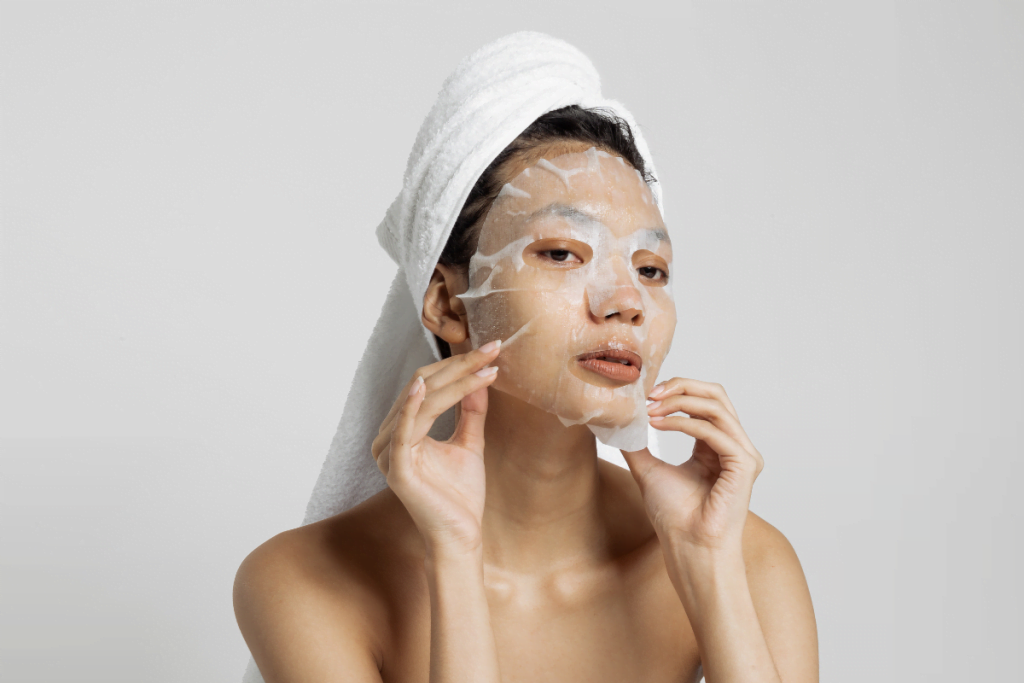
Hydrating masks are delivery formats, not a single active category. Most are cosmetic topical products designed to sit on the skin for several minutes, or sometimes remain as a thin leave-on film. Their main purpose is to improve short-term water retention and surface feel in the stratum corneum, the outermost skin layer.
A mask differs from a daily moisturizer because it usually creates a more controlled contact period. Sheet and hydrogel styles hold a water-rich phase close to the face. Cream masks may add a richer lipid or silicone phase. Leave-on “sleeping mask” formats behave more like heavy moisturizers with extra film formers.
Why this matters: patients often use the words “dry,” “dehydrated,” “tight,” and “sensitive” interchangeably. A mask can help improve comfort, but it does not replace the basics: gentle cleansing, consistent moisturization, sun protection, and appropriate spacing of irritating actives.
For teams mapping mask options within a wider skincare program, the Clinical Skincare category can help organize related topical products and education by use case.
Barrier Science: Why Hydration Feels Different From Moisture
Hydration describes water content in the skin surface, while moisturization often refers to water plus lipid support and reduced water loss. The distinction is useful in clinic counseling because a watery mask can feel refreshing without providing enough longer-lasting barrier support.
The stratum corneum is often described as a brick-and-mortar system. Corneocytes, the “bricks,” sit within a lipid matrix, the “mortar.” When that structure is disrupted, the surface can feel rough, sting more easily, or show visible flaking. Common contributors include over-cleansing, low humidity, frequent exfoliation, retinoid initiation, and some dermatologic conditions.
Transepidermal water loss, often shortened to TEWL, means water evaporation through the skin. Masks may temporarily reduce this loss by placing a semi-occlusive layer over the surface. That short window can increase flexibility and improve the feel of rough or tight skin.
Why it matters: A hydrating mask may improve comfort quickly, but persistent dryness still needs a barrier-supportive routine.
For deeper background on epidermal structure and barrier function, see Epidermis Barrier Health. That context helps staff explain why overuse of exfoliants or actives can undermine the same comfort patients are trying to achieve.
Ingredient Mechanisms Clinicians Should Recognize
The most useful way to assess hydrating masks is to group ingredients by function. Brand language changes often, but most formulas rely on humectants, occlusives, and emollients. These categories help staff compare products without overvaluing trend terms.
Humectants bind water
Humectants attract and hold water in the stratum corneum. Common examples include glycerin, hyaluronic acid, sodium PCA, urea in some cosmetic formulas, and certain glycols. Hyaluronic acid is widely used because it binds water well and gives a smooth, cushiony feel, though final performance still depends on the full formula and vehicle.
When a patient asks for “plumper” or “glowy” skin, they often mean the optical effect of improved surface hydration. Light reflects more evenly from a smoother hydrated surface. That effect can be useful before makeup, photography, or routine follow-up visits, but it should be framed as temporary surface conditioning.
A product example that reflects the broader hyaluronic acid category is Hyaluronic Acid 3.5. Use product pages as label-specific references only; avoid assuming that one ingredient predicts the whole clinical experience.
Occlusives reduce evaporation
Occlusives form a film that slows water loss. Petrolatum, mineral oil, dimethicone, waxes, and some plant-derived oils can act in this way. Occlusion is not inherently negative. It can be helpful for dry skin, but may feel heavy for people with oilier skin or acne-prone routines.
In mask formats, the substrate can also create occlusion. A well-fitting sheet or gel layer reduces airflow over the skin, even if the serum itself feels light. This is why fit and adherence can matter as much as the ingredient list.
Emollients smooth the surface
Emollients fill small gaps between surface cells and improve slip. Examples include fatty alcohols, triglycerides, squalane, and ester oils. They can make skin feel softer even when the water-binding effect is modest.
Some formulas add soothing-positioned ingredients such as panthenol, allantoin, or colloidal oatmeal. Others include antioxidant ingredients for broader skincare positioning. For a concise review of that category, see Antioxidants And Skincare.
Fragrance, high essential-oil loads, and aggressive exfoliating acids are common tolerance limiters. They deserve extra review when masks are used after procedures, during retinoid initiation, or in people reporting stinging and flushing.
Mask Formats and What to Expect in Practice
Format determines contact, evaporation, cleanup, and patient experience. Hydrating masks can contain similar ingredients but behave differently because of the vehicle and how long the product sits on the skin.
| Format | Best practical use | Common limitation | Clinic workflow note |
|---|---|---|---|
| Sheet or hydrogel | Even contact and short-term occlusion | Fit variation and fragrance sensitivity | Check sachet integrity and single-use handling |
| Cream rinse-off | Richer feel and flexible application | Uneven thickness and removal variability | Standardize application time and cleanup |
| Leave-on mask | Longer film and higher emolliency | Residue, pilling, or acne-prone discomfort | Review layering with actives and sunscreen |
| Clay-based mask | Oil absorption and matte feel | May increase tightness in dry skin | Consider limited or targeted use |
Sheet masks and hydrogel formats are often chosen for predictable contact. They hold serum against facial contours and limit evaporation. Cream masks may suit dry skin when the goal is cushion and lipid feel. Leave-on formats can be useful when staff want moisturizer-like wear, but they need careful counseling around layering.
Clay masks deserve separate handling. Many patients asking about “hydrating masks” also ask about pores, oil, or sebaceous filaments. Clay can absorb surface oil, but it is not the same as a hydrating format. In dry or sensitized skin, clay may increase tightness if not balanced with humectants and barrier support.
When clinics compare topical textures across routines, a simple hydrator such as Hylanses MD HA Advance Hydration Gel Cream can help staff distinguish daily leave-on hydration from short-contact mask use. The categories can complement each other, but they should not be presented as interchangeable.
How to Choose the Best-Fit Mask for Different Skin States
The “best” mask is the one that matches the skin state, current regimen, and tolerance history. Broad best-of claims are less useful in clinical settings because patient routines and triggers vary widely.
For dry or tight skin, look for humectants plus emollients and some occlusive support. For sensitized skin, prioritize simple formulas and avoid known triggers such as fragrance or strong exfoliating acids. For oily skin, choose lighter textures and avoid heavy residue if that reduces adherence. For mixed skin, targeted use may work better than a full-face protocol.
Post-procedure use needs extra caution. After microneedling, peels, lasers, or other barrier-disrupting services, internal protocols should control which products are used and when. Do not assume that a consumer hydrating mask is appropriate just because it feels soothing. Use only products and timing that align with the procedure protocol, product directions, and clinician judgment.
Quick tip: Record known triggers before introducing any new mask step.
Staff can also compare mask choices with adjacent skincare categories. A gentle cleanser, for example, may reduce the need for rescue hydration by lowering daily irritant burden. ZO Hydrating Cleanser is one example of a cleanser page that can support staff discussion about routine context rather than mask use alone.
Decision points for clinic counseling
- Skin state: dry, oily, mixed, or sensitized.
- Current actives: retinoids, acids, benzoyl peroxide, or prescriptions.
- Known triggers: fragrance, botanicals, lanolin, or acids.
- Use timing: routine care, pre-event comfort, or protocol support.
- Removal needs: rinse-off, peel-off, or leave-on film.
- Documentation: tolerance notes and product lot information.
If a patient wants “glow,” explain that surface hydration and emolliency can improve smoothness and light reflection. If the concern is persistent redness, cracking, pain, or scaling, the issue may need clinical review rather than another mask layer.
Common Pitfalls With Hydrating Mask Use
Most complaints come from mismatch, overuse, or poor layering. Hydrating masks are generally simple products, but irritation can occur when they are stacked with actives or used on compromised skin.
- Using too often: repeated occlusion can feel heavy or irritating.
- Stacking actives: acids and retinoids may increase stinging.
- Ignoring fragrance: sensitized skin may react quickly.
- Skipping moisturizer: hydration may fade without barrier support.
- Using clay broadly: oil control may worsen tightness.
- Applying after procedures: timing should follow clinic protocol.
One practical distinction helps: hydration is a short-term feel, while barrier care is a routine. Masks may support the first, but moisturizers, cleansers, sunscreen, and active spacing shape the second. For broader context on cream vehicles and routine selection, see Right Facial Cream.
Patients should be advised to report burning, swelling, hives, blistering, or worsening dermatitis. Those symptoms may require prompt clinical assessment, especially after procedures or when prescription topicals are involved.
Clinic Workflow: Sourcing, Storage, and Documentation
Operational control makes mask use more predictable. A product that looks simple still needs appropriate sourcing, intact packaging, clear lot information, and staff instructions. This is especially important when products are used in treatment rooms or dispensed as part of a clinic-directed routine.
MedWholesaleSupplies serves licensed clinics and healthcare professionals, with brand-name products sourced through vetted distributors and verified supply channels. For practice managers, that type of sourcing context supports traceability discussions, but each clinic still needs its own documentation process.
- Verify supplier: confirm account status and product source.
- Review product: check directions, warnings, and ingredient profile.
- Receive inventory: inspect cartons, sachets, tubes, and seals.
- Capture details: record lot numbers, expiry, and receipt condition.
- Store correctly: follow labeled temperature and light guidance.
- Train staff: standardize cleansing, timing, removal, and exclusions.
- Record tolerance: note patient-reported stinging or reactions.
Documentation does not need to be complex to be useful. A simple first-expiry, first-out process, visible directions for use, and a reaction reporting path can prevent avoidable confusion. If the mask is used around procedures, tie the product to the written protocol rather than informal staff preference.
Some clinics pair masks with daily moisturizers, mists, or antioxidant products as part of a broader topical routine. Examples of adjacent product textures include Sens-Age MD G-Activator Nourishing Facial Cream and C-Vit Mist. These links are useful for texture comparison, not default recommendations.
Authoritative Sources
- FDA cosmetics labeling guide
- FDA cosmetics laws and regulations
- Review of stratum corneum barrier function
Hydrating masks can be useful adjuncts when staff match the format to the skin state, check the ingredient profile, and document use consistently. The strongest protocols treat masks as one part of barrier care, not as a substitute for diagnosis, procedure aftercare, or a complete skincare routine.
This content is for informational purposes only and is not a substitute for professional medical advice.