


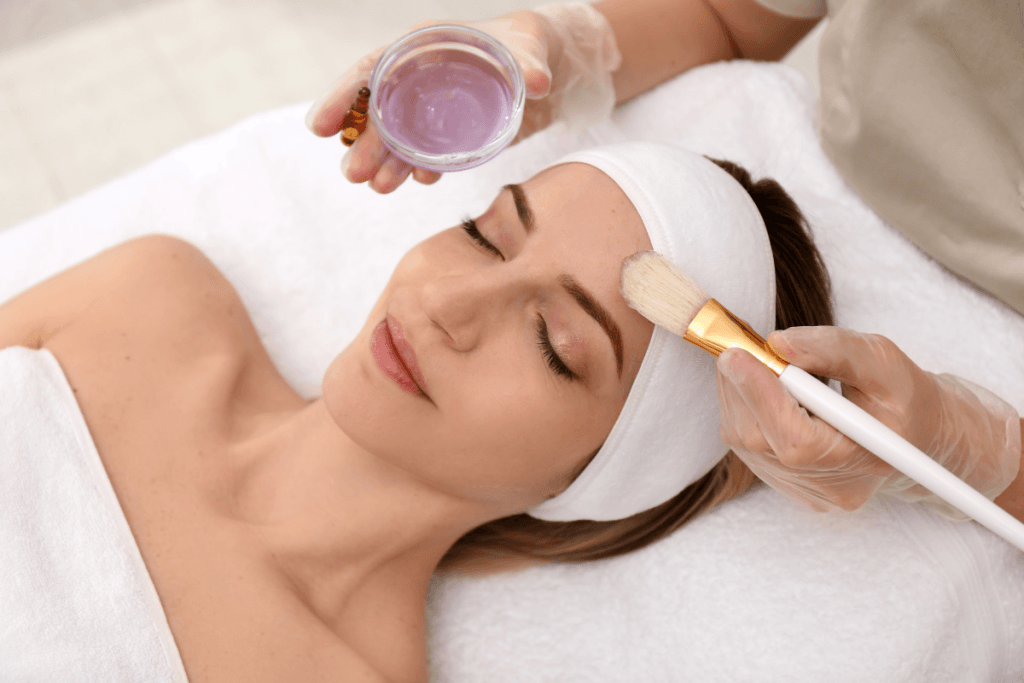
The prx-t33 peel is a professional chemical peel approach that clinics may consider for supervised skin-quality programs, but it still requires structured screening, clear consent, and label-aligned aftercare. Although it is often marketed as a “no-peel” option, patients can still develop irritation, dryness, erythema (redness), or pigment changes. Licensed teams should treat it as a clinical procedure, not a casual facial add-on.
Why this matters: outcomes depend on barrier status, pigment risk, procedure timing, home skincare, and patient adherence. A consistent workflow helps staff avoid overpromising, identify unsuitable candidates, and document product traceability. It also keeps patient-facing language aligned with the manufacturer’s instructions for use and clinic policy.
Key Takeaways
- Define the treatment: describe it as a supervised chemical procedure, not a guaranteed no-downtime service.
- Screen before scheduling: check barrier injury, active dermatitis, pigment history, medications, and recent procedures.
- Standardize counseling: explain that visible peeling is not required for a response and results vary.
- Document every visit: record baseline photos, consent, lot details, adverse events, and aftercare instructions.
- Control sourcing: use verified channels and keep receiving, storage, and product-identifier records.
What the Treatment Is and How to Describe It
A prx-t33 peel is commonly discussed as a TCA-based skin treatment designed for visible skin-quality improvement with less obvious surface peeling than some traditional peel approaches. In clinic language, that means it should be framed as controlled chemical stimulation and exfoliation, not as a procedure that “cannot peel” or “cannot cause downtime.” This distinction matters for consent and for adverse-event counseling.
Patients often arrive after seeing before-and-after images, short videos, or forum comments. Those sources can create an expectation of instant glow, minimal aftercare, and predictable change. Licensed staff should translate that interest into measurable treatment goals. Texture, dyschromia (uneven pigment), fine rhytids (fine lines), and atrophic acne scarring (depressed acne scars) should be documented separately.
When discussing the mechanism, keep language simple and label-aligned. PRX-type systems are generally described around ingredient interaction rather than peel depth alone. The formulation is associated with trichloroacetic acid, or TCA, combined with components intended to influence skin response. Avoid making unsupported claims about collagen production, scar correction, or equivalence to resurfacing devices unless those claims are supported by your product materials and medical director policy.
Visible peeling is also not a reliable success marker. Some patients may notice tightness or mild flaking, while others may show limited surface shedding. Staff should monitor symptoms and skin response rather than encourage patients to “push through” irritation or intensify exfoliating skincare after treatment.
Candidate Screening and Contraindication Review
Candidate selection is the strongest risk-control point in a prx-t33 peel workflow. Before treatment, clinics should assess whether the patient’s current skin barrier, diagnosis, and near-term schedule support a chemical procedure. A patient with inflamed skin, recent sunburn, active dermatitis, or recent aggressive exfoliation may need postponement or medical review.
Use the intake process to separate cosmetic goals from clinical risk factors. Record Fitzpatrick skin type, history of post-inflammatory hyperpigmentation (PIH, dark marks after irritation), current topical actives, recent procedures, and prior peel reactions. Ask about retinoids, acids, scrubs, benzoyl peroxide, prescription acne therapies, waxing, lasers, microneedling, and recent injectable visits. These details affect tolerability and scheduling.
Pregnancy and lactation questions require careful wording. If a patient asks whether treatment is safe during pregnancy, avoid reassurance unless the product labeling, medical director policy, and local scope rules clearly support that statement. Document the discussion and defer to the IFU, medical oversight, and obstetric guidance when relevant.
Periorbital use deserves separate caution. The skin around the eyes is thinner, more sensitive, and closer to structures where irritation can be more consequential. If patients ask about under-eye results, staff should discuss anatomy-specific risk, product-label limitations, and provider experience rather than relying on anecdotal images.
Practical Screening Prompts
- Barrier status: check dryness, fissuring, dermatitis, and recent irritation.
- Pigment risk: document PIH history, melasma, and sun exposure patterns.
- Medication context: review current topical and systemic therapies within clinic policy.
- Procedure timing: ask about recent peels, waxing, lasers, injectables, and microneedling.
- Adherence capacity: confirm the patient can pause irritants and follow sun precautions.
For broader skin-quality planning, teams may use internal educational context such as Prx T33 Treatment to support staff discussions. Keep patient-facing claims more conservative than marketing shorthand.
Expected Reactions, Downtime, and Results Counseling
Downtime counseling should focus on functional impact, not a guaranteed number of days. Patients may experience transient erythema, stinging, burning, tightness, dryness, mild swelling, or localized flaking. Less common concerns can include contact dermatitis (skin inflammation from irritation or allergy), prolonged irritation, or pigment change.
When patients ask whether the prx-t33 peel “works,” the most accurate answer is that response varies by indication, skin type, baseline barrier health, home regimen, and whether the treatment is part of a broader plan. A patient seeking general brightness may judge results differently from a patient seeking acne-scar improvement or melasma control. Avoid using a single before-and-after example as a universal benchmark.
Patients also ask how long results last. Clinics should avoid promising a fixed duration. Skin appearance changes over time due to ultraviolet exposure, inflammation, hormones, aging, skincare use, and maintenance choices. Instead, document the intended endpoint for each patient and define the clinic’s review schedule.
Quick tip: Build consent language around variable response, possible irritation, and aftercare adherence.
Staff should also explain that “no visible peel” does not mean “no skin response.” Some patients may assume they can resume retinoids, acids, scrubs, or tanning quickly if they do not see flaking. That behavior can increase irritation and PIH risk. A written hold list is clearer than verbal advice alone.
Procedure-Day Workflow for Licensed Teams
A consistent procedure-day workflow reduces variation between providers and rooms. The exact sequence should follow the manufacturer’s instructions for use, medical director standing orders, and any jurisdiction-specific training requirements. Do not create improvised contact times or application patterns from social media or patient anecdotes.
Many clinics build the visit around a repeatable structure: verify eligibility, confirm consent, photograph baseline status, cleanse the skin, apply according to protocol, monitor patient sensation, stop when required, provide aftercare, and document product identifiers. The supervising provider should define pause points and escalation steps before the service is offered.
Use plain stop-rules. Escalating pain, unexpected swelling, sharply demarcated erythema, urticarial change, or signs of barrier breakdown should trigger provider review under clinic policy. Staff should know where emergency supplies are kept and how to record an adverse event. These steps are part of clinical governance, not optional administration.
Documentation Elements to Standardize
- Baseline record: capture photos, Fitzpatrick type, concerns, and recent skincare.
- Consent details: note risks, alternatives, variable outcomes, and aftercare duties.
- Product traceability: record brand, lot number, expiration date, and application site.
- Visit response: document sensation, erythema, stop points, and post-treatment findings.
- Follow-up plan: define expected contact timing and symptoms requiring review.
For clinics comparing peel workflows, BioRePeel Workflow offers useful adjacent context on documentation and safety controls. Use comparisons to strengthen protocols, not to imply that one peel is interchangeable with another.
Aftercare Messaging and Combination Planning
Aftercare should be written, specific, and easy for staff to repeat. Instead of saying “use gentle products,” list the product categories to pause according to clinic policy. Typical examples include retinoids, exfoliating acids, scrubs, strong acne actives, and other irritants. Sun-protection counseling should be clear because ultraviolet exposure can worsen irritation and pigment risk after chemical procedures.
The aftercare handout should also define when the clinic wants to hear from the patient. Persistent burning, increasing swelling, blistering, crusting, spreading rash, eye symptoms, or significant pigment change should prompt clinical review. This is especially important for patients with prior PIH, melasma, reactive skin, or high occupational sun exposure.
Combination planning needs restraint. If a patient asks about pairing the prx-t33 peel with microneedling, lasers, injectables, or other peels, treat that as a protocol decision. Combination treatments can change irritation patterns, penetration, scheduling, and consent requirements. Require explicit medical oversight, staff training, and documentation before layering procedures.
Sequencing also matters for patient expectations. If someone receives neuromodulators, fillers, skin boosters, or device procedures near a peel visit, chart those treatments so outcome review remains meaningful. If your team needs broader peel education, Chemical Peels can support staff-level background reading.
How It Compares With Other Peel Options
Clinic comparisons should focus on treatment category, reaction pattern, and patient suitability rather than brand-versus-brand claims. Traditional TCA peels are often discussed by concentration, depth, endpoint, and expected desquamation (shedding). Combination peel systems may be discussed more by protocol, tolerability, and visible surface response.
Patients may ask about PRX-type treatments compared with VI Peel, BioRePeel, Cosmelan, or other professional approaches. The clinically useful answer depends on the concern being treated. Pigment management, acne-prone skin, texture, photoaging, and scar appearance often require different protocols and different aftercare emphasis.
For example, pigment-focused protocols may require stronger attention to sun behavior and pre-treatment planning. Acne-prone patients may need inflammatory acne controlled first. Texture concerns may overlap with device or injectable planning. Clinics can use a decision aid that lists contraindications, expected reaction patterns, visit frequency considerations, and what outcome measures will be tracked.
Related staff resources may help place each approach in context. BioRePeelCl3 discusses another biostimulating peel category, while Mediderma Peel Products provides broader professional skincare range context. Avoid using related products as direct substitutes unless your medical director has reviewed the specific protocol.
Procurement, Storage, and Traceability
Procurement is part of the safety workflow for a prx-t33 peel. Licensed clinics should verify that products come through appropriate professional channels, are received in suitable condition, and are stored according to the manufacturer’s requirements. Receiving logs and lot-level charting make delayed adverse-event review more accurate.
MedWholesaleSupplies serves licensed clinics and healthcare professionals as a B2B supplier, with brand-name medical products sourced through vetted distributors and verified supply channels. That context is most relevant when clinics evaluate sourcing consistency, documentation needs, and access controls for in-practice products.
Storage and access should be governed by clinic policy. Keep the IFU accessible at point of care, restrict use to trained staff within scope, and separate opened product handling from general retail skincare inventory. If your jurisdiction expects proof of training, file certificates with standing orders and protocol documents.
Internal navigation can also support staff organization. The Clinic Operations category may help practice teams review broader workflow topics, while Clinical Skincare can support non-promotional browsing across related regimen education.
Authoritative Sources
Use label-neutral safety references when building peel policies, then align final clinic steps with the product IFU and local scope rules. Authoritative sources can support risk counseling, but they do not replace manufacturer training.
- NCBI Bookshelf on Chemical Peels covers peel types, complications, contraindications, and risk factors.
- NCBI Bookshelf on TCA Peels provides clinical background on trichloroacetic acid peel considerations.
In summary, treat the prx-t33 peel as a supervised chemical procedure with clear candidate screening, conservative claims, written aftercare, and traceable sourcing. The strongest clinic protocols make expectations measurable, define stop-rules, and keep combination treatments under medical oversight.
This content is for informational purposes only and is not a substitute for professional medical advice.




