
Description
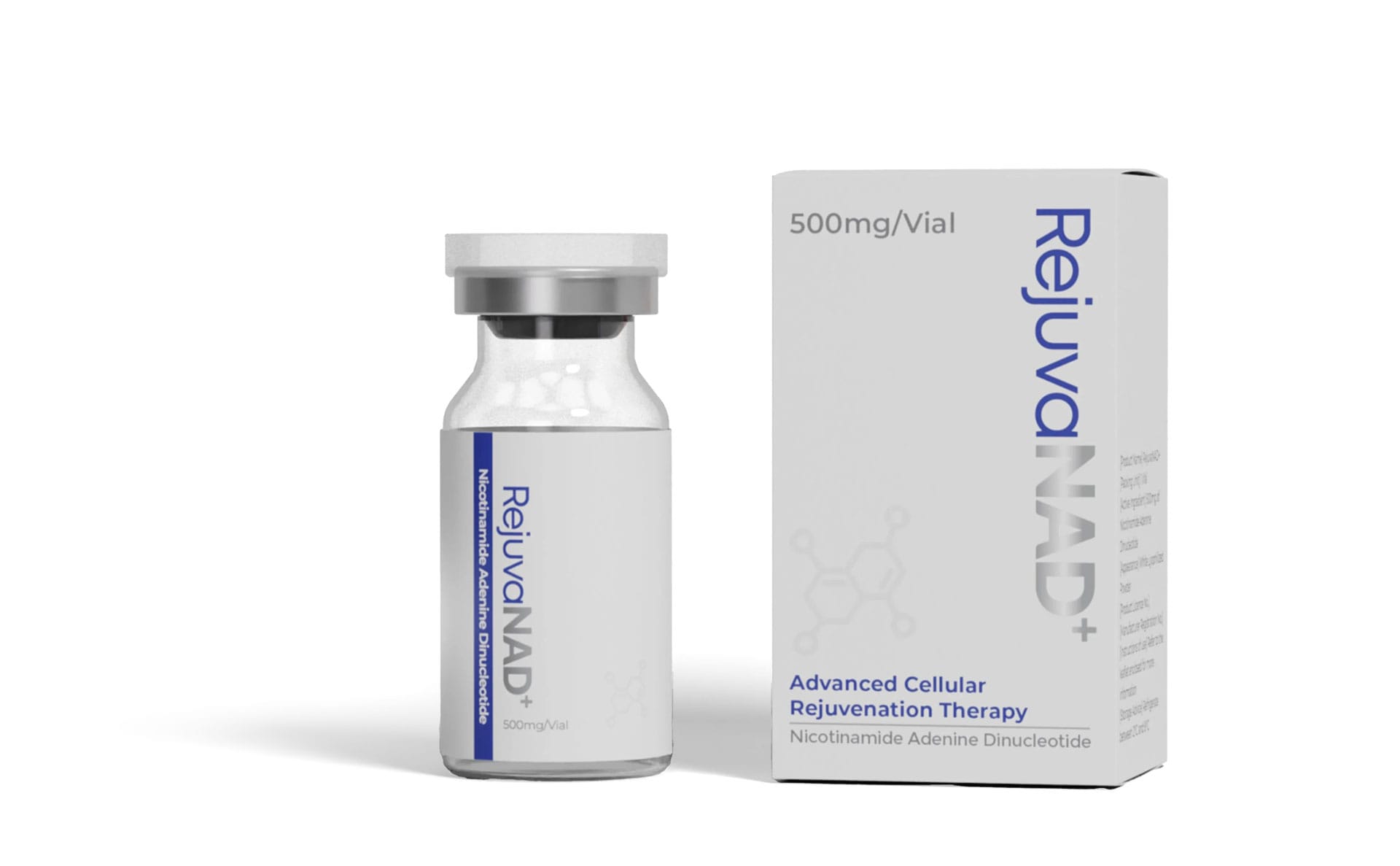
RejuvaNAD+ is an NAD+ supplement used in professional wellness settings for cellular energy and metabolic support protocols. Licensed clinics and healthcare professionals can order RejuvaNAD+ for use within documented supplement workflows, with form, serving size, ingredient details, and price confirmed during ordering and at receiving.
Clinic teams should treat RejuvaNAD+ as a dietary supplement, not as a prescription drug or a substitute for disease treatment. The most important buying checks are the Supplement Facts panel, lot and expiry details, storage instructions, ingredient sensitivities, and whether the product fits the clinic’s written wellness or aesthetics protocol.
RejuvaNAD+ Price, Ordering, and Clinic Account Use
Clinics can buy RejuvaNAD+ through a professional ordering workflow and view current price information before completing the order. Because supplement presentations can change by manufacturer release, staff should select the RejuvaNAD+ format shown during ordering and reconcile it against the physical label when the shipment is received.
For B2B use, keep the purchasing account aligned with the licensed clinic or healthcare entity that will receive and manage the product. A simple intake file should include the facility name, designated receiving contact, tax or purchasing documentation, and the internal department responsible for supplement storage and counseling.
Quick tip: Store license, tax, receiving, and product intake records in one shared compliance folder.
When placing a clinic order, consider whether temperature-controlled handling when required and tracked US delivery should be requested for the shipment. Receiving staff should inspect the outer packaging, confirm unit count, record lot number and expiration date, and quarantine any product with damaged seals or unclear labeling until the discrepancy is resolved.
Intended Use and NAD+ Supplement Context
RejuvaNAD+ is positioned in the wellness category as a nicotinamide adenine dinucleotide supplement. NAD+ is a coenzyme involved in oxidation-reduction reactions, which are electron-transfer processes that support normal cellular energy metabolism. Clinics commonly discuss NAD-focused products in plain-language terms such as cellular energy support, metabolic support, or wellness protocol support.
Dietary supplements in the United States do not receive FDA approval to diagnose, treat, cure, or prevent disease in the same way drugs do. For RejuvaNAD+, clinic documentation should tie use statements to the product label, Supplement Facts panel, manufacturer substantiation, and internal protocols rather than therapeutic disease claims.
Patients may ask whether NAD+ is similar to GLP-1 medicines such as Ozempic. It is not. NAD+ supplements and GLP-1 receptor agonists belong to different categories, have different mechanisms, and should not be presented as interchangeable products. RejuvaNAD+ belongs in a supplement review and counseling workflow, not in a prescription weight-management or diabetes medication framework.
How NAD+ relates to cellular metabolism
NAD+ participates in redox reactions that help cells convert nutrients into usable energy. It also serves as a substrate for enzymes involved in cellular signaling and DNA repair pathways. Endogenous NAD+ levels can vary with age, diet, physiologic stress, and health status, which is why clinics may see interest in NAD booster supplement protocols.
The term NAD booster can refer to different ingredients, including NAD+ itself or precursors such as niacinamide, nicotinamide riboside, or nicotinamide mononucleotide. Ingredient-specific review matters because tolerability, total vitamin B3 intake, excipients, and counseling points can differ by formulation.
Form, Strength, Packaging, and Label Verification
RejuvaNAD+ format should be confirmed from the order screen and the container label. Clinics may encounter NAD-related supplements in presentations such as capsules, tablets, powders, liquids, or liposomal preparations, but the exact RejuvaNAD+ form and serving directions should come from the product label used for the clinic’s lot.
Before placing units into routine inventory, receiving staff should document the container count, lot number, expiration date, serving size, ingredient list, allergen statements, and storage instructions. Any change in excipients, daily serving directions, or package configuration should trigger a label review before staff recommend or dispense the product.
| Clinic check | Why it matters |
|---|---|
| Supplement Facts panel | Confirms active ingredients, serving size, and total daily intake considerations. |
| Lot and expiration date | Supports traceability for quality concerns and recalls. |
| Allergen and excipient statements | Helps staff screen for sensitivities before recommendation. |
| Storage instructions | Protects product integrity and keeps handling consistent across staff. |
| Packaging count | Improves inventory rotation and program planning. |
If the clinic offers other wellness injectables, peptide-related products, or antioxidant protocols, keep RejuvaNAD+ documentation distinct from those categories. Related professional-use products such as NAD, SS-31, MOTS-c, Epithalon, and L-Glutathione should be assessed under their own labels and clinic protocols.
Administration and Professional Counseling Workflow
RejuvaNAD+ should be used according to the manufacturer’s label directions and the clinic’s governance for supplement recommendations. For many practices, administration is primarily a counseling and documentation workflow: confirm current medications, screen for sensitivities, identify relevant comorbidities, and record the recommendation in a consistent note template.
Staff should avoid turning wellness language into disease claims. For example, cellular energy support is a supplement-style structure/function discussion, while claims to treat fatigue syndromes, neurodegenerative disease, diabetes, obesity, or aging-related disease require a different evidentiary and regulatory basis. If a patient asks about using RejuvaNAD+ for a diagnosed condition, the question should be escalated to the responsible clinician.
When the product is part of a structured wellness program, standardize intake questions around timing, tolerance, adherence, and concurrent supplements. Avoid starting several new supplements at the same time, because simultaneous starts make it harder to identify the cause of headache, gastrointestinal upset, sleep disruption, rash, or other symptoms.
For aesthetics practices that also offer wellness support, staff training should separate oral or supplement-based cellular support from procedure-based skin therapies. Background reading such as anti-aging with peptides for skin can help teams keep product categories clear during patient conversations.
Storage, Handling, and Inventory Controls
Store RejuvaNAD+ according to the label instructions. In many supplement settings, practical controls include controlled room temperature, protection from excess heat, and limiting humidity exposure. Containers should remain in their original packaging so lot, expiry, Supplement Facts, and manufacturer directions remain visible.
Use first-expire, first-out rotation and keep supplement SKUs separate from prescription or procedure-room inventory. A clearly labeled area for patient sale, patient dispense, or in-clinic protocol use reduces mix-ups and helps staff find the correct documentation during audits or adverse event review.
Why it matters: Clear lot tracking helps clinics respond quickly to quality questions or manufacturer notices.
If a storage issue occurs, document the date, product identity, lot number, location, estimated temperature or humidity concern, and staff action taken. Products with compromised seals, unknown storage history, or label damage should not be placed back into routine clinic stock without management review.
Contraindications, Warnings, Interactions, and Monitoring
Contraindications and cautions should be assessed from the complete ingredient list, not the product name alone. Extra caution is commonly appropriate for pregnancy, lactation, pediatric use, significant hepatic impairment, significant renal impairment, and prior hypersensitivity to ingredients or excipients. Products that include vitamin B3-related compounds may require attention to total intake from multivitamins, fortified foods, and other supplements.
Potential tolerability issues with NAD-related products may include nausea, abdominal discomfort, headache, sleep disruption, or general intolerance. If a formulation contains niacin or related vitamin B3 compounds, some individuals may experience flushing, warmth, redness, or itching. Counseling should describe these possibilities without implying that they are expected for every user.
Medication review is an important safeguard. Patients taking anticoagulants or antiplatelet drugs, antihypertensives, diabetes medicines, statins, hepatically metabolized therapies, or multiple supplements should have the full regimen reviewed by a clinician. The concern is not a single universal interaction; it is the potential for additive effects, overlapping adverse profiles, or difficulty attributing new symptoms.
Serious reactions require urgent evaluation. Facial swelling, breathing difficulty, widespread rash, severe dizziness, chest symptoms, or rapid symptom escalation should be treated as time-sensitive. Clinic documentation should include timing of use, amount used according to label directions, lot and expiry, concurrent products, and the action taken.
Monitoring should match the clinic’s scope and patient population. At minimum, staff should record baseline comorbidities, medication and supplement lists, prior adverse reactions, and the counseling points provided. If labs are used as part of a broader wellness program, the rationale and follow-up thresholds should be clinician-directed rather than tied to unsupported product claims.
Daily Use Questions and Patient Expectations
Patients may ask what happens if they take NAD+ every day. The answer depends on the exact ingredient profile, serving directions, total intake from other products, and individual risk factors. Clinics should direct patients to follow the manufacturer’s label and avoid dose escalation unless a qualified clinician has reviewed the full context.
The downside of NAD-focused supplements is usually practical rather than dramatic: uncertain expectations, variable formulations, possible gastrointestinal or sleep-related intolerance, interaction complexity, and the risk of treating a wellness product like a disease therapy. Clear counseling helps patients understand that supplementation is only one part of nutrition, sleep, exercise, medication adherence, and clinician-directed care.
RejuvaNAD+ should not be positioned as an anti-aging cure. Marketing language around longevity, focus, recovery, or vitality should be translated into compliant structure/function language and tied to what the label supports. For skincare-oriented practices, related background on antioxidants and skincare may help staff distinguish nutrition, supplement, and procedure claims.
Substitutions and Related Clinic Choices
If RejuvaNAD+ is substituted with another NAD-related product, the replacement should be treated as a new review. Ingredient identity, ingredient amounts, serving size, excipients, allergens, storage instructions, and counseling language may differ. Do not assume that two NAD booster supplement products are equivalent because their marketing category sounds similar.
Clinics comparing products should separate oral supplement protocols from injectable, peptide-related, or antioxidant modalities. NAD-related products may sit near wellness protocols, while L-glutathione and peptide-associated products require their own sourcing, handling, and clinical governance review. Internal protocols should define who may recommend each category and what documentation is required.
A substitution decision should include the reason for change, label comparison, staff communication, and any update to patient-facing instructions. If the clinic runs bundles, starter kits, refill workflows, or subscription-style wellness programs, every component should be documented by lot and label rather than by program name alone.
Authoritative Sources
Regulatory context for dietary supplements in the United States: FDA Dietary Supplements.
Background on vitamin B3, niacin forms, intake, and safety considerations: NIH Office of Dietary Supplements: Niacin.
This content is for informational purposes only and is not a substitute for professional medical advice.
Frequently Asked Questions
Is RejuvaNAD+ FDA approved?
RejuvaNAD+ is positioned as a dietary supplement. In the United States, dietary supplements do not receive FDA approval to diagnose, treat, cure, or prevent disease in the same way prescription drugs do. Clinics should base use statements on the label, Supplement Facts panel, manufacturer documentation, and internal protocols.
What should clinics verify before ordering RejuvaNAD+?
Clinics should verify the form shown during ordering, current price, Supplement Facts panel, serving directions, lot and expiry controls, storage instructions, allergen statements, and receiving workflow. The clinic should also define who may recommend the product and how counseling is documented.
Is NAD+ the same as Ozempic or other GLP-1 medicines?
No. NAD+ supplements and GLP-1 receptor agonist medicines are different product categories with different mechanisms and clinical uses. RejuvaNAD+ should not be presented as interchangeable with diabetes or weight-management medicines.
What are common downsides or cautions with NAD+ supplements?
Possible downsides include gastrointestinal upset, headache, sleep disruption, flushing when certain vitamin B3 forms are present, interaction complexity, and unrealistic expectations. Clinics should review the full ingredient list and the patient’s medications and supplements before recommendation.
How should RejuvaNAD+ be stored in a clinic?
Store RejuvaNAD+ according to the label. Typical supplement controls include protection from excess heat and humidity, keeping containers in original packaging, recording lot and expiration details, and using first-expire, first-out rotation.
Can clinics substitute another NAD booster for RejuvaNAD+?
A substitution should be treated as a new product review. Ingredient identity, ingredient amounts, excipients, allergens, serving directions, and storage requirements may differ even when products share an NAD-focused wellness category.
Specifications
- Main Ingredient:
- Manufacturer: Penmix Co., Ltd.
- Drug Class: Medical Device
- Generic Name: Nicotinamide adenine dinucleotide (NAD⁺)
- Package Contents: 500 mg x 1 Vial
- Storage Requirements: Room Temperature (2℃~25℃)
- Main Usage:
Here to help
Questions about ordering, delivery or products? You can email our team here or call now at 1-800-630-9757 and be connected with your dedicated Account Manager
Related Products
Prolia® (International English)
Prescription Medication
$529.00 - $549.00
You save
You save
Evenity® (English Alternative)
Injectable Medication
$1,229.00 - $1,299.00
You save
You save
Intraline® For Men
Dermal Filler
$59.00 - $79.00
You save
You save
RejuvaNAD+ Pro
Injectable Medication
$237.00 - $249.00
You save
You save
Related Articles
Prednisone in Clinical Care: Uses, Risks, and Monitoring
Prednisone is a prescription systemic corticosteroid used to reduce inflammation or suppress immune activity in…
Lip Fillers Swelling Stages: Timeline, Safety, and Follow-Up
Lip fillers swelling stages usually follow a short inflammatory course: swelling appears soon after injection,…
Hypopigmentation of the Skin: Assessment and Care
Hypopigmentation of the skin means one or more areas look lighter than the surrounding skin.…
Radiesse vs Sculptra: Selection Factors for Clinics
Radiesse vs Sculptra is best understood as a comparison between two collagen-stimulating injectables with different…
Hyaluronic Acid Under-Eye Filler: Safety and Workflow
Hyaluronic acid under-eye filler is an injectable soft-tissue filler used by trained aesthetic clinicians to…
Dermal Filler Types: Materials, Uses, and Clinic Fit
Dermal filler types are usually grouped by their base material, tissue behavior, and expected role…
What Is Dysport? Clinical Uses, Safety, and Workflow
For clinic teams asking what is Dysport, the short answer is simple: Dysport is a…
Biostimulators in Aesthetic Care: Selection and Safety
Biostimulators are injectable aesthetic products used to encourage a controlled tissue response, often involving new…