

- You must be logged in to add items to the cart.
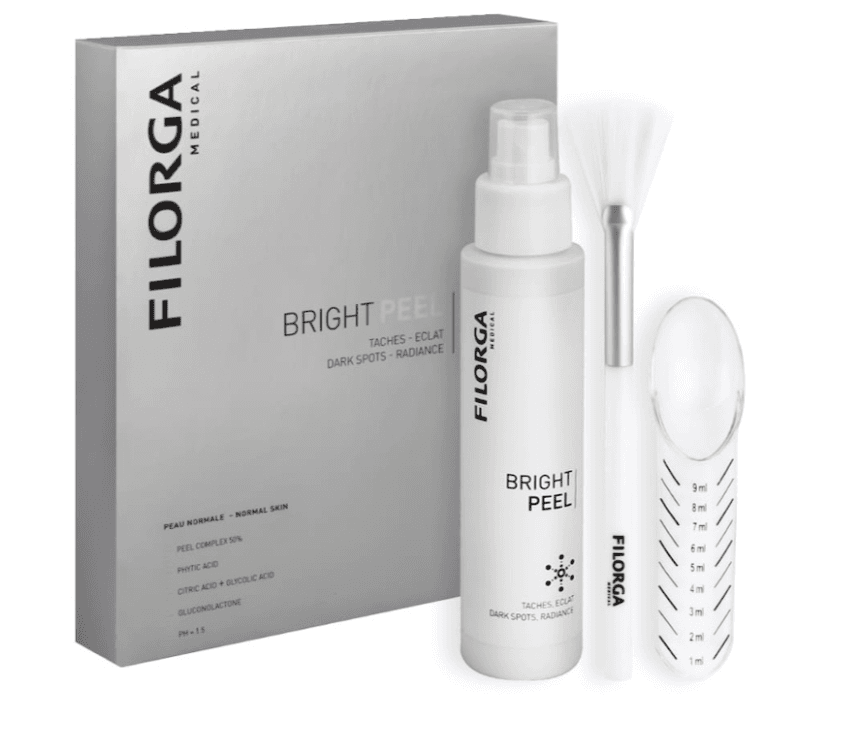
Filorga® Bright Peel (Normal Skin)
Buy Wholesale Filorga® Bright Peel (Normal Skin)
Dermal Filler
$149.00
You save (%)
Description
Filorga® Bright Peel (Normal Skin) is a professional chemical peel solution for topical use in clinical aesthetic settings. Licensed clinics, med spas, and healthcare professionals can buy Filorga Bright Peel Normal Skin for brightening-focused protocols that require a 100 mL bottle, measure, and application brush. The formula is positioned for normal skin and combines a 50% peeling complex with a low pH system for supervised, controlled exfoliation.
Med Wholesale Supplies supplies brand-name clinic products through vetted distribution channels for professional-use ordering. This peel fits treatment-room workflows where trained staff need consistent handling, clear component information, and a format that supports multiple sessions. It is available through US distribution with practical logistics for clinic inventory planning.
Clinic Ordering, Price, and Access
Qualified facilities can sign in to view the current Filorga Bright Peel Normal Skin price, volume considerations, and available clinic purchasing details. The 100 mL bottle format is useful for practices that schedule peel treatments regularly and want a standardized product for brightening and tone-refinement menus. Account verification may apply because this is intended for professional use rather than retail self-application.
When planning an order, match the peel to your clinic protocol, staff training level, and the skin presentations your clinical lead has approved for treatment. Many practices place this product alongside preparation and aftercare items to reduce room-to-room variability. For broader assortment planning, the Peels and Masks category can help teams group resurfacing products in one purchasing workflow.
Quick tip: Align reorder timing with scheduled peel series, staff training days, and post-care inventory needs.
What the Peel Is and How It Works
Filorga® Bright Peel (Normal Skin) is a clinic-use chemical peel formulated for normal skin. It combines gluconolactone, a polyhydroxy acid, with an AHA blend that includes glycolic acid and citric acid, plus phytic acid for tone-refinement support. The supplied component information identifies a peeling complex at 50% and an approximate pH of 1.5.
The peel supports superficial keratolysis, meaning it helps loosen and remove surface-level dead skin cells under professional supervision. This mechanism is commonly used in aesthetic protocols that target dullness, visible uneven tone, and rough surface texture. Results and tolerance depend on patient selection, skin preparation, contact time, aftercare, and the clinician’s judgment.
Gluconolactone is often described as a polyhydroxy acid with a generally milder sensory profile than some classic AHAs, while glycolic and citric acids contribute to AHA exfoliation. Phytic acid is included in many cosmetic formulas for tone and clarity support. The low pH increases peel activity, so treatment should remain within established clinic procedures and not be treated as home-use exfoliation.
Professional Applications for Normal Skin
Clinics use this brightening peel for normal skin in aesthetic workflows that prioritize radiance, smoother surface texture, and more even-looking tone. It can be positioned as an entry-to-mid-level resurfacing option within a menu that separates sensitive-skin, normal-skin, and anti-aging peel pathways. The product is especially practical when a team wants one brightening-oriented solution with measured accessories for repeatable application.
In practice, this peel may be scheduled within seasonal refresh programs, tone-refinement plans, or multistep facial protocols when appropriate for the patient. Treatment teams often pair chemical exfoliation with hydration-focused aftercare and sun-avoidance instructions. Contact time, treatment interval, neutralization, and post-procedure guidance should follow your clinic’s protocol and the supervising professional’s assessment.
For staff education and menu planning, the Filorga-focused article on Bright Peel protocol considerations can support class-level discussion without replacing product labeling or in-office training. Practices building broader resurfacing menus may also use chemical peel treatment planning content to frame how peels differ by objective, depth, and patient tolerance.
Key Product Features
- Professional topical peel for clinic and med spa protocols.
- Formulated for normal skin in brightening-focused treatment menus.
- Includes a 100 mL bottle, measure, and application brush.
- Peeling complex listed at 50% for professional use.
- Approximate pH 1.5 for active, low-pH exfoliation.
- Combines gluconolactone with glycolic, citric, and phytic acids.
- Supports superficial resurfacing objectives under trained supervision.
- Single-bottle format helps simplify stocking and staff familiarization.
Ingredients and Acid Profile
The acid profile is the main decision point for clinics evaluating this Filorga chemical peel Bright Peel solution. Glycolic acid is a commonly used alpha hydroxy acid that supports surface exfoliation. Citric acid is another AHA used in cosmetic acid blends. Phytic acid is frequently selected for formulas intended to refine the appearance of uneven tone.
Gluconolactone adds a polyhydroxy acid component. Polyhydroxy acids have a larger molecular structure than many AHAs, which is one reason they are often associated with a gentler-feeling profile in cosmetic use. That does not make the peel risk-free; a pH around 1.5 requires controlled contact time, professional observation, and suitable post-care.
| Component | Clinic relevance |
|---|---|
| Glycolic acid | AHA used for superficial exfoliation and texture refinement. |
| Citric acid | AHA used in brightening and resurfacing blends. |
| Phytic acid | Acid used in formulas targeting tone clarity. |
| Gluconolactone | Polyhydroxy acid with generally milder sensory expectations than some AHAs. |
| Approximate pH 1.5 | Low-pH system requiring trained application and monitoring. |
Packaging, Storage, and Treatment-Room Handling
The kit includes one 100 mL bottle of Filorga® Bright Peel (Normal Skin), a measure, and an application brush. This configuration supports controlled dispensing and even application across the treatment area when used by trained staff. The bottle size also helps clinics manage multiple appointments without switching product formats between sessions.
Store the peel tightly closed and protect it from excessive heat or light according to label directions. Keep acid products separated from incompatible supplies and make sure staff can identify preparation, application, neutralization, and post-care steps before treatment begins. The SKU reference used for this item is 87818, which may assist internal inventory records and purchasing workflows.
For clinics standardizing peel-room setup, consider pairing the peel with Filorga Pre Peel for skin preparation and Filorga Post Peel for immediate aftercare steps. Orders can be coordinated with temperature-controlled handling when required and tracked US delivery.
Protocol Fit and Staff Workflow
Filorga® Bright Peel can help clinics create a clear normal-skin pathway between milder facial treatments and stronger resurfacing protocols. A standardized peel supports staff training because the accessories, acid profile, and handling expectations remain consistent from session to session. That consistency is valuable in practices with several providers working from the same treatment menu.
Before application, teams should document the skin assessment, recent procedures, current topical product use, photosensitivity risks, and the treatment goal. During treatment, observe expected sensory responses and visible erythema according to protocol. After treatment, provide post-care instructions that emphasize barrier support, avoiding unnecessary irritation, and UV protection.
The peel may also complement non-acid rejuvenation services when the clinical lead separates appointment timing and aftercare appropriately. For example, some clinics review products such as FILLMED Bright Peel for normal skin when evaluating brand continuity or replacement naming, while others compare acid-based services with non-acid options in their broader menu.
Safety, Sensitivity, and Professional Precautions
Transient stinging, warmth, erythema, tightness, dryness, and flaking can occur with low-pH chemical peel use. These responses may be expected within a supervised peel protocol, but they still require active observation. Stop or adjust treatment according to your clinic procedures if sensitivity exceeds expected limits or the skin response appears inappropriate.
Use caution with sensitized skin, compromised barrier function, recent aggressive exfoliation, recent sun exposure, or product histories that increase irritation risk. Clinician judgment is especially important for higher Fitzpatrick skin types, patients with a history of post-inflammatory hyperpigmentation, and anyone using topical products that may affect peel tolerance. Patch or test-spot procedures may be appropriate when your protocol requires them.
Post-care should focus on protecting the treated skin while exfoliation progresses. Patients should avoid unprotected UV exposure and follow the clinic’s written aftercare instructions. For additional context on pigmentation-focused peel planning, the article on chemical peels for dark spots and uneven tone can help staff discuss expectations responsibly within professional boundaries.
How It Compares with Related Filorga Peels
Selection within the Filorga peel range depends on skin type, treatment objective, and tolerance. Bright Peel is positioned for normal skin and tone-focused resurfacing. A clinic may choose a different peel when the main goal is anti-aging resurfacing, or when the patient presentation calls for a gentler sensitive-skin pathway.
Filorga Time Peel for normal skin is commonly considered when protocols emphasize aging-related texture and resurfacing objectives. Filorga Light Peel for sensitive skin may be more suitable for menus that need a lower-intensity route for sensitive presentations. The choice should reflect clinical assessment rather than a one-product approach to all peel candidates.
Practices that want to see brand-adjacent products can browse the Filorga brand assortment. For supportive home-care or procedure-adjacent items used within clinic workflows, the Skincare category can help teams plan complementary products without mixing them into the peel’s professional-use instructions.
Common Clinic Questions About Use Expectations
Questions about how long before results appear should be answered conservatively. Some patients may notice brighter-looking skin after exfoliation and recovery, while tone and texture programs often require a series designed by the clinic. Avoid promising a fixed timeline because peel response depends on skin condition, contact time, interval planning, sun exposure, and aftercare adherence.
Questions about nightly use usually refer to consumer exfoliating products, such as leave-on creams, rather than this professional peel. Filorga® Bright Peel (Normal Skin) is not a nightly home-care product. It is a clinic-use peel that should be applied only within a professional protocol by trained personnel.
Questions about the strongest chemical peel for the face also need context. Strength is not only a percentage; acid type, pH, contact time, preparation, skin type, and procedure depth all influence risk and effect. For a normal-skin brightening protocol, this product’s 50% peeling complex and low pH make professional oversight central to safe use.
Authoritative Sources
For safety context on alpha hydroxy acids and ingredient-level reference information, clinics may consult regulator and scientific sources in addition to product labeling and internal protocols.
Order Planning for Clinics
Filorga® Bright Peel (Normal Skin) is best stocked as part of a complete peel workflow, not as a standalone room item. Plan alongside cleansing, preparation, application, neutralization or post-peel steps, written aftercare, and staff documentation. This approach helps reduce avoidable variation and keeps treatment expectations clear across providers.
Sign in to view current clinic access and purchasing details. If your facility is consolidating shipments, group this peel with related preparation and aftercare products so treatment rooms remain stocked for scheduled appointments. Keep internal records for lot rotation, storage checks, and protocol placement so the product remains easy for staff to identify and use correctly.
This content is for informational purposes only and is not a substitute for professional medical advice.
Frequently Asked Questions
Who can order Filorga® Bright Peel (Normal Skin)?
It is intended for licensed clinics, med spas, and healthcare professionals using professional chemical peel protocols. Account verification or professional-use requirements may apply before purchase.
What comes in the Filorga Bright Peel kit?
The kit includes a 100 mL bottle of Bright Peel solution, a measure, and an application brush. The product information identifies a 50% peeling complex and an approximate pH of 1.5.
Is Filorga® Bright Peel used every night?
No. This is a professional clinic-use chemical peel, not a nightly home-care exfoliant. Application timing, contact time, and aftercare should follow the clinic’s protocol and clinical assessment.
What skin concerns is this peel commonly used for in clinics?
Clinics use it in normal-skin protocols focused on dullness, visible uneven tone, and surface texture refinement. Individual suitability depends on skin assessment, tolerance, and post-care planning.
How should clinics store and handle this peel?
Keep the bottle tightly closed and protect it from excessive heat or light according to label directions. Staff should separate acid products from incompatible supplies and follow written treatment-room procedures.
What can clinics compare it with?
Filorga Time Peel may fit anti-aging resurfacing pathways, while Filorga Light Peel may be considered for sensitive presentations. Selection should reflect skin type, treatment objective, and clinician judgment.
Specifications
- Main Ingredient:
- Manufacturer: Filorga Laboratories, France.
- Drug Class: Dermal Filler
- Generic Name: GLUCONOLACTONE
- Package Contents: 100 mL x 1 Bottle
- Storage Requirements: Store at 2-25°C
- Main Usage: Anti Ageing
About the Brand
Filorga
Filorga is an acclaimed brand rooted in medical expertise, specializing in the development of pioneering skincare and aesthetic medicine treatments. Utilizing their years of industry experience, they have created an array of superior products designed to address the signs of aging and enhance the overall health and aesthetics of your skin. Their reliable and effective products have garnered popularity among medical practitioners and skincare enthusiasts seeking advanced solutions. To enhance accessibility, their exceptional range is now available for purchase via our online platform, medwholesalesupplies.com. This provides the ultimate convenience for medical practitioners and skincare lovers alike, enabling them to order Filorga products directly from their homes or workplaces. Our platform offers an extensive selection of Filorga products at competitive prices, making it easy for customers to find their desired product and receive it promptly. Patronizing Filorga products on medwholesalesupplies.com also gives customers access to our top-tier customer service commitment. We are passionate about ensuring our customers have the best shopping experience with us. We provide a smooth online shopping experience, secure payment methods, and dependable delivery services. Plus, our customer service team is always on hand to address any inquiries or concerns, ensuring our customers are completely satisfied with their Filorga purchases.
Browse Filorga Products
Here to help
Questions about ordering, delivery or products? You can email our team here or call now at 1-800-630-9757 and be connected with your dedicated Account Manager
Related Products
JALUPRO® PLUS 4ML
Skin Rejuvenation Treatment
$86.00 - $89.00
You save (%)
You save (%)
$339.00
You save (%)
You save (%)
Select options
This product has multiple variants. The options may be chosen on the product page
Juvéderm® SKINVIVE
Dermal Filler
$339.00 - $359.00
You save (%)
You save (%)
$86.00 - $119.00
You save (%)
You save (%)
Related Articles
Prednisone in Clinical Care: Uses, Risks, and Monitoring
Prednisone is a prescription systemic corticosteroid used to reduce inflammation or suppress immune activity in…
Lip Fillers Swelling Stages: Timeline, Safety, and Follow-Up
Lip fillers swelling stages usually follow a short inflammatory course: swelling appears soon after injection,…
Hypopigmentation of the Skin: Assessment and Care
Hypopigmentation of the skin means one or more areas look lighter than the surrounding skin.…
Radiesse vs Sculptra: Selection Factors for Clinics
Radiesse vs Sculptra is best understood as a comparison between two collagen-stimulating injectables with different…
Hyaluronic Acid Under-Eye Filler: Safety and Workflow
Hyaluronic acid under-eye filler is an injectable soft-tissue filler used by trained aesthetic clinicians to…
Dermal Filler Types: Materials, Uses, and Clinic Fit
Dermal filler types are usually grouped by their base material, tissue behavior, and expected role…
What Is Dysport? Clinical Uses, Safety, and Workflow
For clinic teams asking what is Dysport, the short answer is simple: Dysport is a…
Biostimulators in Aesthetic Care: Selection and Safety
Biostimulators are injectable aesthetic products used to encourage a controlled tissue response, often involving new…