

- You must be logged in to add items to the cart.
Description
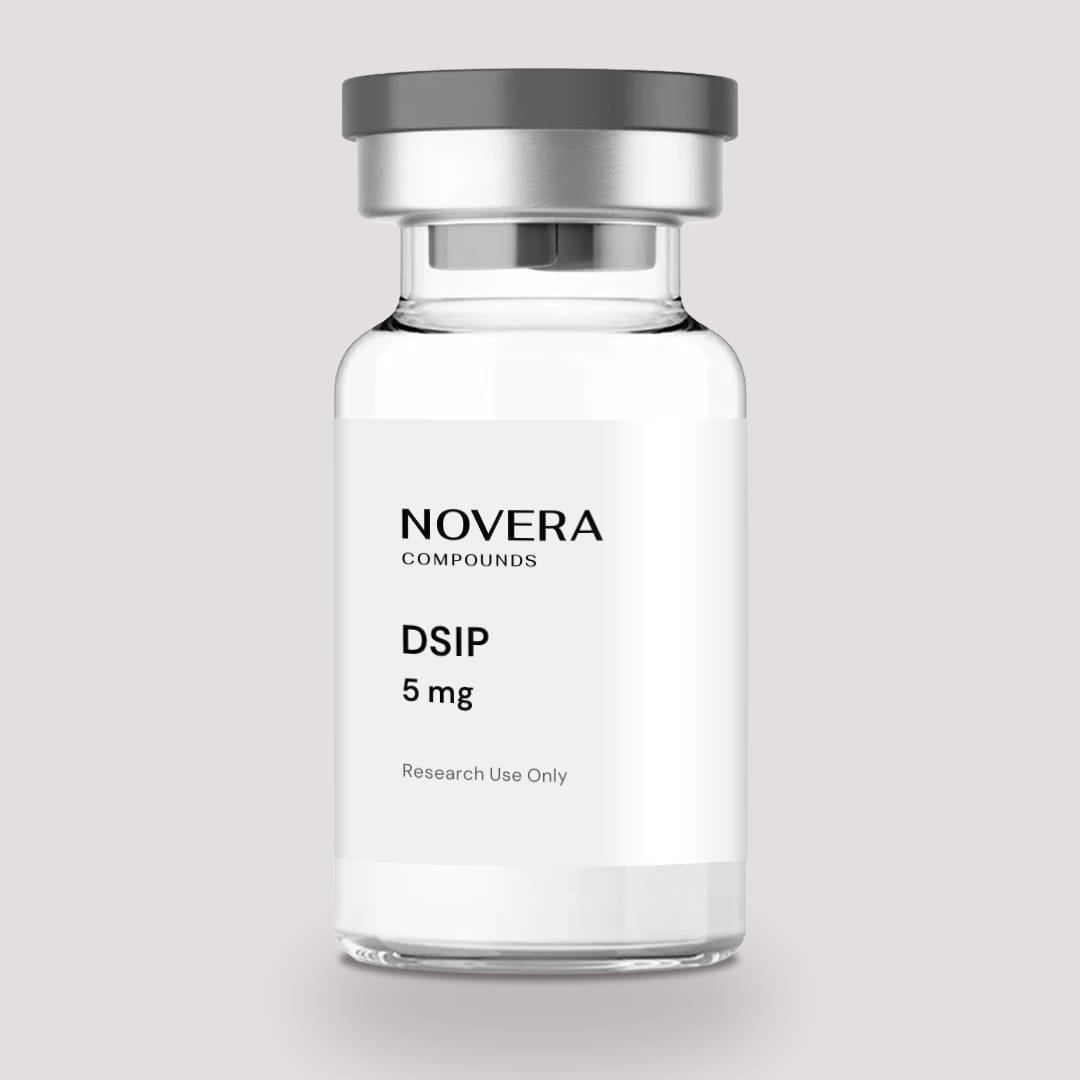
DSIP is delta sleep inducing peptide, a peptide discussed in sleep-related literature and professional peptide protocols. Licensed clinics and healthcare professionals can order DSIP for professional purchasing workflows when the current product record, route, formulation, and handling requirements fit internal policy. The practical decision is not only whether to stock the DSIP peptide, but whether the clinic can document identity, storage, preparation, and oversight consistently.
Clinic teams evaluating DSIP should treat the product name as the starting point for review. Form, quantity, excipients, route, and lot documentation can affect storage, preparation, training, and treatment-room workflow. Because DSIP does not have an established FDA-approved therapeutic indication, intended professional use should be reviewed through the clinic’s governance process before the product enters inventory.
How to Order DSIP for Licensed Clinics
Ordering DSIP starts with confirming that the clinic or healthcare professional purchasing the product can support a documented professional-use workflow. We may review order details against clinic status, purchaser information, and the current product record. The record should be specific enough for staff to identify the active peptide, presentation, storage needs, and traceability requirements before inventory is accepted.
Current price, quantity, and presentation should be evaluated at the time of ordering rather than assumed from general DSIP peptide discussions. Search terms such as DSIP 5mg, DSIP peptide vial, DSIP nasal spray, or DSIP oral may reflect market interest, but they do not confirm the exact form being purchased. Clinics should select only the form and strength shown during ordering and match it to internal approval documents.
A practical intake process separates sourcing from clinical expectation. Procurement staff should confirm the product name, supplier records, lot information, storage instructions, and route-specific materials. Clinical leadership should decide whether the available documentation supports the proposed protocol. Administrative staff should know how the item will be logged, stored, prepared, and discarded.
- Confirm authorized clinic purchaser information before placing the order.
- Match the active peptide, form, strength, and quantity to internal records.
- Keep lot, dating, storage, and receipt documents with inventory logs.
- Limit substitutions unless route, concentration, excipients, and container details align.
- Assign responsibility for receiving, handling, preparation, and disposal.
Broader catalogue browsing through pharmaceuticals can help procurement teams place DSIP within a professional product workflow, but category placement is not a substitute for item-level review.
Status, Evidence, and Professional-Use Context
DSIP stands for delta sleep inducing peptide. It has been described in experimental and early clinical literature related to sleep architecture, neuroendocrine signaling, and psychophysiologic effects. Interest often centers on sleep depth, stress response, recovery, or other central nervous system questions. The evidence remains limited, heterogeneous, and less standardized than the evidence available for approved sleep medicines.
That distinction matters for clinic buyers. DSIP may appear frequently in peptide discussions, review articles, and online forums, but it does not have a standard FDA-approved therapeutic indication or uniform labeling across commercial presentations. Clinics should avoid treating anecdotal timing, benefit claims, or protocol examples as product instructions. The safer purchasing approach is to anchor decisions in current documentation, professional oversight, and conservative monitoring.
Why it matters: A product without a standard labeled indication needs tighter review before stocking, protocol use, or substitution.
For teams that already use adjacent peptide products, DSIP should still receive its own assessment. A clinic familiar with Epithalon, Semax, or Selank should not assume the same route, preparation, storage, or monitoring requirements apply to DSIP. Peptide names can sound similar while operational controls differ substantially.
Form, Strength, Quantity, and Packaging Checks
The product name alone does not establish dosage form, concentration, peptide amount, excipients, container type, or pack configuration. Clinics should verify the exact presentation shown during ordering and keep that information aligned with internal purchase approval. This is especially important when staff have seen DSIP described elsewhere as a vial, lyophilized peptide, nasal product, oral product, or other format.
If DSIP is supplied in a lyophilized format, reconstitution requirements, diluent compatibility, beyond-use timing, and labeling after preparation should come from the product-specific documentation. If it is supplied ready to use, the clinic should still confirm route, closure system, storage range, and in-use handling instructions. A route or container difference can change workflow even when the active peptide name is the same.
| Point to confirm | Clinic impact |
|---|---|
| Dosage form | Injectable, intranasal, oral, and other formats are not operationally interchangeable. |
| Peptide quantity | Amount per vial or unit affects inventory controls and protocol approval. |
| Strength or concentration | Preparation, labeling, and staff training depend on the exact value shown. |
| Excipients and diluent | Inactive ingredients may affect tolerability, compatibility, and storage. |
| Pack configuration | Single-unit and multi-unit packs change wastage and documentation needs. |
| Dating information | Expiry or beyond-use details influence stock rotation and reorder timing. |
Quick tip: Treat route, concentration, and inactive ingredients as separate decision points, not minor details.
Preparation, Administration, and Staff Workflow
There is no single DSIP administration framework that should be assumed from online discussions or general peptide references. Route, preparation steps, frequency, timing, and duration need to come from formulation-specific professional materials and the clinic’s oversight process. Questions such as how long before bedtime DSIP is used should not be answered by procurement copy or forum-style dosing examples.
In practice, clinics can reduce risk by separating three decisions: what the product is, how it is prepared, and who may supervise or perform each step. For any product requiring preparation, staff should use aseptic technique when applicable, label prepared material clearly, and record preparation time, lot details, and responsible personnel. For noninjectable routes, administration instructions, mucosal or gastrointestinal tolerability, and excipient review still matter.
- Identify the route before protocol discussion.
- Use formulation-specific preparation materials.
- Document who receives, prepares, administers, and discards stock.
- Train staff on labeling and segregation of prepared material.
- Record unexpected variability promptly for clinical review.
Some practices evaluate DSIP alongside broader peptide services or wellness protocols. Content on peptides for skin and anti-aging may help teams think through general peptide governance, but DSIP requires its own documentation and safety assessment.
Storage, Handling, and Inventory Logistics
Storage requirements should be taken from the current product record and accompanying specification materials. Peptides may be sensitive to temperature, light, moisture, or time after preparation. Those factors affect ordering cadence, receiving checks, stock rotation, wastage risk, and whether the clinic can support the product within existing inventory controls.
Receiving staff should document arrival condition, lot identification, dating, and storage placement. If special temperature controls apply, temperature-controlled handling when required and tracked US delivery may support clinic logistics, but internal storage logs remain the clinic’s responsibility after receipt. Separate records for unopened units, prepared material, and discarded stock can simplify audits when a formulation question arises later.
Inventory planning should also account for staff turnover and treatment-room layout. A product that needs limited exposure, reconstitution, or route-specific administration should not be stored casually beside unrelated office supplies. Assign a storage location, define who can access it, and keep handling instructions close to the relevant inventory record.
- Document receipt date, lot number, and dating information.
- Store according to the product-specific range and protection requirements.
- Separate unopened, prepared, quarantined, and discarded material.
- Log excursions, damaged containers, or unclear labels before use.
- Align reorder timing with expiry and expected professional demand.
Safety, Warnings, Interactions, and Monitoring
Published safety data for delta sleep inducing peptide are limited and not standardized across formulations. Clinics should plan around uncertainty rather than expecting a predictable adverse-effect profile. Professional review should consider ingredient hypersensitivity, route-specific tolerance, sedation risk, baseline sleep complaints, neurologic history, and therapies that may affect alertness or central nervous system function.
Reported or practice-relevant concerns may include local irritation with route-specific use, headache, dizziness, unwanted sedation, altered dreams, variable response, or next-day impairment. More serious issues warranting prompt medical review include hypersensitivity signs, pronounced central nervous system depression, confusion, paradoxical agitation, or contamination concerns when storage or preparation conditions are uncertain.
Formal interaction data may be sparse, but caution is reasonable with sedatives, hypnotics, opioids, benzodiazepines, alcohol, stimulants, mood-active medicines, and other neuroactive agents. These therapies can blur interpretation of response and may increase concern about alertness or impairment. Clinics should also review excipients, preservatives, diluents, and route-specific ingredients because inactive components can introduce separate compatibility or tolerability questions.
- Track alertness, sleep-related symptoms, and next-day impairment.
- Record local tolerance when skin or mucosal routes are involved.
- Escalate hypersensitivity signs or marked neurologic change promptly.
- Document timing, route, lot, preparation steps, and observed response.
- Reassess use if lot changes or formulation changes occur.
Conservative documentation is useful when the evidence base is thin. Baseline symptoms, route used, product identity, and follow-up observations should be recorded in a way that supports later review without overstating efficacy or implying an approved treatment role.
Substitutions and Related Peptide Products
DSIP should not be treated as automatically interchangeable across strength, concentration, route, excipient profile, container type, or labeled quantity. A lyophilized vial is not the same operational product as a ready-to-use format. A route-specific product should not replace another preparation unless current records support the change and clinical leadership approves the workflow.
When DSIP is compared with other peptides, the comparison should focus on intended professional use, evidence level, preparation requirements, storage controls, and monitoring burden. Products such as Sermorelin and BPC-157 may appear in the same clinic purchasing discussions, but they should not be treated as substitutes for DSIP. Each peptide needs its own identity check, handling plan, and safety review.
Approved sleep medicines, melatonin products, and experimental peptides also differ in regulatory clarity and monitoring expectations. A clinic may discuss them under a broad sleep or recovery service category, yet the purchasing decision should stay product-specific. Evidence level, label status, route, storage, and documentation requirements are more useful comparison points than promotional claims or anecdotal reviews.
Authoritative Sources
For primary literature on DSIP in insomnia, see DSIP in insomnia. For early clinical context on psychophysiological effects, see Effects of DSIP in man. These sources support historical discussion of delta sleep inducing peptide but do not replace product-specific documentation or professional governance.
This content is for informational purposes only and is not a substitute for professional medical advice.
Frequently Asked Questions
What does DSIP peptide do?
DSIP means delta sleep inducing peptide. It has been discussed in experimental and early clinical literature related to sleep and neuroendocrine signaling, but it does not have an established FDA-approved therapeutic indication. Clinics should treat benefit claims cautiously and base professional use on current documentation and internal oversight.
Can licensed clinics order DSIP from MedWholesaleSupplies?
Yes. DSIP is positioned for licensed clinics and healthcare professionals using professional purchasing workflows. Clinic teams should confirm purchaser information, current product presentation, lot documentation, storage requirements, and internal approval before adding DSIP to inventory.
How should clinics choose a DSIP form or strength?
Select only the form, strength, and quantity shown during ordering and match them to the clinic’s approved protocol documents. Do not assume that DSIP 5mg, vial, lyophilized, nasal, or oral references found elsewhere describe the exact product being ordered.
How safe is DSIP peptide for professional use?
Safety data for DSIP are limited and vary by formulation and route. Clinics should monitor for sedation, headache, dizziness, local irritation, altered dreams, hypersensitivity signs, neurologic changes, and unexpected variability. Sedatives, alcohol, opioids, benzodiazepines, stimulants, and other neuroactive agents warrant extra caution.
How should DSIP be stored and handled in a clinic?
Use the storage range and handling instructions from the current product record. Peptides may be sensitive to temperature, light, moisture, and time after preparation. Clinics should document receipt, lot number, dating, storage placement, preparation steps, and disposal.
Specifications
- Main Ingredient:
- Manufacturer:
- Drug Class:
- Generic Name:
- Package Contents:
- Storage Requirements:
- Main Usage:
Here to help
Questions about ordering, delivery or products? You can email our team here or call now at 1-800-630-9757 and be connected with your dedicated Account Manager
Related Products
$339.00
You save (%)
You save (%)
Select options
This product has multiple variants. The options may be chosen on the product page
Juvéderm® SKINVIVE
Dermal Filler
$339.00 - $359.00
You save (%)
You save (%)
$86.00 - $119.00
You save (%)
You save (%)
$72.00
You save (%)
You save (%)
Select options
This product has multiple variants. The options may be chosen on the product page
Related Articles
Hooded Eyes From Botox: Ptosis Risk and Clinic Response
Hooded eyes from Botox usually reflect temporary upper-face muscle imbalance, not a single diagnosis. The…
Wegovy Alternative Options for Obesity Care Workflows
A wegovy alternative is not one single substitute. It may be another prescription anti-obesity medication,…
FDA-Approved Dermal Fillers: Safety and Clinic Use
FDA-approved dermal fillers are soft tissue filler products that the U.S. Food and Drug Administration…
Glabellar Lines: Anatomy, Assessment, and Treatment Planning
Glabellar lines are the vertical frown creases between the eyebrows, often called 11 lines. In…
After Care for Botox: Clinic Instructions and Safety Checks
In clinical practice, after care for botox is the set of written and verbal instructions…
Hyaluronidase in Aesthetic Practice: Safety and Workflow
Hyaluronidase is an enzyme that breaks down hyaluronic acid, a water-binding molecule found in skin,…
Jawline Filler in Aesthetic Care: Safety and Workflow
Jawline filler is a nonsurgical dermal filler approach used to refine lower-face contour, support the…
Dermal Fillers Before and After: Assessing Results
Dermal fillers before and after review should show whether an injectable treatment produced a visible,…