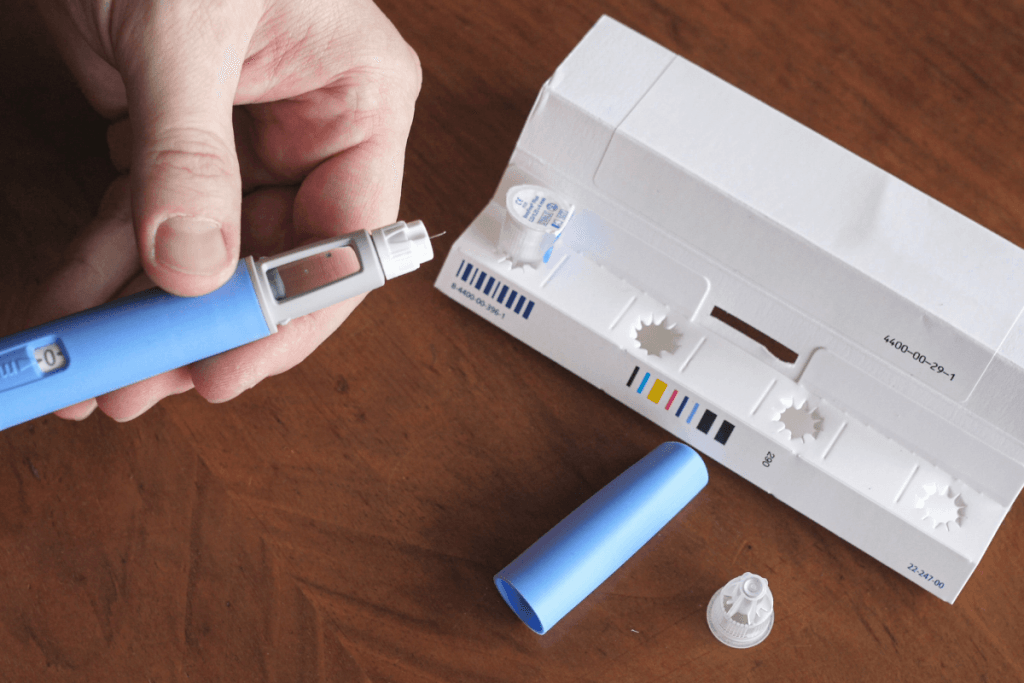
In most clinic workflows, the answer to does semaglutide need to be refrigerated is yes for unopened injectable products, unless the exact label says otherwise. Storage rules depend on the product, device, and whether it is a manufacturer-sealed pen, oral tablet, or compounded preparation. This matters because poor storage can affect product quality, clinic documentation, and discard decisions.
For licensed healthcare teams, the safest approach is label-first. Confirm the specific product name, presentation, lot, expiration date, and storage statement before adding stock to inventory. Then document any time outside controlled storage in a way your pharmacist, medical director, or quality lead can review.
Key Takeaways
- Start with the label: Semaglutide storage limits vary by product and presentation.
- Separate product states: Unopened, in-use, and compounded preparations have different controls.
- Document excursions: Record time out, peak temperature, and product status.
- Do not guess: Quarantine uncertain inventory until guidance is verified.
- Track dates separately: Expiration dates, in-use limits, and BUDs are not interchangeable.
How Semaglutide Storage Works in Practice
Semaglutide is a glucagon-like peptide-1 receptor agonist, often shortened to GLP-1 RA. Injectable peptide-based medicines can be sensitive to heat, light, and repeated temperature cycling. Refrigeration helps keep the product within the stability conditions established for that presentation.
Storage does not improve a product. It helps preserve expected quality within labeled conditions. In a clinic, that distinction matters. Your refrigerator logs, receiving records, and incident notes should show that the product remained under appropriate control from receipt through administration or dispensing.
Most questions come from mixing several situations together. An unopened injectable pen may have one storage requirement. A pen already in use may have a different allowed period outside refrigeration. A compounded vial may have a pharmacy-assigned beyond-use date, or BUD, that does not match manufacturer labeling for a brand product.
Why it matters: A clear storage record reduces waste and supports defensible inventory decisions.
For broader therapy context, clinic teams can review Wegovy Advancing Obesity Treatment. If your internal materials compare GLP-1 language across programs, Ozempic For Weight Loss can also help standardize terminology.
Unopened, In-Use, and Compounded Products
The phrase does semaglutide need to be refrigerated can only be answered accurately after product identification. Clinics should not apply one rule across all semaglutide presentations. The storage pathway starts with the exact product and container.
Unopened injectable products
Unopened injectable semaglutide products are typically stored under refrigeration before first use. Manufacturer labeling usually defines the refrigerator range, the room-temperature allowance if any, and conditions that require discard. Staff should avoid relying on memory, especially when the clinic stocks more than one GLP-1 product.
Receiving is the first control point. Confirm the product name, lot number, expiry, and labeled storage statement before the item enters active inventory. If the package arrives warm, damaged, or missing expected documentation, place it in a quarantine area and escalate before use.
In-use pens and devices
In-use storage rules are product-specific. Some semaglutide pens may allow limited room-temperature storage after first use or after removal from refrigeration, while others may have different discard timing. The label controls the decision, not a general clinic habit.
Teams should label the start date clearly when an in-use period begins. That may be first use, first puncture, or removal from refrigeration depending on the product instructions. A simple auxiliary label can prevent staff from treating the printed expiration date as the only relevant date.
Compounded preparations
Compounded semaglutide needs a separate workflow. A compounded preparation may be supplied in a vial, use different excipients, and carry a BUD assigned by the compounding pharmacy. That BUD reflects the preparation, container, sterility assumptions, and available stability support.
For compounded products, follow the pharmacy label and retain supporting paperwork. If the label says refrigerated, treat refrigeration as required. If the label describes an excursion allowance, record the event against those instructions. If the instructions are unclear, treat the product as nonconforming until clarified.
Clinics managing several weight-management medications can keep staff references organized through the Weight Loss editorial category. Product browsing can be separated from clinical education through the Weight Loss Product Category.
What To Do When Semaglutide Is Left Out
If semaglutide is left out of refrigeration, the first step is not to decide quickly. The first step is to define the event. Time, maximum temperature, product status, and container type all affect the next action.
A brief transfer from receiving to a medication refrigerator is different from a vial left in a warm room overnight. A sealed pen is different from an opened or punctured container. A product that was within a labeled room-temperature allowance is different from one with unknown exposure.
Document the incident before memories fade. Record when the product left controlled storage, when it was found, where it was located, and the highest temperature known. If no temperature is available, document that gap. Then quarantine the affected stock until a qualified reviewer applies the label, pharmacy instructions, or manufacturer guidance.
Quick tip: Use a dedicated quarantine bin that staff cannot confuse with usable inventory.
Online searches often ask what happens if semaglutide is not refrigerated. The clinic answer should stay operational. The product may remain acceptable if the label permits that exact exposure. It may need to be discarded if exposure exceeds labeled conditions or cannot be characterized. Staff should not try to confirm quality by appearance alone.
Visual inspection still has a role. If the product appears cloudy, discolored, contains particles, has damaged packaging, or has an unclear chain of custody, escalate. However, normal appearance does not prove that storage was acceptable. Quality decisions should rely on documented conditions and authoritative instructions.
Dating Rules Clinics Should Keep Separate
Semaglutide dating errors often happen when teams treat every date as the same control. In practice, clinics should track at least three concepts: manufacturer expiration date, in-use discard date, and BUD for compounded preparations.
The manufacturer expiration date applies to unopened product stored as labeled. It does not automatically apply after first use or after a defined storage change. In-use limits are discard timelines that start when a label-defined event occurs. BUDs apply to compounded preparations and are assigned under compounding standards and pharmacy controls.
Claims such as “semaglutide expires after 28 days” can be misleading. A specific number may apply to one product, one storage state, or one container. It should not be copied into an SOP unless it matches the exact item stocked by the clinic.
| Control | Applies to | Clinic action |
|---|---|---|
| Expiration date | Unopened manufacturer product | Record at receiving and remove expired stock |
| In-use limit | Opened or label-defined in-use product | Label start date and discard date clearly |
| BUD | Compounded preparation | Follow pharmacy label and retain documentation |
| Excursion record | Any product outside expected storage | Quarantine, document, and verify disposition |
Inventory systems should allow separate fields for these controls. If your system cannot do that, use a standardized manual label plus a daily review process. The goal is to prevent staff from seeing only one date and assuming the item remains usable.
Clinic Workflow for Storage Control
A repeatable workflow turns the question does semaglutide need to be refrigerated into a clear operating process. The workflow does not need to be complicated. It needs ownership, documentation, and escalation points.
- Verify product identity: Confirm name, presentation, lot, and expiry.
- Read storage language: Capture labeled ranges and discard conditions.
- Store promptly: Place stock in the correct temperature zone.
- Separate statuses: Keep unopened, in-use, and quarantined items apart.
- Label active items: Record in-use start dates and discard dates.
- Review logs: Assign one role to check refrigerator records.
- Escalate exceptions: Hold uncertain stock until reviewed.
Temperature logs should be easy to audit. Use consistent units across refrigerator and room-temperature records. If your clinic records Fahrenheit in one place and Celsius in another, staff may misread limits during a busy day.
Storage capacity also matters. A small medication refrigerator packed tightly may have uneven temperatures and more door-open time. Use bins to keep GLP-1 inventory organized, but avoid blocking airflow. If your practice uses several injectable agents, separate look-alike or workflow-adjacent products to reduce handling errors.
MedWholesaleSupplies serves licensed clinics and healthcare professionals, so semaglutide storage content on this page stays focused on professional inventory handling rather than consumer self-storage. For product-naming checks, teams may reference the Semaglutide page or the Ozempic page when building internal catalogs. Use product pages as naming references, not as substitutes for the current prescribing information.
Related GLP-1 Handling Questions
Clinics often stock or evaluate several weight-management injectables at once. Storage rules should not be generalized across brands or drug classes. Liraglutide, tirzepatide, and semaglutide products may have different temperature limits, in-use windows, and device instructions.
For program planning, Weight Loss Injections provides broader context on injectable options. If teams compare GLP-1 and related agents during formulary planning, Zepbound and Wegovy Differences may help frame the discussion without replacing label review.
Device-specific issues also deserve their own pathway. A storage event is different from a pen malfunction, misfire, jam, or incomplete dose concern. For device incident language, clinics can review Wegovy Pen Malfunction and adapt the documentation concepts to their internal governance.
Another common follow-up is whether semaglutide needs to be room temperature before injection. That question belongs to product instructions and clinic administration policy. Some injectable products may include directions about handling before administration, but staff should not create a universal waiting period unless the label or policy supports it.
Questions about expired or improperly stored medication should also be escalated, not tested through use. Expired or storage-compromised medicines may be less predictable. If a patient reports an unexpected effect or adverse event after a suspected storage issue, follow your clinic’s clinical assessment and product complaint process.
Ordering, Sourcing, and Documentation Notes
Storage control connects directly to sourcing. When a clinic adds GLP-1 inventory, procurement, receiving, and medication-room procedures should align before volume increases. The documentation trail should connect supplier paperwork, lot numbers, storage records, and final disposition.
MedWholesaleSupplies provides brand-name medical products through vetted distributors and verified supply channels for licensed clinics. That sourcing context can support clean inventory records, but each clinic remains responsible for applying product labeling, local requirements, and internal SOPs.
Keep records in one place when possible. Receiving logs, invoices, lot details, refrigerator logs, quarantine notes, and discard records should be easy to reconcile. If an excursion occurs, the reviewer should not need to search several systems to reconstruct the event.
For compounded products, set expectations before purchase or receipt. Require clear labeling, storage conditions, BUD, concentration, and pharmacy contact information. If any essential element is missing, quarantine the preparation until the dispensing pharmacy clarifies the instructions in writing.
Authoritative Sources
The most defensible answer to does semaglutide need to be refrigerated comes from the current labeling for the exact product in inventory. Labels provide storage ranges, in-use limits, and discard instructions. Pharmacy documentation controls compounded preparations when applicable.
- Ozempic prescribing information from Novo Nordisk for product-specific storage and in-use instructions.
- Wegovy prescribing information from Novo Nordisk for labeled refrigeration and temperature-exposure details.
- DailyMed drug labeling database for current U.S. labeling records and product searches.
Use these sources with your internal SOPs. When an event does not fit the label cleanly, quarantine the product and verify before returning it to active inventory.
This content is for informational purposes only and is not a substitute for professional medical advice.