

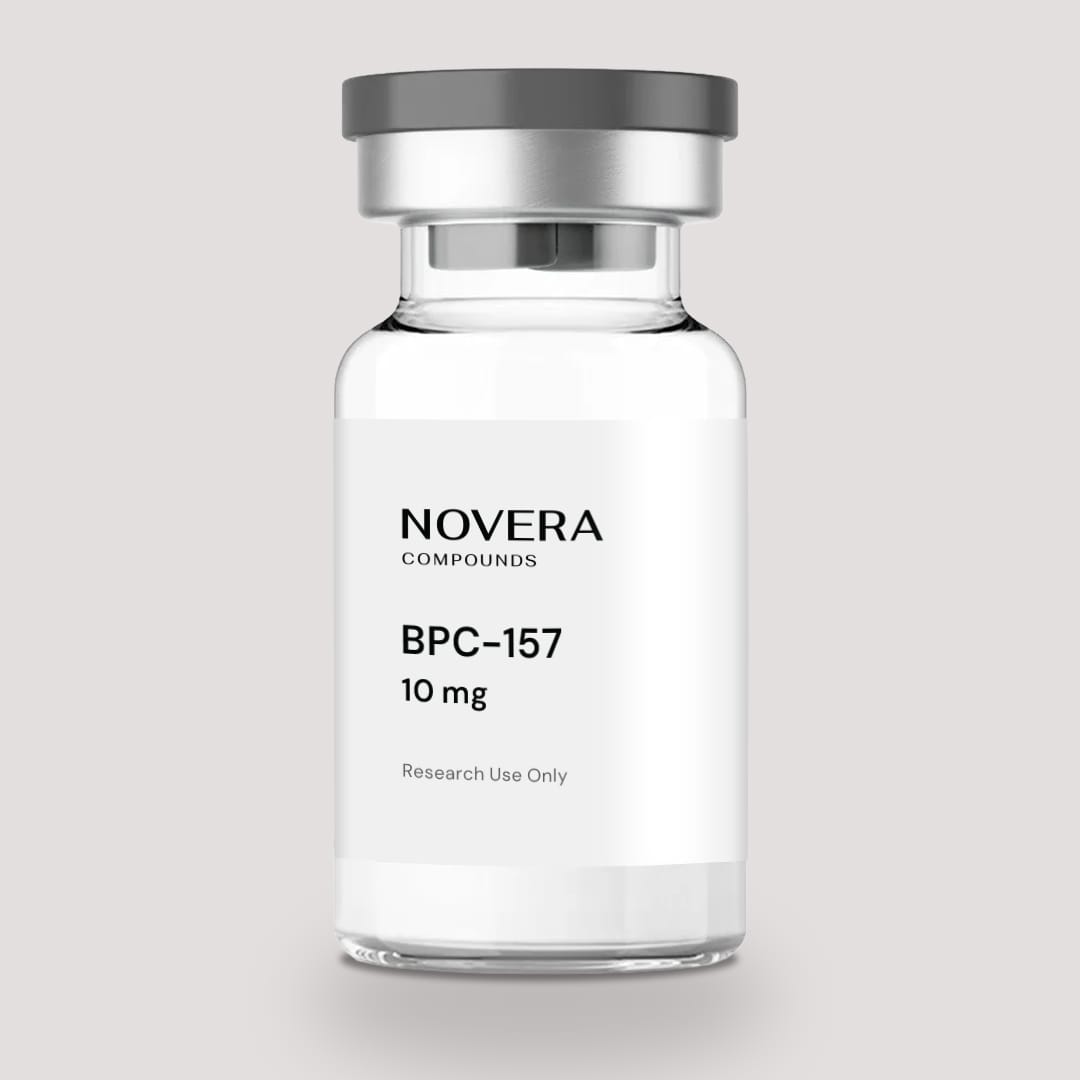
BPC-157
Order BPC-157 for Clinics
Price range: $69.00 through $123.00
You save (%)
Description
BPC-157 is a synthetic peptide used in professional settings where clinics are evaluating peptide protocols, tissue-repair discussions, or related investigational workflows. Licensed clinics and healthcare professionals can order BPC-157 for practice use, with careful attention to professional documentation, form verification, storage, and safety review. It has no FDA-approved human indication, so clinic teams should treat BPC 157 as an investigational peptide rather than a retail wellness supplement.
Before adding BPC-157 to inventory, define who will evaluate the product, how it fits the clinic protocol, and what records must be retained for purchasing, receipt, storage, and use. Product names in the broader market may refer to capsules, tablets, powders, vials, sprays, creams, liquids, or injectable formats, but the clinic should match the active ingredient, quantity, sterility status, route, and packaging to the current item record before use.
How Clinics Can Order BPC-157
Ordering BPC-157 should begin with a professional-use assessment, not a consumer-style supplement purchase. The clinic should identify the medical director or supervising healthcare professional responsible for product evaluation, the staff member responsible for receiving inventory, and the internal protocol that explains why the peptide is being considered.
MedWholesaleSupplies serves licensed clinical accounts and healthcare professionals, so clinic account records and practice-use context may be reviewed before an order proceeds. For broader peptide procurement, the Peptides category can help teams evaluate adjacent items, but each peptide still requires a separate compliance, safety, and protocol review.
- Professional account records: Keep clinic credentials, authorized staff roles, and purchasing responsibility clear.
- Product records: Retain invoices, lot numbers, batch identifiers, expiry dates, and supplier documents.
- Protocol records: Define patient-selection limits, route-specific handling, consent language, and follow-up steps.
- Receiving records: Document package condition, storage needs, and responsible staff before inventory release.
Quick tip: Treat peptide purchasing as a controlled clinic workflow with written responsibility at each step.
Status, Use Context, and Evidence Limits
BPC-157 is a synthetic pentadecapeptide, meaning a 15-amino-acid peptide, modeled from a sequence associated with gastric proteins. It is discussed in regenerative, musculoskeletal, soft-tissue, and recovery contexts because preclinical studies have explored tissue-repair signaling, angiogenesis, cytoprotective effects, and inflammatory pathways.
Those findings do not establish an approved human treatment claim, standardized dose, recognized route, or proven clinical outcome. Unlike an FDA-approved medication with prescribing information, BPC-157 does not have a human label defining indications, contraindications, dosing, drug interactions, or monitoring. Clinic materials should avoid claims such as guaranteed healing, faster recovery, joint restoration, or superior tissue repair unless high-quality human evidence supports the exact product, route, and patient population.
Questions such as whether BPC-157 can be taken daily, whether it affects kidneys, or what it does to the heart cannot be answered from approved labeling because there is no FDA-approved human label for this peptide. Clinics should use a conservative risk framework, especially for patients with renal, hepatic, immune, cardiovascular, oncologic, pregnancy, lactation, or pediatric considerations.
Why it matters: Preclinical interest does not replace informed consent, medical governance, or adverse-event planning.
Forms, Strengths, and Product Verification
BPC 157 is marketed across the wider peptide space using terms such as BPC 157 powder, BPC 157 capsules, oral BPC 157, BPC 157 tablets, BPC 157 nasal spray, BPC 157 cream, BPC 157 liquid, BPC 157 vial, and injectable BPC 157. Those descriptions should not be treated as confirmation of the format available for this item. The clinic should verify the active ingredient, form, quantity, route, sterility status, excipients, and packaging against the current product record and supplier documents.
Search terms such as BPC 157 5mg or BPC 157 10mg are common in the market, but strength assumptions can create clinical and inventory risk. Choose only the strength, quantity, and form shown during ordering, then align any clinical workflow with the responsible clinician’s protocol and the documents accompanying the product.
| Market descriptor | Clinic verification point |
|---|---|
| BPC 157 powder or lyophilized vial | Verify sterility status, reconstitution directions, storage, diluent compatibility, and beyond-use limits. |
| Oral BPC 157 capsules, tablets, or pills | Review strength, excipients, administration instructions, and suitability for the intended professional setting. |
| BPC 157 injectable or injection format | Confirm route, aseptic technique requirements, sterile product documentation, and sharps workflow. |
| BPC 157 nasal spray, topical cream, or liquid | Review route-specific labeling, container integrity, application controls, and staff handling procedures. |
Do not substitute one format for another without a new clinical and operational review. A capsule, vial, spray, and topical product can differ in absorption, handling, stability, contamination risk, and patient instructions.
Professional Use, Administration, and Clinic Workflow
No patient-specific dosing guidance is provided for BPC-157. Any administration, if appropriate under the clinic’s professional review, should follow the product documents, written protocol, staff scope, and route-specific handling requirements. Animal-study dosing, gym or forum protocols, and supplement-style directions should not be transferred into patient care.
For injectable BPC 157 products, sterile handling is central to risk management. The clinic should define reconstitution responsibility, aseptic preparation area, injection-site workflow, sharps disposal, staff training, and lot-level documentation before treatment-room use. For oral, nasal, or topical formats, route-specific labeling, storage, contamination control, and supervised-use expectations still matter.
Clinics that provide aesthetic, regenerative, or intradermal procedures may also need to separate peptide protocols from other treatment-room products. The peptides for skin article offers additional context on peptide discussions in aesthetic care, while product procurement still requires item-specific review.
- Assign responsibility: Name the clinician and staff roles involved in evaluation, receipt, storage, and use.
- Separate workflows: Keep investigational peptide handling distinct from approved injectable product processes.
- Document consent: Explain investigational status, evidence limits, expected monitoring, and escalation steps.
- Track outcomes safely: Record route, lot, timing, concurrent therapies, and reported adverse events.
Storage, Handling, and US Logistics
Storage instructions should come from the product label, certificate of analysis, package insert when supplied, or distributor documentation. Peptides may be sensitive to heat, light, moisture, or reconstitution technique, so clinic teams should avoid assumptions based on another brand, compound, or market format.
Receiving staff should inspect packaging before releasing BPC-157 into inventory. Match the item to the purchase record, record lot and expiry information, note package condition, and place the product in the required storage environment. If refrigeration, freezing, or controlled room temperature is specified, use calibrated equipment and maintain logs consistent with clinic policy.
For operational planning, clinics should account for temperature-controlled handling when required and tracked US delivery. That phrase should be interpreted as a logistics control point, not a substitute for checking the storage requirements that apply to the specific lot received.
- Before ordering: Confirm storage capacity, staff responsibility, and receiving availability.
- At receipt: Record lot, expiry, packaging integrity, and any temperature indicators.
- During storage: Maintain access controls, temperature logs, and segregation from unrelated products.
- Before use: Check appearance, labeling, expiration, and protocol fit.
Safety, Contraindications, Interactions, and Monitoring
BPC-157 should be handled as an investigational peptide with incomplete human safety data. Because no FDA-approved human label defines contraindications, the absence of labeled restrictions is not evidence of safety. Clinics should be cautious with pregnant or lactating patients, pediatric patients, people with active malignancy, and patients with complex renal, hepatic, immune, cardiovascular, endocrine, or wound-healing concerns.
Potential or reported concerns around peptide use can include injection-site pain, bruising, irritation, rash, headache, nausea, dizziness, fatigue, or unexpected systemic symptoms. Injection-related risks may include contamination, infection, abscess, local tissue injury, and poor wound outcome if sterile handling is inadequate. Serious symptoms such as breathing difficulty, severe swelling, fever, neurologic changes, spreading redness, worsening pain, or signs of infection require prompt medical evaluation.
Formal interaction data are limited. Clinics should review concurrent medicines, supplements, anticoagulants, antiplatelet therapy, immunosuppressants, hormone-related therapies, biologics, recent procedures, allergies, and prior injection reactions before considering use. Combining several investigational agents can make adverse-event causality harder to interpret and may change the monitoring plan.
Questions about kidney strain, heart effects, daily use, and long-term peptide exposure should be addressed conservatively. A practical monitoring plan may include baseline history, medication reconciliation, allergy review, renal and hepatic context, infection risk, treatment goals, follow-up timing, and clear instructions for stopping treatment if concerning symptoms occur.
Athletes may require anti-doping review because peptide use can raise sports-eligibility concerns. Clinic consent materials should distinguish early laboratory or animal research from proven human outcomes and should avoid fixed timelines for benefit.
Related Peptide Products and Protocol Decisions
BPC-157 is often evaluated alongside other peptide products, but products are not interchangeable by name or category. Each item may differ in active ingredient, route, strength, sterility status, intended professional use, storage, and monitoring requirements.
TB-500 is a separate peptide listing with its own proposed rationale and risk questions. Combination products require even more care because multiple active ingredients can change safety assumptions, consent language, and adverse-event interpretation. Examples include Wolverine Blend BPC-157 10mg/TB500 10mg, GLOW BPC-157 10mg/GHK-Cu 50mg/TB500 10mg, and KLOW BPC-157 10mg/GHK-Cu 50mg/TB500 10mg/KPV 10mg.
| Decision point | Clinic review |
|---|---|
| Single peptide | Assess active ingredient, route, strength, storage, and monitoring for that product alone. |
| Peptide blend | Evaluate each active ingredient and document why a combined product is appropriate. |
| Injectable workflow | Confirm sterile handling, staff training, reconstitution steps, and sharps management. |
| Oral, nasal, or topical workflow | Confirm route-specific instructions, contamination controls, and patient-use supervision. |
Substitutions should never be automatic. A product with a similar name may differ in form, excipients, sterility, storage, route, or intended use. Review the product record and protocol fit before changing inventory.
Authoritative Sources
The following sources provide context on evidence limitations, safety concerns, and regulatory issues surrounding BPC 157. They support clinic-level review but do not replace legal, medical, or professional-board guidance.
- Peer-reviewed narrative review on BPC-157 evidence and risks
- USADA safety and anti-doping discussion of BPC-157
- OPSS summary of unapproved drug concerns
Clinic teams should use these sources alongside product-specific documents, internal policies, adverse-event pathways, and current professional requirements. Evidence and regulatory positions can evolve, so dated marketing claims should not drive purchasing or treatment decisions.
This content is for informational purposes only and is not a substitute for professional medical advice.
Frequently Asked Questions
Can licensed clinics order BPC-157 for professional use?
Licensed clinics and healthcare professionals can order BPC-157 for practice use after completing the required account and professional-use review. The clinic should define responsible staff, retain product records, and document how the peptide fits its internal protocol.
Is BPC-157 FDA-approved for human treatment?
BPC-157 has no FDA-approved human indication. Clinics should treat it as an investigational peptide and avoid patient-facing claims that imply proven healing, standardized dosing, or approved treatment outcomes.
What forms of BPC-157 should clinics verify before ordering?
Market terms include capsules, tablets, powder, vials, injections, nasal sprays, creams, and liquids. Clinics should verify the actual form, strength, quantity, sterility status, excipients, route, storage requirements, and packaging shown for the current item before use.
Can BPC-157 be used every day?
There is no FDA-approved human label defining a daily regimen for BPC-157. Any protocol should be developed by the responsible clinician, documented carefully, and supported by informed consent and monitoring.
What safety issues should clinics discuss with BPC-157?
Clinics should discuss investigational status, limited human safety data, possible injection-site reactions, infection risk with injectable formats, allergic symptoms, medication interactions, renal or hepatic concerns, cardiovascular history, pregnancy or lactation, and anti-doping issues for athletes.
How should BPC-157 be stored in a clinic?
Storage should follow the current product label, certificate of analysis, package insert when supplied, or distributor documentation. Receiving staff should record lot and expiry details, inspect packaging, and use calibrated storage equipment when temperature control is required.
Can BPC-157 be substituted with TB-500 or a peptide blend?
Substitution should not be automatic. TB-500 and combination peptide blends have different active ingredients, monitoring concerns, and consent considerations, so the clinic should review product documents and protocol fit before changing inventory.
Specifications
- Main Ingredient:
- Manufacturer:
- Drug Class:
- Generic Name:
- Package Contents:
- Storage Requirements:
- Main Usage:
Here to help
Questions about ordering, delivery or products? You can email our team here or call now at 1-800-630-9757 and be connected with your dedicated Account Manager
Related Products
JALUPRO® PLUS 4ML
Skin Rejuvenation Treatment
$86.00 - $89.00
You save (%)
You save (%)
$339.00
You save (%)
You save (%)
Select options
This product has multiple variants. The options may be chosen on the product page
Juvéderm® SKINVIVE
Dermal Filler
$339.00 - $359.00
You save (%)
You save (%)
$86.00 - $119.00
You save (%)
You save (%)
Related Articles
Lip Fillers Swelling Stages: Timeline, Safety, and Follow-Up
Lip fillers swelling stages usually follow a short inflammatory course: swelling appears soon after injection,…
Hypopigmentation of the Skin: Assessment and Care
Hypopigmentation of the skin means one or more areas look lighter than the surrounding skin.…
Radiesse vs Sculptra: Selection Factors for Clinics
Radiesse vs Sculptra is best understood as a comparison between two collagen-stimulating injectables with different…
Hyaluronic Acid Under-Eye Filler: Safety and Workflow
Hyaluronic acid under-eye filler is an injectable soft-tissue filler used by trained aesthetic clinicians to…
Dermal Filler Types: Materials, Uses, and Clinic Fit
Dermal filler types are usually grouped by their base material, tissue behavior, and expected role…
What Is Dysport? Clinical Uses, Safety, and Workflow
For clinic teams asking what is Dysport, the short answer is simple: Dysport is a…
Biostimulators in Aesthetic Care: Selection and Safety
Biostimulators are injectable aesthetic products used to encourage a controlled tissue response, often involving new…
Do You Ovulate on an IUD? Clinic Counseling Points
Clinicians hear the shorthand question do you ovulate on iud, but the practical answer depends…