
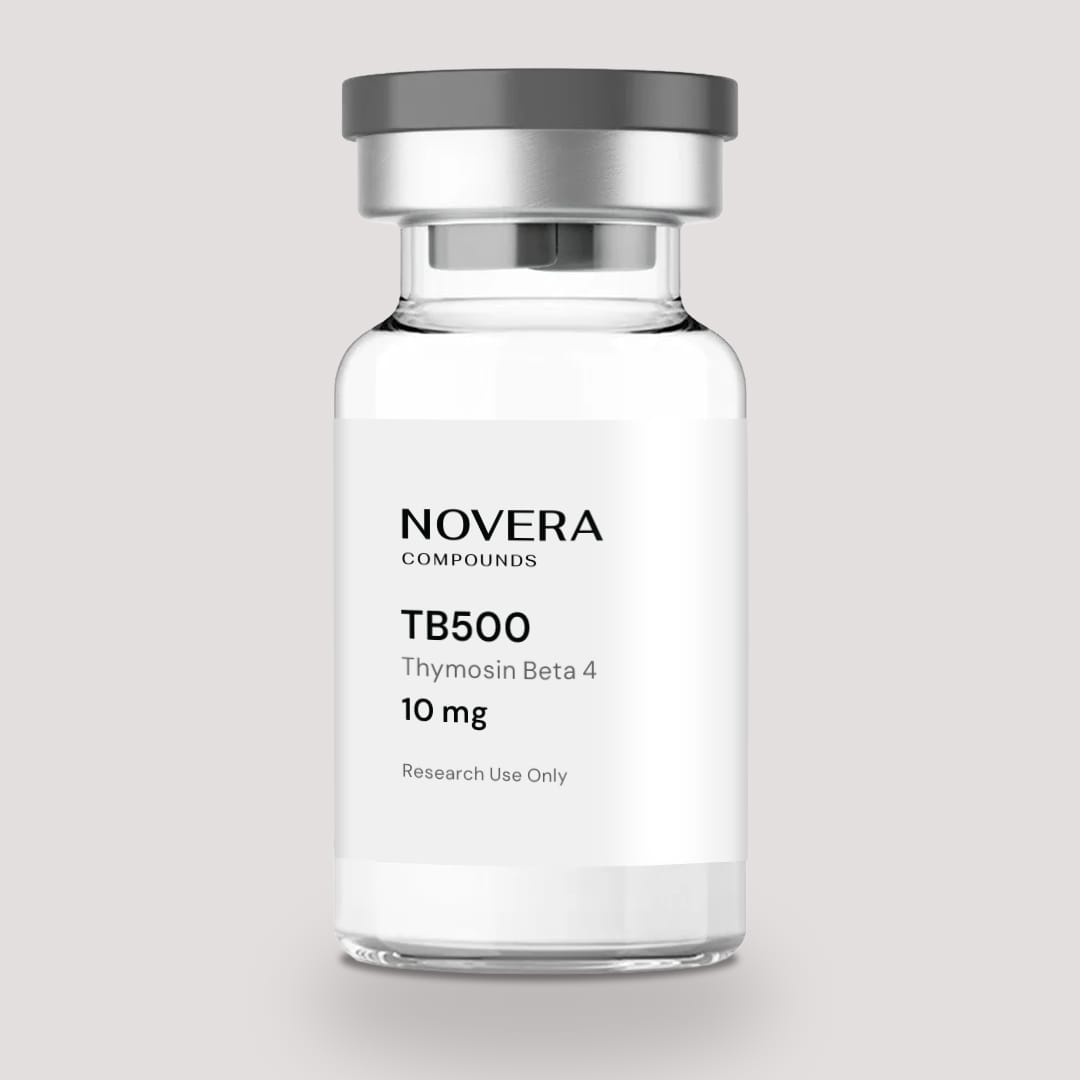
Description
TB-500 is a synthetic peptide associated with thymosin beta-4 research and professional peptide protocols. Licensed clinics, med spas, aesthetic practices, and healthcare professionals can order TB-500 for professional inventory planning when their internal governance supports its use. The most important clinic-use factors are product identity, lot traceability, handling instructions, and a documented workflow before it reaches the treatment room.
TB-500 should not be treated like a standard FDA-approved medicine with labeled human indications, routine dose ranges, or established patient handouts. Many online discussions focus on recovery, performance, or peptide combinations, but clinic purchasing requires a different standard: source paperwork, product presentation, storage controls, staff training, consent language, and follow-up planning. This makes TB-500 a high-scrutiny peptide purchase rather than a casual supplement decision.
TB-500 Price, Strength Selection, and Clinic Ordering
Clinics can view current TB-500 price information during ordering and select the strength or quantity shown for the item at checkout. Do not infer a 5 mg, 10 mg, capsule, tablet, powder, or injection format from general market wording alone. The exact labeled strength, container type, and handling line should drive internal approval, inventory records, and treatment-room workflow.
Because peptide presentations vary across suppliers, the purchase review should focus on the current label and accompanying paperwork. A clinic should record the item name, lot number, expiry date, source documents, storage requirement, and receiving condition before stock is released for any professional-use pathway. Temperature-controlled handling when required and tracked US delivery may be relevant to logistics planning, but the clinic still needs receiving checks when the shipment arrives.
- Match the displayed strength or quantity to the clinic protocol under review.
- Retain lot, expiry, and source paperwork in the purchasing file.
- Separate received stock from released stock until documentation is complete.
- Assign responsibility for storage logs, preparation records, and discard steps.
- Do not substitute a similar peptide name without a fresh clinical and operations review.
Why it matters: Two peptide items can share a familiar name while differing in concentration, excipients, presentation, and handling requirements.
Professional Ordering Requirements for TB-500
TB-500 ordering should begin with clinic governance, not online dosing threads. Before a practice adds the item to formulary or treatment-room planning, define the intended professional-use context, supervising medical oversight, route under consideration, receiving process, and records needed for preparation, administration, monitoring, and adverse-event review.
MedWholesaleSupplies serves licensed clinics and healthcare professionals, and clinic documentation may be requested when the purchase context requires it. The operational question is not only whether TB-500 is for sale; it is whether the practice can support responsible receipt, storage, staff training, consent, and follow-up. If the clinic cannot verify the active peptide identity, labeled amount, sterility status when relevant, or source paperwork, the item should not advance to routine use.
- Clinic credentials: maintain current business and professional records for purchasing.
- Medical oversight: identify the clinician responsible for protocol approval.
- Inventory control: document receipt, quarantine, release, storage, and discard steps.
- Patient communication: use consent language that explains uncertainty and evidence limits.
- Event handling: define escalation and reporting steps for unexpected reactions.
Product Status, Thymosin Beta-4 Context, and Use Limits
TB-500 is generally described as a synthetic short peptide related to the active region of thymosin beta-4. Thymosin beta-4 is an endogenous peptide studied for roles in cell migration, tissue remodeling, inflammation, and repair pathways, but that scientific background does not create an approved human indication for TB-500. Clinics should not present it as a labeled drug for injury repair, athletic recovery, fat loss, brain health, or a guaranteed performance outcome.
Search interest often connects the tb 500 peptide with tissue repair, flexibility, muscle growth, and recovery timelines. Those claims should be separated from high-quality human evidence and regulatory status. A professional practice should avoid outcome promises such as a fixed onset, predictable recovery window, or expected improvement after a set number of administrations. If a patient asks how quickly TB-500 works, the safest answer is that no standard approved human dosing schedule or response timeline exists.
TB-500 also should not be positioned as a routine supplement simply because consumers search for capsules or tablets. Product format and route suitability must come from the current label and supporting documents. For clinics, the relevant decision is whether the exact item has enough identity, handling, safety, and consent support for the intended professional pathway.
Forms, Strengths, Packaging, and Receiving Checks
Presentation is not standardized across the peptide market. A TB-500 title by itself does not prove concentration, fill volume, sterility, included components, diluent compatibility, or administration route. Clinics should rely on the product label and supporting paperwork rather than assumptions tied to common terms such as tb 500 10mg, tb 500 5mg, tablets, capsules, or injections.
Receiving checks should be practical and repeatable. Staff should inspect the outer package, container label, seal integrity, storage statement, lot number, expiry date, and any certificate or analytical document supplied. A mismatch between the container and paperwork should trigger quarantine and internal review, not routine stocking.
| Element to verify | Clinic check | Operational reason |
|---|---|---|
| Presentation | Confirm the labeled form and container type | Preparation and storage steps may differ |
| Strength or amount | Record the exact labeled quantity | Dose assumptions create avoidable risk |
| Traceability | Capture lot, expiry, and source paperwork | Supports recalls, audits, and event review |
| Handling line | Follow temperature, light, and stability instructions | Protects product integrity before use |
| Use pathway | Match route-related documents to the clinic protocol | Prevents treating unlike formats as interchangeable |
Quick tip: Keep the certificate, receiving log, storage statement, and internal release note in one file.
Preparation, Administration, and Treatment-Room Workflow
There is no standard approved human dosing framework for TB-500 that a clinic can safely borrow for routine use. Any preparation method, route, and administration plan must follow the current product documents and the clinic’s medical governance process. Forum protocols, athlete anecdotes, and wellness stacks are not substitutes for documented clinical review.
If a sterile preparation is being considered, aseptic technique, staff competency, container inspection, and concentration verification are essential. If the item is not supplied as a sterile, clinically appropriate preparation for the intended route, the clinic should not treat it as interchangeable with approved injectables. Preparation records should identify who performed the step, when it occurred, what materials were used, and what beyond-use period applies when one is supported.
- Use only the route supported by the current product documents.
- Document preparation steps, materials, date, time, and responsible staff member.
- Inspect for damaged seals, discoloration, particles, or label inconsistencies.
- Align consent, baseline assessment, monitoring, and follow-up with clinic policy.
- Do not promise a fixed onset, recovery timeline, or functional outcome.
Storage, Handling, and Inventory Controls
Storage should follow the specific label and supplier documents, especially for temperature range, light protection, reconstitution stability, or discard timing. Peptides may be sensitive to heat, repeated freeze-thaw exposure, agitation, or prolonged time outside the stated range. Clinics should map storage locations clearly so staff can separate quarantined, released, prepared, and discarded inventory.
Handling procedures should cover receiving, inspection, release, preparation, treatment-room transfer, return to storage if allowed, and final disposal. Any unexpected particle, damaged closure, missing label detail, expired vial, or paperwork mismatch should be documented and removed from routine workflow until resolved. Staff training should also explain what not to do, including combining products without compatibility data or using a route that the paperwork does not support.
Inventory planning should include realistic use volume, training time, storage capacity, and audit readiness. Overstocking a peptide with uncertain use patterns can increase waste and create documentation gaps. Underplanning can lead staff to rush substitution decisions, which is also unsafe.
Safety, Warnings, Interactions, and Monitoring
Human safety information for TB-500 is limited, so adverse effects are not characterized with the same confidence as established prescription medicines. At minimum, clinics should avoid use when product identity, concentration, sterility status, excipient profile, storage history, or route suitability is unclear. Known hypersensitivity to listed components should be treated as a significant concern, and limited labeling should prompt a more conservative review.
Potential procedure-related reactions may include pain, redness, swelling, bruising, or irritation at the administration site when an injectable pathway is used. Product-specific risks can include contamination, concentration error, preparation error, unexpected immune reaction, or reactions to excipients or diluents. More serious symptoms such as shortness of breath, chest pain, severe allergic reaction, fever, signs of infection, neurologic change, or unexpected systemic symptoms require prompt medical evaluation and internal event review.
No well-established drug interaction profile has been defined for routine human use. Clinics should evaluate concurrent medications, anticoagulants, immunomodulators, recent procedures, infection risk, and other peptide protocols before any professional-use decision. Patients with cardiovascular disease, arrhythmia history, unexplained edema, chest symptoms, cancer history, autoimmune conditions, pregnancy, lactation, or complex multisystem illness require heightened caution and appropriate specialist input when relevant.
- Medication review: evaluate current therapies and recent procedures.
- Compatibility check: do not mix peptides without supporting data.
- Monitoring plan: define baseline assessment, follow-up timing, and escalation steps.
- Event review: separate possible product effect from preparation or technique error.
TB-500, BPC-157, and Related Peptide Decisions
BPC-157 and TB-500 are different peptides, even though they are often discussed together online. TB-500 is linked to thymosin beta-4 research, while BPC-157 is a separate peptide with its own proposed mechanisms and evidence limits. One should not be treated as a substitute for the other by name, and co-use should not be assumed to be necessary, compatible, or evidence-based.
Clinics evaluating related protocols can review BPC-157 as a separate peptide decision. Combination items require additional scrutiny because each component adds identity, concentration, compatibility, consent, and monitoring questions. If a practice is considering a combined peptide pathway, review Wolverine Blend BPC-157 10mg/TB500 10mg, Glow BPC-157/GHK-Cu/TB500, and Klow BPC-157/GHK-Cu/TB500/KPV only as distinct formulations with separate review needs.
For immune-focused peptide comparisons, Thymosin Alpha-1 should also be evaluated on its own product identity and documentation. The most useful clinic comparison is often not peptide versus peptide. It is whether a peptide pathway offers enough evidence, paperwork, safety planning, and patient communication support compared with standard-of-care options for the condition being addressed.
| Choice | Main distinction | Clinic implication |
|---|---|---|
| TB-500 | Synthetic peptide associated with thymosin beta-4 research | Requires careful status, handling, and consent review |
| BPC-157 | Separate peptide discussed in similar wellness contexts | Not interchangeable by name or protocol trend |
| Combination peptide products | Multiple components in one protocol concept | Documentation and monitoring burden increases |
| Standard-of-care therapy | Better-characterized options for diagnosed conditions | Often provides clearer labeling and safety expectations |
Sport, Performance, and Professional Practice Boundaries
TB-500 appears in sport and performance discussions, including recovery and tissue-repair claims. Clinics should treat those contexts carefully because anti-doping rules, professional athletics policies, military rules, and employer requirements may restrict or prohibit certain peptides. A clinic should not reassure an athlete, coach, or covered professional that TB-500 is acceptable without reviewing the applicable governing rules.
WADA-related literature has discussed TB-500 metabolism and detection in the context of performance-enhancing substance control. That does not create a clinic indication, but it does reinforce the need for cautious documentation and clear communication. When a patient’s sport, employment, or licensing status depends on substance rules, the clinic should direct that person to the relevant authority and avoid off-label performance promises.
Availability, Substitutions, and Cost Evaluation
TB-500 for sale through professional supply channels should be evaluated as the exact item being ordered, not as a generic peptide name. Similar naming, dose tokens, or marketing language do not prove two items match in sequence, strength, sterility profile, excipients, or handling needs. A substitution may require a new medical review, updated consent language, revised inventory records, and staff retraining.
TB-500 cost should include more than the unit figure. Documentation quality, receiving work, storage controls, staff training, preparation time, monitoring workload, and waste risk all affect the real clinic expense. Retail-style comparisons can mislead when one item includes clearer paperwork and another does not, or when two formats require different preparation and discard workflows.
Before reordering, review usage patterns, adverse-event logs, discarded stock, documentation gaps, and patient communication quality. A clinic that cannot maintain clean records for a peptide product should pause expansion until the workflow is stronger.
Authoritative Sources
Because TB-500 sits in a limited-evidence area, regulator-backed and peer-reviewed sources are more useful than marketing summaries. For peer-reviewed background on thymosin beta-4 fragments, see the peer-reviewed thymosin beta-4 fragment review. For laboratory work relevant to TB-500 metabolism and detection, review the WADA research summary and this analytical chemistry article on TB-500 metabolites.
This content is for informational purposes only and is not a substitute for professional medical advice.
Frequently Asked Questions
Can licensed clinics order TB-500 for professional inventory?
Yes. TB-500 is offered for licensed clinics and healthcare professionals, with clinic documentation and internal governance expected for responsible purchasing. Practices should verify product identity, lot records, storage instructions, and treatment-room workflow before use.
Is TB-500 the same as thymosin beta-4?
No. TB-500 is generally described as a synthetic peptide related to the active region of thymosin beta-4, but it should not be treated as identical to endogenous thymosin beta-4 or as an FDA-approved medicine with labeled human indications.
What is the difference between BPC-157 and TB-500?
They are different peptides with different proposed mechanisms and limited approved human labeling. Clinics should not treat BPC-157 and TB-500 as interchangeable, and combined use should require separate documentation, compatibility review, consent language, and monitoring.
How quickly does TB-500 work?
There is no standard approved human dosing schedule or predictable response timeline for TB-500. Clinics should avoid promising a fixed onset or recovery window and should base any monitoring plan on their documented professional-use protocol.
What documentation should a clinic keep for TB-500?
Keep the item name, labeled strength or amount, lot number, expiry date, source paperwork, storage statement, receiving condition, preparation record when relevant, and any adverse-event or follow-up notes in the clinic file.
Is TB-500 banned in sport?
TB-500 appears in anti-doping and performance-substance discussions, and some athletes or covered professionals may be subject to restrictions. Clinics should not provide clearance for sport or employment rules without review by the relevant governing authority.
Specifications
- Main Ingredient: Peptides
- Manufacturer:
- Drug Class:
- Generic Name: TB-500
- Package Contents: 1 vial
- Storage Requirements:
- Main Usage:
Here to help
Questions about ordering, delivery or products? You can email our team here or call now at 1-800-630-9757 and be connected with your dedicated Account Manager
Related Products
Evenity® (English Alternative)
Injectable Medication
$1,229.00 - $1,299.00
You save
You save
Intraline® For Men
Dermal Filler
$59.00 - $79.00
You save
You save
RejuvaNAD+ Pro
Injectable Medication
$237.00 - $249.00
You save
You save
Teosyal® RHA 4
Aesthetic Surgery Product
$259.00 - $279.00
You save
You save
Related Articles
Prednisone in Clinical Care: Uses, Risks, and Monitoring
Prednisone is a prescription systemic corticosteroid used to reduce inflammation or suppress immune activity in…
Lip Fillers Swelling Stages: Timeline, Safety, and Follow-Up
Lip fillers swelling stages usually follow a short inflammatory course: swelling appears soon after injection,…
Hypopigmentation of the Skin: Assessment and Care
Hypopigmentation of the skin means one or more areas look lighter than the surrounding skin.…
Radiesse vs Sculptra: Selection Factors for Clinics
Radiesse vs Sculptra is best understood as a comparison between two collagen-stimulating injectables with different…
Hyaluronic Acid Under-Eye Filler: Safety and Workflow
Hyaluronic acid under-eye filler is an injectable soft-tissue filler used by trained aesthetic clinicians to…
Dermal Filler Types: Materials, Uses, and Clinic Fit
Dermal filler types are usually grouped by their base material, tissue behavior, and expected role…
What Is Dysport? Clinical Uses, Safety, and Workflow
For clinic teams asking what is Dysport, the short answer is simple: Dysport is a…
Biostimulators in Aesthetic Care: Selection and Safety
Biostimulators are injectable aesthetic products used to encourage a controlled tissue response, often involving new…