

- You must be logged in to add items to the cart.
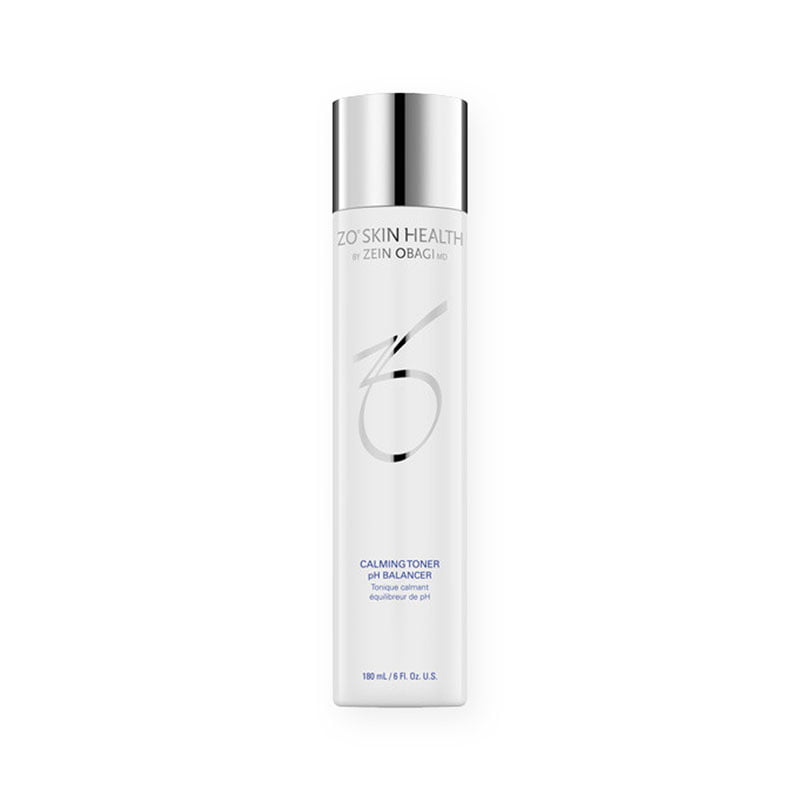
ZO® Calming Toner pH Balancer
Buy Wholesale ZO® Calming Toner pH Balancer
Skin Care Product
$46.00
You save (%)
Description
ZO® Calming Toner pH Balancer is an alcohol-free topical toner used after cleansing to remove residual impurities and help rebalance the skin’s surface pH. Licensed clinics, med spas, aesthetic practices, and healthcare professionals can order it for treatment-room routines, backbar use, and professional skincare protocols. Its gentle, non-exfoliating profile fits sensitive, dry, or easily irritated skin types that need a calmer transition before serums, creams, or other clinic-directed steps.
Clinic Ordering and Product Fit
ZO® Calming Toner pH Balancer supports standardized post-cleansing workflow in professional skincare programs. Staff can use it as a routine preparation step when a light, alcohol-free toner is preferred over stronger astringent or exfoliating options. The product is especially relevant for practices that build regimens around barrier comfort, patient tolerance, and consistent sequencing of ZO Skin Health products.
Professional accounts can view current ZO Calming Toner price details during ordering and allocate units based on treatment-room usage, retail plan design, or multi-location inventory needs. Because packaging and regional presentations can vary, confirm the bottle volume, unit count, lot, and expiry details shown at checkout and again when inventory is received. SKU reference: 88139.
Med Wholesale Supplies serves licensed clinics and healthcare professionals with brand-name products sourced through vetted distributors and verified supply channels. For broader protocol planning, clinics can browse the ZO brand selection and the professional skincare category to align toners, cleansers, moisturizers, and treatment-support products under one inventory plan.
What This pH-Balancing Toner Does
A pH-balancing toner helps return the skin surface toward a comfortable acidic range after cleansing. Cleansers, water exposure, and residue can temporarily shift the skin’s feel, which may affect comfort before applying leave-on actives. ZO® Calming Toner pH Balancer addresses that step by lifting residual debris while leaving the skin refreshed rather than stripped.
In clinic use, this function matters because many aesthetic and dermatology protocols depend on predictable layering. A gentle toner can help create a cleaner canvas before antioxidants, retinoids, hydrating creams, redness-focused serums, or barrier-support products. It is not positioned as a peel, exfoliating acid, prescription therapy, or medicated treatment; it is a supportive cosmetic step within a professionally directed routine.
The calming toner pH balancer profile is useful when staff want a non-abrasive way to complete cleansing. The liquid application reduces friction compared with repeated washing or mechanical rubbing. That makes it practical for dry, sensitized, or easily reactive complexions when a practitioner wants to avoid alcohol-based toners or aggressive keratolytics.
Professional Applications After Cleansing
Teams typically place this toner immediately after cleansing and before targeted leave-on products. It can be incorporated into morning or evening protocols, treatment-room preparation, or post-service skincare instructions when a gentle toning step is appropriate. Practitioner discretion remains important, especially after resurfacing procedures, injections, energy-based treatments, or any service that temporarily affects barrier function.
For core ZO routines, it pairs naturally with ZO® Gentle Cleanser when clinics prefer a mild cleansing sequence. It can also follow ZO® Hydrating Cleanser in protocols designed for drier or more reactive skin. These pairings help teams build a simple cleanse-tone-moisturize structure that is easy for staff to teach and repeat.
When protocols include stronger treatment steps, sequencing should be conservative and consistent. A pH-balancing toner may help complete residue removal before actives, but it should not be used to intensify irritation or push tolerance beyond the patient’s plan. For broader ZO regimen strategy, clinics can use professional skincare program guidance to map cleansers, toners, creams, and targeted products by skin presentation.
Key Features for Practice Use
- Alcohol-free toning base for sensitive, dry, or reactive skin types.
- pH-balancing action to support a comfortable post-cleansing skin surface.
- Gentle residue removal without abrasive scrubbing.
- Lightweight liquid format that layers cleanly under serums and creams.
- Non-exfoliating role for protocols that avoid acids or aggressive toners.
- Backbar-friendly placement after cleansing and before leave-on products.
- Compatible with professional ZO Skin Health routines when selected appropriately.
- Clear product identification for inventory control and staff workflow.
Quick tip: Keep the toner positioned with cleansers and cotton supplies so staff apply it at the same step every time.
Benefits in Treatment-Room Workflow
Clinics value products that make protocols repeatable across providers, rooms, and locations. ZO® Calming Toner pH Balancer can help standardize the transition from cleansing to treatment products. That consistency is useful for onboarding staff, building post-care routines, and reducing variation in how skin feels before active steps are applied.
The alcohol-free format can be preferable when comfort is a priority. Harsh toners may sting or dry the surface, especially in patients already using retinoids, exfoliants, or corrective skincare. A gentle pH-balancing toner offers a milder alternative for routines where the clinic wants refreshment and residue removal without a stripping finish.
Operationally, the liquid format is simple to dispense and easy to incorporate into short appointments. Staff can apply it with minimal disruption to room turnover, and the step is easy to document within standard skincare instructions. When barrier support is part of the regimen, pair the toner with ZO® Hydrating Cream to complete a comfort-focused routine.
Composition and Ingredient Verification
The current product copy identifies this toner as alcohol-free and designed for gentle pH balancing. Toners in this category often combine mild astringent, hydrating, and soothing components, but clinics should rely on the carton and primary label for the exact ZO Calming Toner ingredients list. Ingredient panels may change by lot, region, or manufacturer update.
For practices that maintain protocol binders, photograph or scan the ingredient panel when new inventory arrives. This helps staff answer ingredient-screening questions and supports consistent documentation for patients with known sensitivities. If a patient has a history of allergy, contact dermatitis, or intolerance to cosmetic ingredients, the treating professional should evaluate suitability before use.
Clinics that build antioxidant or barrier-support routines may also want to review ingredient roles across adjacent products. The article on antioxidants in skincare can help teams explain why toning, hydration, and antioxidant steps are often sequenced separately rather than treated as interchangeable.
Handling, Storage, and Inventory Control
Store the toner according to the manufacturer label and keep the closure secure when it is not in active use. Avoid contamination by dispensing with clean materials and keeping the bottle away from open treatment debris. Staff should rotate stock by lot and expiry, especially in high-volume rooms where multiple bottles may be opened across locations.
At receiving, inspect the seal, product name, batch or lot information, and expiry date before placing units into backbar or retail inventory. Record any internal SKU mapping your clinic uses for reorder planning. If your practice requires product documentation, request or file the appropriate invoice and receipt records with the lot information visible.
Orders are supported with temperature-controlled handling when required and tracked US delivery. Toner products do not usually require the same handling as sterile injectables, but clinics should still protect cosmetic skincare inventory from excessive heat, freezing, direct sunlight, and avoidable handling damage during storage.
Safety, Skin Tolerance, and Protocol Checks
ZO® Calming Toner pH Balancer is a cosmetic skincare product, but professional screening still matters. Ask about known ingredient sensitivities, recent procedures, active dermatitis, open skin, or unusually reactive presentations before applying any toner. If irritation, burning, rash, swelling, or unexpected discomfort occurs, discontinue use and evaluate the skin before adding additional products.
Post-procedure timing should follow the clinic’s protocol and the treating professional’s judgment. Even gentle products may feel uncomfortable on compromised skin. Avoid applying toner to broken skin or areas where a procedure-specific instruction calls for a different cleansing or recovery step.
The U.S. Food and Drug Administration explains that cosmetic products are intended for cleansing, beautifying, promoting attractiveness, or altering appearance, and they are regulated differently from drugs. That distinction is relevant for staff education: this toner supports skincare workflow and comfort, but it should not be presented as treating a disease or replacing clinician-directed therapy.
Related ZO Skin Health Options
Related products should be selected by protocol goal rather than by product name alone. For exfoliation-focused routines, ZO® Exfoliating Polish occupies a different role and should not be substituted for a calming toner. It is better suited to protocols where physical polishing is appropriate and skin tolerance supports that step.
For redness-prone or reactivity-focused programs, ZO® Rozatrol Normalizing Serum may be considered as a targeted leave-on option after cleansing and toning. For hydration and comfort, cream-based products can help complete the routine after the toner has dried. Selection should reflect the clinic’s service mix, patient skin type, and professional product plan.
Teams expanding beyond ZO can review creams and serums to coordinate moisturizers, soothing products, and treatment-support steps. Educational content on science-led skincare in aesthetics may also help staff discuss why product order, barrier support, and ingredient selection matter in professional routines.
Authoritative Sources
Sign in with a professional account to view current allocation details, packaging information, and applicable clinic purchasing terms for ZO® Calming Toner pH Balancer.
This content is for informational purposes only and is not a substitute for professional medical advice.
Frequently Asked Questions
What does ZO® Calming Toner pH Balancer do?
It is an alcohol-free toner used after cleansing to remove residual impurities and help rebalance the skin’s surface pH. Clinics use it as a gentle preparation step before applying serums, creams, or other professional skincare products.
Is ZO® Calming Toner suitable for sensitive skin protocols?
The product is positioned for sensitive, dry, or easily irritated skin types and has a non-exfoliating, alcohol-free profile. Clinics should still screen for ingredient sensitivities, recent procedures, open skin, or active irritation before use.
Where does this toner fit in a ZO Skin Health routine?
It usually fits immediately after cleansing and before leave-on products such as hydrating creams, antioxidant products, retinoid routines, or redness-focused serums. Sequencing should follow the clinic’s protocol and the treating professional’s judgment.
How should clinics verify ZO Calming Toner ingredients?
Use the carton and primary label received with the product as the current ingredient source. Ingredient panels can vary by lot or market update, so clinics should document the label at intake if ingredient screening is part of their protocol.
How should this toner be handled in clinic inventory?
Keep the bottle closed when not in use, store it according to the manufacturer label, and rotate stock by lot and expiry. Inspect seals and labeling at receiving before moving units into backbar or retail inventory.
Specifications
- Main Ingredient: Witch Hazel (Hamamelis Virginiana)
- Manufacturer: ZO SKIN HEALTH
- Drug Class: Skincare Product
- Generic Name: Toner
- Package Contents: 180 ML
- Storage Requirements: Room Temperature (2℃~25℃)
- Main Usage: Toner
Here to help
Questions about ordering, delivery or products? You can email our team here or call now at 1-800-630-9757 and be connected with your dedicated Account Manager
Related Products
JALUPRO® PLUS 4ML
Skin Rejuvenation Treatment
$86.00 - $89.00
You save (%)
You save (%)
$339.00
You save (%)
You save (%)
Select options
This product has multiple variants. The options may be chosen on the product page
Juvéderm® SKINVIVE
Dermal Filler
$339.00 - $359.00
You save (%)
You save (%)
$86.00 - $119.00
You save (%)
You save (%)
Related Articles
Prednisone in Clinical Care: Uses, Risks, and Monitoring
Prednisone is a prescription systemic corticosteroid used to reduce inflammation or suppress immune activity in…
Lip Fillers Swelling Stages: Timeline, Safety, and Follow-Up
Lip fillers swelling stages usually follow a short inflammatory course: swelling appears soon after injection,…
Hypopigmentation of the Skin: Assessment and Care
Hypopigmentation of the skin means one or more areas look lighter than the surrounding skin.…
Radiesse vs Sculptra: Selection Factors for Clinics
Radiesse vs Sculptra is best understood as a comparison between two collagen-stimulating injectables with different…
Hyaluronic Acid Under-Eye Filler: Safety and Workflow
Hyaluronic acid under-eye filler is an injectable soft-tissue filler used by trained aesthetic clinicians to…
Dermal Filler Types: Materials, Uses, and Clinic Fit
Dermal filler types are usually grouped by their base material, tissue behavior, and expected role…
What Is Dysport? Clinical Uses, Safety, and Workflow
For clinic teams asking what is Dysport, the short answer is simple: Dysport is a…
Biostimulators in Aesthetic Care: Selection and Safety
Biostimulators are injectable aesthetic products used to encourage a controlled tissue response, often involving new…