

- You must be logged in to add items to the cart.
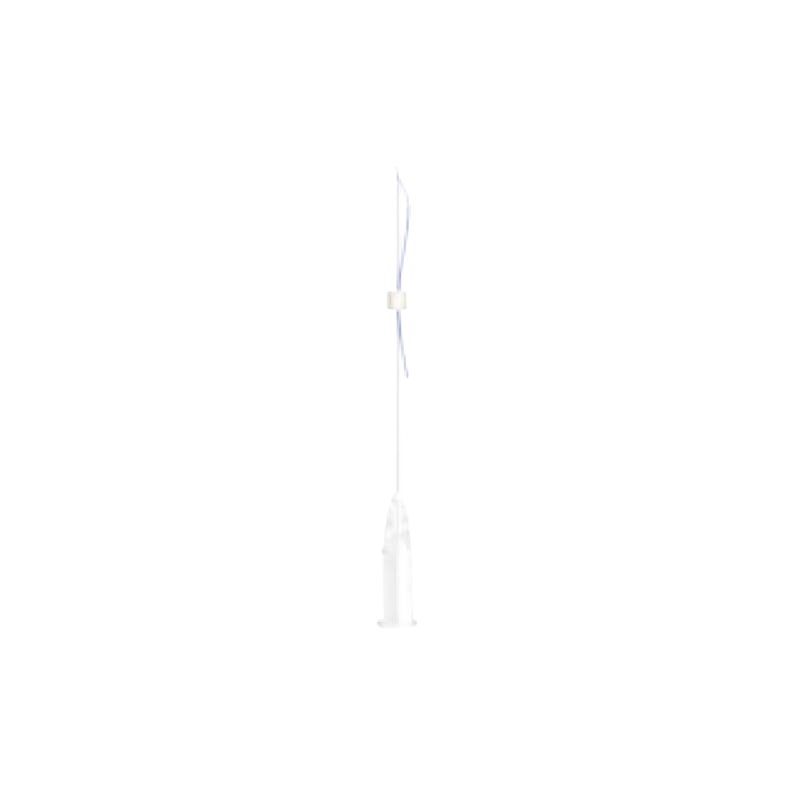
RAINBOW™ PCLA SCREW 29G50-80mm (20 pcs)
Order RAINBOW™ PCLA SCREW 29G50-80mm for Clinics
Medical Device
$149.00
You save (%)
Description
RAINBOW™ PCLA SCREW 29G50-80mm (20 pcs) is a sterile, single-use absorbable PCLA screw thread device supplied with a fine 29G introducer for professional subdermal placement. Licensed clinics, med spas, and healthcare professionals can order this 20-count configuration for thread-lift workflows that require a consistent 29G format and a 50–80 mm thread configuration. The pack supports treatment-room planning, aseptic setup, and repeatable technique across trained providers.
Clinics commonly stock RAINBOW PCLA SCREW 29G50-80mm 20 pcs when they need a screw-profile thread for soft-tissue approximation in aesthetic protocols. The helical thread profile is intended to increase surface purchase compared with straight mono formats, helping providers build controlled vectors in facial and neck treatment plans. US distribution and tracked US delivery support predictable replenishment for practices managing scheduled procedure blocks.
Product Format, Pack Details, and Clinic Fit
Each pack contains 20 sterile, single-use thread devices. The configuration combines a 29G stainless steel introducer with a 50–80 mm PCLA screw thread, giving clinics a fine-gauge option for subdermal placement in professional aesthetic workflows. Lot and expiry markings support inventory rotation, procedure documentation, and internal reconciliation.
| Attribute | Clinic-use detail |
|---|---|
| Product | RAINBOW™ PCLA SCREW 29G50-80mm (20 pcs) |
| Thread material | PCLA, an absorbable biocompatible copolymer used in suture-grade applications |
| Introducer | 29G stainless steel needle for subdermal placement by trained professionals |
| Thread profile | Screw or spiral geometry for added tissue purchase along the placement vector |
| Pack size | 20 individually packaged sterile, single-use devices |
| Workflow role | Facial and neck soft-tissue support within trained aesthetic thread protocols |
The 20-count pack can help practices keep a balanced thread inventory without changing gauge or thread type between cases. For clinics building a broader RAINBOW assortment, the Rainbow brand selection can support product-level planning across thread formats.
Ordering, Price Access, and Professional Requirements
Sign in with a professional account to view current RAINBOW PCLA Screw price information, request documentation, and align purchasing with your clinic’s expected procedure volume. Pricing may vary by account terms, pack selection, and volume needs, so verified clinics should use the account portal for current wholesale cost details rather than relying on informal market references.
Professional-use ordering requirements may apply because this is a sterile aesthetic thread device intended for trained healthcare providers. Clinics should maintain internal credentialing, consent, lot-tracking, and post-care procedures before adding any thread configuration to active protocols. We source brand-name medical products through vetted distributors and verified supply channels for licensed clinics.
Quick tip: Reconcile thread use by lot and expiry at the end of each procedure day to simplify inventory planning.
How the PCLA Screw Thread Works in Aesthetic Protocols
RAINBOW® PCLA screw threads are designed for minimally invasive placement in the subdermal plane by trained professionals. The spiral thread geometry creates localized traction along the pathway, which may support soft-tissue repositioning and contour refinement when used within appropriate vector planning. PCLA gradually resorbs through hydrolytic processes, while the thread pathway may contribute to tissue-support effects as part of the overall treatment response.
The screw profile can be useful when a provider wants more engagement than a smooth mono thread while preserving a fine 29G introducer. In practice, clinics may select this format for midface support, jawline refinement, perioral framing, or cervical vectors, depending on anatomy, training, and protocol design. For a concise class-level explanation of absorbable aesthetic threads, the PDO threads guide explains common thread categories and general mechanism concepts.
Thread choice should reflect tissue quality, vector direction, treatment depth, and the provider’s training. A screw thread is not interchangeable with a cog, mono, or embossing thread in every plan; each profile handles tissue purchase differently. Clinics should confirm whether the intended technique calls for soft engagement, structural lift, localized refinement, or layered support before selecting this device.
Professional Applications and Treatment-Room Workflow
This configuration is selected for soft-tissue support and refinement across common facial and neck aesthetic indications. Providers may use it as a stand-alone thread type or incorporate it into staged plans that include other thread profiles or energy-based treatments at separate visits. The 29G format supports precise passes in trained hands, while the 20-count pack helps practices prepare rooms for scheduled thread sessions.
Workflow consistency matters in thread procedures. Using the same gauge and thread configuration across appropriate cases can help reduce setup variation between providers, rooms, and sites. Standardized trays, consent forms, aftercare instructions, and lot documentation can also reduce delays during short treatment blocks.
- Use only by trained healthcare professionals working within clinic protocols.
- Inspect sterile packaging before opening and do not use compromised units.
- Document lot number, expiry, treatment area, and thread count per procedure.
- Use each device once and discard according to sharps and clinical-waste procedures.
- Maintain aseptic technique throughout preparation, placement, and cleanup.
Clinics expanding from mono to screw formats may also evaluate companion devices such as PCLA Mono 27G for fine contour support or Gold Embossing Mono 29G50 when a different surface texture fits the planned protocol.
Key Features for Inventory and Handling
RAINBOW PCLA Screw threads combine sterile presentation, absorbable material, and a repeatable 29G introducer format. Those details make the device practical for clinics that want a defined screw thread option within a larger thread-lift formulary. The pack quantity also supports multi-patient scheduling when procedures are planned and documented in advance.
- Screw geometry: Helical thread profile intended to increase surface purchase along the vector.
- Fine introducer: 29G needle supports precise subdermal track creation by trained users.
- Absorbable polymer: PCLA copolymer is designed for gradual resorption after placement.
- Sterile single-use design: Individual packaging supports aseptic technique and simplified room setup.
- Traceable labeling: Lot and expiry details help with documentation and stock rotation.
- Pack efficiency: Twenty devices support scheduled procedure blocks and clinic inventory control.
- Protocol consistency: Uniform gauge and thread configuration help reduce variation across appropriate cases.
For handling, store and manage the pack according to the manufacturer’s labeling and your clinic’s sterile-device procedures. Temperature-controlled handling when required and tracked US delivery can support controlled procurement workflows, but clinical staff should still inspect packaging and labels before use.
Composition, Sterility, and Device Checks
The thread is made from PCLA, or poly-L-lactide-co-ε-caprolactone, a biocompatible absorbable copolymer used in suture-grade applications. The introducer is a 29G stainless steel needle designed for subdermal placement. The screw or spiral configuration is intended to add tissue purchase compared with straight mono thread designs.
Each device is sterile and single use. Do not resterilize or reuse a thread device after opening, placement, or attempted placement. Before preparing the treatment area, staff should inspect the individual package for intact seals, readable lot and expiry data, and any visible compromise. If packaging integrity is uncertain, remove the unit from use and follow the clinic’s quarantine or disposal process.
Routine device checks help protect both clinical workflow and patient safety. A consistent intake process should confirm product name, gauge, thread configuration, pack quantity, expiry, and storage status before the device reaches the procedure room. These checks are especially important when a clinic stocks several thread lengths, gauges, and textures in the same cabinet.
Safety Considerations for Thread Procedures
Thread placement is a professional aesthetic procedure and should be performed only by trained clinicians familiar with facial anatomy, sterile technique, contraindication screening, complication management, and aftercare. Transient responses may include localized swelling, bruising, tenderness, erythema, or mild asymmetry after placement. Providers should counsel patients using clinic-approved consent materials and procedure-specific post-care instructions.
Clinics should screen for factors that may affect suitability, including active skin infection in the treatment area, bleeding risk, relevant medical history, medication considerations, unrealistic expectations, and prior procedures in the same region. Technique, tissue plane, vector selection, and aseptic handling are central safety variables. Individual protocols should also define when to defer treatment and when to escalate concerns after a procedure.
Thread complications can include contour irregularity, extrusion, infection, persistent pain, nerve irritation, or unsatisfactory cosmetic outcome. These events require professional evaluation and documentation. For protocol-level risk review, the article on thread lift risks can support staff education, but it should not replace hands-on training or clinic medical direction.
Related Thread Options for Protocol Planning
Clinics often stock more than one thread profile because treatment goals vary by tissue quality, region, and vector. RAINBOW PCLA SCREW 29G50-80mm can serve as a screw-profile option within a formulary that also includes shorter screw threads, smooth mono threads, spiral alternatives, or other textures. The right choice depends on the intended tissue engagement and the provider’s validated technique.
For a shorter related configuration, consider PCLA Screw 29G38-50mm. Practices comparing spiral-style handling can review Intraline Spiral S2938 29G. For mono-thread planning, Mono 29G38 may fit protocols that call for a different thread style.
When substituting any thread, confirm gauge, length, thread profile, material, packaging, and technique implications before scheduling patients. A device that appears similar on an inventory sheet may behave differently during placement. Keep substitutions aligned with staff training and documented clinic protocols.
Authoritative Sources
Ready to align supply with your procedure schedule? Sign in to add RAINBOW™ PCLA SCREW 29G50-80mm (20 pcs) to your clinic formulary and maintain professional documentation for each treatment session.
This content is for informational purposes only and is not a substitute for professional medical advice.
Frequently Asked Questions
Who can order RAINBOW™ PCLA SCREW 29G50-80mm?
This product is intended for licensed clinics, med spas, and healthcare professionals using trained aesthetic thread protocols. Professional account verification may be required before pricing and ordering details are shown.
What is included in one pack?
Each pack contains 20 sterile, single-use RAINBOW™ PCLA SCREW devices with a 29G introducer and a 50–80 mm thread configuration. Labels include lot and expiry information for clinic documentation.
How should clinics choose between screw and mono threads?
Screw threads have a spiral profile intended to provide more localized surface purchase than a straight mono thread. Selection should be based on treatment area, tissue quality, vector plan, provider training, and the clinic’s written protocol.
Are these threads reusable or resterilizable?
No. Each device is sterile and single use. Do not reuse or resterilize opened devices, and inspect packaging integrity before preparation or placement.
What documentation should be kept after use?
Clinics should record the product name, lot number, expiry date, thread count, treatment area, provider, and any relevant procedure notes according to internal policies and applicable professional standards.
Can this configuration be substituted with another PCLA thread?
Substitution should be confirmed by the treating professional or clinic medical lead. Gauge, length, thread profile, material, and handling can affect technique, so alternatives should match the intended protocol and staff training.
Specifications
- Main Ingredient:
- Manufacturer: PCLA Medical Devices Inc.
- Drug Class: Medical Device
- Generic Name: Pcla Screw 29G50
- Package Contents: 20 pcs
- Storage Requirements: Room Temperature (2℃~25℃)
- Main Usage:
About the Brand
Rainbow
Rainbow, a highly regarded medical brand, offers an extensive selection of superior medical supplies. From gloves and masks to surgical tools and machines, Rainbow provides everything necessary for flawless patient care, adhering to the highest medical industry standards. One of the exceptional features about Rainbow is its availability via our online platform, medwholesalesupplies.com. This user-friendly site provides a smooth and trouble-free process for bulk ordering of medical supplies. Healthcare professionals can effortlessly peruse Rainbow's comprehensive product list and add required items to their shopping cart— a quicker and more efficient alternative to conventional purchase methods. Opting to procure Rainbow via medwholesalesupplies.com is also economically beneficial due to the competitive pricing structure. Our platform offers wholesale rates on Rainbow items, resulting in a cost-effective solution for healthcare institutions and practitioners. Purchasing in large quantity allows customers to appreciate significant savings without quality trade-offs. Furthermore, our site includes detailed images and product descriptions, thereby helping clients make well-informed purchasing decisions. In summary, medwholesalesupplies.com serves as an ideal online marketplace for healthcare professionals to acquire Rainbow products effortlessly, economically, and with outstanding value.
Browse Rainbow Products
Here to help
Questions about ordering, delivery or products? You can email our team here or call now at 1-800-630-9757 and be connected with your dedicated Account Manager
Related Products
JALUPRO® PLUS 4ML
Skin Rejuvenation Treatment
$86.00 - $89.00
You save (%)
You save (%)
$339.00
You save (%)
You save (%)
Select options
This product has multiple variants. The options may be chosen on the product page
Juvéderm® SKINVIVE
Dermal Filler
$339.00 - $359.00
You save (%)
You save (%)
$86.00 - $119.00
You save (%)
You save (%)
Related Articles
Hyaluronic Acid Under-Eye Filler: Safety and Workflow
Hyaluronic acid under-eye filler is an injectable soft-tissue filler used by trained aesthetic clinicians to…
Dermal Filler Types: Materials, Uses, and Clinic Fit
Dermal filler types are usually grouped by their base material, tissue behavior, and expected role…
What Is Dysport? Clinical Uses, Safety, and Workflow
For clinic teams asking what is Dysport, the short answer is simple: Dysport is a…
Biostimulators in Aesthetic Care: Selection and Safety
Biostimulators are injectable aesthetic products used to encourage a controlled tissue response, often involving new…
Do You Ovulate on an IUD? Clinic Counseling Points
Clinicians hear the shorthand question do you ovulate on iud, but the practical answer depends…
Vascular Occlusion: Early Signs, Risks, and Clinic Response
A vascular occlusion is a partial or complete blockage of blood flow in a vessel.…
Wrinkles Around the Mouth: Causes and Treatment Options
Wrinkles around the mouth can be softened, not always permanently erased, by matching the line…
Are Knee Gel Injections Painful? Counseling and Safety
Most patients do not describe knee gel injections as severely painful. Clinic teams should set…