
Description
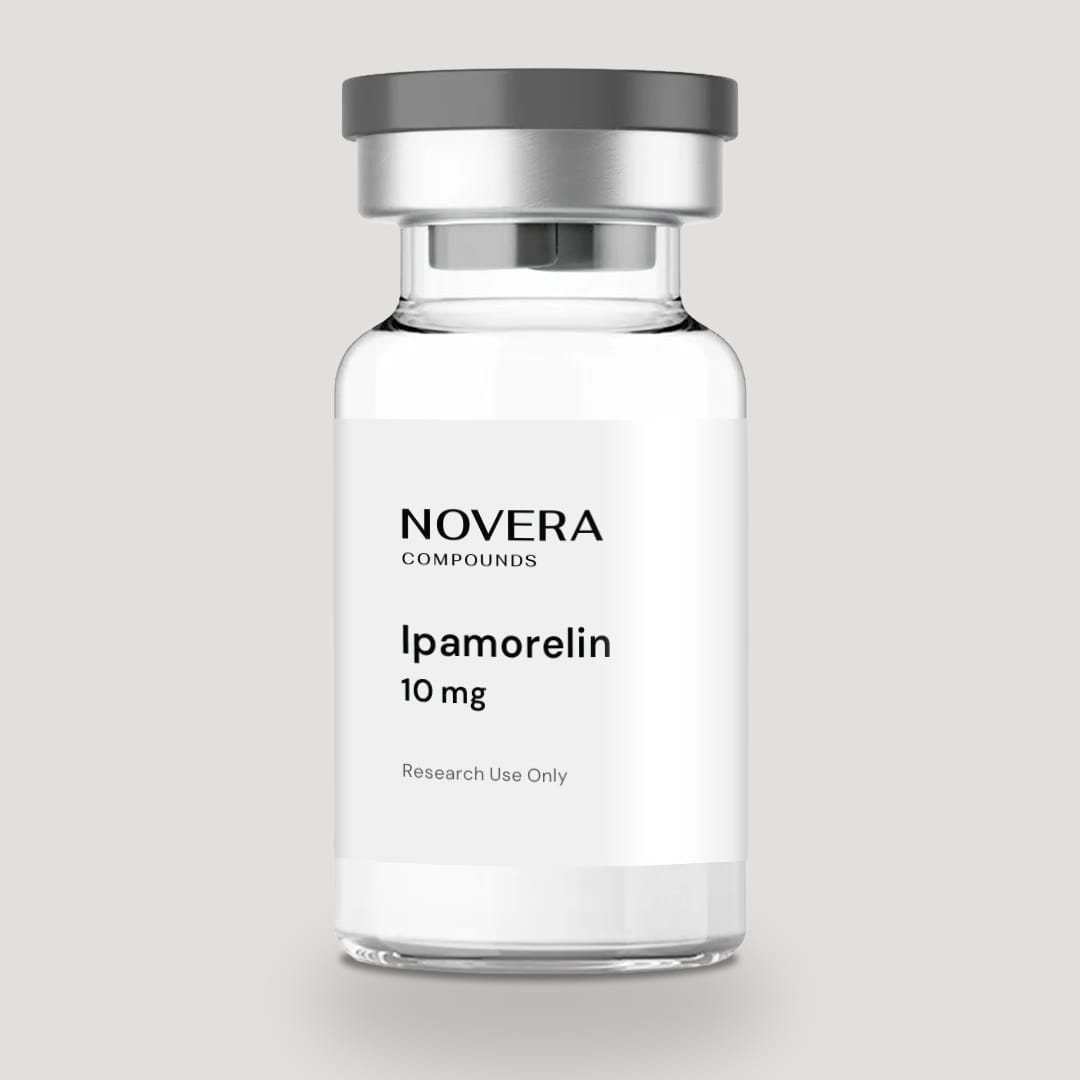
Ipamorelin is a synthetic peptide used in professional clinic settings that evaluate growth hormone secretagogue protocols. Licensed clinics and healthcare professionals can order Ipamorelin for practice use after matching the active ingredient, route, strength, and handling instructions to their internal protocol. Clinic buyers should verify the exact presentation during ordering, including the form, total amount, storage statement, and lot documentation.
Ipamorelin is commonly discussed as a growth hormone secretagogue, meaning a compound intended to stimulate growth hormone release through receptor signaling. For clinic purchasing, the practical decision is not based on wellness claims or bodybuilding language. It depends on source records, professional oversight, staff training, monitoring plans, and whether the product fits the service line where it will be used.
Ipamorelin Price, Strength, and Order Review
Clinics can order Ipamorelin after reviewing the current price, quantity, and strength shown during the ordering process. Public references to ipamorelin 2mg, 5mg, 10mg, 15mg, oral formats, sublingual products, or acetate terminology should not be treated as interchangeable product facts. The clinic stock record should match the item being purchased, not a general market description.
Acquisition cost should be reviewed alongside usable volume, expected wastage, storage capacity, staff time, and monitoring burden. A lower nominal price may not reduce operational cost if the product requires unfamiliar preparation steps, creates route confusion, or does not align with the clinic’s documentation workflow. For professional procurement, the most useful price comparison is between products with the same active ingredient, route, total amount, lot controls, and handling instructions.
Before active stock is accepted, the purchaser should align the item with the intended service line. Endocrine, wellness, metabolic, and aesthetic-adjacent practices may have different consent language, supervision rules, refrigerator space, and charting expectations. A clear front-end decision helps prevent avoidable substitutions after the product reaches the medication area.
Quick tip: Match the strength, route, lot number, expiry, and storage statement before the product enters active inventory.
How Clinics Should Order and Receive Peptide Stock
Clinic ordering should start with product identity and professional-use documentation. The responsible purchaser should confirm the practice name, receiving address, storage location, and the person authorized to accept the shipment. Internal sign-off may also include the medical director, designated purchaser, or supervising healthcare professional, depending on how the clinic manages peptide and injectable inventory.
Ipamorelin should be received into a controlled workflow rather than placed directly into treatment-room stock. Staff should record the lot number, expiry date, quantity received, temperature condition if applicable, and any product-specific handling instructions. Temperature-controlled handling when required and tracked US delivery can support receiving controls, but the clinic still needs a local process for documenting arrival and resolving any excursion questions.
Peptide products are especially vulnerable to naming confusion because market language often blends molecule names, salts, combinations, and route claims. A clinic that also evaluates related items such as Tesamorelin, Sermorelin, or Hexarelin should keep each product’s stock record distinct. Similar use context does not make these products operational substitutes.
Professional-Use Context and Mechanism
Ipamorelin is described in the scientific literature as a selective agonist of the ghrelin or growth hormone secretagogue receptor pathway. In plain terms, it is designed to interact with signaling pathways involved in growth hormone release. That mechanism explains why clinics often evaluate it in relation to endocrine, body-composition, recovery, or wellness protocols, but it does not prove that every promoted benefit is established or appropriate for a specific patient population.
Common search questions ask what Ipamorelin does, whether it supports weight loss, whether it helps muscle growth, and whether it increases testosterone. The responsible clinic answer is narrower: Ipamorelin is evaluated for growth hormone secretagogue activity, while claims about fat loss, lean mass, anti-aging, sexual health, or testosterone effects require careful clinical interpretation. Clinics should avoid building protocols from anecdotal online reports or fitness-community summaries.
For practice use, the care pathway should define why the product is being used, who may administer or supervise it, what baseline information is required, and what follow-up markers will be documented. If the clinic cannot define those items before purchase, the product may not be ready for active workflow even when the sourcing step is straightforward.
Why it matters: Growth hormone pathway claims need professional monitoring, not consumer-style benefit assumptions.
Forms, Routes, and Packaging Checks
Ipamorelin may be discussed online using terms such as injection, oral ipamorelin, sublingual ipamorelin, peptide supplement, or ipamorelin acetate. Those terms do not confirm the form supplied to a clinic. Staff should use the documentation that arrives with the sourced item to determine route, concentration, reconstitution needs, diluent requirements, preservative status, and in-use dating rules.
When a clinic receives a new lot or changes supplier packets, the same verification fields should be reviewed each time. This helps prevent staff from relying on previous habits when the presentation, total amount, or preparation instructions differ.
| Field to verify | Clinic reason |
|---|---|
| Active ingredient name | Confirms the product is Ipamorelin and not a blend or adjacent peptide. |
| Form and route | Determines administration workflow and staff training needs. |
| Total amount per container | Supports inventory math and wastage planning. |
| Concentration as supplied | Reduces preparation, charting, and labeling errors. |
| Reconstitution requirement | Defines sterile workflow and diluent planning. |
| Diluent status | Prevents incomplete receiving checks. |
| Preservative status | May affect in-use dating and storage rules. |
| Lot and expiry | Supports traceability, recalls, and quality review. |
| Storage statement | Guides refrigerator placement and excursion decisions. |
Clinics considering combination products should review each active ingredient separately. For example, Tesamorelin and Ipamorelin blend stock creates a different decision than single-ingredient Ipamorelin because the monitoring and documentation burden may change.
Administration Workflow and Staff Controls
Administration should follow the documentation for the exact product received. If the item is supplied for parenteral use, the clinic should follow the source instructions for reconstitution, sterile preparation, administration route, labeling, and beyond-use timing. If the product is not parenteral, staff should not assume it can be used like injectable material seen in online protocols.
Workflow safety improves when receiving staff, clinical staff, and charting templates use the same product name and route language. This is particularly important when clinics stock multiple peptides or products with similar names. One naming convention reduces selection error and helps the team connect any adverse event, storage excursion, or patient complaint to the correct lot.
- Limit stock release to authorized staff.
- Separate active, opened, and quarantined items.
- Record lot and expiry at the point of use.
- Use route-specific preparation instructions.
- Escalate unclear formulation or labeling questions before use.
Training should cover more than injection technique or preparation steps. Staff should know where the product is stored, how to document lot use, what to do after a temperature excursion, and when to notify the supervising clinician. These controls are often easier to maintain when they are built into the same medication-area workflow used for other clinic products.
Storage, Handling, and Inventory Planning
Storage instructions should come from the product’s labeling or accompanying documentation. Key points include required temperature range, light protection if stated, acceptable room-temperature exposure if any, reconstitution rules, and labeling after first puncture or opening. New lots should be reviewed on arrival rather than assumed to match prior stock.
Inventory planning should account for refrigerator capacity, quarantine space, lot rotation, and product segregation. Peptide products should not be crowded into mixed storage areas where look-alike vials or similar names increase the chance of selection error. A refrigerator map, receiving log, and stock-release checklist can make daily use more reliable.
Clinics with aesthetic or wellness service lines may also review adjacent professional-use topics such as peptides for skin and anti-aging. Educational content can support staff discussion, but treatment-room decisions should still be based on the exact sourced item, clinician oversight, and the clinic’s written protocol.
Side Effects, Warnings, and Monitoring
Safety discussions around Ipamorelin often include headache, nausea, flushing, fatigue, dizziness, injection-site discomfort when relevant, and fluid-related symptoms such as swelling. Reported experiences vary because online commentary frequently mixes supervised clinic use with wellness, research, and bodybuilding contexts. Clinics should document observed effects through their own adverse-event process rather than relying on anecdotal benefit or risk claims.
More serious concerns may include hypersensitivity reactions, clinically important edema, and changes that complicate glucose control. Patients with complex endocrine history, active malignancy concerns, unexplained swelling, uncontrolled metabolic disease, or concurrent growth hormone pathway treatment require careful clinician review before a protocol is used. These areas should be addressed in the clinic’s intake, consent, and monitoring plan.
Monitoring should match the practice’s clinical framework. Depending on the protocol, staff may track symptoms, weight trends, fluid status, blood pressure, glucose-related measures, and growth hormone axis markers such as IGF-1. Scale changes should be interpreted cautiously because fluid balance, diet, concurrent therapies, and measurement timing may all affect results.
Medication reconciliation remains important. Caution is reasonable when patients use other growth hormone secretagogues, growth hormone pathway therapies, insulin or glucose-lowering medicines, systemic corticosteroids, or complex endocrine regimens. Combination regimens can make symptoms and laboratory changes harder to interpret.
Comparing Ipamorelin With Sermorelin, Tesamorelin, and Blends
Clinics often compare Ipamorelin with Sermorelin, Tesamorelin, Hexarelin, and CJC-1295 plus Ipamorelin combinations. No single product is automatically better for every setting. A useful comparison looks at the intended protocol, route, evidence base, professional documentation, monitoring requirements, and whether the clinic can manage the product safely.
Sermorelin works higher in the growth hormone axis as a growth hormone-releasing hormone analog. Tesamorelin has a distinct evidence and regulatory context. Hexarelin is another growth hormone secretagogue discussed in peptide protocols. Combination products may increase review burden because each active ingredient adds another layer of safety, handling, and documentation.
Questions such as whether Tesamorelin, Sermorelin, or Ipamorelin is better should be answered inside the clinic’s governance framework. The stronger choice is the product with the clearest rationale, suitable formulation, workable monitoring plan, and consistent documentation. Forum claims about muscle growth, weight loss, recovery, or testosterone should not drive procurement.
Availability, Substitutions, and Product Changes
Clinics can buy Ipamorelin for professional use, but substitutions should be treated as new product decisions. A similarly named peptide may differ by concentration, route, salt form, preservative content, package configuration, diluent status, or storage requirement. Even small changes can affect preparation, charting, wastage, and monitoring.
Descriptors such as oral, sublingual, injection, acetate, supplement, or blend may point to materially different products. Before switching from one presentation to another, the clinic should review route, lot traceability, storage statement, preparation steps, and protocol fit. Staff should also update medication-area labels and charting templates before the substituted product reaches patient care areas.
Inventory policies should define what happens when a product is damaged, temperature-exposed, relabeled, or returned from a treatment room. Quarantine rules are especially useful when multiple peptide products are stored together. The goal is to prevent uncertain stock from re-entering active use without a documented quality decision.
Authoritative Sources
Professional procurement should rely on product documentation, clinic governance, and primary scientific sources rather than consumer marketing. Growth hormone secretagogue literature can help clinicians understand mechanism, but it should not replace product-specific handling instructions or individualized medical oversight.
- For pharmacology background, see this peer-reviewed PubMed record on a selective growth hormone secretagogue.
This content is for informational purposes only and is not a substitute for professional medical advice.
Frequently Asked Questions
Can licensed clinics order Ipamorelin for professional use?
Yes. Licensed clinics and healthcare professionals can order Ipamorelin for practice use after reviewing the active ingredient, route, strength, storage statement, and lot documentation for the specific item being purchased.
Is Ipamorelin the same as Sermorelin or Tesamorelin?
No. Ipamorelin, Sermorelin, and Tesamorelin are discussed in growth hormone pathway contexts, but they are not interchangeable by default. Clinics should compare mechanism, formulation, documentation, monitoring needs, and protocol fit before selecting one.
How often should Ipamorelin be administered in a clinic protocol?
Administration frequency should come from the supervising clinician’s protocol and the product-specific instructions. Clinics should not rely on generic online dosing schedules or apply instructions from a different route or formulation.
What documentation should be checked when Ipamorelin arrives?
Receiving staff should record the product name, strength or total amount, route, lot number, expiry date, storage statement, diluent status if relevant, and any temperature or handling notes before releasing stock for use.
What side effects should clinics monitor with Ipamorelin?
Commonly discussed effects include headache, nausea, flushing, fatigue, dizziness, injection-site discomfort when relevant, and swelling. Clinics should also watch for hypersensitivity, fluid-related symptoms, and glucose-control concerns when clinically relevant.
Does Ipamorelin boost testosterone?
Ipamorelin is primarily discussed as a growth hormone secretagogue, not as a testosterone therapy. Any hormone-related expectations should be addressed through clinician evaluation, baseline assessment, and protocol-specific monitoring.
Can oral, sublingual, injectable, and blended Ipamorelin products be substituted?
They should not be substituted automatically. Route, concentration, active ingredients, storage needs, and documentation may differ. A clinic should treat each formulation change as a new procurement and safety review.
Specifications
- Main Ingredient: Peptides
- Manufacturer:
- Drug Class:
- Generic Name: Ipamorelin
- Package Contents: 1 vial
- Storage Requirements:
- Main Usage:
Here to help
Questions about ordering, delivery or products? You can email our team here or call now at 1-800-630-9757 and be connected with your dedicated Account Manager
Related Products
Prolia® (International English)
Prescription Medication
$529.00 - $549.00
You save
You save
Evenity® (English Alternative)
Injectable Medication
$1,229.00 - $1,299.00
You save
You save
Intraline® For Men
Dermal Filler
$59.00 - $79.00
You save
You save
RejuvaNAD+ Pro
Injectable Medication
$237.00 - $249.00
You save
You save
Related Articles
Prednisone in Clinical Care: Uses, Risks, and Monitoring
Prednisone is a prescription systemic corticosteroid used to reduce inflammation or suppress immune activity in…
Lip Fillers Swelling Stages: Timeline, Safety, and Follow-Up
Lip fillers swelling stages usually follow a short inflammatory course: swelling appears soon after injection,…
Hypopigmentation of the Skin: Assessment and Care
Hypopigmentation of the skin means one or more areas look lighter than the surrounding skin.…
Radiesse vs Sculptra: Selection Factors for Clinics
Radiesse vs Sculptra is best understood as a comparison between two collagen-stimulating injectables with different…
Hyaluronic Acid Under-Eye Filler: Safety and Workflow
Hyaluronic acid under-eye filler is an injectable soft-tissue filler used by trained aesthetic clinicians to…
Dermal Filler Types: Materials, Uses, and Clinic Fit
Dermal filler types are usually grouped by their base material, tissue behavior, and expected role…
What Is Dysport? Clinical Uses, Safety, and Workflow
For clinic teams asking what is Dysport, the short answer is simple: Dysport is a…
Biostimulators in Aesthetic Care: Selection and Safety
Biostimulators are injectable aesthetic products used to encourage a controlled tissue response, often involving new…