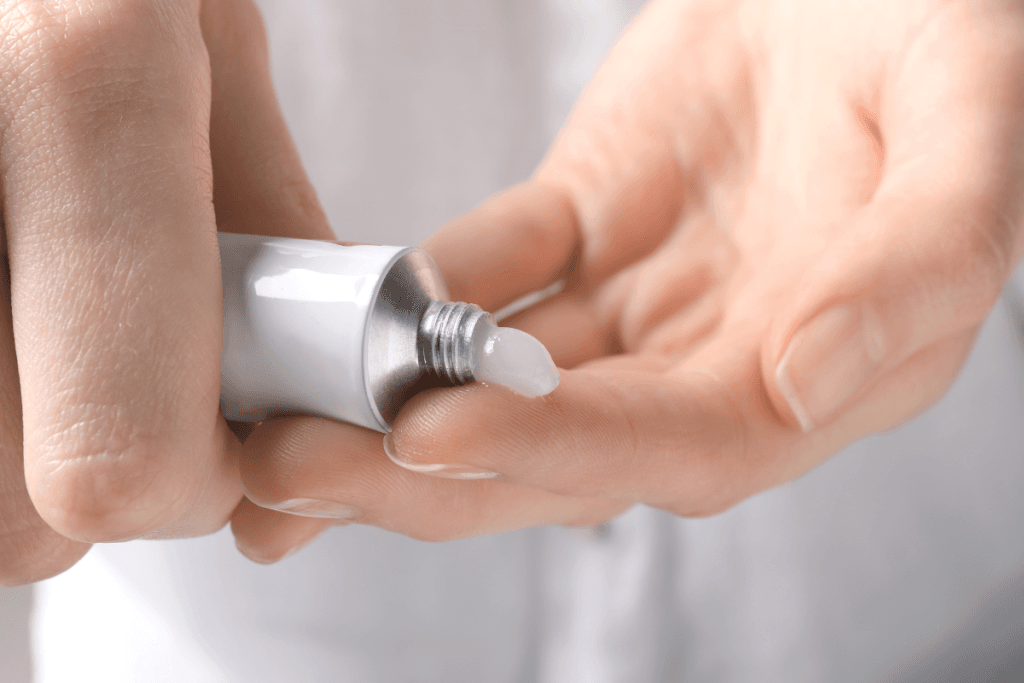
EMLA cream for minor procedures can be useful when a clinic needs superficial topical anesthesia before needle-based or minor dermal work. Its value is practical: it may improve tolerance, but only when staff plan the timing, use it on appropriate intact skin, and follow the labeled method and local protocol.
Key Takeaways
- EMLA Cream is a lidocaine-prilocaine topical anesthetic for superficial skin numbing.
- It works best when clinics build application timing into pre-procedure workflow.
- Intact skin, occlusion, and site selection are core safety and performance variables.
- Documentation, sourcing checks, and removal timing help reduce avoidable variation.
EMLA Cream for Minor Procedures: Where It Fits
EMLA Cream is a eutectic mixture of lidocaine 2.5% and prilocaine 2.5% formulated to numb the skin surface before certain procedures. It is most relevant when the goal is to reduce superficial discomfort, not to replace deeper anesthesia techniques or recover time lost to poor scheduling.
Because it acts at the skin surface, it works best as a planning tool. It may lessen pain from skin puncture or minor dermal manipulation, but it will not remove every sensation. Pressure, traction, heat, vibration, or deeper tissue discomfort can still matter, so clinics should match it to the expected depth and technique of the visit.
In practice, EMLA cream for minor procedures is most useful when staff can pre-plan the appointment. Common clinical examples may include venipuncture (blood draw), IV cannulation (placing an IV line), and selected superficial dermatology or aesthetic procedures on intact skin. It is less useful when the case begins immediately, when the skin barrier is disrupted, or when the intervention extends beyond superficial anesthesia.
The key question is fit. Clinics should confirm that the procedure, site, patient factors, and local workflow align before use. A standardized protocol usually produces better results than relying on extra dwell time or a last-minute substitution.
Common Use Cases in Clinic Workflow
For many teams, the main advantage is predictability. If staff know which visit types routinely involve superficial needle or skin discomfort, they can assign the step during intake, document the time, and avoid rooming delays later. That is often more reliable than applying the cream after the tray is already open.
Context note: this channel is designed for licensed clinics and healthcare professionals.
Timing, Application, and Occlusion
Timing is the main operational variable because onset is not immediate. For intact skin, labeled application windows for minor dermal procedures are often around one hour, usually with an occlusive dressing (airtight cover) so the cream stays in place and the anesthetic effect develops more predictably. Exact timing still depends on the procedure, anatomic site, age group, and the labeling your clinic follows.
When teams ask about the minimum application time, the safer answer is to use the product’s labeled timing for the intended site rather than a generic rule. One-hour planning is common, but it should not be copied blindly across every age group, skin surface, or procedure type.
An EMLA cream application guide should standardize three things: when staff apply it, how the site is covered, and when the area is uncovered and prepped. The goal is consistency. Longer dwell time does not automatically mean better numbing, and earlier application does not remove the need to confirm the actual start time of the case.
After the dwell period, the site should be cleared and prepped according to procedure requirements. Residual cream can interfere with site marking, visualization, or antisepsis if the handoff between application and the procedure step is loose. Many clinics therefore pair removal with the same checklist used for consent, photography, or tray setup.
If standing nursing protocols are used, responsibility should be clear. Someone should own site confirmation, dressing placement, removal, and the final check that the skin is ready before the procedure starts.
Quick tip: Chart application time and planned removal time together.
| Workflow checkpoint | What to confirm |
|---|---|
| Procedure and site | Is the planned use on intact skin and within label or protocol? |
| Timing window | What time will staff apply and remove the cream? |
| Covering method | Will the site use occlusion, and who places the dressing? |
| Pre-procedure prep | Who removes residue and completes final skin prep? |
| Charting | Where will timing, site response, and deviations be recorded? |
Why Extra Dwell Time Is Not Always Better
A common concern is whether the effect will wear off if the cream is placed earlier than expected, such as about 90 minutes before the procedure. The more useful clinical question is whether the product was used according to label and protocol, not whether one extra interval guarantees failure or success. The depth and reliability of topical anesthesia are shaped by the formulation, site, dressing, and planned procedure.
The widely repeated 3-5-7 rule for lidocaine is not a standard decision tool for EMLA Cream. Product-specific labeling and local protocol matter more than shorthand rules drawn from other lidocaine formulations or injectable anesthetic teaching.
Safety Checks That Matter Before Use
Safety screening matters because topical anesthetics can still cause clinically important local and systemic reactions. Even when the intent is minor-procedure comfort, the pre-use check should be deliberate.
Common local effects may include temporary blanching, erythema (redness), mild edema (swelling), or a brief burning sensation at the site. Those findings are usually less concerning than symptoms that suggest broader exposure, incorrect site selection, or a mismatch between product and procedure.
Risk screening should include whether the planned area is intact skin, whether there is a relevant anesthetic hypersensitivity history, and whether there are factors that raise concern for methemoglobinemia (a reduced oxygen-carrying form of hemoglobin). Extra caution may be warranted in infants, patients with glucose-6-phosphate dehydrogenase deficiency, and those taking oxidizing medicines, because prilocaine can contribute to this risk.
Why it matters: Topical anesthetic errors are often timing or site-selection errors.
- Intact skin only: do not assume an intact-skin cream is appropriate for broken or inflamed skin.
- History review: check prior reactions to topical or injectable amide anesthetics.
- Medication context: note therapies that may increase oxidant stress or alter risk.
- Surface area and repeat use: broader application can change absorption and exposure.
- Unexpected symptoms: escalate assessment if cyanosis, breathing changes, or neurologic symptoms occur.
Clinics should also avoid treating different topical anesthetics as interchangeable. Vehicle, concentration, allowed sites, and dwell-time expectations vary across creams, patches, gels, and compounded products. A formulation intended for intact skin before minor dermal work is not automatically appropriate for mucosal tissue, large treatment fields, or procedures that need deeper anesthesia.
Trying to fix inadequate analgesia by reapplying across a larger area or by extending exposure without review can add risk without solving the underlying mismatch. When a procedure repeatedly outruns what a topical anesthetic can provide, the workflow question may be whether a different anesthesia plan is needed.
Professional supply should move through vetted distributors and verified sourcing channels.
If the site shows unexpected irritation, if oxygenation concerns appear, or if a patient develops systemic symptoms, the next step is clinical assessment and escalation under protocol rather than repeat application or guesswork.
Common Mistakes Clinics Try to Avoid
Most operational problems are preventable. In dermatology and aesthetic settings, especially where teams already manage Anti-Aging Treatments, Chemical Peel Workflows, or a BioRePeel Overview, standardizing the numbing step reduces variation across visit types.
- Late application: the skin is not ready when the procedure begins.
- Wrong surface selection: irritated or non-intact skin can change absorption risk.
- Skipping occlusion: if covering is part of protocol, onset may be less predictable without it.
- Assuming all lidocaine products match: different products have different labeled uses and time windows.
- Weak documentation: missing timing or site notes complicate review when cases run off schedule.
A recurring mistake is role ambiguity. If one staff member applies the cream, another removes it, and a third starts the procedure, missing handoffs can lead to incorrect timing or incomplete skin prep. A simple chart field for application time, covering method, and removal time usually prevents more confusion than verbal reminders alone.
This matters even more when a clinic layers comfort steps into resurfacing or pigment-focused services. Teams working across Hyperpigmentation Peels and the Mediderma Peel Range often benefit from a single pre-procedure checklist so barrier-sensitive visits are handled consistently.
How to Compare Topical Numbing Options
Comparison should start with labeling, not brand familiarity. When teams compare EMLA Cream with plain lidocaine creams, patches, or compounded topical anesthetics, the useful questions are what active ingredients are present, where the product is labeled to be used, how long it typically needs on the skin, and whether occlusion is expected.
- Active ingredients matter: EMLA combines lidocaine and prilocaine, while other options may use lidocaine alone.
- Formulation matters: cream, gel, patch, and compounded bases do not behave identically on skin.
- Procedure depth matters: superficial needle or dermal work may need a different approach than broader or deeper interventions.
- Protocol fit matters: the best option is the one that aligns with timing, site restrictions, and documentation.
High-strength compounded creams are often discussed online, but those formulations can have different stability, counseling, and safety considerations. Clinics should avoid assuming that one topical product can be swapped for another based only on the word lidocaine or on informal office habit.
There is no single numbing cream used for every minor office procedure. EMLA cream for minor procedures is best viewed as one workflow tool, not a universal replacement for infiltration, alternate topical products, or procedure-specific anesthesia plans. If your service mix spans more than vascular access or minor skin work, the Clinical Skincare hub can help teams align related pre- and post-procedure references.
MedWholesaleSupplies operates as a B2B source rather than a general retail outlet.
Clinic Workflow Points Before Scheduling Minor Skin Procedures
A short checklist can keep staff decisions consistent. This becomes more important when topical numbing is paired with active skincare plans, barrier-focused regimens, or sun-sensitive procedures that need clear aftercare instructions.
- Verify indication and site: confirm the planned use is consistent with product labeling and that the skin is intact.
- Review relevant history: note anesthetic allergies, prior reactions, and conditions or medicines that may increase risk.
- Map timing to the appointment: assign application and removal times before room turnover starts.
- Document the covering method: if an occlusive dressing is used, record placement and removal clearly.
- Confirm sourcing and storage: record lot and expiry when required, and store according to manufacturer instructions.
- Align skin prep and aftercare: coordinate with related protocols such as a Clinical Sunscreen Guide or Tretinoin Vs Retinol education when barrier tolerance matters.
Documentation and Stock Control
From an operations standpoint, topical anesthetics sit at the intersection of patient experience and stock control. Lot tracking, expiry rotation, and clear storage assignment matter because these products are often used in low-volume but time-sensitive moments. If the item is missing, expired, or misassigned, the clinic can lose schedule integrity even when the procedure itself is simple.
Related protocol language should also line up with aftercare teaching. That is one reason some teams cross-reference sunscreen, retinoid, and barrier-support materials when post-procedure tolerance and photosensitivity counseling are part of the same visit.
In day-to-day practice, the main advantage of a topical anesthetic is not just comfort. It is predictability when timing, site selection, sourcing, and charting are handled the same way every time.
Authoritative Sources
- For U.S. label details, see the FDA-approved prescribing information for EMLA Cream.
- For a second regulator-backed reference, review the Medsafe consumer medicine information for EMLA Cream.
This content is for informational purposes only and is not a substitute for professional medical advice.