

Price range: $179.00 through $279.00
You save (%)
Description
Introduction
Teosyal® RHA is a resilient hyaluronic acid dermal filler range developed for professional injection in dynamic facial areas. Licensed clinics, med spas, and healthcare professionals can order Teosyal RHA for treatment-room workflows that require elastic gel behavior, sterile single-use handling, and clear lot traceability. The range supports graduated aesthetic planning across fine lines, folds, lips, and facial contouring when administered by trained injectors.
RHA stands for resilient hyaluronic acid, a gel design intended to stretch and recover with facial movement. That practical distinction matters in expressive zones such as the perioral area, nasolabial folds, cheeks, and lower face, where product selection must balance softness, support, and natural animation.
Professional Ordering, Price, and Variant Selection
Clinics can sign in to view current Teosyal® RHA pricing, account terms, and available variants for professional purchasing. Product selection should follow the treatment plan, injection depth, tissue thickness, and the handling profile your clinical team prefers. Practices commonly coordinate multiple RHA variants in one purchasing cycle so injectors can move from superficial refinement to deeper support without changing filler families.
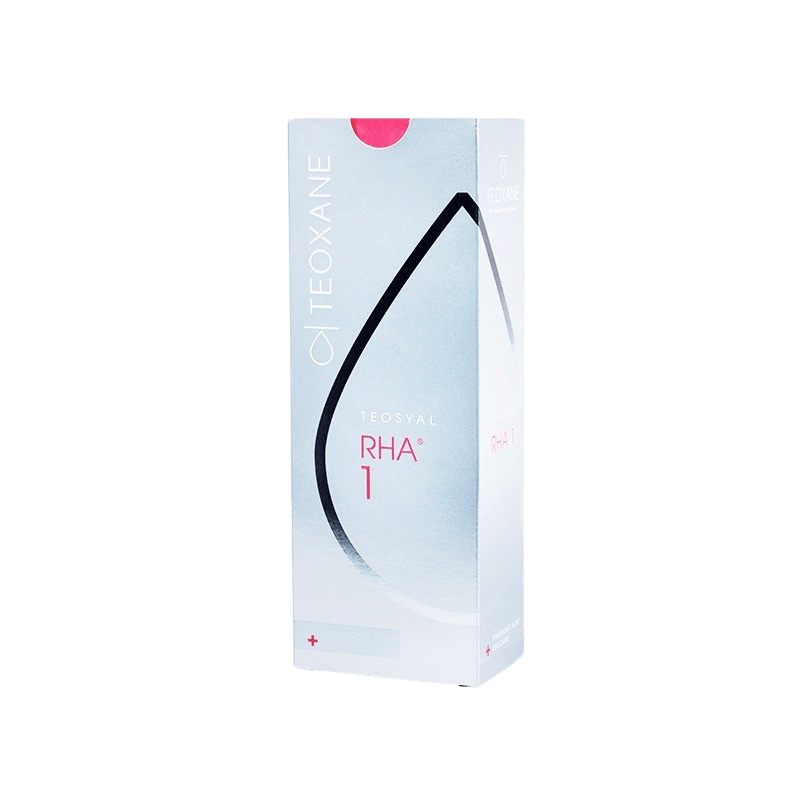
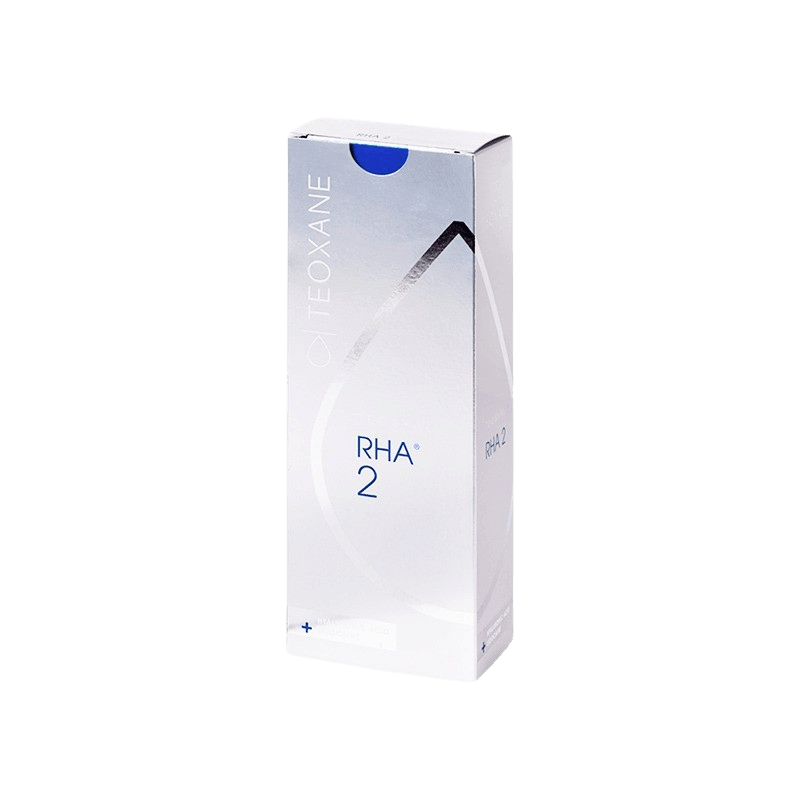
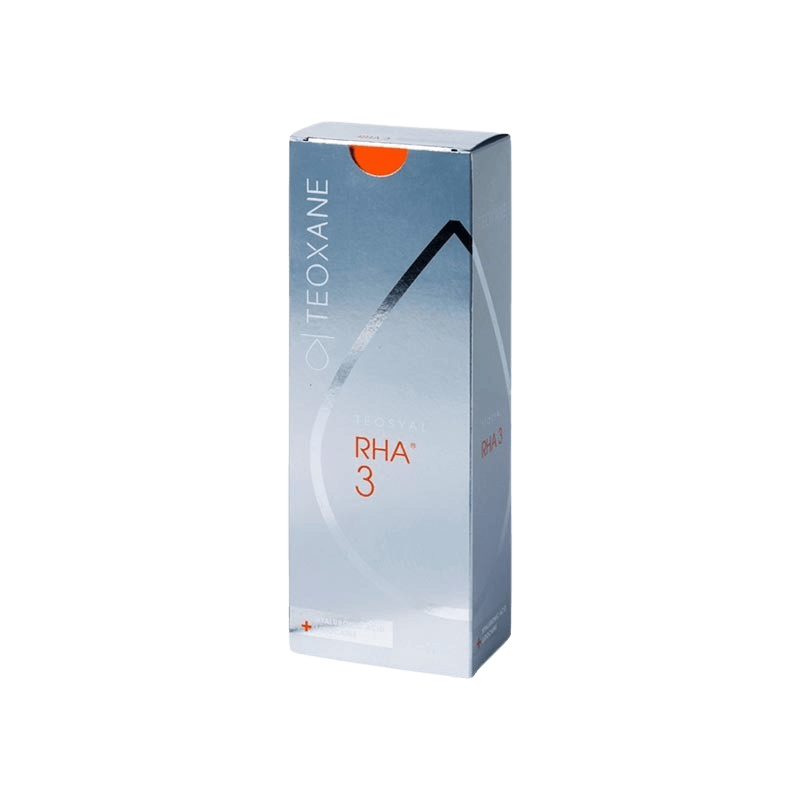
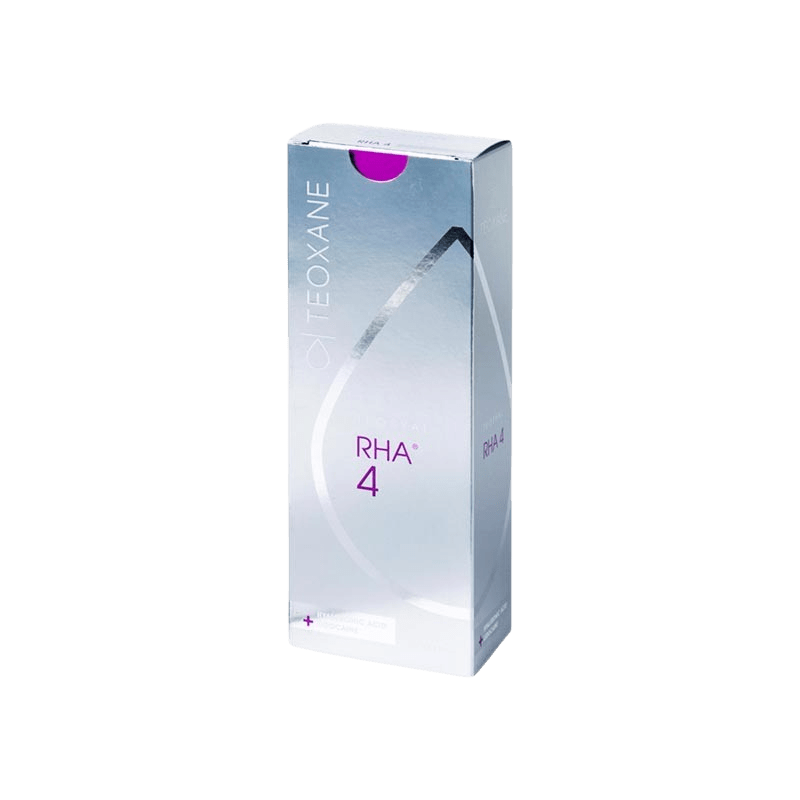
Teosyal RHA 1, Teosyal RHA 2 filler, Teosyal RHA 3 filler, and Teosyal RHA 4 filler are often discussed as depth- and support-based choices within the broader RHA range. Use the exact presentation shown during ordering for your clinic inventory records, and match it to the manufacturer’s instructions for use. If your team is building a wider injectable menu, the dermal fillers category can help staff evaluate adjacent HA filler choices by brand family and treatment use.
Quick tip: Align each variant to a written clinic protocol before adding it to routine treatment-room stock.
What Teosyal® RHA Is and How It Works
Teosyal® RHA is a portfolio of Teoxane hyaluronic acid fillers designed for mobile facial tissue. Hyaluronic acid is a water-binding polysaccharide used in many soft-tissue fillers because it can add volume, support contours, and smooth lines when placed correctly. The RHA technology focuses on resilience, meaning the gel is engineered to tolerate repeated stretching and compression during expression.
For clinics, the main operational value is consistent category logic. Lighter products can be reserved for delicate correction and fine-line work, while firmer options can be used when more projection or structural support is appropriate. This helps new staff understand why a product chosen for superficial revitalization is not automatically interchangeable with a product used for deeper folds.
For broader background on Teosyal positioning and clinical use considerations, see Teosyal filler clinical overview for aesthetic clinic teams. For a class-level comparison of HA and non-HA materials, the article on hyaluronic acid vs non-hyaluronic acid fillers can support internal training discussions.
Common Clinic Applications
Clinics deploy the RHA range across aesthetic workflows that involve movement, contour, and line refinement. Common targets include nasolabial folds, marionette grooves, perioral lines, lip definition, and midface contour. One lighter RHA option is often discussed as an RHA 1 skin booster approach when superficial revitalization and flexibility are priorities.
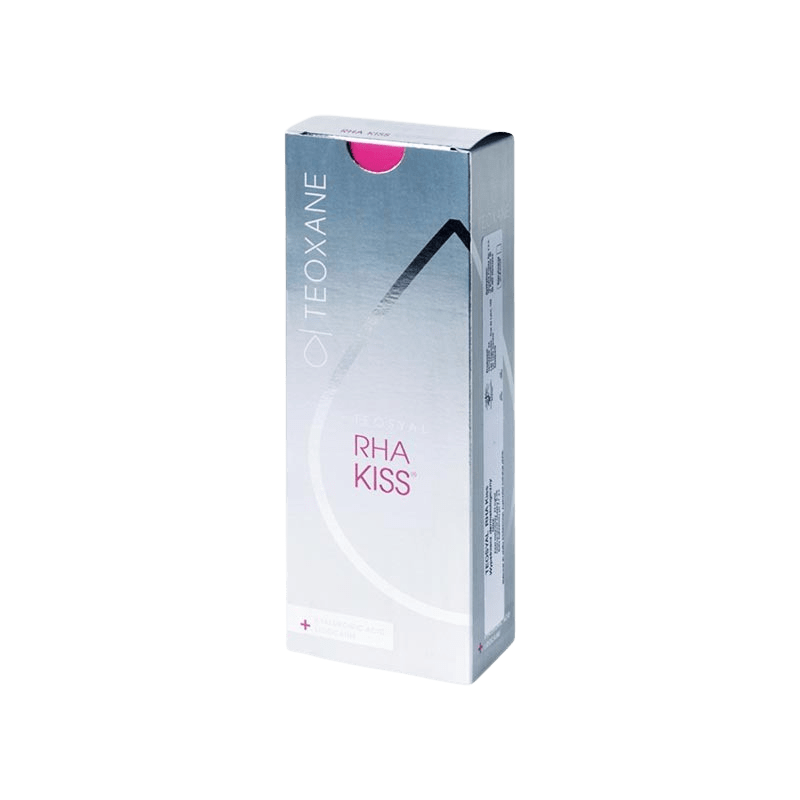
Lip-focused protocols may use a Teosyal RHA lip filler approach when the goal is to balance definition, volume, and movement. Teosyal RHA Kiss 0.7 ml and Teoxane RHA Kiss are common search terms around lip treatment, but clinics should rely on the exact stocked presentation and manufacturer labeling rather than keyword wording. For comparative education on lip and facial-area filler selection, review popular dermal fillers for the face.
Planning usually accounts for animation patterns, dermal thickness, previous filler history, and the desired firmness versus softness. Protocols may combine lip shaping with perioral harmonization, or pair midface contouring with lower-face smoothing when the injector’s assessment supports that sequence.
RHA 1, RHA 2, RHA 3, and RHA 4: Practical Differences
The RHA family is typically selected by matching gel behavior to tissue demands. Teosyal RHA 1 is associated with superficial, flexible correction. Teosyal RHA 2 filler is commonly considered for moderate lines in mobile zones where a soft finish remains important. Teosyal RHA 3 filler is often evaluated for more established folds or contour work, while Teosyal RHA 4 filler is commonly discussed when stronger support is desired.
These distinctions do not replace clinical judgment or the manufacturer’s directions. A lip case, for example, may require softness, definition, or contour support depending on anatomy and technique. Search terms such as RHA 2 Teosyal lips, RHA 3 Teosyal lips, or Teosyal RHA 3 for lips reflect common interest, but they should not be treated as universal protocols.
| Clinic decision point | How it affects selection |
|---|---|
| Facial movement | Highly animated zones generally require a gel that remains smooth during expression. |
| Depth of placement | Superficial refinement and deeper fold support require different handling properties. |
| Tissue thickness | Thin tissue often needs conservative product choice and careful placement. |
| Desired finish | Softness, projection, definition, and contour support should be specified before injection. |
Key Features for Treatment-Room Workflows
- Resilient HA gel designed for dynamic facial zones.
- Portfolio structure supports superficial to deeper correction planning.
- Smooth gel behavior helps trained injectors place and mold deliberately.
- Sterile, single-use presentation supports controlled clinic workflow.
- Lot and expiry details assist inventory documentation and traceability.
- Variant planning can support lips, perioral lines, folds, and contouring.
- Handling profile fits standard aesthetic consultation, consent, and aftercare processes.
For B2B operations, the value of a filler range extends beyond injection feel. Staff need clear intake documentation, room setup routines, expiration tracking, and reorder planning. Consistent classification within the RHA range can simplify staff communication, especially when several injectors share inventory across treatment rooms.
Composition and Ingredients
The active component is resilient hyaluronic acid gel. The formulation is designed to provide elasticity and strength suitable for facial tissues that move frequently. Specific excipients, lidocaine content, syringe configuration, and accessory components can vary by market and presentation, so clinic teams should rely on the package insert and carton labeling for the item received.
As with all injectable HA fillers, product identity should be documented before use. Record the lot number, expiry date, injection site, amount used, and injector details according to your clinic’s policy. This supports adverse-event follow-up, stock rotation, and consistent professional documentation.
Storage, Handling, and Inventory Controls
Store and handle Teosyal® RHA according to the manufacturer’s labeling. Keep cartons intact until use when possible, protect sterile components, and avoid using any syringe if packaging appears compromised. Treatment-room preparation should follow aseptic technique, sharps disposal requirements, and your practice’s injectable product policy.
Inventory teams should separate variants clearly to reduce room-level selection errors. Many clinics organize HA fillers by brand family, rheology, intended depth, and expiry date. Use first-expiring stock first when clinically appropriate, and keep reorder thresholds aligned with appointment volume, training days, and seasonal demand.
Orders are supported through US distribution with temperature-controlled handling when required and tracked US delivery. That logistics structure helps clinics plan replenishment around procedure calendars without turning treatment rooms into excess storage areas.
Safety, Contraindications, and Professional Precautions
Teosyal® RHA is for professional administration by trained healthcare practitioners. As with other dermal fillers, possible adverse effects may include injection-site redness, swelling, tenderness, bruising, itching, discoloration, lumps, or asymmetry. Serious complications are uncommon but can include infection, vascular compromise, tissue necrosis, visual symptoms, hypersensitivity reactions, or delayed inflammatory nodules.
Clinicians should evaluate medical history, current medications, prior aesthetic procedures, allergies, infection or inflammation at the treatment site, pregnancy or breastfeeding status when relevant, and any history that may affect healing or bruising risk. Anticoagulants, antiplatelet agents, and some supplements may increase bruising risk, so medication review should be part of the pre-treatment process.
Vascular occlusion is a time-sensitive emergency. Clinics should maintain protocols for recognition, escalation, documentation, and product-specific management consistent with current professional standards. Patients should receive clear aftercare instructions and know when to contact the clinic urgently, especially for severe pain, skin color change, visual disturbance, or signs of infection.
Teosyal® RHA Compared With Other HA Fillers
Teosyal® RHA is often compared with Juvederm, Restylane, Belotero, Stylage, and other HA filler families. It is not accurate to say one filler is universally better. The practical question is which gel behavior, depth, and finish best fit the anatomy, injection technique, and treatment objective.
Clinics that already stock Teoxane products may also evaluate Teosyal Puresense for related HA workflows. For cross-brand planning, Juvederm Ultra, Restylane Defyne, and Belotero Soft with Lidocaine may be useful reference points because they represent different HA handling profiles. A dedicated discussion of Teosyal and Juvederm similarities and differences can support formulary decisions.
Ordering and Logistics for Licensed Clinics
Create or verify your professional account to view current availability, Teosyal RHA 3 price details when stocked, and purchasing terms tied to your clinic profile. Account access helps administrative staff prepare quotes, coordinate approvals, and schedule replenishment before treatment days. If a specific RHA variant is temporarily constrained, evaluate clinically comparable HA alternatives with your lead injector before substituting.
Med Wholesale Supplies serves licensed clinics and healthcare professionals with brand-name medical products sourced through vetted distributors and verified supply channels. Keep receiving records, packing documents, and product labels together so clinical and administrative teams can reconcile inventory quickly.
Authoritative Sources
For professional context on dermal fillers, product instructions, and safety considerations, consult the manufacturer’s materials and regulator-backed resources.
- Teoxane Laboratories
- FDA dermal filler safety information
- American Society of Plastic Surgeons dermal filler overview
This content is for informational purposes only and is not a substitute for professional medical advice.
Frequently Asked Questions
What is Teosyal® RHA?
Teosyal® RHA is a resilient hyaluronic acid dermal filler range designed for professional injection in facial areas that move frequently. Clinics use the range to plan line refinement, fold correction, lip work, and contour support based on variant, tissue depth, and injector technique.
Can licensed clinics order Teosyal® RHA online?
Yes. Licensed clinics and healthcare professionals can order Teosyal® RHA through a professional account, view current pricing when signed in, and select the stocked variant that matches their clinic protocol and manufacturer labeling.
Is Teosyal® RHA better than Juvederm or other HA fillers?
No filler is universally better for every case. Teosyal® RHA, Juvederm, Restylane, Belotero, and similar HA fillers differ in handling, elasticity, firmness, and intended placement. Selection should follow anatomy, treatment area, clinical objective, and injector preference.
How long does Teosyal RHA 2 last?
Duration varies by patient factors, treatment area, injection technique, amount placed, and product behavior in dynamic tissue. Clinics should use manufacturer guidance and their own follow-up data when counseling patients about expected maintenance intervals.
What documentation should clinics keep for Teosyal® RHA?
Clinics should document the product name, variant, lot number, expiry date, treatment area, amount used, injector, and any relevant consent or aftercare notes. These records support traceability, inventory control, and adverse-event follow-up.
How should Teosyal® RHA be stored and handled?
Store and handle Teosyal® RHA according to the manufacturer’s labeling. Keep sterile packaging intact until use, inspect cartons and syringes before treatment, and follow clinic protocols for aseptic preparation, sharps disposal, and stock rotation.
Specifications
- Main Ingredient: Hyaluronic Acid
- Manufacturer: Teoxane Laboratories
- Drug Class: Aesthetic
- Generic Name: Hyaluronic Acid
- Package Contents: 1 mL x 2 single-use syringe
- Storage Requirements: Room Temperature (2℃~25℃)
- Main Usage:
Here to help
Questions about ordering, delivery or products? You can email our team here or call now at 1-800-630-9757 and be connected with your dedicated Account Manager
Related Products
JALUPRO® PLUS 4ML
Skin Rejuvenation Treatment
$86.00 - $89.00
You save (%)
You save (%)
$339.00
You save (%)
You save (%)
Select options
This product has multiple variants. The options may be chosen on the product page
Juvéderm® SKINVIVE
Dermal Filler
$339.00 - $359.00
You save (%)
You save (%)
$86.00 - $119.00
You save (%)
You save (%)
Related Articles
Lip Fillers Swelling Stages: Timeline, Safety, and Follow-Up
Lip fillers swelling stages usually follow a short inflammatory course: swelling appears soon after injection,…
Hypopigmentation of the Skin: Assessment and Care
Hypopigmentation of the skin means one or more areas look lighter than the surrounding skin.…
Radiesse vs Sculptra: Selection Factors for Clinics
Radiesse vs Sculptra is best understood as a comparison between two collagen-stimulating injectables with different…
Hyaluronic Acid Under-Eye Filler: Safety and Workflow
Hyaluronic acid under-eye filler is an injectable soft-tissue filler used by trained aesthetic clinicians to…
Dermal Filler Types: Materials, Uses, and Clinic Fit
Dermal filler types are usually grouped by their base material, tissue behavior, and expected role…
What Is Dysport? Clinical Uses, Safety, and Workflow
For clinic teams asking what is Dysport, the short answer is simple: Dysport is a…
Biostimulators in Aesthetic Care: Selection and Safety
Biostimulators are injectable aesthetic products used to encourage a controlled tissue response, often involving new…
Do You Ovulate on an IUD? Clinic Counseling Points
Clinicians hear the shorthand question do you ovulate on iud, but the practical answer depends…