
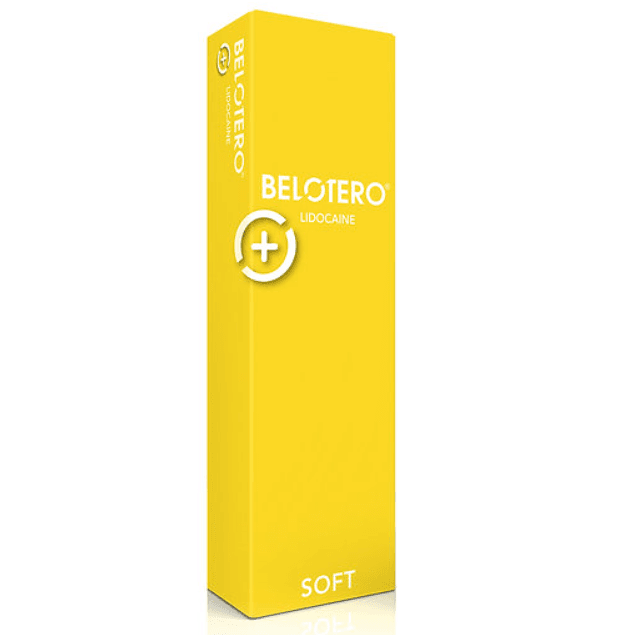
Belotero® Soft w/ Lidocaine
Order Belotero® Soft with Lidocaine for Clinics
Aesthetic Surgery Product
$199.00
You save
Description
Belotero® Soft w/ Lidocaine is a sterile, cross-linked hyaluronic acid gel in a single-use 1 mL prefilled glass syringe for professional intradermal injection. Licensed clinics and healthcare professionals can order Belotero Soft with Lidocaine for fine-line refinement workflows that require controlled placement, traceable packaging, and a lidocaine-containing HA filler. The formulation contains sodium hyaluronate 20 mg/mL with lidocaine hydrochloride 3 mg/mL, supporting treatment-room efficiency when practitioner technique and patient assessment indicate a softer HA preparation.
This syringe is intended for use by qualified providers within established aesthetic protocols. It fits clinics that manage subtle contour work, superficial line correction, and small-area touch-up sessions while maintaining lot-level documentation. Med Wholesale Supplies supports professional procurement through US distribution, verified supply channels, and account-based clinic ordering.
Clinic Pricing, Account Access, and Pack Details
Belotero Soft with Lidocaine price and contract terms are available after clinic account sign-in. Pricing may vary by account tier, quantity, and current supply conditions, so facilities should confirm the active cost before scheduling inventory-dependent appointments. The commercial pack identified for this item is Belotero Soft 1 x 1ml with Lidocaine, supplied as a sterile prefilled syringe for single-patient use.
Account-based access helps practices align purchasing with provider schedules, documentation needs, and inventory controls. Add this SKU to your clinic list when planning cases that require a lower-density HA gel with integrated anesthetic. If your practice maintains a broader HA assortment, the dermal fillers category can help staff view adjacent professional-use options in the same sourcing workflow.
Quick tip: Match expected case volume to unopened syringe quantities so sterile, single-use products are not over-allocated.
What the Gel Is and How It Works
This preparation is a viscoelastic, cross-linked sodium hyaluronate gel. Hyaluronic acid is a water-binding polysaccharide found in connective tissue, and cross-linking helps create a gel structure suitable for dermal placement. In aesthetic practice, qualified injectors use clinical judgment to select injection depth, volume, device choice, and technique based on patient anatomy and treatment goals.
The HA matrix is designed for smooth integration in delicate areas where subtle refinement is more appropriate than marked lift. Lidocaine is incorporated into the gel, so the syringe includes an anesthetic component rather than requiring a separate filler without lidocaine. This can support procedural comfort during administration, although practices should still follow their standard screening, consent, and pain-management procedures.
Clinics that stock multiple Belotero textures can review the wider Belotero professional range to align rheology, concentration, and treatment-room use. Keeping products organized by texture and intended placement helps injectors choose the appropriate syringe before a sterile tray is opened.
Professional Applications and Treatment-Room Fit
Belotero Soft dermal filler with Lidocaine is commonly selected for fine-line aesthetic refinement where a smooth, softer HA gel is appropriate. Typical clinic workflows may include superficial line correction, delicate perioral work, and subtle contour tasks that benefit from careful expression and controlled placement. Final use should follow the practitioner’s training, local scope of practice, the manufacturer’s instructions, and the clinic’s clinical governance procedures.
The syringe format supports efficient room setup because the gel is supplied ready for professional injection. Staff can verify the product name, concentration, lot number, expiry, and tamper-evident condition during preparation. The lidocaine component may reduce the need for additional anesthetic steps for some sessions, but clinicians should individualize comfort measures based on patient history and procedure plan.
For clinics building a fine-line service menu, the article on Belotero Balance and fine-line planning offers useful context on how different HA fillers may be positioned within professional treatment pathways. The separate article on lidocaine in dermal filler procedures may also help teams standardize staff education around comfort-focused formulations.
Key Features for Inventory and Use
- Cross-linked hyaluronic acid gel formulated for professional dermal filler workflows.
- Sodium hyaluronate concentration of 20 mg/mL.
- Lidocaine hydrochloride concentration of 3 mg/mL.
- Single-use 1 mL prefilled glass syringe presentation.
- Sterile packaging intended for one patient and one session.
- Lot number and expiry labeling for inventory traceability.
- Smooth handling profile suited to precise, small-area refinement.
- Compatible with clinic protocols that separate products by texture, placement, and aesthetic objective.
Because it is a sterile injectable implant, storage, preparation, and administration should be handled only by trained clinical personnel. Do not resterilize, share, or reuse a syringe. Dispose of used devices, needles, and related sharps according to your facility’s infection-control and waste procedures.
Composition and Ingredients
The active gel components listed for this item are cross-linked sodium hyaluronate 20 mg/mL and lidocaine hydrochloride 3 mg/mL. Sodium hyaluronate provides the HA filler matrix, while lidocaine is included as a local anesthetic component. Buffer constituents and water for injection may be present according to the manufacturer’s final formulation.
Staff should always use the package insert, carton, and syringe label as the controlling documents during receiving and preparation. Confirm the exact product name, concentration, lot, expiry, package integrity, and any country-specific instructions before clinical use. If the clinic’s formulary includes other Belotero fillers, store look-alike products in a way that reduces selection errors.
| Attribute | Clinic-use detail |
|---|---|
| Product type | Cross-linked hyaluronic acid dermal filler with lidocaine |
| HA concentration | 20 mg/mL sodium hyaluronate |
| Lidocaine concentration | 3 mg/mL lidocaine hydrochloride |
| Presentation | 1 x 1 mL prefilled glass syringe |
| Use setting | Professional aesthetic practice by qualified providers |
| Product identification | SKU 81611 |
Handling, Storage, and Documentation
Receiving staff should inspect the outer packaging before placing the syringe into clinic inventory. Record the lot number and expiry according to your facility policy, then store the product as directed by the manufacturer’s labeling. Keep the syringe in its protective packaging until preparation so labeling and sterility controls remain intact.
During room setup, clinical staff should verify that the selected syringe matches the planned product and treatment record. The prefilled glass syringe should be handled with aseptic technique, and any needle or accessory choice should follow practitioner preference, device compatibility, and the instructions supplied with those items. When required, orders are managed with temperature-controlled handling when required and tracked US delivery.
Documentation should connect the administered syringe to the patient record, consent process, treatment map, and aftercare instructions. Clear traceability protects the clinic during audits, supports adverse-event follow-up, and helps inventory teams identify when a product should be rotated, quarantined, or reordered.
Safety, Contraindications, and Professional Precautions
Dermal fillers should be administered only by qualified healthcare professionals trained in facial anatomy, injection technique, complication recognition, and appropriate emergency response. As with other injectable HA fillers, potential adverse effects can include injection-site redness, swelling, tenderness, bruising, itching, discoloration, nodules, asymmetry, infection, or inflammatory reactions. Vascular injection is a serious risk and may lead to tissue damage, visual complications, or other urgent outcomes.
Screening should address hypersensitivity history, previous filler treatment, active skin infection or inflammation in the treatment area, bleeding risk, anticoagulant or antiplatelet use, immune status, pregnancy or breastfeeding considerations, and any contraindications listed by the manufacturer. Lidocaine-containing products require attention to known lidocaine sensitivity and other anesthetic-related cautions. Individualized treatment decisions belong with the responsible clinician.
Clinics should maintain protocols for adverse-event documentation, patient aftercare, escalation, and product traceability. Hyaluronidase may be used by trained clinicians in certain HA filler complication pathways, but mixing it with lidocaine or using it in a specific case should be guided by clinical protocol, product instructions, and practitioner judgment rather than routine inventory practice.
Expected Duration and Follow-Up Planning
Duration varies by product placement, injection technique, facial movement, patient metabolism, treatment area, and the amount administered. Fine-line fillers are often used for subtle correction rather than high-volume structural support, so follow-up planning should focus on assessment of refinement, symmetry, tissue response, and maintenance timing. Clinics should avoid promising a fixed result duration without an individualized clinical evaluation.
Scheduling systems can flag follow-up visits based on the injector’s normal protocol and the patient’s treatment history. This helps the clinic coordinate photographic records, outcome assessment, and future replenishment needs. Inventory teams can then align reorder quantities with actual case frequency rather than broad assumptions about demand.
Comparable Products in the Belotero Range
Belotero Soft with Lidocaine is one texture within a wider HA filler family. Clinics often compare it with products that provide different handling characteristics, concentrations, or intended aesthetic roles. For a mid-range family option, review Belotero Balance with Lidocaine. For practices evaluating a firmer Belotero texture, Belotero Intense with Lidocaine may be useful to cross-reference during formulary planning.
Lip-focused workflows may require different product characteristics and pack formats. Clinics can review Belotero Lips Contour with Lidocaine and Belotero Lips Shape with Lidocaine when organizing products by treatment area and injector preference. Product selection should remain tied to clinical indication, anatomy, manufacturer instructions, and provider training.
Ordering Workflow for Licensed Clinics
Sign in with a clinic account to view current Belotero Soft with Lidocaine cost, quantity availability, and applicable account terms. This product is intended for licensed professional settings, so purchasing teams should be prepared to maintain any facility documentation required for B2B medical supply ordering. Account access also helps staff group companion SKUs and reduce manual reconciliation during replenishment.
When placing a Belotero Soft with Lidocaine bulk order, confirm that the requested quantity matches booked sessions, injector preferences, and expiry rotation practices. Multi-location clinics should coordinate receiving responsibilities so each site can inspect packages, record lots, and store products promptly. If substitution is considered, the clinical team should approve any change before scheduling treatment around a different filler texture.
Authoritative Sources
This content is for informational purposes only and is not a substitute for professional medical advice.
Frequently Asked Questions
Does Belotero Soft with Lidocaine contain lidocaine?
Yes. The listed formulation contains lidocaine hydrochloride 3 mg/mL along with cross-linked sodium hyaluronate 20 mg/mL. Clinics should still screen for lidocaine sensitivity and follow the manufacturer’s instructions.
How is Belotero Soft with Lidocaine supplied?
This item is supplied as Belotero Soft 1 x 1ml with Lidocaine in a sterile, single-use prefilled glass syringe. It is intended for professional injection by qualified providers.
How can clinics view Belotero Soft with Lidocaine price?
Licensed clinics can sign in to their account to view current pricing, account terms, and quantity details. Price can vary by tier, order size, and current supply conditions.
How long does Belotero Soft last after treatment?
Duration varies by treatment area, technique, amount used, patient metabolism, and follow-up plan. Clinics should avoid fixed duration promises and base maintenance scheduling on clinical assessment.
Can hyaluronidase be mixed with lidocaine for HA filler management?
Hyaluronidase decisions should be made by trained clinicians under clinic protocol and relevant product instructions. Mixing with lidocaine is not an inventory decision and should be guided by the responsible practitioner.
What documentation should clinics keep for this syringe?
Clinics should record the product name, lot number, expiry, treatment area, amount used, injector, consent documentation, and any adverse-event follow-up. Internal policy and local professional requirements may add further documentation steps.
Specifications
- Main Ingredient: Hyaluronic Acid
- Manufacturer: Merz
- Drug Class: Aesthetic Surgery Product
- Generic Name: Dermal Filler
- Package Contents: 1mL x 1 Pre-Filled Syringe
- Storage Requirements: Room Temperature (2℃~25℃)
- Main Usage:
About the Brand
Belotero
Belotero is a coveted medicinal brand known for its varied line-up of dermal fillers, designed to cater to different skin issues. From diminishing wrinkles and lines to reviving facial volume, Belotero's offerings are engineered to give a natural appeal. Such dermal fillers comprise hyaluronic acid, a naturally occurring substance within the body, resulting in perfectly blendable fillers that work harmoniously with the skin to provide enduring outcomes. We at Med Wholesale Supplies take immense pride in retailing Belotero products at competitive rates. Our user-friendly digital platform, medwholesalesupplies.com, offers a secure and simplified method to buy these dermal fillers. Purchasing directly from us not only saves time and money for healthcare professionals, but also validates the genuineness and grade of the Belotero items in possession. Coupled with swift shipping and exceptional customer care, we are committed to delivering a hassle-free online shopping encounter for medical professionals. When ordering Belotero through medwholesalesupplies.com, healthcare practitioners can effortlessly replenish their clinic and office supplies. Our dynamic inventory management software ensures consistent tracking of stock quantities, facilitating easy reordering and steady availability of Belotero products. By joining forces with us, healthcare providers can be assured of constant access to the trustworthy Belotero brand, thus guaranteeing their patients receive top-notch care.
Browse Belotero Products
Here to help
Questions about ordering, delivery or products? You can email our team here or call now at 1-800-630-9757 and be connected with your dedicated Account Manager
Related Products
Prolia® (International English)
Prescription Medication
$529.00 - $549.00
You save
You save
Evenity® (English Alternative)
Injectable Medication
$1,229.00 - $1,299.00
You save
You save
Intraline® For Men
Dermal Filler
$59.00 - $79.00
You save
You save
RejuvaNAD+ Pro
Injectable Medication
$237.00 - $249.00
You save
You save
Related Articles
Prednisone in Clinical Care: Uses, Risks, and Monitoring
Prednisone is a prescription systemic corticosteroid used to reduce inflammation or suppress immune activity in…
Lip Fillers Swelling Stages: Timeline, Safety, and Follow-Up
Lip fillers swelling stages usually follow a short inflammatory course: swelling appears soon after injection,…
Hypopigmentation of the Skin: Assessment and Care
Hypopigmentation of the skin means one or more areas look lighter than the surrounding skin.…
Radiesse vs Sculptra: Selection Factors for Clinics
Radiesse vs Sculptra is best understood as a comparison between two collagen-stimulating injectables with different…
Hyaluronic Acid Under-Eye Filler: Safety and Workflow
Hyaluronic acid under-eye filler is an injectable soft-tissue filler used by trained aesthetic clinicians to…
Dermal Filler Types: Materials, Uses, and Clinic Fit
Dermal filler types are usually grouped by their base material, tissue behavior, and expected role…
What Is Dysport? Clinical Uses, Safety, and Workflow
For clinic teams asking what is Dysport, the short answer is simple: Dysport is a…
Biostimulators in Aesthetic Care: Selection and Safety
Biostimulators are injectable aesthetic products used to encourage a controlled tissue response, often involving new…