Lip Fillers Swelling Stages: Timeline, Safety, and Follow-Up
Lip fillers swelling stages usually follow a short inflammatory course: swelling appears soon after injection, often peaks during the first 24 to…

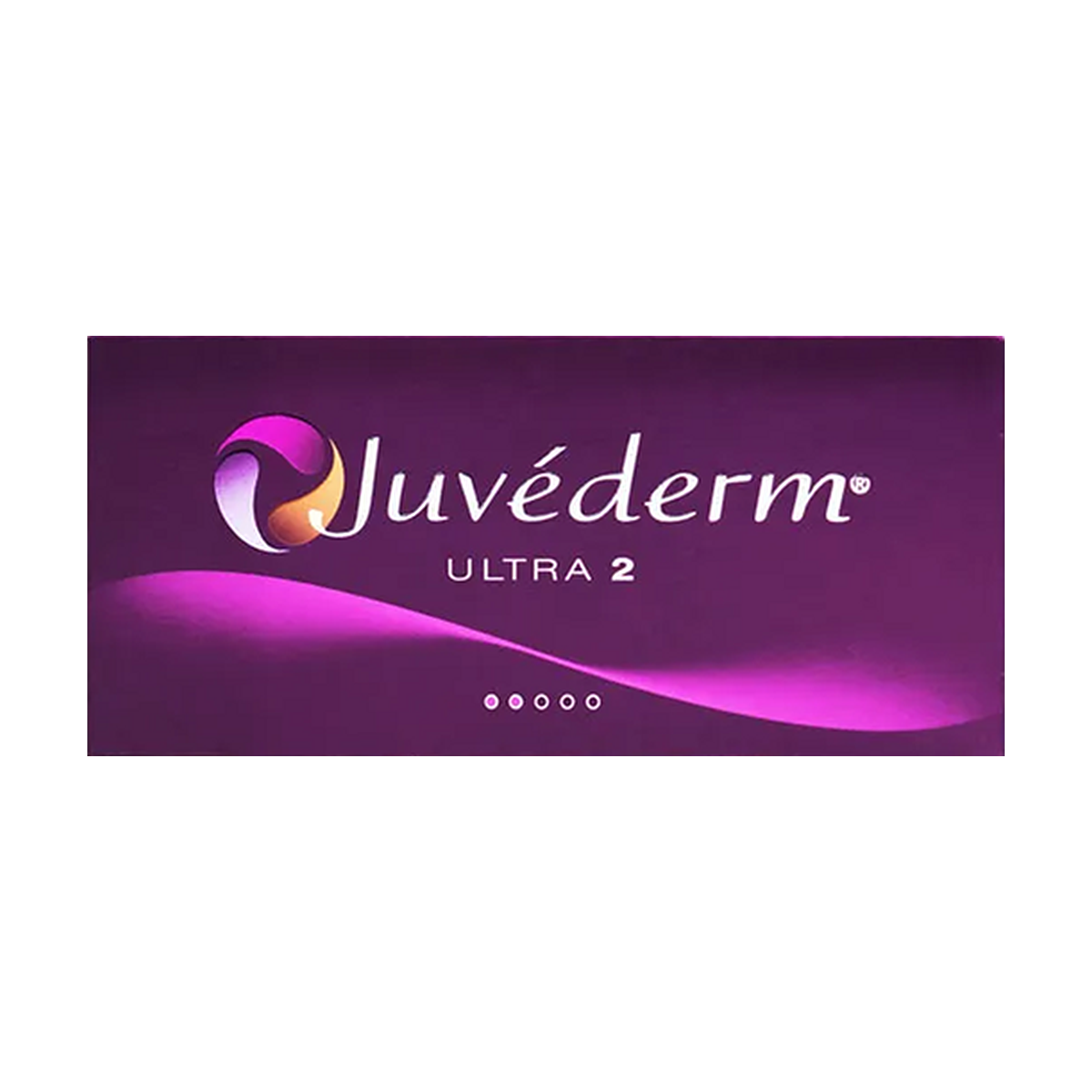
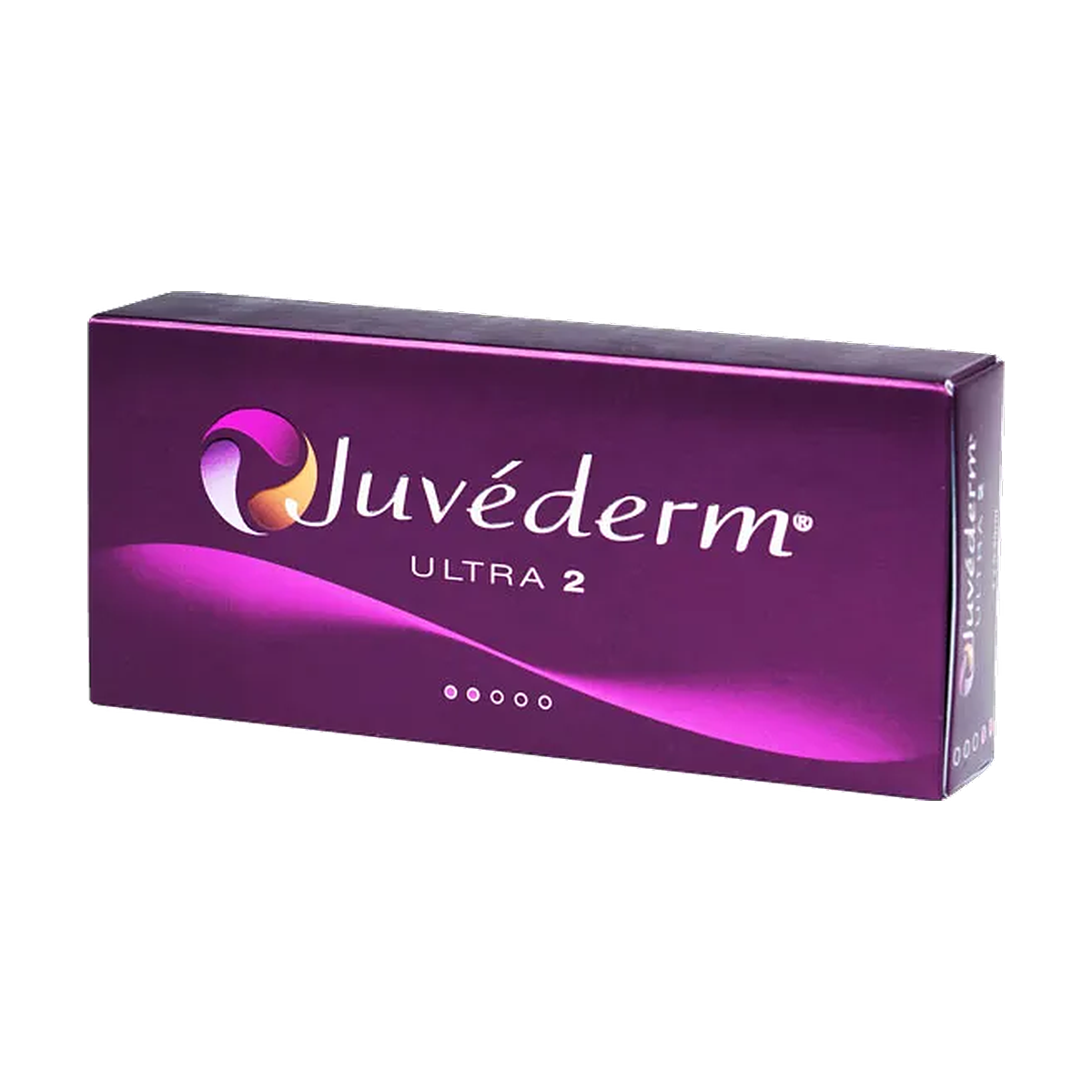
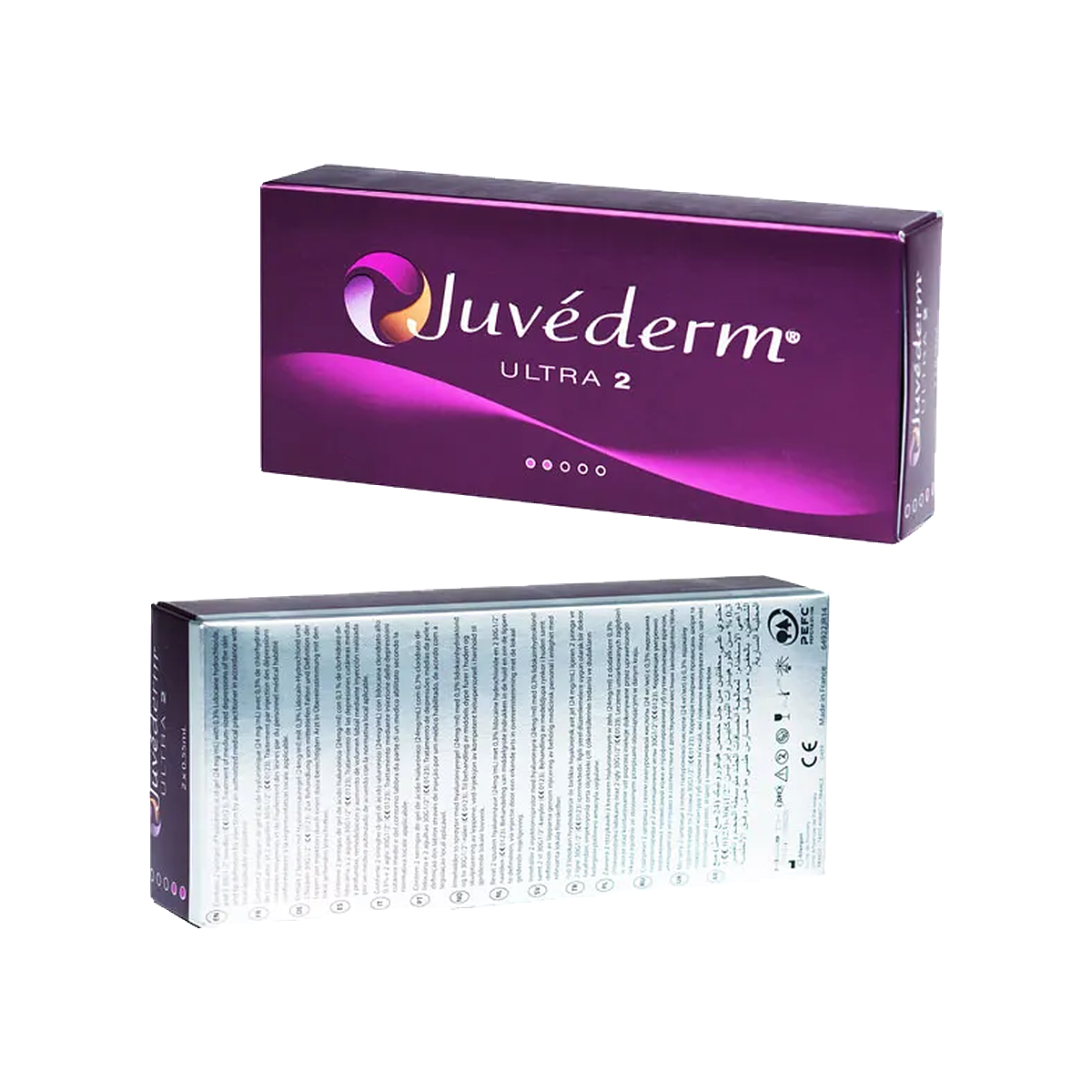
Juvederm
Hyaluronic Acid Gel
Free shipping on orders over $800
5% off your first order, applied at checkout
Order as a guest or log in. Your medical licence details are collected at checkout and checked against the state board and the NPI registry.
Enter your own figures: the syringes you use per treatment and what you charge per treatment. The table shows your product cost and margin per treatment at each quantity price. It does not suggest doses, prices or treatments.
| Quantity | Price per pack | Cost per unit | Cost per treatment | Margin per treatment |
|---|
Uses today's prices for the selected option before shipping and any other costs. Your figures stay in your browser.
Ships within 24–48 hours
Delivery typically 48–72 hours after shipping, up to 5–7 business days depending on origin and customs. Tracking is emailed when your order ships.
Warm or damaged on arrival?
Send us photos or a video. We investigate and arrange a replacement where needed.
Licence checks
Licences are checked against the state board and the NPI registry.
100% genuine products
In original manufacturer packaging, with lot numbers for full traceability. Lot numbers are shown on your packing slip and invoice.
250 active clinics · Supplying clinics since 2013
“Everything has been easy from ordering to delivery. The prices are good, orders arrive quickly, and the customer service has been great. I would definitely order from MWS again.”
Juvéderm®Ultra is a sterile, cross-linked hyaluronic acid dermal filler for professional intradermal injection. Licensed clinics, med spas, and healthcare professionals can order Juvéderm®Ultra for aesthetic workflows that require smooth handling, controlled placement, and a 1ml prefilled syringe format. Each syringe contains hyaluronic acid gel at 24 mg/mL for single-patient use by appropriately trained personnel.
This filler is used in clinic settings for the correction of moderate to severe facial wrinkles and folds, including nasolabial folds, and for precise lip contouring or enhancement. It is not a botulinum toxin; it is a hyaluronic acid gel designed to add or restore soft-tissue volume, while products such as Botox work by affecting muscle activity. Product choice, injection plane, volume, and treatment sequence should follow professional labeling, facial anatomy assessment, and your clinic protocol.
Current prices and quantity breaks are shown on this page, and licensed clinics can order as a guest or with an account. No public consumer pricing is displayed, because purchasing is intended for licensed medical entities and professional treatment settings. Account access also helps align product ordering with documentation, lot tracking, and inventory planning.
Clinics can order the 1ml prefilled syringe configuration shown during checkout and match quantity to scheduled treatment sessions, staff coverage, and reorder cadence. For broader filler procurement, the dermal fillers category can help teams review adjacent HA products by brand, texture profile, and intended treatment-room role.
Orders are supported through US distribution, with temperature-controlled handling when required and tracked US delivery. Lead times can vary with allocation and route, so practices should build reorder points around appointment volume, expected touch-up needs, and internal approval workflows rather than waiting until room stock is depleted.
Juvéderm®Ultra is used by trained injectors to soften moderate to severe facial wrinkles and folds and to support contour refinement in areas such as the lips and perioral region. In common clinic workflows, the product may be selected for nasolabial folds, oral commissure support, vermilion border definition, and gentle lip volumization. The clinical goal is controlled correction while preserving a balanced appearance in mobile areas.
Many practices use Juvéderm Ultra lip filler when the treatment plan calls for a smooth HA gel that can support shape, border definition, and measured fullness. The product’s role should be distinguished from firmer or more lifting-oriented fillers used for structural contouring. For practice-level planning across formulations, Juvéderm formulations, safety, and workflow provides additional operational context.
Duration depends on treatment area, injection technique, amount placed, patient metabolism, movement in the treated zone, and follow-up care. Clinics should avoid promising a fixed timeline. Instead, set expectations around temporary correction, scheduled reassessment, and individualized maintenance intervals documented in the treatment record.
The active component is cross-linked hyaluronic acid at 24 mg/mL. Hyaluronic acid is a naturally occurring polysaccharide that binds water, and cross-linking helps the gel maintain shape and residence time after placement. The gel is sterile, non-animal, and non-pyrogenic, with excipients functioning as a carrier system consistent with HA filler technology.
Each unit is supplied as Juvéderm Ultra 1ml in a prefilled, sterile syringe for single-patient professional use. Manufacturer packaging includes lot and expiry information for inventory records and traceability. Do not mix the gel with other injectables in the same syringe, and follow the manufacturer’s professional labeling for needle use, injection depth, contraindications, and post-procedure instructions.
| Attribute | Clinic-use detail |
|---|---|
| Product class | Cross-linked hyaluronic acid dermal filler |
| Concentration | 24 mg/mL hyaluronic acid gel |
| Unit format | 1ml prefilled sterile syringe |
| Administration | Professional intradermal injection |
| Typical workflow role | Wrinkle and fold correction, lip contouring, and soft-tissue refinement |
Store Juvéderm®Ultra in a cool, dry place away from direct sunlight, and keep the syringe in its original packaging until professional use. Staff should inspect the outer packaging, sterility indicators, lot number, and expiry date before setup. Do not use units with compromised packaging or unclear traceability.
The prefilled syringe format supports efficient room preparation because the filler arrives sterile and ready for professional administration according to labeling. Teams should maintain aseptic technique, follow sharps procedures, and document product name, lot, expiry, injection sites, and total amount used in the clinical record. Quick tip: Assign filler stock rotation to a specific staff role so soonest-expiring units are identified before treatment days.
Inventory planning should reflect case mix. A clinic focused heavily on lips and perioral refinement may reorder differently from a practice using multiple fillers across cheeks, jawline, and folds. The Juvéderm brand collection can support internal stocking discussions when multiple products in the family are used for distinct indications and texture needs.
Juvéderm®Ultra is known for smooth extrusion and cohesive gel behavior, which can help experienced injectors maintain a steady pace during linear threading, fanning, or small-aliquot placement when clinically appropriate. The product is suited to dynamic treatment zones where softness, integration, and contour control matter. Technique choice remains a professional decision based on anatomy, tissue quality, prior filler history, and treatment goals.
For lip-focused protocols, teams often consider border definition, body volume, symmetry, mucosal show, and perioral lines together. Documentation should separate aesthetic objectives from injection details so follow-up visits can assess swelling resolution, contour, palpability, and whether staged correction is preferable. For visual communication and expectation-setting, Juvéderm before and after considerations can help practices frame results responsibly.
Juvéderm®Ultra may also fit broader lower-face correction plans that include nasolabial folds, marionette-region support, or oral commissure balancing. When using more than one modality, establish sequencing before treatment day. Botulinum toxin, resurfacing, biostimulatory products, and HA fillers have different mechanisms, aftercare requirements, and adverse-event profiles.
Dermal filler procedures require careful patient screening, informed consent, and readiness to manage adverse events. Common post-injection effects can include temporary tenderness, swelling, bruising, redness, firmness, lumps, itching, discoloration, or pain at the injection site. These reactions are often localized, but clinics should provide clear aftercare instructions and an escalation pathway for symptoms that appear unusual, severe, or delayed.
Serious complications can occur with intravascular injection or tissue compression. Warning signs may include increasing pain, blanching, mottled skin, dusky discoloration, visual symptoms, neurologic symptoms, or signs of infection. Practices should maintain protocols for vascular occlusion recognition, hyaluronidase availability when clinically appropriate, urgent referral pathways, and documentation of assessment and intervention.
Contraindications and precautions should be checked against the manufacturer’s professional labeling and your medical director’s policy. Screen for relevant allergies, active skin infection or inflammation at the intended injection site, prior filler complications, bleeding risk, immune or healing concerns, pregnancy or breastfeeding status, and medicines or supplements that may increase bruising. For a clinic-focused discussion, side effects of Juvéderm outlines monitoring points teams can incorporate into post-treatment follow-up.
Juvéderm®Ultra is a hyaluronic acid filler. Juvéderm Ultra XC is commonly discussed as a lidocaine-containing variant in markets where that configuration is used; practices should confirm the exact product name, ingredients, and labeling before substitution. Juvéderm Ultra Plus XC is often considered when a clinic wants a different gel profile for deeper folds or more robust correction, but product selection must be based on the specific formulation being ordered, the treatment area, and injector judgment.
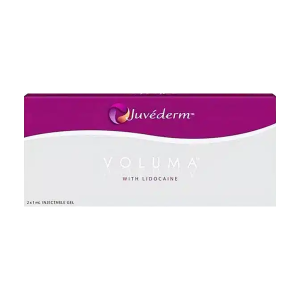
Within the broader Juvéderm family, different products are designed for different clinical roles. For midface volume planning, clinics may evaluate Juvéderm Voluma with Lidocaine. For lip and perioral refinement using another Juvéderm formulation, Juvéderm Volbella with Lidocaine may be reviewed as part of portfolio planning.
Practices that treat jawline or lower-face structure may also keep a separate filler for definition rather than using one product for every zone. Juvéderm Volux with Lidocaine is an example of a related product that clinics may assess when building a multi-zone inventory strategy. For deeper comparison of selection factors, Juvéderm Ultra 4 and Restylane Lyft considerations may help frame texture, lift, and practice-fit discussions.
Clinics should treat filler substitution as a clinical and operational decision, not only an inventory decision. If a specific SKU is constrained or a different Juvéderm formulation is being considered, confirm indication, concentration, lidocaine status, syringe size, injection depth, needle guidance, and staff familiarity before changing treatment plans. Patient consent forms and chart templates may also need updates when the formulation changes.
For routine stock management, keep separate par levels for lip-focused HA fillers, fold-correction fillers, structural fillers, and skin-quality products. This approach helps purchasing teams avoid overusing one syringe type across incompatible use cases. It also supports training because injectors and assistants can link each product to a defined treatment-room role.
Why it matters: Clear product mapping reduces last-minute substitutions and supports consistent documentation across providers.
For product-class and medical-device safety context, consult professional labeling and regulator-backed information. Useful references include the NIH hyaluronic acid monograph. Clinics should rely on the official manufacturer labeling supplied with the product and applicable professional standards when determining patient suitability, injection technique, contraindications, and adverse-event management.
For broader product-selection context across the brand family, Juvéderm treatment popularity and practice use discusses why many aesthetic teams keep multiple HA fillers in their portfolio. Use those comparisons to support internal education, not as a substitute for product labeling or clinical judgment.
Ready to order? Choose your quantity above, or call 1-800-630-9757 to talk to our customer service team.
This content is for informational purposes only and is not a substitute for professional medical advice.
Juvéderm®Ultra is a cross-linked hyaluronic acid dermal filler used by trained professionals for moderate to severe facial wrinkles and folds, including nasolabial folds, and for lip contouring or enhancement. It is administered by intradermal injection according to professional labeling and clinic protocol.
No. Juvéderm®Ultra is a hyaluronic acid filler that adds or restores soft-tissue volume. Botox and similar neuromodulators work by affecting muscle activity. Clinics may use both categories in aesthetic care, but they have different mechanisms, handling requirements, and safety considerations.
Qualified clinic accounts can sign in to view current Juvéderm Ultra price information, volume tiers, and available configurations. Pricing is not displayed as consumer retail pricing because purchasing is intended for licensed medical entities and professional-use settings.
The product is supplied as a sterile, prefilled 1ml syringe containing cross-linked hyaluronic acid gel at 24 mg/mL. Manufacturer packaging includes lot and expiry details for traceability. Clinics should follow the included professional labeling for handling and administration.
Store Juvéderm®Ultra in a cool, dry place away from direct sunlight and keep the syringe in its original packaging until use. Staff should inspect packaging integrity, lot number, and expiry date before treatment-room setup.
Substitution should be a clinical decision. Juvéderm Ultra XC is commonly discussed as a lidocaine-containing variant, but clinics should confirm the exact product, ingredients, indication, labeling, and treatment plan before changing formulations.
Clinics should monitor for common local reactions such as swelling, bruising, tenderness, redness, firmness, lumps, itching, discoloration, or pain. Urgent evaluation is needed for warning signs such as increasing pain, blanching, mottled skin, dusky discoloration, visual symptoms, neurologic symptoms, or suspected infection.

MWS Customer Service Team
Our customer service team helps you choose the right pack, label option and quantity for your clinic, and sets up your first order.
Monday to Friday, 9am to 6pm ET
Why clinics order from MWS
Built for licensed clinics
Licences are checked against the state board and the NPI registry.
Every pack option named
Each option names its dosage and pack size, so you know which pack you are ordering.
Volume pricing up front
Quantity tiers are shown on the product, before you order.
Cold-chain packing
Refrigerated lines ship in thermo-packaging with enough ice packs to hold temperature for up to 10 days.
“The customer care team was very efficient in offering hand-held guidance to choose the most cost-effective options.”
Cannulas, needles and hyaluronidase for filler work.

Lip fillers swelling stages usually follow a short inflammatory course: swelling appears soon after injection, often peaks during the first 24 to…

Radiesse vs Sculptra is best understood as a comparison between two collagen-stimulating injectables with different materials and clinic workflows. Radiesse is a…
Hyaluronic acid under-eye filler is an injectable soft-tissue filler used by trained aesthetic clinicians to soften tear-trough hollowness or shadowing when anatomy…