

- You must be logged in to add items to the cart.
Description
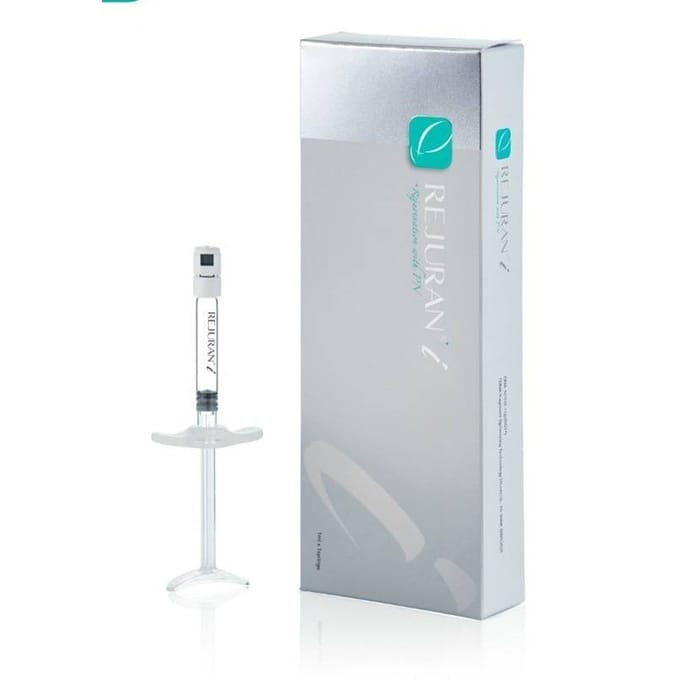
Rejuran® I is a polynucleotide injectable developed for professional use in the delicate periorbital area. Licensed clinics, med spas, and healthcare professionals can order Rejuran I as a 1ml syringe for under-eye and periocular treatment workflows. Its low-viscosity profile supports controlled microinjection or soft cannula placement where thin skin requires careful spread and conservative technique.
This preparation is stocked by aesthetic practices that offer skin-quality treatments around the eyes. Rejuran I injectable is commonly positioned as a PN-based skin booster rather than a volumizing hyaluronic acid filler, so clinics should match it to protocols focused on texture, hydration balance, elasticity, and tissue-support planning.
Rejuran I Price, Pack Details, and Clinic Ordering
Sign in with a clinic account to view the current Rejuran I price and available purchasing details. Account verification helps ensure professional-use products are supplied to licensed clinical settings with the documentation needed for purchasing, stock records, and treatment-room planning.
The supplied unit is a single-use Rejuran I 1ml syringe. This compact format fits under-eye treatment trays, procedure carts, and appointment blocks where one sealed syringe is assigned to one treatment session. Lot number and expiration details should be recorded according to clinic policy before administration.
For practices building a broader injectable skin-quality program, the skin boosters category can help teams organize PN and related regenerative-style options by treatment area, viscosity, and workflow fit. Choose products according to injector training, anatomy knowledge, and the clinic’s approved protocols.
What Rejuran I Is and How It Works
Rejuran I is an injectable polynucleotide solution designed for the periocular zone, including the thin skin around the lower eyelid region. Polynucleotides are purified DNA fragments that are used in aesthetic medicine to support the skin environment, including fibroblast activity and extracellular matrix balance.
In practice, clinics use this class to support tissue renewal, hydration balance, and smoother-looking skin texture. Rejuran I for eyes is selected when fine placement, controlled spread, and a low-viscosity injectable are priorities. It is not used as a direct substitute for a structural filler when the treatment goal is mechanical volume replacement.
The formulation is described as salmon DNA-derived PN in a sterile injectable solution. Because the periorbital area has thin skin, visible vascular structures, and limited tolerance for swelling or irregular placement, administration should remain within professional training and local practice standards.
Professional Applications Around the Eyes
Clinics commonly use Rejuran I under eye within periocular rejuvenation plans. Typical treatment workflows may include microdroplet placement along the infraorbital region, conservative placement near tear-trough-adjacent zones, or soft cannula distribution where the injector’s technique and anatomy assessment support that approach.
Some practices schedule PN injectables alongside energy-based devices, resurfacing, microneedling, or topical skincare programs in staged visits. When used this way, the product functions as a texture-focused adjunct rather than a stand-alone solution for every concern around the eyes. Patient selection, timing between procedures, and post-treatment instructions should follow the clinic’s established protocols.
Rejuran I eye injection services are often considered for fine crepiness, uneven skin quality, and maintenance-oriented periocular plans. The product’s low-viscosity character is useful when shallow placement and even spread are needed, but it does not remove the need for careful mapping, conservative volumes, and avoidance of unsafe planes.
Key Features for Treatment-Room Use
- PN formulation: Polynucleotides support skin-quality programs that focus on tissue repair processes and dermal balance.
- Periocular fit: The preparation is designed for delicate under-eye and surrounding eye-area workflows.
- Low viscosity: A fluid texture supports controlled microinjection patterns in thin skin.
- Single-use format: Each Rejuran I 1ml syringe is intended for one patient session.
- Sterile injectable supply: Use only when packaging integrity is intact and professional administration is appropriate.
- Traceable labeling: Lot and expiry information support inventory logs and procedure documentation.
- Protocol flexibility: The product can fit needle or microcannula techniques when selected by trained injectors.
Benefits in Clinic Workflows
Rejuran I fits appointment menus that separate skin-quality treatment from filler-based contouring. This distinction helps consultation teams explain why a PN injectable may be selected for texture and elasticity support, while a different product may be used when the goal is projection, contour, or deep structural correction.
The 1ml syringe format helps practices plan treatment-room setup with minimal handling complexity. A sealed single-use unit reduces cross-use risk, simplifies tray preparation, and supports clear documentation. Staff should follow facility policy for sharps disposal and any unused material after the session.
For shallow, controlled delivery, some clinics pair periocular boosters with compatible microinjection accessories. Rejuran skin booster clinical reading may also help staff align product education with PN treatment positioning, while hands-on technique decisions remain the responsibility of qualified clinicians.
Composition and Ingredients
Active ingredient: Polynucleotides derived from salmon DNA fragments, purified for professional aesthetic use.
Vehicle: Isotonic buffer solution suitable for an injectable preparation.
The PN class is used in aesthetic settings because these fragments can interact with dermal fibroblasts and support extracellular matrix activity. This mechanism is relevant to skin elasticity, hydration balance, and texture-focused treatment goals. Claims about expected outcomes should be framed conservatively and documented according to clinic policy.
Because Rejuran I is not a hyaluronic acid volumizer, clinics should avoid positioning it as the same service as tear-trough filler. It may complement filler strategies in carefully staged plans, but product selection depends on anatomy, risk tolerance, injector preference, and the reason for under-eye hollowing or skin laxity.
Rejuran I Compared With Fillers
Rejuran I and dermal fillers are used for different purposes. Rejuran I is a PN-based injectable used in skin-quality workflows, while many fillers provide contour, projection, or volume replacement through a gel implant effect. A clinic may use one, both, or neither depending on the assessment.
This distinction matters around the eyes because thin tissue can make product choice more visible. Fillers may be considered for selected tear-trough anatomy, but inappropriate placement or product selection can create swelling, contour irregularity, or discoloration. PN boosters are typically discussed when the goal is texture refinement, elasticity support, and maintenance rather than immediate structural correction.
Practices that offer broader PN services may also evaluate Rejuran HB or Rejuran Healer for different treatment priorities. Product choice should be based on labeled presentation, treatment area, viscosity, injector experience, and clinic protocol rather than brand familiarity alone.
Packaging, Storage, and Handling
The manufacturer supplies Rejuran I as 1 syringe x 1ml. Store the product according to the manufacturer label and protect it from conditions that could compromise sterility or stability. Do not use the syringe if the seal, packaging, label, or solution appearance raises concern.
Receiving teams should record lot number, expiration date, and quantity on arrival. For multi-room practices, assigning units to treatment trays only when needed can reduce handling errors and support stock rotation. Use a first-expiry, first-out approach when it aligns with facility inventory policy.
We support professional logistics with temperature-controlled handling when required and tracked US delivery. Clinics should plan reorder timing around scheduled under-eye appointments, staff availability, and any internal receiving procedures needed before products move into clinical storage.
Safety, Contraindications, and Precautions
Rejuran I should be administered only by trained healthcare professionals familiar with periocular anatomy and injectable complication management. The eye area carries specific risks because vessels, thin skin, and lymphatic sensitivity can affect swelling, bruising, and visible placement outcomes.
Common injection-related effects may include temporary redness, swelling, tenderness, pinpoint bleeding, bruising, or small papules at placement sites. Clinics should provide aftercare instructions consistent with their protocols and advise patients when to report unusual pain, visual symptoms, progressive swelling, infection signs, or symptoms that do not follow the expected recovery pattern.
Contraindication screening and treatment timing should include active infection or inflammation in the treatment area, known hypersensitivity concerns, recent procedures, anticoagulant use considerations, pregnancy or lactation policies, autoimmune or wound-healing concerns, and any medical factors relevant to injectable procedures. The injector should decide whether to proceed, defer, or choose another approach.
For safe injectable practice, clinics should maintain aseptic technique, anatomy-aware placement, appropriate emergency procedures, and clear documentation. The FDA’s safe injection materials are intended for general injection safety principles; product-specific technique should come from professional training and manufacturer information.
Documentation and Staff Workflow
Rejuran I works best in clinics that separate consultation, consent, treatment mapping, and post-care documentation. Staff should document the indication for use, treatment area, syringe lot, expiration date, quantity used, injection method, injector name, and any immediate observations.
Front-desk and consultation teams should avoid presenting PN injectables as a universal replacement for fillers, surgery, or medical eye-area diagnosis. Clear language helps patients understand that Rejuran I is used for skin-quality support in professional aesthetic care, not for every cause of under-eye darkness, bags, or hollowing.
Quick tip: Keep Rejuran I in a dedicated periocular tray checklist so staff can verify syringe, expiry, consent, needle or cannula choice, and aftercare materials before the appointment begins.
Comparable PN and Skin-Quality Products
Clinics that stock Rejuran I may also evaluate other PN-based or skin-quality injectables for different treatment areas and viscosity preferences. Plinest Eye is a comparable eye-area product within the professional skin-quality category, while Plinest and Plinest One may be considered for broader protocol planning.
For teams developing internal education, Plinest injection clinical content can support general understanding of polynucleotide-style dermal repair positioning. Nucleofill Medium clinical content may also help teams compare how adjacent regenerative injectables are discussed in aesthetic practice.
Comparable products should not be substituted automatically. Confirm treatment area, pack presentation, handling instructions, injector familiarity, and clinic policy before changing a scheduled product. If a preferred item is not suitable for a case, the injector should reassess the treatment goal rather than making a brand-only swap.
Access, Availability, and Substitutions
Licensed clinics can order Rejuran I online after account verification. Current pack information and purchasing terms are shown after sign-in, and practices can coordinate volume needs for recurring appointment demand or multi-site stock planning.
Supply can vary by lot and manufacturer allocation. When substitution is needed, choose an alternative only after confirming the treatment area, product class, viscosity, syringe size, injector preference, and patient selection criteria. A PN eye booster may not be interchangeable with a broader face booster or a filler product.
For larger aesthetic programs, browsing skin booster education can help staff align product categories with service menus, consultation language, and training priorities. Keep all product claims within the evidence and instructions available to your clinic.
Authoritative Sources
- Rejuran official manufacturer information
- Peer-reviewed discussion of polynucleotides in aesthetic medicine
- CDC injection safety guidance for healthcare providers
Close
Order Rejuran I for licensed clinic use when your protocol calls for a low-viscosity PN injectable for under-eye and periocular skin-quality work. Sign in to view current pricing, confirm the Rejuran I 1ml syringe details, and coordinate purchasing with your treatment schedule.
This content is for informational purposes only and is not a substitute for professional medical advice.
Frequently Asked Questions
What is Rejuran I used for in clinics?
Rejuran I is used in professional aesthetic workflows for the delicate under-eye and periocular area. Clinics select it as a polynucleotide skin booster when the treatment goal is skin-quality support, texture refinement, hydration balance, and elasticity-focused care rather than structural volume replacement.
Is Rejuran I the same as an under-eye filler?
No. Rejuran I is a PN-based injectable used for skin-quality support, while many under-eye fillers are hyaluronic acid gels used for volume or contour correction. Clinics may consider them separately or in staged plans, depending on anatomy, risk assessment, and treatment goals.
What pack size is supplied for Rejuran I?
The supplied format is 1 syringe x 1ml for single use. Clinics should record the lot number and expiration date, use the syringe for one treatment session, and dispose of sharps and unused material according to facility policy.
Who can order Rejuran I from Med Wholesale Supplies?
Rejuran I is supplied for licensed clinics, med spas, and healthcare professionals. Account verification is required before viewing purchasing details and placing professional-use orders.
How should clinics store and handle Rejuran I?
Store Rejuran I according to the manufacturer label and do not use it if packaging integrity is compromised. Receiving teams should document lot and expiry information, rotate stock appropriately, and keep the syringe in professional clinical storage until use.
Can Rejuran I be substituted with another PN eye booster?
Substitution should be reviewed by the injector or clinical lead. Confirm the treatment area, viscosity, syringe size, protocol fit, and patient selection criteria before replacing Rejuran I with another PN or skin booster product.
Does Rejuran I require special injection precautions?
Yes. The periocular area requires anatomy-aware technique, aseptic handling, careful placement, and complication-readiness. Only trained healthcare professionals should administer Rejuran I within clinic protocols and applicable practice standards.
Specifications
- Main Ingredient: Polynucleotides
- Manufacturer: Pharma Research Products
- Drug Class: Skincare Product
- Generic Name: Polynucleotides (PN)
- Package Contents: 1 mL x 1 Pre-Filled Syringe
- Storage Requirements: Room Temperature (2℃~25℃)
- Main Usage: Eye Rejuvenation
Here to help
Questions about ordering, delivery or products? You can email our team here or call now at 1-800-630-9757 and be connected with your dedicated Account Manager
Related Products
JALUPRO® PLUS 4ML
Skin Rejuvenation Treatment
$86.00 - $89.00
You save (%)
You save (%)
$339.00
You save (%)
You save (%)
Select options
This product has multiple variants. The options may be chosen on the product page
Juvéderm® SKINVIVE
Dermal Filler
$339.00 - $359.00
You save (%)
You save (%)
$86.00 - $119.00
You save (%)
You save (%)
Related Articles
Hyaluronic Acid Under-Eye Filler: Safety and Workflow
Hyaluronic acid under-eye filler is an injectable soft-tissue filler used by trained aesthetic clinicians to…
Dermal Filler Types: Materials, Uses, and Clinic Fit
Dermal filler types are usually grouped by their base material, tissue behavior, and expected role…
What Is Dysport? Clinical Uses, Safety, and Workflow
For clinic teams asking what is Dysport, the short answer is simple: Dysport is a…
Biostimulators in Aesthetic Care: Selection and Safety
Biostimulators are injectable aesthetic products used to encourage a controlled tissue response, often involving new…
Do You Ovulate on an IUD? Clinic Counseling Points
Clinicians hear the shorthand question do you ovulate on iud, but the practical answer depends…
Vascular Occlusion: Early Signs, Risks, and Clinic Response
A vascular occlusion is a partial or complete blockage of blood flow in a vessel.…
Wrinkles Around the Mouth: Causes and Treatment Options
Wrinkles around the mouth can be softened, not always permanently erased, by matching the line…
Are Knee Gel Injections Painful? Counseling and Safety
Most patients do not describe knee gel injections as severely painful. Clinic teams should set…