

Out Of Stock
- You must be logged in to add items to the cart.
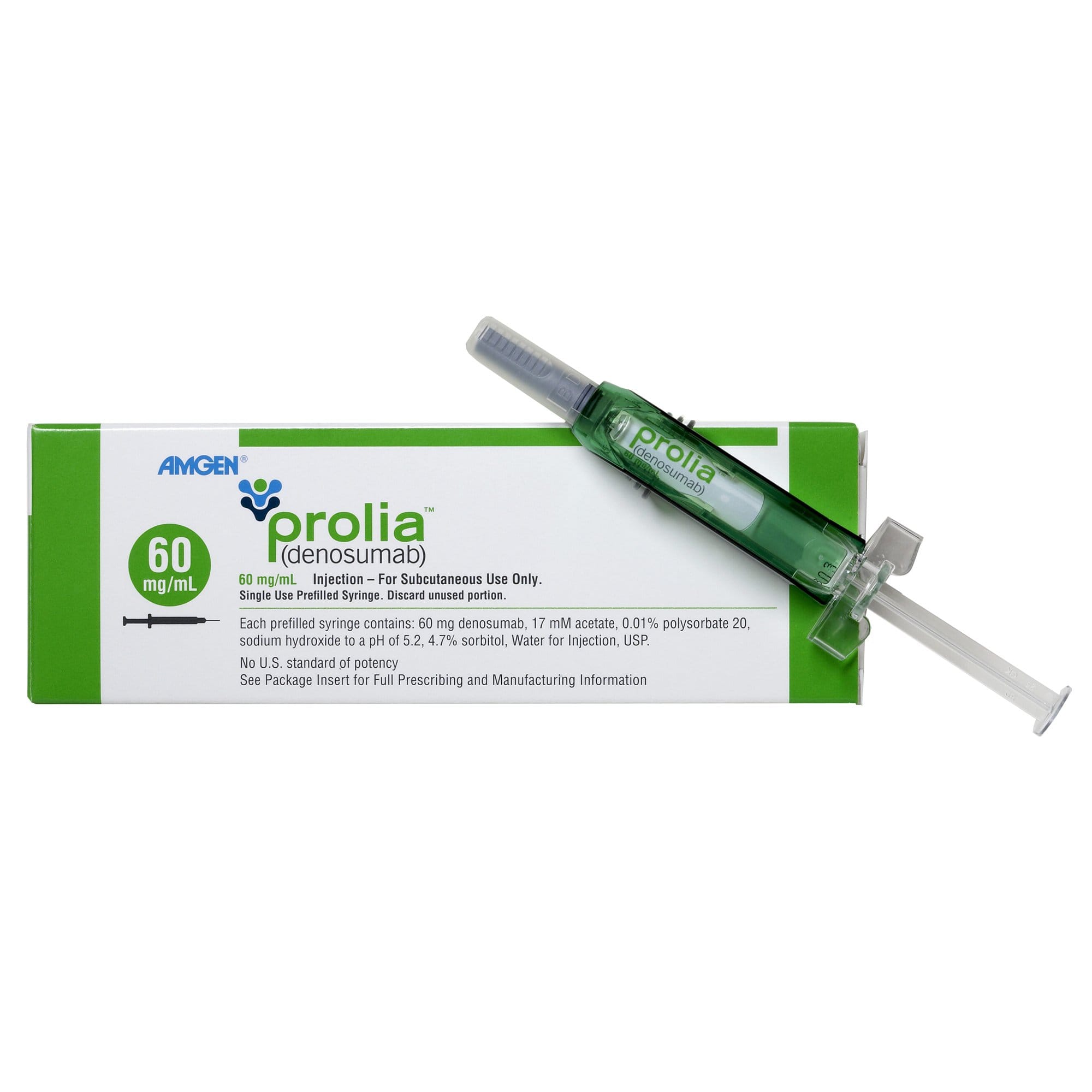
Prolia®(English Alternative)
Order Prolia® Prefilled Syringe for Clinics
Prescription Medication
$599.00
You save (%)
Description
Prolia® is a denosumab 60 mg/mL injection supplied as a sterile, single-use prefilled syringe for subcutaneous administration by healthcare professionals. Licensed clinics can order the Prolia English alternative presentation for supervised bone health programs that require consistent unit labeling, treatment-room readiness, and professional documentation. The 1 mL prefilled syringe format helps teams standardize receiving, storage, administration checks, and post-injection monitoring.
Clinic Ordering, Price, and Unit Selection
Clinics evaluating Prolia price or denosumab price should match purchasing decisions to the exact syringe strength, quantity, labeling presentation, and receiving requirements used by the practice. Current cost can vary by account terms, supply conditions, and order quantity, so approved professional accounts can sign in to view current pricing or request a quote for institutional review.
The product is supplied as Prolia 60 mg in 1 mL, with denosumab as the active ingredient. When your team buys Prolia online for clinic use, align the unit count with scheduled injection visits, internal approval workflows, and any lot-level documentation needed for inventory reconciliation. Avoid building excess idle stock if your appointment calendar is variable.
Quick tip: Coordinate purchasing with treatment calendars so receiving staff can rotate stock, document lot numbers, and reduce last-minute replenishment requests.
How Clinics Use the Prefilled Syringe
Prolia is a monoclonal antibody used in professional osteoporosis and bone health care. Denosumab targets RANKL, a signaling protein involved in bone resorption, and is administered under clinician-directed protocols. The prefilled syringe supports subcutaneous injection workflows in endocrinology, rheumatology, geriatrics, fracture liaison, and biologic administration settings.
Clinical teams typically incorporate this medication into structured visits that may include screening, lab review, oral health assessment when indicated, injection administration, observation, and follow-up scheduling. The ready-to-use syringe reduces preparation steps compared with formats that require drawing medication from a vial, while still requiring aseptic handling and facility-specific administration procedures.
For service-line planning, clinics may browse the osteoporosis category and the rheumatology category. Program managers can also use our clinical article on managing osteoporosis and bone health for background on how denosumab may fit into broader bone health pathways.
Form, Strength, and Packaging Details
This English alternative presentation is supplied as a sterile single-use prefilled syringe containing denosumab 60 mg/mL. Each 1 mL syringe is intended for subcutaneous administration in a professional setting. The single-use format supports clean handling, sharps disposal, and consistent documentation across multiple treatment rooms or clinic locations.
- Active ingredient: denosumab.
- Concentration: 60 mg/1 mL.
- Format: sterile prefilled syringe.
- Route: subcutaneous injection administered by trained healthcare staff.
- Use pattern: professional bone health and osteoporosis protocols.
- Presentation: English alternative packaging for clinics that prefer English-language product materials.
The inactive ingredients and full formulation details should be confirmed against the manufacturer’s current labeling. Receiving teams should inspect outer packaging, verify lot and expiry information, and record the product according to facility policy before transferring the syringe into clinical inventory.
Storage, Handling, and US Logistics
Biologic products require careful receiving and storage controls. Store and handle Prolia according to the current manufacturer label and your facility’s medication management procedure. Staff should keep the syringe in its original packaging until use, protect it from conditions outside labeled requirements, and avoid using any unit with damaged packaging or compromised identification.
Med Wholesale Supplies supports US distribution for verified healthcare facilities, with temperature-controlled handling when required and tracked US delivery. Receiving hours, inventory contacts, and internal documentation needs should be coordinated before shipment so the product moves promptly from delivery to appropriate storage.
Clinics that require a different packaging language for operational or formulary reasons can review the related Prolia non-English prefilled syringe. For broader purchasing across regulated medications, the pharmaceuticals category can help procurement teams identify adjacent clinic-use products.
Safety, Warnings, and Monitoring
Prolia should be used within clinician-governed protocols that account for patient history, calcium status, renal function considerations, dental risk, concomitant therapies, and follow-up requirements. Clinics should counsel patients according to the approved medication guide and document screening steps in the medical record before administration.
Common adverse events reported with denosumab products can include back pain, musculoskeletal pain, pain in the extremities, joint pain, and local injection site reactions. Other reported events include skin infections, urinary tract infections, and ear infections. Staff should have a clear escalation pathway for hypersensitivity symptoms or other urgent reactions after administration.
Rare but serious risks described in authoritative labeling and professional resources include severe allergic reactions, hypocalcemia, osteonecrosis of the jaw, atypical femoral fractures, and multiple vertebral fractures after discontinuation. Dental assessment may be appropriate for patients with risk factors. Calcium and vitamin D status, follow-up scheduling, and transition planning after stopping therapy should follow the prescriber’s protocol.
Why it matters: Denosumab treatment programs work best when injection timing, lab review, dental screening, and follow-up reminders are built into the same workflow.
Professional Applications and Workflow Fit
Prolia can fit clinics that manage osteoporosis risk across longitudinal care programs. Endocrinology teams may coordinate bone density follow-up, fracture risk assessment, and periodic injection visits. Rheumatology and geriatrics practices may integrate the syringe into chronic disease care models where medication scheduling and documentation are centralized.
Fracture liaison services may use denosumab within pathways that identify patients after fragility fracture and route them to appropriate evaluation. Biologic or injection clinics can incorporate the product into room setup checklists, staff training, and standardized post-administration observation processes. The prefilled syringe presentation helps maintain a consistent process across rotating personnel.
For clinics building a larger service line, our article on Prolia injection and long-term bone health provides additional program context. Teams evaluating newer clinic protocols may also consult osteoporosis treatment options for clinics.
Comparisons and Related Clinical Choices
The best substitute for Prolia is not a universal choice. Alternatives depend on diagnosis, fracture risk, prior therapy, kidney function, calcium status, adherence needs, payer or formulary rules, and prescriber judgment. Options discussed in clinical practice may include other antiresorptive therapies, anabolic agents, or approved biosimilars when appropriate.
Jubbonti® is an FDA-approved interchangeable biosimilar to Prolia, and some institutions evaluate it when reviewing denosumab sourcing or formulary updates. Clinics can review Jubbonti as a related denosumab biosimilar option. Biosimilar selection should follow institutional governance, state substitution rules, and the treating clinician’s plan.
Evenity® is a different bone health biologic, not a direct denosumab equivalent. It may be considered in certain osteoporosis pathways based on prescriber assessment and risk profile. Clinics comparing mechanisms can review Evenity non-English and our article on Evenity and Prolia in bone health programs. Orthopedic and rheumatology practices planning joint care services may also review Orthovisc for a separate musculoskeletal treatment category.
English Alternative Presentation
The Prolia English alternative presentation may be useful for clinics that prefer English-language packaging and supporting materials for receiving, medication-room checks, and treatment documentation. The clinical product identity remains tied to denosumab 60 mg/mL in a 1 mL prefilled syringe, while labeling presentation can affect how staff verify and file product information.
Procurement teams should keep presentation preferences aligned with internal policy, inventory software fields, and staff training materials. If a formulary file, EMR medication build, or purchasing record requires a specific naming convention, confirm the product name, concentration, lot information, and packaging language at the time of order.
Authoritative Sources
- Manufacturer professional information – mechanism, administration, safety, and professional resources for Prolia.
- FDA biosimilar approval announcement – information on interchangeable biosimilars to Prolia and Xgeva.
- MedlinePlus denosumab information – patient-facing safety background that clinics may use for counseling support.
This content is for informational purposes only and is not a substitute for professional medical advice.
Frequently Asked Questions
What is included in the Prolia English alternative syringe presentation?
It is supplied as a sterile, single-use prefilled syringe containing denosumab 60 mg/mL in 1 mL. Clinics should verify lot, expiry, packaging condition, and labeling details during receiving.
Can clinics buy Prolia for osteoporosis programs through Med Wholesale Supplies?
Licensed clinics and healthcare professionals can order Prolia for professional use after account verification. Current pricing, quantity needs, and documentation requirements can be aligned with the clinic’s purchasing process.
How should clinics plan storage and handling for Prolia?
Store and handle the syringe according to the current manufacturer label and your facility policy. Receiving teams should document lot and expiry details, protect the product from improper conditions, and move it promptly into appropriate storage.
What is the best substitute for Prolia?
There is no single best substitute for every patient. Prescribers may consider biosimilars, other antiresorptive medicines, or anabolic osteoporosis therapies based on diagnosis, fracture risk, prior treatment, safety factors, and formulary rules.
Is Jubbonti a replacement for Prolia?
Jubbonti is an FDA-approved interchangeable biosimilar to Prolia. Whether a clinic uses it as an alternative should be decided through prescriber direction, institutional policy, and applicable substitution requirements.
What safety issues should staff monitor with denosumab injections?
Protocols commonly address calcium status, dental risk, hypersensitivity symptoms, infection concerns, atypical femur fracture symptoms, osteonecrosis of the jaw risk, and follow-up planning if therapy is stopped or changed.
Specifications
- Main Ingredient: Denosumab
- Manufacturer: Amgen
- Drug Class: Osteoporosis Treatment
- Generic Name: Denosumab
- Package Contents: 1 x 60 mg/1ml Pre-filled Syringe
- Storage Requirements: Cool Temperature (2℃~8℃)
- Main Usage:
Here to help
Questions about ordering, delivery or products? You can email our team here or call now at 1-800-630-9757 and be connected with your dedicated Account Manager
Related Products
JALUPRO® PLUS 4ML
Skin Rejuvenation Treatment
$86.00 - $89.00
You save (%)
You save (%)
$339.00
You save (%)
You save (%)
Select options
This product has multiple variants. The options may be chosen on the product page
Juvéderm® SKINVIVE
Dermal Filler
$339.00 - $359.00
You save (%)
You save (%)
$86.00 - $119.00
You save (%)
You save (%)
Related Articles
Prednisone in Clinical Care: Uses, Risks, and Monitoring
Prednisone is a prescription systemic corticosteroid used to reduce inflammation or suppress immune activity in…
Lip Fillers Swelling Stages: Timeline, Safety, and Follow-Up
Lip fillers swelling stages usually follow a short inflammatory course: swelling appears soon after injection,…
Hypopigmentation of the Skin: Assessment and Care
Hypopigmentation of the skin means one or more areas look lighter than the surrounding skin.…
Radiesse vs Sculptra: Selection Factors for Clinics
Radiesse vs Sculptra is best understood as a comparison between two collagen-stimulating injectables with different…
Hyaluronic Acid Under-Eye Filler: Safety and Workflow
Hyaluronic acid under-eye filler is an injectable soft-tissue filler used by trained aesthetic clinicians to…
Dermal Filler Types: Materials, Uses, and Clinic Fit
Dermal filler types are usually grouped by their base material, tissue behavior, and expected role…
What Is Dysport? Clinical Uses, Safety, and Workflow
For clinic teams asking what is Dysport, the short answer is simple: Dysport is a…
Biostimulators in Aesthetic Care: Selection and Safety
Biostimulators are injectable aesthetic products used to encourage a controlled tissue response, often involving new…