
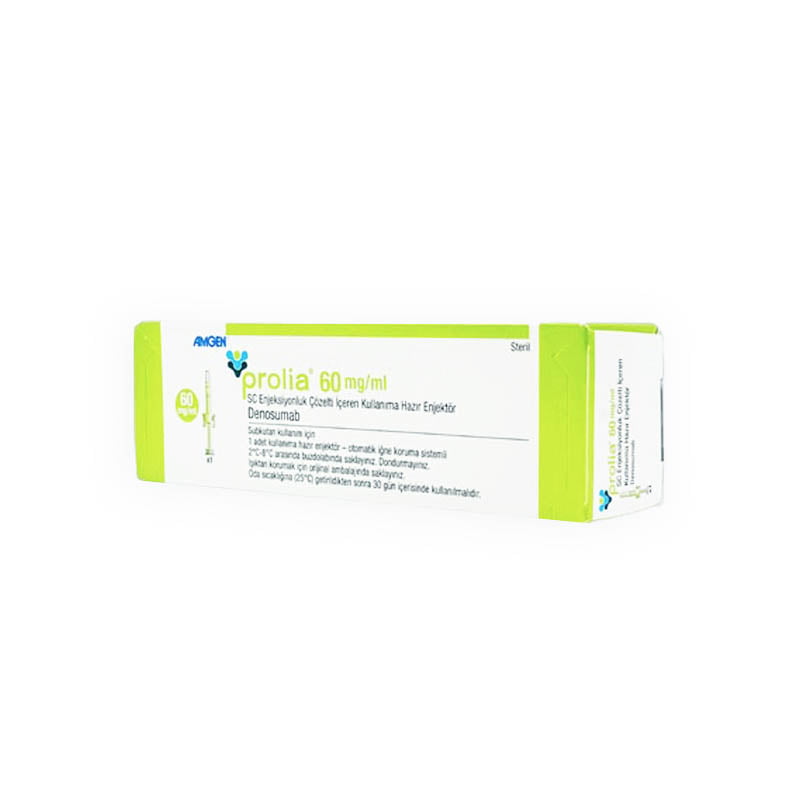
Prolia® (Non-English )
Order Prolia® Non-English for Clinics
Prescription Medication
$549.00
You save
Description
Prolia® Non-English is a brand-name denosumab injection supplied as a sterile, single-use prefilled syringe for subcutaneous administration. Licensed clinics and healthcare professionals can order Prolia® Non-English for clinic supply planning, with the 60 mg/mL, 1 mL syringe presentation matched to internal protocols before use. Non-English packaging means the carton, device label, or enclosed materials may be printed for another market, so language-label acceptance should be resolved before the medicine enters stock.
This professional supply item is intended for treatment-room workflows that require clear receiving checks, lot capture, storage control, and staff access to facility-approved administration instructions. The prefilled syringe format supports standardized handling, while the non-English commercial label makes documentation and staff education controls especially important.
MedWholesaleSupplies serves professional accounts through vetted distributor channels and verified supply pathways for licensed clinics. Use the information below to align Prolia® clinic supply decisions with purchasing records, medication-room controls, appointment scheduling, and patient-facing communication standards.
Prolia® Price, Strength, and Ordering Details for Clinics
Current Prolia® price for clinics should be read with the exact strength, concentration, syringe volume, quantity, and packaging language used for the order. For this item, the practical purchasing identifiers are Prolia® denosumab injection, 60 mg/mL concentration, 1 mL prefilled syringe, single-use device format, and non-English packaging. A similar brand record with English-facing packaging may not satisfy the same internal item master, even when the active drug and device type appear familiar.
Professional buyers should match the syringe presentation against the medication order, clinic formulary, inventory software, storage location, and language-labeling policy. Non-English packaging may work well for facilities that maintain separate English-language protocols, electronic medication references, interpreter processes, or patient education materials. Other organizations require English-labeled cartons for all medicines stored in the medication room. That decision belongs in procurement review, not at the receiving bench.
When building a purchase request, keep product identity and inventory fields specific. The Prolia brand record can help teams identify related brand entries, while the English-labeled Prolia alternative may be useful when facility policy requires English commercial packaging. Do not rely on brand name alone when carton language affects receiving, storage, counseling, or audit expectations.
Quick tip: Add label language to the item master so recurring counts do not mix English and non-English stock.
| Catalog detail | Clinic purchasing check |
|---|---|
| Brand and active drug | Prolia® denosumab injection for professional healthcare settings. |
| Concentration | 60 mg/mL as identified for this syringe presentation. |
| Presentation | Single-use 1 mL prefilled syringe for subcutaneous injection. |
| Label language | Non-English carton, device label, or enclosed materials may apply. |
| Inventory controls | Record lot, expiry, receiving condition, and storage status. |
| Clinical workflow | Use only under facility protocols and trained healthcare staff procedures. |
How to Order Prolia® Non-English for Professional Supply
Order Prolia® online for clinics by verifying the product name, denosumab strength, concentration, device format, quantity, and non-English packaging before submitting the clinic purchase. Our team may review order information, account controls, and professional-use documentation when needed to support appropriate B2B supply processing. Keeping license records, ship-to information, and purchasing contacts current helps reduce avoidable back-and-forth during procurement.
Price comparisons across vendors should keep the same commercial attributes aligned. A denosumab 60 mg prefilled syringe, a different denosumab product, a different market pack, or an English-labeled item may carry different procurement implications. Facilities should also account for inventory carrying costs, biologic storage capacity, scheduled injection visits, and staff time for receiving documentation.
Availability can vary by lot and distributor allocation, so clinics should avoid assuming interchangeability with other osteoporosis medicines or other denosumab products. Once allocation is confirmed, shipments can include temperature-controlled handling when required and tracked US delivery. Receiving teams should be prepared to reconcile the shipment against the purchase record as soon as it arrives.
Non-English Packaging and Label Controls
The main operational distinction for Prolia® Non-English is packaging language. The carton, device label, or inserts may be printed for markets where another language is used. Clinics should decide whether the packaging fits medication-room policy, staff competencies, payer records, consent workflows, and patient communication procedures before the syringe is added to usable inventory.
Non-English commercial packaging does not remove the need for English-language clinical instructions in a U.S. clinic workflow. Facilities often maintain approved medication references, electronic administration records, manufacturer materials, and internal nursing protocols separately from the carton. If that is your process, note the separation clearly so staff do not rely on unreadable carton text during preparation or counseling.
Receiving staff should inspect the carton, seal, syringe, expiry date, solution appearance, and label language according to facility procedures. Lot and expiry details should be captured in the medication administration record or inventory system according to local policy. If a carton is damaged, exposed to questionable temperatures, dropped, or otherwise compromised, quarantine it until the quality decision is documented.
- Language review: Confirm carton and enclosed material acceptability before stocking.
- Device review: Verify the 1 mL prefilled syringe before medication-room release.
- Traceability: Record lot and expiry at receiving and administration.
- Staff access: Keep facility-approved instructions available at the point of care.
- Patient communication: Use clinic-approved education materials rather than unreadable packaging.
Approved Use Context and How Denosumab Works
Prolia® is used in adult bone-health care for osteoporosis and treatment-related bone loss in certain high-risk groups, depending on the approved label and the patient’s clinical plan. Common labeled use contexts include postmenopausal osteoporosis at high risk for fracture, men with osteoporosis at high risk for fracture, glucocorticoid-induced osteoporosis, and bone loss associated with some cancer therapies. Clinical leadership should align each use with current labeling and patient-specific risk assessment.
Denosumab is the generic term for Prolia®. It is a human monoclonal antibody that binds RANKL, a signaling protein involved in osteoclast formation, function, and survival. Osteoclasts are cells that break down bone. By reducing that pathway, denosumab decreases bone resorption and can help support bone mass in approved patient groups.
Clinic procurement staff do not decide whether denosumab is the right therapy for an individual patient. Their role is to ensure the correct Prolia® 60 mg/mL prefilled syringe is stocked, traceable, stored correctly, and available for trained staff when a scheduled injection visit occurs. Bone health teams can browse the osteoporosis product category when consolidating prescribed therapies for purchasing review.
Why it matters: Matching the exact syringe and label format protects appointment flow and medication traceability.
Clinic Workflow and Administration Planning
Prolia® is administered by subcutaneous injection, meaning the medicine is injected under the skin. Product instructions generally describe administration in areas such as the upper arm, upper thigh, or abdomen, subject to current labeling and facility technique. Staff should follow the approved insert and clinic protocol for inspection, preparation, administration, observation, documentation, and sharps disposal.
The prefilled syringe format helps reduce preparation steps compared with vial draw-up workflows. Staff do not need to compound, dilute, or reconstitute the medicine before administration. Even so, the syringe should be inspected for integrity and solution appearance, and the patient, order, medication, route, timing, lot, and expiry should be documented according to the medication administration process.
Denosumab therapy is commonly scheduled at longer intervals than many routine injectables, so inventory planning should be tied to appointment calendars rather than simple monthly reorder habits. Clinics should account for scheduled visits, rescheduled appointments, safety stock, storage capacity, and lot expiration. If a practice manages several specialty medicines, the pharmaceuticals category can support broader formulary and purchasing reviews.
Training should include biologic handling expectations, temperature excursion procedures, carton inspection, non-English label workflow, and escalation steps when product integrity is uncertain. Clear task separation helps nursing, purchasing, and inventory teams understand who releases the syringe for use, who records administration details, and who handles waste disposal.
Storage, Receiving, and Inventory Handling
Follow the current manufacturer label for storage and handling. Prolia® is generally stored refrigerated in the original carton to protect it from light, should not be frozen, and should be handled carefully as a biologic medicine. If the syringe is removed from refrigeration, staff should follow the label for allowed room-temperature handling and timing rather than returning questionable product to active stock.
Receiving procedures should include temperature assessment when applicable, carton inspection, lot and expiry capture, and reconciliation against the purchase record. Place the syringe in a clearly labeled storage area that distinguishes Prolia® from other denosumab products, other biologics, and unrelated injectables. Shelf labels or electronic bin locations should include the product name, strength, and label-language status.
Inventory teams should maintain a documented chain from receiving to administration. That chain may include purchase order reconciliation, storage location assignment, lot tracking, expiry monitoring, appointment allocation, administration record entry, and waste disposal documentation. For multi-location groups, assign responsibility for stock transfers before the shipment arrives so product movement does not become informal.
When a biologic shipment arrives during a busy clinic session, staff should avoid placing the carton temporarily in unapproved locations. A defined receiving checklist protects cold-chain decisions, reduces selection errors, and supports audit readiness. Non-English packaging adds one more reason to separate release-to-stock approval from routine unpacking.
Safety, Contraindications, and Monitoring
Safety review should be completed by the clinical team before a Prolia® appointment is scheduled. Contraindications include hypocalcemia, pregnancy, and clinically significant hypersensitivity to denosumab or product excipients. Patients already receiving another medicine that contains denosumab should not receive duplicate denosumab therapy unless the treating clinician has addressed the overlap under current labeling.
Serious hypocalcemia can occur, with increased concern in patients who have advanced kidney disease or mineral metabolism disorders. Clinical teams commonly assess calcium status and related risk factors before treatment and monitor as directed. Calcium and vitamin D supplementation may be part of the care plan, but patient-specific instructions should come from the treating clinician.
Important warnings also include osteonecrosis of the jaw, atypical femoral fractures, serious infections, dermatologic reactions, severe musculoskeletal pain, and multiple vertebral fractures after discontinuation. Dental status, planned invasive dental procedures, thigh or groin pain, infection history, therapy interruptions, and transition planning should be handled within the practice’s protocol.
Common adverse reactions reported with Prolia® may include back pain, pain in the arms or legs, muscle or joint pain, urinary tract symptoms, and injection-site reactions. Clinic staff should know how to route urgent symptoms, adverse event documentation, and follow-up communication. Keep the current insert and facility-approved safety references accessible, especially when the commercial carton is not in English.
Related Bone Health Choices and Substitution Notes
Prolia® is still used for osteoporosis and other approved bone-loss settings, but it is not automatically interchangeable with other osteoporosis therapies. Alternatives depend on diagnosis, fracture risk, prior therapy, kidney function, dental considerations, route preference, dosing schedule, and clinical goals. Common treatment classes include bisphosphonates, anabolic agents, selective estrogen receptor modulators, and other antiresorptive options.
From a procurement perspective, alternatives can differ substantially in storage, administration route, visit scheduling, monitoring burden, and staff training. A tablet, infusion, daily injection, monthly injection, or six-month injection can create very different clinic workflows. If a different therapy is chosen, document whether the reason is clinical, formulary-based, scheduling-related, storage-related, or language-label related.
Evenity® is another bone health medicine that may appear in clinic purchasing discussions, but it has a different active ingredient and clinical role. The Evenity Non-English product record may help procurement teams distinguish packaging and workflow requirements, while the article Evenity versus Prolia for bone health offers broader comparison context. For newer clinic-level therapy planning, see osteoporosis treatment options for clinics and bone-building drug considerations.
Authoritative Sources
Use primary and clinician-approved references when building protocols. The manufacturer HCP information provides professional product and safety materials, and the MedlinePlus denosumab overview provides patient-facing drug information that may support counseling alignment.
Clinic teams should keep the current carton, package insert, and facility-approved medication references available wherever Prolia® is received, stored, prepared, or administered. Non-English packaging makes this especially important because staff may rely on separate English-language procedures for inspection, counseling, adverse event reporting, and documentation.
This content is for informational purposes only and is not a substitute for professional medical advice.
Frequently Asked Questions
What is the generic term for Prolia®?
The generic term for Prolia® is denosumab. Denosumab is a monoclonal antibody used in approved bone-health indications, including osteoporosis and certain treatment-related bone loss settings under current labeling.
What does non-English packaging mean for clinic use?
Non-English packaging means the carton, device label, or enclosed materials may be printed for another market language. Clinics should confirm label-language acceptance, maintain approved English-language instructions, and document lot and expiry information before stocking.
Is Prolia® still used for osteoporosis?
Yes. Prolia® remains used in approved osteoporosis and bone-loss settings for appropriate adult patients. Clinical teams should align each case with the current label, risk assessment, monitoring plan, and follow-up schedule.
How should clinics store Prolia® prefilled syringes?
Clinics should follow the current manufacturer label. Prolia® is generally stored refrigerated in the original carton, protected from light, not frozen, and handled as a biologic medicine with documented temperature and receiving controls.
What medication may be considered instead of Prolia®?
Possible alternatives depend on the patient’s diagnosis and clinical factors. Classes used in osteoporosis care include bisphosphonates, anabolic agents, selective estrogen receptor modulators, and other antiresorptive therapies. Substitution should be directed by the clinical team.
What safety checks matter before a Prolia® injection visit?
Clinical teams commonly review calcium status, kidney-related risk factors, pregnancy status, hypersensitivity history, dental concerns, infection risk, thigh or groin pain, and prior denosumab exposure. Facility protocols should reflect current labeling.
Specifications
- Main Ingredient: Denosumab
- Manufacturer: Amgen
- Drug Class: Osteoporosis Treatment
- Generic Name: Denosumab
- Package Contents: 1 x 60 mg/1ml Pre-filled Syringe
- Storage Requirements: Cool Temperature (2℃~8℃)
- Main Usage:
About the Brand
Prolia
Introducing Prolia - the groundbreaking osteoporosis medication specifically designed for postmenopausal women, now conveniently procured on our online platform, medwholesalesupplies.com. Our easy-to-navigate and dependable platform allows patients to order this revolutionary medication with ease. Being a renowned provider of medical supplies, we only deliver authentic medication straight from certified distributors. Recognizing the importance of prompt access to osteoporosis medication, medwholesalesupplies.com facilitates the acquisition of necessary medicines right from the comfort of your home, eliminating the need to physically go to a store or pharmacy. Additionally, by choosing to purchase Prolia through medwholesalesupplies.com, you'll experience a cost-friendly option. With our competitive pricing, patients can benefit from premium-quality medication without straining their wallets. We offer bulk purchasing options for medical establishments and healthcare providers, positioning us as a premier choice for hospitals and clinics intending to stock Prolia. At medwholesalesupplies.com, we place extreme importance on the safety and satisfaction of our patients. Each product sold, Prolia included, undergoes a stringent quality assurance process to confirm its authenticity and efficacy. Our seasoned team curates and sources medicines solely from authorized channels, assuring patients receive nothing but genuine and trustworthy products. With our secure, user-friendly online platform, patients can feel confident they're obtaining Prolia from a reliable source, simplifying their path to managing osteoporosis.
Browse Prolia Products
Here to help
Questions about ordering, delivery or products? You can email our team here or call now at 1-800-630-9757 and be connected with your dedicated Account Manager
Related Products
Prolia® (International English)
Prescription Medication
$529.00 - $549.00
You save
You save
Evenity® (English Alternative)
Injectable Medication
$1,229.00 - $1,299.00
You save
You save
Intraline® For Men
Dermal Filler
$59.00 - $79.00
You save
You save
RejuvaNAD+ Pro
Injectable Medication
$237.00 - $249.00
You save
You save
Related Articles
Prednisone in Clinical Care: Uses, Risks, and Monitoring
Prednisone is a prescription systemic corticosteroid used to reduce inflammation or suppress immune activity in…
Lip Fillers Swelling Stages: Timeline, Safety, and Follow-Up
Lip fillers swelling stages usually follow a short inflammatory course: swelling appears soon after injection,…
Hypopigmentation of the Skin: Assessment and Care
Hypopigmentation of the skin means one or more areas look lighter than the surrounding skin.…
Radiesse vs Sculptra: Selection Factors for Clinics
Radiesse vs Sculptra is best understood as a comparison between two collagen-stimulating injectables with different…
Hyaluronic Acid Under-Eye Filler: Safety and Workflow
Hyaluronic acid under-eye filler is an injectable soft-tissue filler used by trained aesthetic clinicians to…
Dermal Filler Types: Materials, Uses, and Clinic Fit
Dermal filler types are usually grouped by their base material, tissue behavior, and expected role…
What Is Dysport? Clinical Uses, Safety, and Workflow
For clinic teams asking what is Dysport, the short answer is simple: Dysport is a…
Biostimulators in Aesthetic Care: Selection and Safety
Biostimulators are injectable aesthetic products used to encourage a controlled tissue response, often involving new…