

- You must be logged in to add items to the cart.
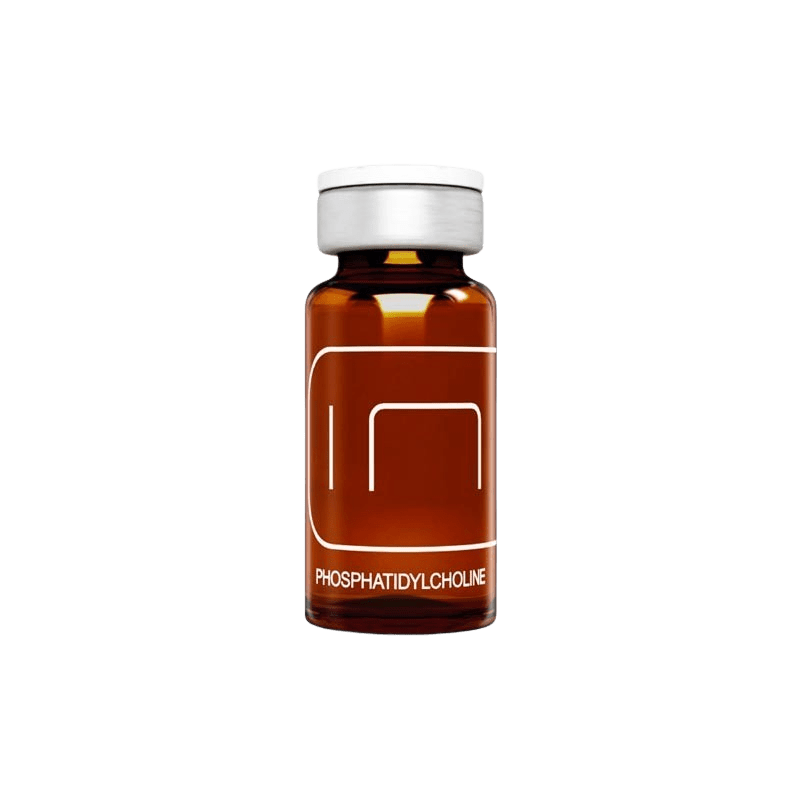
Phosphatidylcholine
Order Phosphatidylcholine for Clinics
Phosphatidylcholine
$69.00
You save (%)
Description
Phosphatidylcholine is a sterile injectable solution supplied for professional mesotherapy and body-contouring workflows. Licensed clinics and healthcare professionals can order the 5 vials × 10 ml pack for treatment-room use, inventory planning, and documented aesthetic protocols. The listed concentration is 5% phosphatidylcholine with deoxycholate acid, packaged with lot and expiry information for clinic records.
Med Wholesale Supplies serves licensed clinics, med spas, and healthcare professionals that need authentic medical products sourced through vetted distributor channels. This preparation is intended for trained injectors using appropriate assessment, mapping, administration, and aftercare processes.
Price, Pack, and Clinic Ordering
Sign in with a verified clinic account to view current contract pricing, volume tiers, and live ordering controls. The commercial pack is designed to support scheduled treatment series, staff training days, or small inventory rotation without splitting sourcing across multiple suppliers.
The supply format is 5 vials × 10 ml. Each unit should be received, logged, and stored according to your clinic’s internal policy and the product label. The SKU is 89792, which helps purchasing teams match purchase orders, receiving records, and treatment-room stock counts.
| Attribute | Clinic-use detail |
|---|---|
| Product | Phosphatidylcholine sterile injectable solution |
| Pack | 5 vials × 10 ml |
| Concentration | 5% phosphatidylcholine with deoxycholate acid |
| Use setting | Professional mesotherapy and body-contouring protocols |
| Traceability | Lot and expiry visible for intake and charting records |
Quick tip: Align ordering quantities with mapped treatment sessions, expected follow-up intervals, and staff coverage so vials move through inventory predictably.
Professional Use and Treatment-Room Fit
Phosphatidylcholine is positioned for subcutaneous administration by qualified professionals within aesthetic fat-modulation workflows. Clinics commonly use this type of preparation as part of staged consultation, mapping, microinjection, documentation, and follow-up processes for localized contour refinement.
In practice, the formulation combines a choline-containing phospholipid with a bile salt component to support dispersion of lipid content in targeted tissue planes. Phosphatidylcholine is a phospholipid, meaning it is a fat-related molecule that contributes to cell membrane structure. Deoxycholate acid is included to aid dispersion within the injectable formulation.
Clinic teams often place this product within broader body contouring, fat removal, and mesotherapy service menus. Those category groupings can help purchasing staff source related products while clinical leads maintain protocol consistency.
How the Formulation Supports Aesthetic Protocols
The product is used in professional mesotherapy and injection-lipolysis style workflows where controlled, small-volume placement is clinically appropriate. The practical goal is localized contour support rather than general weight management. Patient selection, expectations, anatomical mapping, and post-treatment review remain clinical responsibilities.
After precise placement, the agent is used to support lipid emulsification within the treated area, with subsequent mobilization occurring through normal metabolic pathways. Clinics should avoid turning this into a standalone weight-loss claim; the product fits contouring protocols that depend on trained technique and structured follow-up.
For clinical background on this category, your team may find phosphatidylcholine clinical use considerations and fat reduction contour considerations useful when reviewing staff education, consultation language, and protocol governance.
Composition and Ingredient Context
This preparation contains a choline-based phospholipid in a sterile aqueous vehicle, together with deoxycholate acid. Clinicians may also see the term polyunsaturated phosphatidylcholine in literature, training materials, or ingredient discussions. That terminology describes a class characteristic; it should not be used to infer a different concentration, dose, or pack than the one shown for this product.
- Active component: phosphatidylcholine, a choline-containing phospholipid.
- Included component: deoxycholate acid for dispersion within the formulation.
- Vehicle: sterile aqueous medium suitable for professional injection use.
- Concentration shown: 5% phosphatidylcholine with deoxycholate acid.
General searches for phosphatidylcholine often return oral supplement formats such as capsules, softgels, lecithin products, powders, or liver-support supplements. This clinic supply is different: it is an injectable solution supplied in vials for professional aesthetic workflows, not an oral phosphatidylcholine supplement.
Handling, Documentation, and Inventory Control
Use sterile handling practices consistent with your facility’s protocols and the product label. Receiving staff should inspect outer packaging, record lot and expiry, and route vials to the appropriate storage location before treatment-room use. Temperature-controlled handling when required and tracked US delivery support procurement planning for licensed facilities.
Documentation should connect the vial lot, expiry, clinician, treatment date, mapped area, volume used, and aftercare notes. This supports continuity across staged sessions and helps clinical leadership audit technique, outcomes, and adverse-event reporting if needed.
Inventory teams may coordinate this product with broader body sculpting supplies when building a predictable aesthetic schedule. Separating unopened stock, in-room working stock, and used-vial documentation helps prevent confusion during busy clinic days.
Safety, Tolerability, and Clinical Precautions
Phosphatidylcholine injectable protocols require trained administration and appropriate patient screening. Clinics should evaluate suitability, medical history, treatment area, medication profile, pregnancy or breastfeeding considerations, and any contraindications in line with internal policy and applicable professional standards.
Potential reactions noted for this preparation may include altered taste, bloating, diarrhea, itching, nausea, or sweating. Local injection-site effects, transient discomfort, bruising, swelling, or sensitivity may also be considered during informed consent and post-care planning, although individual responses vary.
Serious or unexpected reactions should be assessed promptly by a qualified clinician. Treatment should not proceed when the clinical lead determines that patient factors, medication history, active skin issues, infection risk, or unrealistic expectations make the protocol inappropriate.
Why it matters: Clear screening, consent, and aftercare documentation protect both the patient experience and the clinic’s treatment consistency.
Patient Questions Clinics Commonly Need to Address
Patients often ask what phosphatidylcholine does in the body because they may have seen supplement claims for choline, brain health, or liver support. A concise clinic answer is that phosphatidylcholine is a phospholipid involved in membrane biology, while this injectable product is used in professional aesthetic protocols for localized contour work. Avoid borrowing oral supplement claims for an injectable mesotherapy treatment.
Patients may also ask whether choline and phosphatidylcholine are the same. Choline is a nutrient, while phosphatidylcholine is a phospholipid that contains choline. That distinction matters because oral supplement discussions do not replace clinical assessment, injectable technique, or product-specific handling.
Questions about timing should be answered through the clinic’s protocol, not general supplement advice. Session spacing, aftercare, photography, and follow-up depend on the injector’s training, mapped treatment area, and the clinic’s medical oversight process.
Comparable Products for Protocol Planning
Clinics evaluating fat-modulation or mesotherapy workflows may consider adjacent products when developing treatment menus, training pathways, or substitution plans. Product selection should be led by clinical protocol, formulation familiarity, staff training, and documentation requirements rather than by price alone.
BCN Adipo Forte may be reviewed for similar aesthetic category planning, while BCN Adipo provides another related vial-based option. Aqualyx and LemonBOTTLE Solution may also be considered by clinics comparing formulation approaches, training preferences, and service menu fit.
For staff education around the broader procedure category, fat-dissolving injection considerations can support internal discussion of consultation language and patient expectation setting. Internal education should always be adapted to your clinic’s scope, credentials, and governing protocols.
Availability, Substitution, and Service Continuity
Because aesthetic injectables are often purchased for scheduled treatment blocks, clinics should monitor stock before booking multi-session plans. If a substitution is needed, the clinical lead should review formulation differences, staff familiarity, consent language, and continuity across active treatment plans.
Purchasing teams can use the product SKU, pack size, and vial count to standardize reorder points. Multi-site groups should keep lot-level records consistent across locations so training, intake, and post-treatment documentation remain aligned.
Authoritative Sources
- NIH PubChem: phosphatidylcholine compound record
- NIH Office of Dietary Supplements: choline fact sheet
- Peer-reviewed review: role of phosphatidylcholine and phosphatidylethanolamine
Ready to proceed? Sign in to confirm clinic account access, view current pack pricing, and coordinate ordering with your treatment calendar.
This content is for informational purposes only and is not a substitute for professional medical advice.
Frequently Asked Questions
Is this Phosphatidylcholine product an oral supplement or an injectable clinic supply?
It is an injectable solution supplied in 5 vials × 10 ml for professional mesotherapy and body-contouring workflows. It should not be treated as an oral phosphatidylcholine capsule, softgel, powder, or lecithin supplement.
Who can order Phosphatidylcholine from Med Wholesale Supplies?
The product is intended for licensed clinics, med spas, and healthcare professionals with appropriate professional-use ordering credentials. Sign in with a verified clinic account to view current pricing and ordering controls.
What documentation should clinics keep for each vial?
Clinics should record lot number, expiry, receipt date, storage location, treatment date, clinician, mapped area, and quantity used according to internal policy. This supports traceability and continuity across staged treatment sessions.
What side effects should clinics discuss before treatment?
Potential reactions noted for this preparation may include altered taste, bloating, diarrhea, itching, nausea, or sweating. Clinics should also screen for patient-specific risks and provide clear aftercare instructions under qualified clinical oversight.
How does phosphatidylcholine differ from choline?
Choline is a nutrient, while phosphatidylcholine is a phospholipid that contains choline. That distinction matters because general supplement information does not replace product-specific injectable handling, patient screening, or trained administration.
Can this product be substituted with another fat-modulation solution?
Any substitution should be reviewed by the clinic’s clinical lead. Formulation, training, consent language, treatment plan continuity, and documentation requirements should be assessed before switching products.
Specifications
- Main Ingredient:
- Manufacturer: BCN
- Drug Class:
- Generic Name: Phosphatidylcholine
- Package Contents: 10 mL x 5 Vials
- Storage Requirements: Room Temperature (2℃~25℃)
- Main Usage:
About the Brand
INSTITUTE BCN
INSTITUTE BCN stands as a respected name in the medical industry, offering a vast assortment of premium medical equipment. Be it bandages, syringes, gauzes, or gloves, BCN's comprehensive selection ensures patient safety and superior care. Apt for healthcare professionals or households requiring medical supplies, INSTITUTE BCN is a trusted brand. BCN's extensive collection can be conveniently accessed and purchased on our online platform, medwholesalesupplies.com. This offers a tailored shopping experience, delivering BCN products directly to your location. Offering not just convenience, our online portal also guarantees the authenticity of BCN products at competitive prices. At medwholesalesupplies.com, we highly value the reliability and quality of medical supplies. This is reflected in our procurement selection, sourcing only from trusted brands such as BCN. By choosing to shop on our website, rest assured you are acquiring superior supplies fit for your needs. We invite you to explore the range of BCN products at medwholesalesupplies.com today.
Browse INSTITUTE BCN Products
Here to help
Questions about ordering, delivery or products? You can email our team here or call now at 1-800-630-9757 and be connected with your dedicated Account Manager
Related Products
JALUPRO® PLUS 4ML
Skin Rejuvenation Treatment
$86.00 - $89.00
You save (%)
You save (%)
$339.00
You save (%)
You save (%)
Select options
This product has multiple variants. The options may be chosen on the product page
Juvéderm® SKINVIVE
Dermal Filler
$339.00 - $359.00
You save (%)
You save (%)
$86.00 - $119.00
You save (%)
You save (%)
Related Articles
Dermal Filler Types: Materials, Uses, and Clinic Fit
Dermal filler types are usually grouped by their base material, tissue behavior, and expected role…
What Is Dysport? Clinical Uses, Safety, and Workflow
For clinic teams asking what is Dysport, the short answer is simple: Dysport is a…
Biostimulators in Aesthetic Care: Selection and Safety
Biostimulators are injectable aesthetic products used to encourage a controlled tissue response, often involving new…
Do You Ovulate on an IUD? Clinic Counseling Points
Clinicians hear the shorthand question do you ovulate on iud, but the practical answer depends…
Vascular Occlusion: Early Signs, Risks, and Clinic Response
A vascular occlusion is a partial or complete blockage of blood flow in a vessel.…
Wrinkles Around the Mouth: Causes and Treatment Options
Wrinkles around the mouth can be softened, not always permanently erased, by matching the line…
Are Knee Gel Injections Painful? Counseling and Safety
Most patients do not describe knee gel injections as severely painful. Clinic teams should set…
Hooded Eyes From Botox: Ptosis Risk and Clinic Response
Hooded eyes from Botox usually reflect temporary upper-face muscle imbalance, not a single diagnosis. The…