

- You must be logged in to add items to the cart.
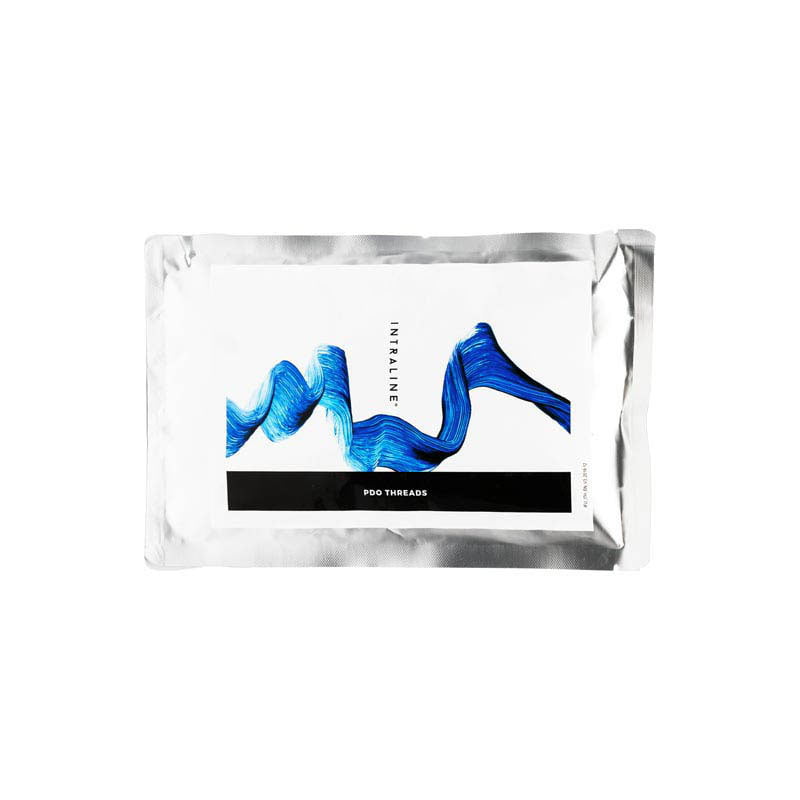
Intraline® Spiral 29G 50 70 6-0
Order Intraline® Spiral 29G 50 70 6-0 for Clinics
Medical Device
$100.00
You save (%)
Description
Intraline® Spiral 29G 50 70 6-0 is a sterile, absorbable PDO thread configuration for subdermal placement by trained healthcare professionals. Licensed clinics can order this spiral 29G, 6-0 format for aesthetic protocols that require controlled handling in delicate facial planes. The 50 mm and 70 mm working lengths support practical treatment-room planning, sterile setup, lot documentation, and inventory rotation.
The spiral profile is designed to compress during insertion and then expand within tissue, giving practitioners localized support while the polydioxanone material gradually resorbs. Med Wholesale Supplies serves licensed clinics, med spas, and healthcare professionals with professional-use medical products sourced through vetted distributor channels.
Price Access and Clinic Ordering
Clinics can sign in to view current Intraline 29G spiral threads 6-0 price tiers and place orders for the configuration shown during checkout. Pricing may reflect account status, order volume, and contract arrangements for qualified facilities. For multi-location purchasing or bulk order planning, keep SKU 88476 and the required thread configuration in your internal request so receiving teams can match the supplied product to the intended protocol.
Ordering is intended for licensed clinical settings with staff trained in PDO thread placement, sterile handling, and adverse-event response. Before scheduling cases, your team should confirm the gauge, thread type, working length, lot number, expiration date, and storage conditions on the outer label. This helps prevent mix-ups between spiral, mono, cog, and double-spiral formats that may look similar in storage but serve different treatment roles.
Quick tip: Record lot and expiry data when the pouch is opened, not after the treatment room is cleared.
What This Spiral PDO Thread Is
Intraline Spiral PDO threads 29G 6-0 are formed from polydioxanone, a synthetic absorbable polymer widely used in medical sutures. In aesthetic thread procedures, PDO provides temporary mechanical support while it undergoes hydrolysis. The spiral shape can create local recoil and tissue engagement, which may help practitioners address small contour transitions when placement is appropriate.
This device is not a filler, toxin, or surgical implant intended for permanent structural change. It is a sterile, single-use thread delivered through a fine-gauge needle for subdermal placement by qualified personnel. The 29G format is selected when a low-profile access point and controlled movement through thinner tissue are important to the plan.
Clinics evaluating the broader product family can review additional configurations on the Intraline brand catalog. For staff education around mechanism and procedural planning, the internal PDO threads guide explains common thread categories and how absorbable threads are used in aesthetic settings.
Professional Applications and Treatment-Room Fit
Providers use spiral PDO threads in aesthetic protocols focused on subtle soft-tissue support, contour definition, and texture-focused refinement. Common planning zones include nasolabial folds, marionette lines, jawline transitions, prejowl areas, perioral support, and selected periorbital fine-line regions when the practitioner determines that tissue quality and anatomy are suitable.
The spiral format is often considered for focal lift, micro-volumizing support, or blend zones where a straight mono thread may provide insufficient localized engagement and a cog thread may be more than the protocol requires. Many clinics build layered approaches that combine thread types across staged visits, using each format for a specific mechanical purpose rather than treating all laxity patterns the same way.
Thread placement requires anatomical knowledge, aseptic technique, careful vector planning, and an understanding of depth. The device should be used only by trained healthcare professionals who can assess contraindications, avoid unsafe planes, and manage complications. The practical value of this configuration is its fine-gauge handling and spiral recoil, not a guaranteed outcome or universal treatment fit.
Key Features of the 29G 50/70 6-0 Configuration
- Spiral PDO profile: coiled thread geometry supports localized engagement after placement.
- Absorbable polymer: polydioxanone gradually hydrolyzes after implantation.
- Fine 29G needle: suited to precise access in delicate facial planes when indicated.
- 6-0 thread diameter: selected for low-profile aesthetic thread work.
- 50 mm and 70 mm lengths: useful for varied vectors and small-to-moderate treatment zones.
- Sterile single-use format: sealed packaging supports aseptic clinic workflow.
- Professional documentation: label data supports lot tracking and expiry checks.
- Protocol versatility: may pair with mono or cog threads in clinician-directed plans.
The configuration name should be read as a clinical inventory identifier: Intraline® Spiral for the thread type, 29G for the needle gauge, 50/70 for supplied length parameters, and 6-0 for thread size. Staff should avoid substituting another thread category solely because the gauge is similar.
Composition, Sterility, and Handling
The thread material is polydioxanone formed into a spiral monofilament profile. The delivery component is a preloaded fine-gauge steel needle corresponding to the 29G specification. Each unit is supplied sterile in sealed packaging for one clinical encounter and should remain sealed until use.
Store unopened units according to the manufacturer label, typically in a clean, dry area away from direct light, moisture, and avoidable temperature excursions. Do not use a pouch that is opened, wet, damaged, or past its expiration date. If package integrity is in doubt, remove the unit from service and follow your clinic’s medical-device handling procedures.
Orders are supported by reliable US logistics, including temperature-controlled handling when required and tracked US delivery. Receiving staff should inspect the shipment promptly, reconcile units against the purchase record, and place product into the appropriate storage area without delaying lot capture.
Safety, Contraindications, and Professional Precautions
PDO thread treatment is a procedure-dependent service, so safety depends on patient selection, anatomical assessment, product choice, sterile technique, and clinician skill. Clinics should screen for factors that may increase procedural risk, including active infection in the treatment area, poor wound healing, uncontrolled inflammatory skin conditions, relevant bleeding risks, or known material sensitivities. Final suitability decisions belong with the treating professional.
Expected post-procedure effects can include localized redness, swelling, tenderness, bruising, or temporary irregularity. More serious concerns may include infection, thread visibility, extrusion, asymmetry, nerve irritation, vascular compromise, or prolonged pain. Staff should have written escalation pathways for unusual symptoms and should give patients clear aftercare instructions consistent with the clinic’s protocols and the manufacturer’s instructions.
Training matters because small changes in depth, vector, and entry point can materially change results and risk. For a broader discussion of procedural limitations and adverse-event considerations, review thread lift risks and challenges. Internal education should also cover how spiral threads differ from mono and cog designs, especially when multiple formats are stocked in the same treatment room.
Benefits for Clinic Workflow
PDO thread spiral 29G 6-0 fits practices that need a fine, responsive thread for targeted aesthetic work. The spiral design can support tissue capture with a localized recoil effect, while the 29G delivery format helps maintain precise access. This can be useful in areas where subtle correction is preferred over aggressive mechanical lift.
From an operations standpoint, stocking a consistent thread family helps reduce staff confusion during setup. Similar naming conventions across the Intraline portfolio allow treatment coordinators, injectors, and inventory managers to discuss gauge, length, and thread category with fewer assumptions. The result is a cleaner handoff from planning to room setup to documentation.
- Predictable setup: sterile single-use packaging supports standard procedure preparation.
- Inventory clarity: configuration naming helps separate spiral, mono, and cog formats.
- Targeted control: spiral recoil may support small-zone contour refinement.
- Staged planning: absorbable thread behavior fits review-based treatment protocols.
- Documentation support: lot and expiry data can be recorded for each encounter.
Choosing Between Spiral, Mono, Cog, and Double-Spiral Threads
Thread selection should follow the treatment objective. Spiral threads are often chosen for localized soft-tissue support and contour blending. Mono threads may be preferred for fine linear support across flatter vectors, while cog threads are generally considered when stronger mechanical anchoring is required. Double-spiral formats may be evaluated when a practitioner wants a different profile and handling response.
For adjacent Intraline choices, clinics can evaluate Intraline Mono 29G 50 70 6-0 for straight monofilament planning, Intraline Spiral S2938 for shorter vectors, and Intraline double spiral threads when a different thread architecture is needed. Broader device purchasing can be coordinated through the medical devices category.
Clinics that combine threads with other aesthetic modalities should document the rationale for sequencing and spacing. Intraline-related treatment planning may also involve dermal filler considerations; the article on facial contouring with hyaluronic acid fillers can help staff frame the distinction between volumizing products and mechanical thread support.
Packaging, Label Checks, and Inventory Rotation
Intraline Spiral 29G 50mm 70mm 6-0 identifies a sterile spiral PDO thread configuration with a 29G delivery format and 6-0 thread size. Units should be kept in original packaging until the procedure begins. The label should remain readable for lot documentation, expiry verification, and reconciliation against the order record.
Inventory rotation should follow first-expiring, first-out procedures unless clinic policy requires stricter controls. Store similar-looking thread products in clearly separated bins or labeled compartments, especially if the practice stocks multiple Intraline gauges and profiles. A brief setup pause before opening the pouch can prevent using the wrong thread type after anesthesia, marking, or tray preparation has already started.
When a specific length or profile is not appropriate for the planned vector, the clinical lead should choose a more suitable configuration rather than forcing the available thread into the plan. Substitution decisions should be documented, particularly when mono, spiral, cog, and double-spiral products are used within the same overall treatment program.
Authoritative Sources
This content is for informational purposes only and is not a substitute for professional medical advice.
Frequently Asked Questions
Who can order Intraline® Spiral 29G 50 70 6-0?
This product is intended for licensed clinics, med spas, and healthcare professionals trained in PDO thread procedures. Account verification and professional-use ordering requirements may apply before purchase.
What does the 29G 50 70 6-0 configuration mean?
The name identifies a spiral PDO thread supplied with a 29G delivery format, 50 mm and 70 mm length parameters, and a 6-0 thread size. Clinics should confirm the exact configuration on the product label before use.
How should clinics store sterile PDO threads?
Keep sealed units in their original packaging and follow the manufacturer’s storage instructions. Store them in a clean, dry area away from moisture, direct light, and damaged packaging.
Can spiral PDO threads be combined with mono or cog threads?
Clinicians may use different PDO thread types within a planned protocol when clinically appropriate. The treatment lead should document the rationale, sequence, and placement strategy for each thread format.
What documentation should be recorded after use?
Record the product name, configuration, lot number, expiration date, treatment area, and clinician details according to clinic policy. Lot capture supports traceability and inventory control.
What should staff check before opening the sterile pouch?
Staff should confirm the thread type, gauge, length, expiry date, package integrity, and planned treatment area. Do not use units with damaged, opened, wet, or expired packaging.
Specifications
- Main Ingredient: Polydioxanone (Pdo)
- Manufacturer: Intraline
- Drug Class: Medical Device
- Generic Name: Polydioxanone (PDO) threadpolyd
- Package Contents: 20 pcs
- Storage Requirements: Room Temperature (2℃~25℃)
- Main Usage:
About the Brand
Intraline
Counted among the cream of the crop in the medical sphere, Intraline is famed for its extensive array of groundbreaking, top-notch products tailored for the health sector. From cutting-edge dermal fillers to industry-leading PDO threads, Intraline has carved out a niche for itself as a credible entity within aesthetic medicine. A major distinguishing factor for Intraline lies in its unwavering dedication to delivering safe and result-oriented solutions for both health practitioners and patients. We, at medwholesalesupplies.com, take pride in featuring Intraline products for sale. Our digital platform is crafted to simplify the procurement process, providing a convenient shopping experience for medical professionals. Be it dermal fillers or PDO threads you're in search of, you can confidently rely on our platform to bring you the finest Intraline products, competitively priced. Thanks to our secure payment gateway and dependable shipping options, we offer you the peace of mind that comes with knowing you're investing wisely in the finest products for your practice. Shopping for Intraline products via medwholesalesupplies.com presents numerous advantages. First off, you're guaranteed authentic Intraline products, directly sourced from the manufacturer, attesting to their quality and safety. Furthermore, our compelling prices coupled with bulk buying options equate to significant cost savings while ensuring a consistent inventory of Intraline products for your practice. With our speedy, trusted shipping methods, you can comfortably expect to receive your Intraline items promptly. Choose medwholesalesupplies.com, your trusted source for premier Intraline solutions tailored to your health requirements.
Browse Intraline Products
Here to help
Questions about ordering, delivery or products? You can email our team here or call now at 1-800-630-9757 and be connected with your dedicated Account Manager
Related Products
JALUPRO® PLUS 4ML
Skin Rejuvenation Treatment
$86.00 - $89.00
You save (%)
You save (%)
$339.00
You save (%)
You save (%)
Select options
This product has multiple variants. The options may be chosen on the product page
Juvéderm® SKINVIVE
Dermal Filler
$339.00 - $359.00
You save (%)
You save (%)
$86.00 - $119.00
You save (%)
You save (%)
Related Articles
Hyaluronic Acid Under-Eye Filler: Safety and Workflow
Hyaluronic acid under-eye filler is an injectable soft-tissue filler used by trained aesthetic clinicians to…
Dermal Filler Types: Materials, Uses, and Clinic Fit
Dermal filler types are usually grouped by their base material, tissue behavior, and expected role…
What Is Dysport? Clinical Uses, Safety, and Workflow
For clinic teams asking what is Dysport, the short answer is simple: Dysport is a…
Biostimulators in Aesthetic Care: Selection and Safety
Biostimulators are injectable aesthetic products used to encourage a controlled tissue response, often involving new…
Do You Ovulate on an IUD? Clinic Counseling Points
Clinicians hear the shorthand question do you ovulate on iud, but the practical answer depends…
Vascular Occlusion: Early Signs, Risks, and Clinic Response
A vascular occlusion is a partial or complete blockage of blood flow in a vessel.…
Wrinkles Around the Mouth: Causes and Treatment Options
Wrinkles around the mouth can be softened, not always permanently erased, by matching the line…
Are Knee Gel Injections Painful? Counseling and Safety
Most patients do not describe knee gel injections as severely painful. Clinic teams should set…