

- You must be logged in to add items to the cart.
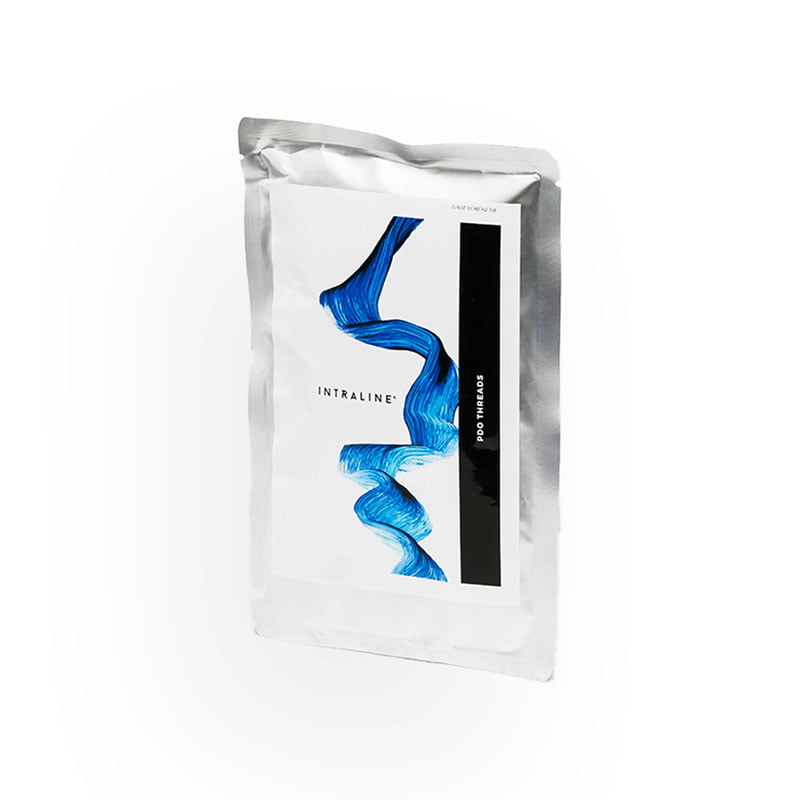
Intraline® Mono 29G 50 70 6-0
Intraline® Mono 29G 50 70 6-0 for Clinic Ordering
Aesthetic Medical Device
$83.00
Description
This page helps clinics assess Intraline® Mono 29G 50 70 6-0 before professional purchasing, with the main ordering requirements, device details, and safety points presented upfront. It is a smooth polydioxanone (PDO) thread used in aesthetic practice for collagen stimulation and skin-rejuvenation-focused treatment plans. This wholesale product page is written for clinics reviewing how to buy the item for practice use and what to verify before it is added to a treatment workflow. For licensed clinics and healthcare professionals.
The SKU is generally identified by a 29G needle, a 50/70 length configuration, and a 6-0 mono thread format. Before procurement, a clinic should confirm staff training, intended use, storage controls, and documentation requirements, because mono threads are technique-dependent and are not interchangeable with every PDO thread design.
How to Order Intraline® Mono for Clinics
Clinic buyers usually start by matching the thread profile to the planned service mix, then checking whether the gauge, length, mono design, and pack format fit existing protocols. This catalog serves licensed clinics and healthcare professionals only, not consumer retail buyers. A purchaser should also verify practitioner training, consent workflow, and whether the intended indication matches the current IFU (instructions for use) before the SKU is added to stock.
For procurement teams comparing adjacent options, the Intraline brand hub and the Threads Hub can help separate mono threads from other PDO formats. In practice, good selection decisions center on tissue goals, needle control, expected downtime, and whether the clinic wants diffuse collagen support rather than a stronger mechanical lift.
Product Overview and Indications
Intraline mono threads are smooth absorbable filaments designed for minimally invasive aesthetic procedures. Compared with cog or screw patterns, a mono thread is usually selected when the objective is subtle support, textural improvement, and a collagen-stimulating response rather than aggressive tissue repositioning. This distinction matters for consultation, treatment planning, and post-procedure expectation setting.
Intraline® Mono 29G 50 70 6-0 is generally reviewed for rejuvenation-focused protocols in areas where a fine, smooth PDO thread may be appropriate under the product labeling and clinician judgment. Clinics often use mono threads as part of broader skin quality programs, alongside other services discussed in the site’s Threads Guides. The exact role depends on anatomy, laxity pattern, skin quality, and the practitioner’s training.
Why it matters: Mono threads are usually chosen for collagen support and texture-oriented plans, not for maximum lifting force.
Eligibility and Ordering Requirements
This SKU is suited to professional aesthetic settings that can document business use, qualified operators, and appropriate clinical records. A clinic should expect to validate account details, preserve batch and expiry data, and align procurement with local device rules and internal governance. If injector training is limited to other modalities, introducing PDO threads may require updated protocols, consent language, complication pathways, and supervised onboarding.
Operational readiness matters as much as product selection. Teams expanding service lines may find broader workflow context in Safe Non Invasive Cosmetic Procedures and Non Surgical Aesthetic Treatments, but final use should always follow the product label and local scope-of-practice requirements.
Forms, Strengths, and Packaging
Catalog references for this format may also describe it as Intraline PDO Threads Mono M2950. Intraline® Mono 29G 50 70 6-0 identifies a specific mono PDO configuration rather than a broad family description, so clinics should match every part of the listing to their intended protocol before substitution. Availability can vary by distributor and batch, especially when similar thread names differ only by gauge or length.
| Attribute | Typical listing point | Verification note |
|---|---|---|
| Thread design | Smooth mono PDO thread | Not interchangeable with cog or screw designs |
| Gauge and size | 29G, 6-0 | Confirm the exact labeled configuration |
| Length format | 50/70 mm format commonly listed | Check needle and thread lengths on the current carton |
| Pack presentation | Often listed as 20 sterile threads | Verify the current box count before procurement |
| Sterility | Individually packed, single use | Do not use if the sterile barrier is compromised |
These details matter because even small changes in needle profile or thread length can alter placement feel, treatment mapping, and the practitioner’s preferred technique.
Administration and Use in Practice
Placement should be performed only by trained clinicians using aseptic technique and manufacturer guidance. In routine practice, preparation includes treatment planning, skin assessment, vector or grid marking as applicable, and confirmation that the chosen thread profile matches the treatment goal. Mono threads are often introduced as part of a staged aesthetic plan rather than a one-step correction.
Because tissue depth and entry strategy affect palpability and outcome, clinics should avoid treating this SKU as interchangeable with fillers, microneedling, or energy devices. For teams comparing procedure workflows across modalities, the article on Mesotherapy And Microneedling can help frame where surface-focused approaches differ from thread placement. Patient-specific technique, anesthesia choices, and aftercare instructions should follow clinician judgment and the product documentation.
Storage, Handling, and Clinic Logistics
For clinics stocking Intraline® Mono 29G 50 70 6-0, handling discipline matters as much as product selection. Store each sterile unit in its original packaging under the conditions stated on the carton or device literature, and check seals, lot numbers, and expiry before the pouch is opened. Single-use presentation should remain single use; opened, damaged, or contaminated units should be discarded according to clinic policy.
Quick tip: Record lot and expiry details in the treatment record before opening the sterile pouch.
Good stock control also supports adverse-event review, product tracing, and more reliable purchasing patterns over time. Teams using multiple rejuvenation platforms should keep device-specific handling instructions within easy reach, because broad service trends do not replace the actual storage and sterility requirements on the label.
Contraindications, Warnings, and Monitoring
Before treatment, clinicians should screen for factors that can raise the risk of infection, extrusion, bruising, delayed healing, or unsatisfactory placement. Common concerns include active local infection, inflamed skin, open lesions, significant bleeding risk, impaired wound healing, or a history of problematic scarring. The treating practitioner should also assess whether the patient can follow aftercare instructions and attend review if needed.
- Active infection or dermatitis, especially near entry points
- Bleeding or bruising risk, including relevant medicines and conditions
- Poor healing history, including hypertrophic or keloid scarring
- Recent procedures in the same area, which may change tissue response
- Unrealistic expectations, especially when heavy lift is desired from a mono design
Monitoring during and after placement is important. Marked asymmetry, blanching, unexpected resistance, severe pain, or persistent contour irregularity should prompt immediate reassessment under the clinic’s complication protocol and manufacturer guidance.
Adverse Effects and Safety
Short-term local effects may include erythema, swelling, bruising, tenderness, mild unevenness, and temporary visibility or palpability of the thread track. These reactions are not uncommon after minimally invasive thread procedures and often need clear documentation so follow-up conversations remain objective and consistent.
- More common effects, such as bruising, swelling, and tenderness
- Technique-related issues, including dimpling, asymmetry, or palpable thread lines
- Less common but important events, such as infection, extrusion, migration, or prolonged pain
- Urgent concerns, including suspected vascular or nerve injury, which require immediate assessment
Clinics should distinguish expected early reactions from problems that worsen, persist, or affect function. A structured review plan, documented photography when appropriate, and a low threshold for early reassessment can improve quality control and patient safety.
Drug Interactions and Cautions
This is a device-based treatment, so classic drug interactions are not the main issue. The bigger concern is whether a medicine or recent procedure can increase bleeding, inflammation, infection risk, or delayed recovery. Anticoagulants, antiplatelet therapy, systemic corticosteroids, immunomodulators, and some supplements may all warrant closer pre-procedure review depending on the patient and site being treated.
Caution is also sensible when the same area has recently been treated with filler, chemical peeling, energy-based procedures, or skin-delivery protocols. The guide to Mesotherapy Clinical Uses can help teams think through workflow spacing, but thread placement still needs its own planning, consent, and recovery considerations. Medication review and procedure timing should be assessed by the treating clinician, not by stock choice alone.
Compare With Alternatives
Mono PDO threads fill a specific role. They are usually chosen when the clinic wants a smooth absorbable thread for collagen support and subtle tissue conditioning, rather than stronger anchoring or bulk replacement. Alternative options can be reasonable, but they are not direct substitutes and may require different training, treatment planning, and risk discussions.
| Option | Best fit | Main difference |
|---|---|---|
| Mono PDO thread | Texture and collagen-focused plans | Lower lift profile than barbed designs |
| Cog or screw thread | More structural support or vector lift | Different insertion behavior and complication profile |
| Micronjet | Intradermal delivery workflows | Needle-based delivery device, not a thread implant |
| Fillmed Nanosoft Microneedles | Superficial injectable skin protocols | Microneedle device, not structural PDO support |
When clinics compare these tools, the key question is not which one is broadly better. The useful question is which device matches the intended tissue plane, consultation promise, and practitioner skill set.
Availability and Substitutions
If this exact SKU is unavailable, substitution should be deliberate rather than automatic. A safe substitute needs the same thread family, comparable gauge, length profile, sterility presentation, and instructions on use. Even when names look similar, switching from mono to cog, changing the needle profile, or altering thread length can affect placement technique and the patient experience.
Clinics should also review whether any alternative changes stocking complexity, staff familiarity, consent wording, or aftercare scripts. In aesthetic practice, a small catalog difference can create a meaningful workflow difference.
Prescription, Pricing and Access
Although PDO threads are not typically handled like standard retail items, access is still controlled by professional-use requirements, business verification, and current stock routing. Products are sourced through vetted distributors and verified supply channels for traceable procurement. Quoted amounts can vary by account status, batch availability, pack configuration, and broader market conditions, so product matching is usually more important than headline unit cost alone.
When a clinic assesses Intraline® Mono 29G 50 70 6-0, the practical access questions are straightforward: does the listing match the needed gauge and length, is the sterile presentation clearly described, is batch documentation visible, and does the clinic have the training and records to use the device appropriately. Those checks reduce substitution errors and help keep purchasing aligned with real clinical demand.
Authoritative Sources
For final verification, clinics should rely on the current product carton, sterile pouch labeling, and manufacturer instructions for use supplied with the device. Internal SOPs, complication pathways, and practitioner training records should be checked alongside the label rather than used as a substitute for it.
- Manufacturer instructions for use accompanying the specific SKU
- Current carton and pouch labeling, including batch code and expiration date
- Local device rules and professional standards relevant to thread procedures
These sources are the most reliable way to confirm intended use, storage conditions, and any market-specific restrictions before the product is placed into routine service.
Operational logistics vary by distributor route and product sensitivity, and may include temperature-controlled handling when required and tracked US delivery according to protocol.
This content is for informational purposes only and is not a substitute for professional medical advice.
Frequently Asked Questions
What is Intraline® Mono 29G 50 70 6-0 used for?
It is a smooth PDO thread used in professional aesthetic practice for collagen-stimulation-focused rejuvenation plans and subtle tissue support. Clinics typically assess it for skin quality protocols rather than strong lifting, but the exact role depends on anatomy, indication, training, and the product instructions for use. Because mono threads are technique-dependent, they should be evaluated in the context of the clinic’s procedural workflow, complication plan, and local practitioner-use rules.
How is a mono PDO thread different from cog or screw threads?
Mono threads are smooth and are generally selected for diffuse collagen support, texture-oriented plans, and subtle tightening effects. Cog threads use barbs for stronger mechanical engagement, while screw or twin designs may be chosen for added volume or different tissue behavior. These formats are not interchangeable even when the brand family is similar. A clinic should review thread design, gauge, length, insertion method, and the intended treatment objective before changing from one thread type to another.
Who should not receive this type of thread treatment?
Suitability is determined by the treating clinician. Extra caution or deferral may be appropriate when there is active skin infection, dermatitis, open lesions, impaired wound healing, significant bleeding risk, or recent treatment in the same area. Patients with a history of problematic scarring, marked inflammation, or difficulty following aftercare may also need closer review. Because anatomy and risk factors vary, a pre-procedure assessment should cover skin condition, medication history, prior aesthetic treatments, and whether expectations match what a smooth mono thread can realistically support.
What should a clinic verify before using this thread in practice?
A clinic should confirm the exact SKU details, sterile presentation, lot and expiry information, and whether the listed gauge and length match the intended protocol. It is also important to confirm practitioner training, consent documents, complication pathways, storage controls, and traceability procedures. If the product listing differs from the clinic’s established thread format, the team should review whether the change affects technique, patient communication, or aftercare. Final use decisions should follow the manufacturer instructions for use and local professional requirements.
What should be reviewed with the treating clinician before treatment?
The consultation should cover the treatment goal, whether a mono thread is being used for subtle support or collagen-focused rejuvenation, and what short-term reactions may occur. Medication history, bleeding risk, skin infection, recent procedures in the same area, scarring history, and recovery expectations are also important to review. The clinician should explain how this approach differs from fillers, microneedling, or barbed thread lifting so the treatment plan, expected result, and follow-up process are understood before any procedure.
Specifications
- Main Ingredient: Polydioxanone (Pdo)
- Manufacturer: Intraline
- Drug Class: Medical Device
- Generic Name: Polydioxanone (Pdo) Thread
- Package Contents: 20 pcs
- Storage Requirements: Cool Temperature (2℃~8℃)
- Main Usage:
About the Brand
Intraline
Counted among the cream of the crop in the medical sphere, Intraline is famed for its extensive array of groundbreaking, top-notch products tailored for the health sector. From cutting-edge dermal fillers to industry-leading PDO threads, Intraline has carved out a niche for itself as a credible entity within aesthetic medicine. A major distinguishing factor for Intraline lies in its unwavering dedication to delivering safe and result-oriented solutions for both health practitioners and patients. We, at medwholesalesupplies.com, take pride in featuring Intraline products for sale. Our digital platform is crafted to simplify the procurement process, providing a convenient shopping experience for medical professionals. Be it dermal fillers or PDO threads you're in search of, you can confidently rely on our platform to bring you the finest Intraline products, competitively priced. Thanks to our secure payment gateway and dependable shipping options, we offer you the peace of mind that comes with knowing you're investing wisely in the finest products for your practice. Shopping for Intraline products via medwholesalesupplies.com presents numerous advantages. First off, you're guaranteed authentic Intraline products, directly sourced from the manufacturer, attesting to their quality and safety. Furthermore, our compelling prices coupled with bulk buying options equate to significant cost savings while ensuring a consistent inventory of Intraline products for your practice. With our speedy, trusted shipping methods, you can comfortably expect to receive your Intraline items promptly. Choose medwholesalesupplies.com, your trusted source for premier Intraline solutions tailored to your health requirements.
Browse Intraline Products
Here to help
Questions about ordering, delivery or products? You can email our team here or call now at 1-800-630-9757 and be connected with your dedicated Account Manager
Related Products
$116.00 - $119.00
$96.00
Select options
This product has multiple variants. The options may be chosen on the product page
$66.00
Select options
This product has multiple variants. The options may be chosen on the product page
$120.00 - $123.00
Related Articles
How Long Does Chin Filler Last for Clinic Counseling
Key Takeaways Duration varies: how long does chin filler last depends on product, anatomy, and…
Does Semaglutide Need To Be Refrigerated for Clinics
Key Takeaways Check the label: Storage limits vary by product and presentation. Control excursions: Track…
Topical Numbing Cream for Microneedling: Clinic Guide
Key Takeaways Match product to procedure: formulation, occlusion, and surface area change risk. Prioritize labeling…
Dysport Aftercare: Clinic Checklists for Safe Follow-Up
Key Takeaways Dysport aftercare is mainly about consistency: reduce avoidable bruising, limit mechanical pressure, and…
How Long Does It Take To See Results From Botox Timeline
Key Takeaways Onset varies: early change can appear in days. Peak assessment: many clinics reassess…
What Are The Layers Of The Epidermis: Clinician Guide
Key Takeaways Clinicians often ask, what are the layers of the epidermis, when reviewing barrier…
What Not To Do Before Botox: Clinic Pre-Treatment Checklist
Key Takeaways Screen for infection, neuromuscular history, and prior toxin exposure. Standardize medication and supplement…
How Long Does Filler Last Under Eyes: A Clinic-Focused Guide
Key Takeaways Duration varies: Product, anatomy, and placement factors interact. “Settling” is multifactorial: Edema, product…