

- You must be logged in to add items to the cart.
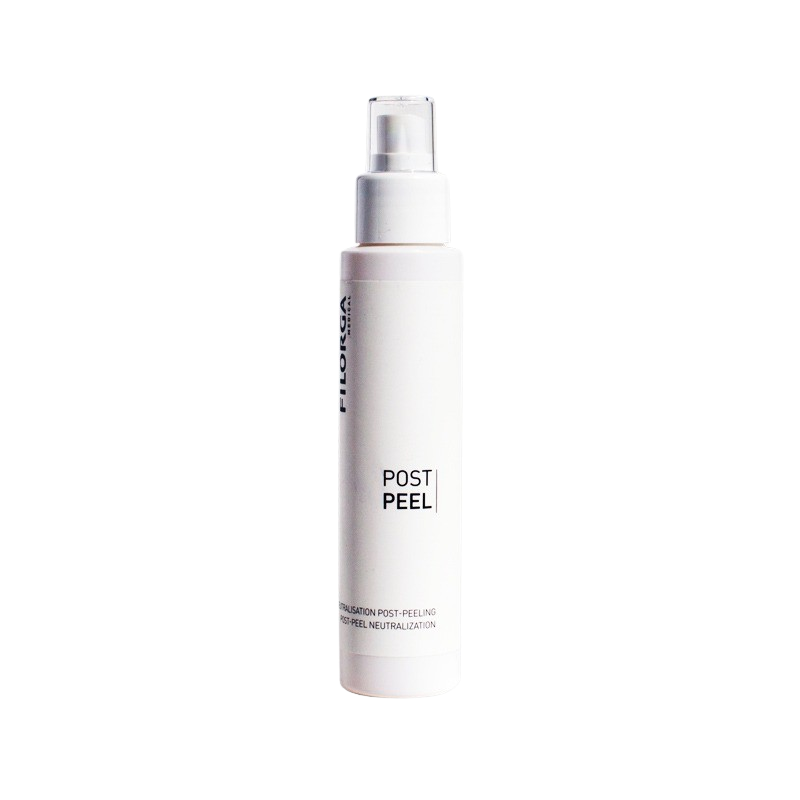
Filorga® Post Peel
Order Filorga® Post Peel Online for Clinics
Post-Peel Treatment Product
$49.00
You save (%)
Description
Filorga® Post Peel is a professional post-peel solution used after chemical exfoliation services in licensed aesthetic and medical clinics. Clinics can order Filorga Post Peel online in the 100 mL spray dispenser bottle and place it within the close-out step of a peel protocol. The format supports treatment-room handling, consistent staff workflow, and practical inventory control for peel menus.
Filorga Post Peel helps comfort the treated surface after a chemical peel and supports the transition from active exfoliation to finishing care. It is commonly used after peel removal or neutralization according to the clinic’s written sequence. MedWholesaleSupplies serves licensed clinical accounts with brand-name medical aesthetic products sourced through vetted distributors and verified supply channels.
Filorga Post Peel Price and Clinic Ordering Factors
Filorga Post Peel price should be evaluated against the 100 mL spray dispenser presentation, planned room use, and the quantity needed for your schedule. For a clinic purchasing team, the most useful cost comparison is not only the bottle cost. It is whether the bottle size, dispenser style, and expected use rate fit the number of peel appointments performed across treatment rooms.
When you buy Filorga Post Peel online for a clinic, align the order with your peel protocol, room-stock plan, and receiving process. Keep SKU 88011 with purchasing records if your practice uses item-level inventory logs. That makes reorders easier when product names vary across invoices, training files, and older protocol binders.
| Ordering factor | What to verify | Clinic value |
|---|---|---|
| Presentation | 100 mL spray dispenser bottle | Matches staff training and treatment-cart setup. |
| Quantity | Unit count for active peel rooms | Helps prevent overstocking or treatment-day gaps. |
| SKU | 88011 in purchase and stock logs | Supports cleaner reordering and receipt checks. |
| Documentation | Lot, expiration, and carton condition | Supports professional inventory traceability. |
Quick tip: Store the SKU, bottle size, protocol name, and room location together in one purchasing note.
How Clinics Use the 100 mL Spray Dispenser Bottle
Filorga Post Peel 100ml is supplied as a spray dispenser bottle for controlled use at the treatment cart or tray. Staff can dispense the solution onto clinic-approved gauze or cotton pads without decanting into open containers. This helps reduce variation between providers and keeps the post-peel step easier to standardize during busy appointment blocks.
The product is used after the active peel phase, not as a replacement for the peel itself or for provider assessment. In clinic language, it may be called a Filorga Post Peel neutralizer, post peel neutralizer, chemical peel neutralizer, or post peel pH neutralizer. The practical point is to place it exactly where the supervising clinician has positioned it within the peel system.
- Bottle size: 100 mL presentation for clinic back-bar planning.
- Dispenser type: spray-style bottle for measured handling.
- Workflow role: post-peel finishing step after peel removal or neutralization.
- Receiving checks: product name, lot, expiration, and packaging condition.
- Stock control: first-expiry, first-out rotation for seasonal peel demand.
Product naming can vary by supplier document and training material. Some teams may recognize Fillmed Filorga Post Peel, Fillmed Post Peel, or Fillmed Post Peel 100ml in relation to the same professional post-peel category. Receiving staff should still match the physical label, bottle size, and SKU before placing the bottle into active room stock.
Role in Professional Chemical Peel Protocols
Post-peel skin often needs a structured transition from exfoliation to calming, hydration, and barrier-support steps. Filorga Post Peel is used in that transition to help soothe the treated surface and support post-peel pH balance. It belongs in the clinic sequence defined by the peel protocol, rather than being applied by habit or preference alone.
The preparation includes hyaluronic acid, a moisture-binding ingredient commonly used to support surface hydration. Current product information also identifies vitamins and minerals that help condition the treated area after resurfacing steps. These ingredients support post peel care for clinics, but they do not replace skin assessment, treatment documentation, or written aftercare instructions.
For clinics building a complete Filorga professional peel workflow, the post-peel solution should be planned alongside the preparation and active peel stages. Filorga Pre Peel can be reviewed for pre-treatment preparation, while Filorga Bright Peel for normal skin and Filorga Time Peel for normal skin may be relevant to protocol discussions. Each product should be used according to the supervising clinician’s sequence and training materials.
Treatment-Room Workflow and Staff Standardization
In daily use, teams usually stage Filorga Post Peel after peel removal supplies and before finishing hydrators, masks, or sunscreen. The bottle should be close enough for a smooth transition, but separated from products used before the peel step. This reduces confusion when multiple topical products are set out during a treatment.
- Prepare clean gauze, cotton pads, or another clinic-approved applicator.
- Complete peel removal or neutralization as required by the protocol.
- Dispense only the amount needed for the treated surface.
- Apply according to the clinic sequence for face, neck, or localized zones.
- Pause to assess visible response before moving to finishing products.
Standardizing this step helps newer providers follow the same close-out process as experienced staff. It also supports more consistent photography, exit counseling, and chart notes after chemical peel services. For multi-room practices, a defined cart location can reduce delays during back-to-back appointments.
Clinics comparing broader peel workflows can browse professional peels and masks for adjacent products. For training discussions around chemical exfoliation, chemical peel procedure considerations may help staff frame general resurfacing concepts without replacing product labeling or clinic SOPs.
Safety, Tolerability, and Protocol Controls
Post-peel skin can be reactive even when the service is performed correctly. Temporary redness, tightness, itching, stinging, or irritation may occur after chemical exfoliation and finishing products. Staff should evaluate these responses in the context of the peel used, treatment depth, patient history, recent procedures, and observed skin condition.
Escalation rules should be clear before the service starts. Prolonged burning, swelling, unusual discomfort, or a response outside the expected range should prompt clinician assessment. Sensitive areas such as the eyes and mucous membranes should be avoided unless the written protocol specifically addresses them.
- Expected reactivity: flushing, tightness, stinging, or itching may occur.
- Escalation cues: prolonged burning, swelling, or unusual discomfort need clinical review.
- Layered procedures: combined acids or multiple resurfacing steps may require extra observation.
- Barrier concerns: recent irritation or compromised skin may change the treatment plan.
- Aftercare handoff: finishing products should align with written recovery instructions.
Why it matters: Consistent monitoring helps separate expected post-peel flushing from reactions that require clinician review.
External procedure references from professional societies describe chemical peels as controlled exfoliation procedures that can cause temporary redness, scaling, irritation, and sensitivity. Clinic protocols should define when to pause, rinse, extend soothing steps, or stop a service based on the individual response. Filorga Post Peel supports the finishing phase, but it does not replace clinical judgment or emergency procedures.
Storage, Handling, and Receiving
Store Filorga Post Peel according to the manufacturer label and your clinic inventory SOP. Keep the bottle sealed until it is placed into active use, and avoid transferring contents into unlabelled containers. Dispenser bottles should be kept clean, closed between uses, and separated from pre-peel products to reduce handling errors.
On receipt, compare the product name, 100 mL bottle size, SKU 88011, lot number, expiration date, and carton condition against the packing record. Where handling conditions apply, temperature-controlled handling when required and tracked US delivery can support a cleaner receiving record. Do not place products with unclear labels, damaged packaging, or missing lot information into treatment rooms until the purchasing lead resolves the issue.
Inventory rotation is especially helpful for clinics with seasonal peel demand. Use first-expiry, first-out stock control, and record opened bottles according to internal policy. These steps help maintain dependable Filorga Post Peel clinic supply without relying on informal cart notes or memory between providers.
Pairing With Peel Menus and Post-Service Skincare
Filorga Post Peel usually sits after the active peel and before barrier support, hydration, or sunscreen steps. The best cream for post peel use depends on the peel performed, the treated area, and the clinic’s aftercare protocol. Post-peel creams or recovery products should be chosen by the clinical lead so they match the exfoliation system, patient handoff instructions, and expected recovery window.
For compatible finishing and retail-support discussions, browse professional skincare products. Clinics developing pigment-focused peel workflows can also review chemical peels for hyperpigmentation for general planning considerations. These resources can support menu development, but the manufacturer label and local SOP remain the controlling references for product use.
Alternatives should not be treated as automatically interchangeable. A different post chemical peel solution may vary by pH role, texture, intended sequence, or compatibility with finishing products. Before switching from Filorga Post Peel wholesale supply to another post-peel product, review staff training, consent materials, aftercare instructions, and charting templates.
Filorga Professional Peel Line Context
Filorga is recognized in professional aesthetic skincare and peel systems, but brand positioning does not determine whether a product fits your clinic. The practical decision is whether the product’s role, bottle format, staff training needs, and documentation requirements match the services being performed. A premium or high-end reputation should never replace protocol review.
Questions such as whether Filorga products “work” should be reframed in professional terms. Clinics should evaluate labeled purpose, protocol fit, staff competency, patient selection, tolerability monitoring, and consistency of results documentation. For Filorga Post Peel, the relevant use is its role after chemical exfoliation, not broad claims about the entire brand.
Teams comparing adjacent Filorga products may browse the Filorga professional product range. For additional peel-planning context, the Filorga Bright Peel planning article can help protocol teams think through menu positioning and documentation needs.
Ingredients and Label Review
The preparation is built around hydration support and surface conditioning after chemical exfoliation. Current product information identifies hyaluronic acid plus a vitamin and mineral combination. The manufacturer label remains the controlling source for the complete ingredient list, storage directions, precautions, and any use limitations.
- Hyaluronic acid: supports moisture binding on the skin surface.
- Vitamins: help condition the treated surface after exfoliation.
- Minerals: complement the post-peel finishing phase.
- Label review: final composition and handling directions should be checked before clinical use.
If your practice uses both Filorga and Fillmed naming in older training materials, standardize terminology in purchasing notes. That reduces confusion between the post-peel solution, active peel, and finishing hydrator used afterward. It also helps staff document the correct product when more than one peel line is stocked.
Authoritative Sources
Professional procedure reference: ASDS chemical peels overview.
Use authoritative procedure references alongside the manufacturer label, clinic SOPs, and provider training materials. External references can support general safety awareness, while the product label and supervising clinician define how Filorga Post Peel fits into your treatment workflow.
This content is for informational purposes only and is not a substitute for professional medical advice.
Frequently Asked Questions
What is Filorga Post Peel used for after a chemical peel?
Filorga Post Peel is used in professional peel workflows after the active exfoliation step. It helps comfort the treated surface, supports post-peel pH balance, and provides a standardized finishing step for trained clinic staff.
What size is Filorga Post Peel supplied in?
The product is supplied as a 100 mL spray dispenser bottle. Clinics should match the bottle size and SKU 88011 to purchase records, protocol sheets, and treatment-room stock logs.
Can Filorga Post Peel replace another chemical peel neutralizer?
Do not treat post-peel products as automatically interchangeable. A different neutralizer or finishing solution may have a different pH role, texture, sequence, or compatibility profile, so the clinical lead should approve any substitution.
How should clinics store and receive Filorga Post Peel?
Store the bottle according to the manufacturer label and clinic inventory SOP. On receipt, verify the product name, 100 mL presentation, lot number, expiration date, and packaging condition before placing it into treatment-room use.
Is Fillmed Post Peel the same naming clinics may see for this product category?
Some purchasing or training materials may use Fillmed Filorga Post Peel or Fillmed Post Peel naming. Receiving teams should still rely on the physical label, bottle size, SKU, and current order record before stocking the product.
Specifications
- Main Ingredient: Hyaluronic Acid And Various Vitamins And Minerals
- Manufacturer: Filorga Laboratories, France.
- Drug Class: Skincare Product
- Generic Name: Hyaluronic acid
- Package Contents: 100ML Spray Dispenser Bottle
- Storage Requirements: Room Temperature (2℃~25℃)
- Main Usage:
About the Brand
Filorga
Filorga is an acclaimed brand rooted in medical expertise, specializing in the development of pioneering skincare and aesthetic medicine treatments. Utilizing their years of industry experience, they have created an array of superior products designed to address the signs of aging and enhance the overall health and aesthetics of your skin. Their reliable and effective products have garnered popularity among medical practitioners and skincare enthusiasts seeking advanced solutions. To enhance accessibility, their exceptional range is now available for purchase via our online platform, medwholesalesupplies.com. This provides the ultimate convenience for medical practitioners and skincare lovers alike, enabling them to order Filorga products directly from their homes or workplaces. Our platform offers an extensive selection of Filorga products at competitive prices, making it easy for customers to find their desired product and receive it promptly. Patronizing Filorga products on medwholesalesupplies.com also gives customers access to our top-tier customer service commitment. We are passionate about ensuring our customers have the best shopping experience with us. We provide a smooth online shopping experience, secure payment methods, and dependable delivery services. Plus, our customer service team is always on hand to address any inquiries or concerns, ensuring our customers are completely satisfied with their Filorga purchases.
Browse Filorga Products
Here to help
Questions about ordering, delivery or products? You can email our team here or call now at 1-800-630-9757 and be connected with your dedicated Account Manager
Related Products
JALUPRO® PLUS 4ML
Skin Rejuvenation Treatment
$86.00 - $89.00
You save (%)
You save (%)
$339.00
You save (%)
You save (%)
Select options
This product has multiple variants. The options may be chosen on the product page
Juvéderm® SKINVIVE
Dermal Filler
$339.00 - $359.00
You save (%)
You save (%)
$86.00 - $119.00
You save (%)
You save (%)
Related Articles
Biostimulators in Aesthetic Care: Selection and Safety
Biostimulators are injectable aesthetic products used to encourage a controlled tissue response, often involving new…
Do You Ovulate on an IUD? Clinic Counseling Points
Clinicians hear the shorthand question do you ovulate on iud, but the practical answer depends…
Vascular Occlusion: Early Signs, Risks, and Clinic Response
A vascular occlusion is a partial or complete blockage of blood flow in a vessel.…
Wrinkles Around the Mouth: Causes and Treatment Options
Wrinkles around the mouth can be softened, not always permanently erased, by matching the line…
Are Knee Gel Injections Painful? Counseling and Safety
Most patients do not describe knee gel injections as severely painful. Clinic teams should set…
Hooded Eyes From Botox: Ptosis Risk and Clinic Response
Hooded eyes from Botox usually reflect temporary upper-face muscle imbalance, not a single diagnosis. The…
Wegovy Alternative Options for Obesity Care Workflows
A wegovy alternative is not one single substitute. It may be another prescription anti-obesity medication,…
FDA-Approved Dermal Fillers: Safety and Clinic Use
FDA-approved dermal fillers are soft tissue filler products that the U.S. Food and Drug Administration…