
- You must be logged in to add items to the cart.
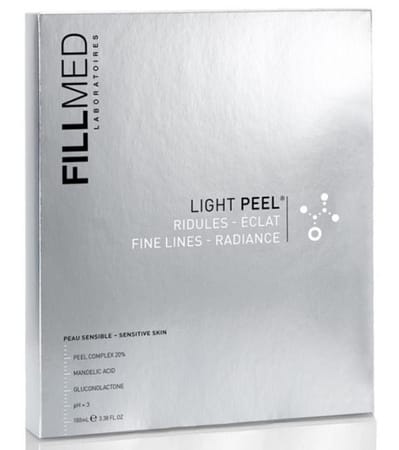
FILLMED® LIGHT PEEL (Sensitive Skin)
Order FILLMED® Light Peel for Clinics
Dermal Filler
$119.00
You save
Description
FILLMED® Light Peel (Sensitive Skin) is a professional superficial chemical peel for topical application by licensed providers. Licensed clinics, med spas, dermatology offices, and healthcare professionals can order it for treatment-room use when a gentle peel pathway is needed for delicate or reactive complexions. The formula is designed around controlled surface exfoliation, with gluconolactone and a low clinic-calibrated level of glycolic acid at approximately pH 3.0. Clinics use FILLMED® Light Peel sensitive skin protocols when they want a conservative entry point for surface renewal. The peel can support smoother texture and a more even-looking tone while limiting the aggressive visible shedding associated with stronger resurfacing programs. It belongs in professional workflows that include skin assessment, supervised application, neutralization or post-peel care as directed by protocol, and clear aftercare instructions.
Clinic Ordering, Price, and Account Access
FILLMED® Light Peel (Sensitive Skin) is intended for professional clinic purchasing rather than unsupervised home use. Verified clinical accounts can view the current FILLMED® Light Peel sensitive skin price, request account-specific quotes, and coordinate purchasing for one or multiple locations. Reference SKU 87797 when reconciling internal inventory or communicating with your purchasing team. Pricing may depend on account status, order size, and any contract arrangements attached to your clinic profile. Sign in to your professional account to view current cost information and confirm product specifications before adding it to your treatment-room inventory. If you manage centralized buying, standardizing product names in your catalog as FILLMED® Light Peel (Sensitive Skin) can help prevent mix-ups with stronger or differently targeted peel options. Med Wholesale Supplies serves licensed clinics and healthcare professionals with brand-name medical products sourced through vetted distributors and verified supply channels. For broader aesthetic purchasing, your team can browse the Peels and Masks category alongside this peel to plan procedure trays, maintenance programs, and comparable resurfacing options.
Professional Use for Sensitive Skin Peel Protocols
This preparation fits superficial peel pathways where comfort, control, and barrier respect are central to the service plan. A superficial peel works on the outer skin layers, helping loosen dull surface cells without the deeper injury profile of medium or deep peels. For patients who report stinging, redness, or prolonged irritation with stronger acids, a light chemical peel for sensitive skin may be a more cautious starting point under trained supervision. Clinics commonly position this peel as an introductory resurfacing session, a maintenance step between more intensive services, or a tolerance-assessment choice before advancing to a stronger formula. Staff should evaluate visible irritation, recent procedures, topical product use, Fitzpatrick skin type considerations, and contraindication history before proceeding. The product is not a substitute for individualized clinical assessment, and providers should follow the manufacturer protocol and their clinic’s written standards. Within a professional peel menu, FILLMED® Light Peel for sensitive skin can help create a clear ladder: gentle resurfacing for reactive complexions, normal-skin peels for more resilient patients, and brightness-oriented options for tone-focused treatment plans. Clinics that maintain a dedicated FILLMED® workflow may also review the full FILLMED® professional range when aligning backbar products and staff training materials.
How the Formula Works
The peel combines gluconolactone, a polyhydroxy acid, with glycolic acid in a low clinic-calibrated concentration. Gluconolactone provides mild keratolytic activity and water-binding support, which is useful when a clinic wants exfoliation without a harsh peel profile. Glycolic acid complements that action by encouraging surface renewal and improving the appearance of texture when applied appropriately. The formulation operates at approximately pH 3.0. In peel practice, pH influences acid activity and handling characteristics, so staff should avoid treating the number as interchangeable with another product’s concentration. Two peels with similar acid names can behave differently depending on concentration, pH, vehicle, application time, skin preparation, and neutralization steps. Because this is a FILLMED® chemical peel sensitive skin formula, the practical goal is measured exfoliation rather than dramatic peeling. Clinics should explain that visible flaking can vary and that a mild peel does not need to produce heavy shedding to fit its intended role. Consistent assessment and conservative timing are especially important for reactive or compromised barriers.
Key Features for Treatment Rooms
- Sensitive-skin focus for delicate or easily irritated complexions.
- Superficial action designed for mild, controlled surface exfoliation.
- Dual-acid profile using gluconolactone and glycolic acid.
- Approximate pH of 3.0 to support predictable professional handling.
- Suitable for clinic-only topical application by trained staff.
- Useful as an entry-level or maintenance peel in aesthetic programs.
- Compatible with structured pre-peel and post-peel routines.
- Manufacturer labeling includes lot and expiry details for traceability.
Quick tip: Keep sensitivity-tier peels physically separated from stronger formulas in your backbar area to reduce selection errors.
Pre-Peel, Application, and Post-Peel Workflow
A consistent workflow helps clinics deliver predictable sessions across multiple operators. Many teams start with a gentle cleanse, document skin condition, protect sensitive areas as their protocol requires, and apply a preparation step before the peel. The product should be used only by trained professionals who understand peel timing, endpoint monitoring, neutralization needs, and post-procedure barrier support. For FILLMED®-aligned trays, clinics may pair this product with FILLMED® Pre Peel Solution before application and FILLMED® Post Peel Spray after the session. These adjacent products can help standardize the steps staff use before and after resurfacing services, especially when several providers share one peel menu. After treatment, clinics typically reinforce gentle cleansing, hydration, sun avoidance measures, and avoidance of irritating actives according to their protocol. Post-peel advice should match the patient’s barrier condition and the intensity of the service performed. If your clinic is building a broader pre- and post-procedure routine, the Skincare category can support backbar planning beyond peel products alone.
Composition and Ingredient Notes
| Component | Clinic relevance |
|---|---|
| Gluconolactone | A polyhydroxy acid used for mild exfoliating action and water-binding support. |
| Glycolic acid | An alpha hydroxy acid included at a low clinic-calibrated level to support surface renewal. |
| Approximate pH 3.0 | Helps define handling characteristics and should be considered alongside protocol timing. |
Ingredient knowledge matters because sensitive skin services depend on more than the name of the acid. Staff should consider recent retinoid use, barrier impairment, active irritation, photosensitivity concerns, and previous peel response before treatment. A patient who tolerated one mild acid product may still react to another if the formulation, timing, or skin condition differs. Clinics should store and handle the peel according to manufacturer labeling and their internal quality procedures. Keep containers closed when not in use, track lot and expiry details, and avoid transferring product into unlabelled containers. If temperature-sensitive handling is required for an order, we use temperature-controlled handling when required and tracked US delivery.
Benefits in Professional Practice
FILLMED® Light Peel professional peel protocols can help clinics serve patients who are not ideal candidates for aggressive resurfacing. It gives staff a measured way to introduce chemical exfoliation while watching tolerance closely. This is particularly useful for aesthetic practices that want a peel tier for delicate complexions without removing stronger formulas from the menu. The peel also supports maintenance scheduling. Providers may place light sessions between more intensive treatments when the clinical goal is to maintain a smoother-looking surface and reduce buildup of dull outer cells. Because the formula is designed for professional use, clinics can integrate it into charted protocols, consent discussions, staff training, and post-treatment communication. For business operations, a dedicated sensitive-skin peel can simplify service matching. Instead of using a standard peel at a reduced exposure time without a clear sensitivity tier, teams can select a formula intended for cautious resurfacing. That distinction helps front-desk staff, providers, and inventory managers communicate more precisely.
Safety, Contraindication Screening, and Monitoring
Chemical peels can cause temporary redness, stinging, warmth, dryness, tightness, flaking, or sensitivity. Even light peels can irritate compromised skin, especially when combined with recent exfoliants, retinoids, procedures, or sun exposure. Clinics should screen for active infection, open lesions, significant inflammation, recent aggressive resurfacing, allergy concerns, and any history that would make an acid peel inappropriate. Professional monitoring should focus on comfort, visible erythema, unexpected whitening, excessive burning, or other endpoints defined by the clinic protocol. Staff should stop or neutralize according to their written procedure if the response is stronger than expected. Patients should receive clear instructions on what reactions are expected and when to contact the clinic for worsening pain, blistering, persistent swelling, or signs of infection. This product should not be treated as a general skincare retail item. It belongs in licensed professional settings with trained staff, appropriate personal protective equipment, labeled storage, and documented protocols. When in doubt, use a more conservative plan, delay treatment until the barrier is stable, or refer the patient for clinician evaluation.
Packaging, Traceability, and Inventory Planning
The product is supplied for professional environments with labeling suitable for backbar storage and treatment rooms. Manufacturer packaging provides lot and expiry details that support traceability within your clinic’s quality system. Documenting these details is useful for procedure logs, product rotation, recall readiness, and internal audits. Inventory planning should reflect expected peel volume, staff training schedules, and seasonal treatment demand. Many clinics see peel interest shift around sun exposure patterns, event calendars, and maintenance-program timing. Ordering before a planned campaign or staff training block can help keep protocol launches consistent across rooms. Do not rely on expired product or containers with unclear labeling. Keep FILLMED® Light Peel (Sensitive Skin) distinct from normal-skin or brightening peels so providers can choose the correct formula quickly. A simple shelf label with the product name, sensitivity tier, and SKU 87797 can reduce setup friction during busy clinic days.
Comparable FILLMED® and Peel Options
Clinics that offer multiple peel intensities often need adjacent products for different skin profiles. For normal skin types where a similar resurfacing pathway is appropriate, FILLMED® Time Peel Normal Skin may fit a separate tier within the same professional line. For uneven tone concerns in more resilient skin, FILLMED® Bright Peel Normal Skin can support a brightness-oriented menu. Some clinics may encounter different product names in older supplier documents or regional catalogs. If your purchasing team compares labels, FILLMED® Bright Peel Normal Skin may be useful to review alongside the other FILLMED® peel products. Selection should remain protocol-led rather than name-led, with staff confirming the actual product, intended skin type, and handling instructions before treatment. For service design, internal education can help teams position light peels responsibly. Articles on chemical peels in anti-aging programs and chemical peel planning for hyperpigmentation may support broader menu discussions, while product decisions should still follow professional assessment and manufacturer guidance.
Authoritative Sources
Ready to add this sensitive-skin peel to your professional inventory? Sign in to view account pricing, confirm current ordering details, and align supplies with your clinic protocol. This content is for informational purposes only and is not a substitute for professional medical advice.
Frequently Asked Questions
Who should order FILLMED® Light Peel (Sensitive Skin)?
This peel is intended for licensed clinics, med spas, dermatology practices, and healthcare professionals using professional chemical peel protocols. It is not intended for unsupervised home application.
What makes this peel suitable for sensitive skin workflows?
It is a superficial peel formulated with gluconolactone and a low clinic-calibrated level of glycolic acid at approximately pH 3.0. Clinics use it when they need controlled exfoliation for delicate or reactive complexions.
Can this product be used with FILLMED® pre- and post-peel products?
Yes, clinics often build protocols around dedicated preparation and recovery steps such as FILLMED® Pre Peel Solution and FILLMED® Post Peel Spray. Staff should follow the manufacturer protocol and the clinic’s written procedure.
How should clinics manage safety before using this peel?
Providers should assess skin condition, recent procedures, topical active use, irritation history, and contraindication concerns before treatment. Application should be supervised by trained staff with clear endpoint monitoring and post-peel instructions.
How can clinics view FILLMED® Light Peel sensitive skin price?
Verified professional accounts can sign in to view current account pricing and request quotes. Pricing may vary by account status, order size, and purchasing arrangements.
Specifications
- Main Ingredient:
- Manufacturer: Fillmed Laboratories, France.
- Drug Class: Dermal Filler
- Generic Name: Gluconolactone
- Package Contents: 100 mL x 1 Bottle
- Storage Requirements: Store at 2-25°C
- Main Usage:
About the Brand
Fillmed
Fillmed is a prestigious medical brand distinguished for supplying a broad spectrum of superior-quality products crafted exclusively for an array of cosmetic and aesthetic treatments. Offerings from Fillmed range from dermal fillers to skincare products and peels, earning the brand a reliable reputation among global medical practitioners. At medwholesalesupplies.com, we provide a seamless and dependable platform for procuring Fillmed products online. Our website features a secure and easy-to-navigate interface that enables medical professionals to sift through and purchase Fillmed products with a few simple clicks. Procuring from our platform allows professionals to access the latest Fillmed products while enjoying convenient home delivery. One primary reason for choosing Fillmed via medwholesalesupplies.com is the expansive variety of Fillmed products available. We house an exhaustive collection of Fillmed offerings, including in-demand dermal fillers such as Fillmed NCTF 135HA and the Fillmed Art Filler line. With an array of options at hand, professionals can identify the perfect Fillmed product aligning with their specific needs. Moreover, our platform provides comprehensive product details, including components, application instructions and specs, empowering professionals to make knowledgeable decisions when selecting the appropriate Fillmed product for their clientele. An additional benefit of acquiring Fillmed from medwholesalesupplies.com is the guarantee of product authenticity and excellence. We secure our Fillmed inventory directly from authorized makers and distributors, confirming their genuineness and conformity to the most rigorous quality and safety benchmarks. Our stringent quality assurance practices and adherence to industry norms ensure that professionals can rely on the Fillmed products procured from our platform. With a credible and dependable source like medwholesalesupplies.com, professionals can confidently incorporate Fillmed into their regime, providing their clientele with exceptional care and outcomes.
Browse Fillmed Products
Here to help
Questions about ordering, delivery or products? You can email our team here or call now at 1-800-630-9757 and be connected with your dedicated Account Manager
Related Products
Evenity® (English Alternative)
Injectable Medication
$1,229.00 - $1,299.00
You save
You save
Intraline® For Men
Dermal Filler
$59.00 - $79.00
You save
You save
RejuvaNAD+ Pro
Injectable Medication
$237.00 - $249.00
You save
You save
Teosyal® RHA 4
Aesthetic Surgery Product
$259.00 - $279.00
You save
You save
Related Articles
Prednisone in Clinical Care: Uses, Risks, and Monitoring
Prednisone is a prescription systemic corticosteroid used to reduce inflammation or suppress immune activity in…
Lip Fillers Swelling Stages: Timeline, Safety, and Follow-Up
Lip fillers swelling stages usually follow a short inflammatory course: swelling appears soon after injection,…
Hypopigmentation of the Skin: Assessment and Care
Hypopigmentation of the skin means one or more areas look lighter than the surrounding skin.…
Radiesse vs Sculptra: Selection Factors for Clinics
Radiesse vs Sculptra is best understood as a comparison between two collagen-stimulating injectables with different…
Hyaluronic Acid Under-Eye Filler: Safety and Workflow
Hyaluronic acid under-eye filler is an injectable soft-tissue filler used by trained aesthetic clinicians to…
Dermal Filler Types: Materials, Uses, and Clinic Fit
Dermal filler types are usually grouped by their base material, tissue behavior, and expected role…
What Is Dysport? Clinical Uses, Safety, and Workflow
For clinic teams asking what is Dysport, the short answer is simple: Dysport is a…
Biostimulators in Aesthetic Care: Selection and Safety
Biostimulators are injectable aesthetic products used to encourage a controlled tissue response, often involving new…