

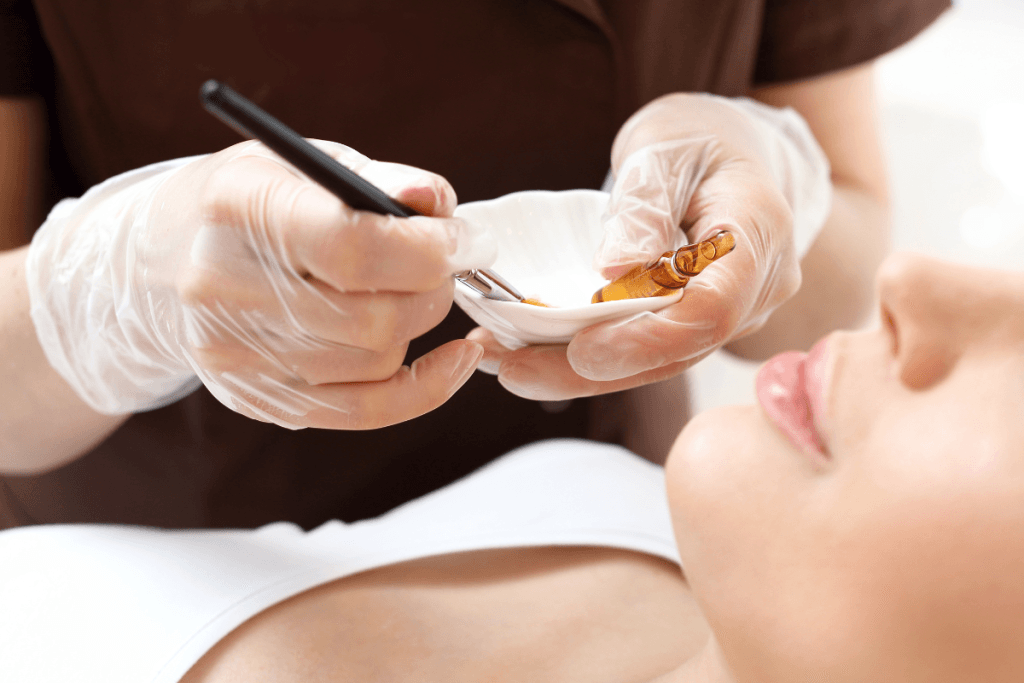
Retises CT Yellow Peel is a professional retinoid-based peel concept used in clinic settings for resurfacing workflows that address dull texture, uneven tone, and visible signs of photoaging. For treatment planning, the main task is not only choosing the peel. Clinics also need a repeatable process for screening, consent language, aftercare, documentation, and product traceability before scheduling patients.
This article keeps the discussion operational and conservative. It does not replace the manufacturer’s directions, your medical director’s protocols, or local scope-of-practice rules. Use it as a planning framework for licensed healthcare settings.
Key Takeaways
- Define the category before counseling patients.
- Screen for retinoid sensitivity and pigment risk.
- Set recovery expectations without promising timelines.
- Document baseline skin status and aftercare comprehension.
- Build sourcing records around lot and expiry traceability.
Where Retises CT Yellow Peel Fits in Clinic Services
Retises CT Yellow Peel fits best as a professionally supervised resurfacing option, not as a casual cosmetic add-on. Yellow peels are usually discussed as retinoid peel systems because they support surface-cell turnover and visible shedding. In practical terms, they sit between daily topical retinoids and more intensive resurfacing procedures.
Clinics often consider this category for patients seeking improvement in the appearance of rough texture, uneven tone, dullness, or post-acne discoloration. Those goals still require careful framing. Results vary by baseline skin condition, protocol, adherence, and pigment response. Avoid language that guarantees brightening, wrinkle reduction, or scar correction.
For product context only, your team can compare the listed format for Retises CT Yellow Peel 6 Ampoules with the peel formats already used in your practice. Keep that review separate from clinical decision-making and always defer to the labeled directions and internal protocols.
Why it matters: Clear service positioning reduces mismatched expectations before consent is signed.
MedWholesaleSupplies serves licensed clinics and healthcare professionals, so access and product review should remain clinic-facing rather than consumer-directed.
How a Yellow Retinoid Peel Works
A yellow retinoid peel works by encouraging epidermal turnover, which means the upper skin layers shed more actively than usual. Retinoids are vitamin A derivatives or related compounds that influence keratinocyte behavior. Keratinocytes are the main cells in the epidermis, the skin’s outer layer.
With a professionally applied peel, the visible response may include tightness, dryness, erythema (redness), and desquamation (visible shedding). These reactions can look dramatic to patients even when they are expected. That is why pre-treatment counseling should explain both the mechanism and the recovery experience in plain language.
Patients may ask whether a yellow peel is the same as retinol cream. It is not a simple comparison. Daily retinol products are usually lower-intensity cosmetic leave-on products. Professional peel systems use clinic-controlled application steps and a defined aftercare plan. If patients use terms such as yellow peel oil, yellow peeling serum, or retinol peel, staff should translate those terms into accurate clinic language.
Patient-friendly explanation
A simple script can help: the peel encourages faster surface turnover, so the skin may feel dry and shed for a period after treatment. The goal is controlled resurfacing, not uncontrolled irritation. Patients should understand that visible peeling is not the only sign of activity and that picking at flaking skin can increase irritation.
For broader staff education on retinoid language, the clinic team may review Benefits Of Retinol and Tretinoin Vs Retinol. These resources can help align terminology during consultations.
Candidate Screening and Risk Sorting
Screening should identify patients who may not tolerate a retinoid peel or who need a more cautious pathway. Start with the skin barrier. Recent over-exfoliation, active dermatitis, recent aggressive procedures, and uncontrolled irritation can make a peel response less predictable.
History matters just as much as the exam. Ask about prior reactions to retinoids, acids, topical acne therapies, cosmetic peels, and fragranced products. Document whether the patient has a history of post-inflammatory hyperpigmentation, also called PIH. PIH is darkening that can appear after inflammation, especially in pigment-reactive skin.
Fitzpatrick skin type is useful, but it should not be the only risk marker. The Fitzpatrick scale describes how skin responds to ultraviolet exposure. It does not capture every pigment risk, medication factor, or adherence concern. Patients with higher pigment reactivity may need more conservative counseling, stricter photoprotection instructions, and closer follow-up.
Common reasons to pause and escalate
Clinic policies vary, but many practices treat certain findings as reasons to pause treatment and involve the supervising clinician. These may include pregnancy or breastfeeding, suspected infection, active herpes lesions in the treatment area, uncontrolled eczema, severe contact dermatitis history, or recent isotretinoin exposure. Medication and procedure history should also be reviewed because overlapping actives can amplify irritation.
If Retises CT Yellow Peel is being introduced into your service menu, build a written screening form before the first appointment. Include current skincare actives, recent procedures, pigment history, relevant medications, allergy history, and the patient’s ability to follow aftercare. For pigment-focused counseling background, see Chemical Peel For Hyperpigmentation.
How to Use It in a Professional Workflow
How to use Retises CT Yellow Peel should be answered through the official instructions and your clinic’s approved protocol, not through informal online routines. Staff should not improvise application time, layering, frequency, or post-care steps. The safer workflow is to define who performs each task and where each step is documented.
A high-level workflow usually begins with candidate review and informed consent. The clinical team then confirms baseline skin condition, current skincare, and recent sun exposure. Application-day documentation should capture the product name, lot number, expiry, treatment area, tolerance notes, and aftercare instructions provided.
After treatment, the patient needs written instructions that are short enough to follow. Use plain wording around gentle cleansing, bland moisturization, sun avoidance, broad-spectrum sunscreen, and avoidance of additional exfoliants until the barrier has stabilized. If your clinic provides post-care product bundles, review them carefully so they do not contain unnecessary acids, scrubs, or multiple retinoid-like actives.
Clinic workflow snapshot
- Verify patient selection criteria and scope rules.
- Document baseline photos and skin status.
- Confirm consent language and expected reactions.
- Apply only under the approved protocol.
- Provide written aftercare before discharge.
- Record lot, expiry, and staff initials.
- Schedule the agreed follow-up touchpoint.
Quick tip: Add a same-week check-in template to your EHR notes.
For a broader view of professional peel categories, your team may also review Anti-Aging With Chemical Peels and the Mediderma Peel Products overview.
Recovery Expectations and Aftercare Messaging
Recovery from a yellow peel is best described as variable rather than fixed. Patients commonly want a single answer for downtime, but visible peeling depends on skin condition, previous retinoid exposure, product protocol, and aftercare adherence. A patient may have meaningful irritation without dramatic sheet-like peeling.
Use ranges in counseling only if your supervising clinician and product guidance support them. Otherwise, describe expected categories: temporary redness, tightness, dryness, flaking, sensitivity, and increased need for photoprotection. Avoid promising a specific number of days away from work or social activity. That type of promise can create service dissatisfaction even when the skin response is clinically routine.
Aftercare scripts should separate expected effects from escalation signs. Expected effects may include mild-to-moderate dryness and visible shedding. Escalation signs may include severe pain, spreading swelling, blistering, signs of infection, eye involvement, or symptoms that exceed your clinic’s usual reaction threshold. Your written policy should state who reviews those calls and how they are documented.
Common preventable problems include over-cleansing, using scrubs during flaking, restarting acids too early, picking at desquamation, and skipping sunscreen. If barrier comfort is a recurring issue in your clinic population, staff may benefit from reviewing Science Behind Hydrating Masks for general hydration and barrier-support concepts.
Comparing Yellow Peels With Other Resurfacing Options
Retises CT Yellow Peel should be compared by mechanism, recovery burden, patient suitability, and documentation needs. Many clinics already offer acid-based chemical peels, retinoid home-care programs, or non-peeling rejuvenation services. A clear comparison prevents staff from describing every resurfacing option the same way.
Retinoid peel systems emphasize turnover and delayed visible shedding. Acid peels emphasize controlled chemical exfoliation through ingredients such as alpha hydroxy acids, beta hydroxy acids, or other professional peel acids. Both categories can create irritation and pigment risk when used in poorly selected patients. Neither should be presented as universally safer or better.
For related product-format comparisons, clinics may review Retises Nanopeel 1 Gel or Argipeel Exfoliating Gel when mapping inventory categories. Use product listings as catalog references, not as substitutes for clinical protocols.
Patients may also request before-and-after images. Treat that request as a documentation issue, not a guarantee issue. Standardize lighting, camera distance, facial position, and timing. Label images by date and treatment stage. Avoid using another patient’s results to imply an expected outcome.
Sourcing, Storage, and Recordkeeping
Procurement planning should support traceability, not just shelf availability. For clinic use, Retises CT Yellow Peel should move through a documented purchasing and receiving process. Assign responsibility for verifying the item, checking package condition, capturing lot and expiry details, and resolving discrepancies before the product enters active inventory.
Storage and handling should follow the product label and your internal policy. If the clinic centralizes purchasing, clarify who has authority to place requests, receive products, quarantine damaged items, and update inventory records. Small gaps in responsibility can create larger documentation problems later.
MedWholesaleSupplies provides brand-name medical products through vetted distributors and verified supply channels for licensed clinics. That sourcing context can support procurement records, but the clinic still needs its own receiving logs, treatment notes, and internal controls.
For browse-based planning across related skincare categories, use the Clinical Skincare category. Keep catalog browsing separate from patient-specific selection, which belongs under your clinical governance process.
Authoritative Sources
- FDA information on alpha hydroxy acids
- DermNet overview of chemical peels
- American Society for Dermatologic Surgery chemical peel resource
This content is for informational purposes only and is not a substitute for professional medical advice.




