
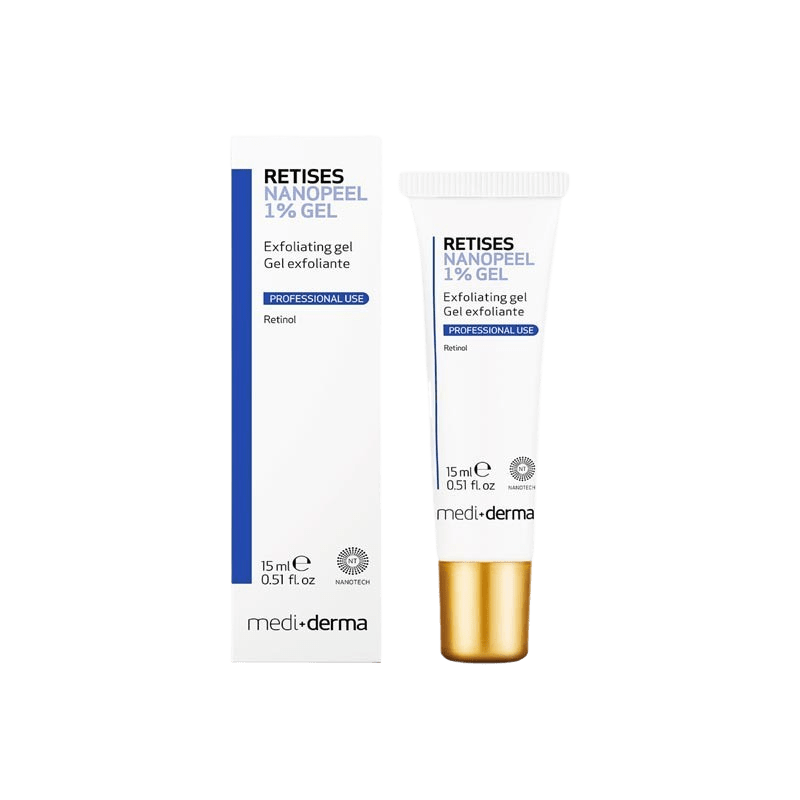
MEDIDERMA® RETISES NANOPEEL 1% GEL
Order MEDIDERMA® RETISES NANOPEEL 1% GEL for Clinics
Skincare Gel
$49.00
You save
Description
MEDIDERMA® RETISES NANOPEEL 1% GEL is a professional retinol-based peel gel for controlled in-clinic exfoliation, surface renewal, and tone refinement. Licensed clinics, med spas, and healthcare professionals can order the 1% gel in a 15 ml tube for treatment-room protocols, peel series, and maintenance-oriented resurfacing plans.
This Mediderma Retises Nanopeel 1% chemical peel gel combines a retinoid-forward format with a spreadable gel vehicle that helps providers apply a uniform layer and manage product control at the tray. US distribution supports clinic procurement, receiving, and scheduled restocking for aesthetic practices that standardize professional peel menus.
Price, 15 ml Tube, and Clinic Ordering
Sign in to view the current Retises Nanopeel 1% gel price for your account. Live pricing may reflect clinic volume, contract terms, and order quantity, so administrators should align planned purchases with procedure calendars, staff training dates, and backbar audits.
The product is supplied as a 15 ml tube, which supports hygienic dispensing and reduces unnecessary exposure between sessions. The tube format helps providers control the amount placed on a treatment tray, especially when applying the gel to defined areas or working within a multi-step peel workflow.
For inventory accuracy, reference SKU 89801 during purchasing and internal receiving. Lot and expiration details should be recorded at intake, then rotated according to your clinic’s product control procedures. Orders are managed for licensed professional buyers, with temperature-controlled handling when required and tracked US delivery.
Clinics building a fuller peel program can browse the Peels and Masks category for adjacent professional resurfacing products. For brand-level assortment planning, the Mediderma collection groups related clinic-use items from the same professional portfolio.
What Retises Nanopeel 1% Gel Is
Retises peel products are retinoid-focused professional preparations used in aesthetic settings to support visible skin renewal. MEDIDERMA® RETISES NANOPEEL 1% GEL is the gel presentation in this line, with nanoencapsulated retinol at a 1% concentration and glycolic acid as a complementary exfoliating component.
Nanoencapsulation is used to help distribute retinol in a controlled delivery system. In clinic terms, that matters because a peel gel must spread evenly, stay manageable during application, and fit within provider-defined contact-time and removal procedures. The gel vehicle also helps limit drip and run-off compared with thinner liquids.
Glycolic acid is an alpha hydroxy acid, or AHA, that acts at the surface of the stratum corneum to support superficial exfoliation. In a professional peel protocol, that surface action can help prepare the skin for retinoid-led renewal while keeping the product useful for standardized service menus.
The product is intended for trained professional use, not casual retail application. Appropriate consultation, skin assessment, procedural consent, and aftercare instructions should be part of the clinic’s workflow before adding a retinol 1% peel gel Mediderma treatment to a service menu.
Professional Applications and Protocol Fit
Clinics use MEDIDERMA® RETISES NANOPEEL 1% GEL in aesthetic peel programs where controlled exfoliation, texture smoothing, and a more even-looking tone are treatment goals. It may be selected as a focused resurfacing step, a bridge between device-based sessions, or part of a staged peel series when gradual renewal is preferred.
Providers may consider the gel for clients with visible dullness, uneven surface texture, or photoaging-related appearance concerns, when a retinoid-forward peel is appropriate after assessment. It can also support pigment-focused programs by promoting steady desquamation, but suitability depends on skin type, recent procedures, barrier condition, sensitivity history, and the clinic’s standing protocols.
Use parameters should follow professional training, the product label, and clinic standard operating procedures. Patch testing may be appropriate for selected clients, and providers should adjust scheduling when the skin barrier is compromised or when recent exfoliants, retinoids, waxing, laser, or other energy-based services increase irritation risk.
For broader context on how Mediderma peel products are positioned within professional skincare programs, see Mediderma peel products. Clinics looking at anti-aging service design may also find chemical peels for anti-aging programs useful when mapping peel options to downtime expectations.
Key Features for Treatment Rooms
- 1% retinol format: supports a retinoid-forward peel step within professional protocols.
- Nanoencapsulated retinol: designed for controlled retinoid delivery and consistent coverage.
- Glycolic acid component: assists superficial exfoliation and stratum corneum turnover.
- Professional gel vehicle: spreads evenly, resists run-off, and supports targeted placement.
- 15 ml tube: helps clinics manage dispensing, open-unit control, and room-level use.
- Lot and expiry visibility: supports receiving, rotation, and internal documentation.
- Menu compatibility: can fit peel series, maintenance renewal plans, and off-device treatment schedules.
Quick tip: Record tube opening dates according to your clinic’s internal product-use policy.
Composition and Mechanism
The key active and functional components include nanoencapsulated retinol, glycolic acid, and supportive excipients used to maintain the gel base. Retinol is a vitamin A derivative commonly used in topical aesthetic formulations to support skin renewal. In professional peels, retinoid exposure must be controlled and paired with appropriate barrier support.
Glycolic acid contributes an AHA exfoliating action at the surface. The FDA notes that alpha hydroxy acids can increase sun sensitivity, so clinics should reinforce photoprotection and post-peel care when using AHA-containing products. The combination of retinol and glycolic acid also makes careful client selection important, particularly for sensitive or recently treated skin.
Supportive excipients may include gel-forming agents, emollients, solvents, and stabilizers appropriate to the finished preparation. Ingredient lists can vary by batch or market presentation, so staff should rely on the package label and lot-specific information before integrating the tube into a protocol.
Handling, Storage, and Inventory Planning
Store unopened units according to label directions, away from direct heat and light. Treatment rooms should keep the tube capped when not dispensing, avoid cross-contamination at the nozzle, and follow clinic hygiene procedures for professional topicals used near exfoliated skin.
Receiving teams should document the product name, SKU, lot number, expiration date, quantity, and condition at arrival. This practice supports traceability, simplifies multi-room stocking, and helps identify units that should be used first during seasonal peel demand.
Retises Nanopeel 1% gel bulk order planning often depends on service volume, treatment-series scheduling, and promotional calendars. Smaller clinics may prefer tighter restock cycles to reduce opened-product waste, while multi-site groups may consolidate purchasing to standardize backbar inventory.
For compatible pre- and post-peel planning, browse professional skincare products used in cleansing, hydration, and barrier-support routines. Maintaining aftercare consistency helps providers deliver clearer instructions and reduce variation between rooms.
Safety, Suitability, and Professional Precautions
MEDIDERMA® RETISES NANOPEEL 1% GEL should be used only by trained personnel within a defined professional protocol. Common post-peel responses may include temporary redness, dryness, tightness, flaking, mild stinging, or visible peeling. These effects vary with skin type, barrier status, application area, contact time, and prior product exposure.
Do not use a retinoid or acid peel on irritated, broken, sunburned, or recently aggressively exfoliated skin unless a qualified provider determines it is appropriate within the clinic’s protocol. Extra caution is warranted for sensitive skin, recent laser or energy-based procedures, active dermatitis, isotretinoin history, pregnancy or breastfeeding considerations, and known intolerance to retinoids or AHAs.
Clients should receive clear post-procedure instructions, including avoiding unnecessary exfoliation, minimizing sun exposure, and using suitable photoprotection. The FDA’s AHA guidance highlights sun sensitivity as an important point for products containing alpha hydroxy acids, making aftercare counseling part of responsible peel delivery.
Document the assessment, product used, application zones, timing, client response, and aftercare provided. Escalate care according to clinic policy if unexpected blistering, severe discomfort, swelling, persistent erythema, or signs of infection occur.
Comparing Retises Nanopeel 1% with Related Peels
Compare Retises Nanopeel 1% vs retinol 1% gel by focusing on the full professional format, not just the retinol concentration. MEDIDERMA® RETISES NANOPEEL 1% GEL is a retinoid-forward peel gel with a professional vehicle and glycolic acid support, making it different from ordinary cosmetic retinol creams or non-peel retinol gels.
Within the same portfolio, clinics that want a retinoid-focused alternative may review Retises CT Yellow Peel. Education on that treatment concept is also available through Retises CT Yellow Peel clinical-use content.
For clients or protocols better suited to non-retinoid resurfacing, related options include Argipeel Exfoliating Gel, Azelac Peel Exfoliating Gel, and Ferulac Peel Plus. Selection should consider the clinic’s training, desired downtime, target concerns, and tolerance profile.
Groups planning pigment-oriented programs can also assess booster or acid systems such as MELASes TRX Booster Peel. Related products should not be substituted automatically; protocol compatibility and client suitability should be confirmed by the provider responsible for care.
Authenticity, Documentation, and Professional Sourcing
Authentic Mediderma Retises Nanopeel 1% gel matters because professional peels require predictable composition, intact labeling, and traceable lot information. Med Wholesale Supplies serves licensed clinics and healthcare professionals with brand-name medical products sourced through vetted distributors and verified supply channels.
Clinic buyers should match the received tube to the ordered product name, size, SKU, lot, and expiration date. Keep records with your internal inventory system so treatment rooms can document exactly which preparation was used during a visit.
Multi-location practices may benefit from standardized receiving notes and a defined substitution policy. If a preferred peel is temporarily not part of a room’s working inventory, staff should escalate to the supervising provider rather than changing products without protocol review.
Authoritative Sources
Mediderma manufacturer information
FDA information on alpha hydroxy acids
NLM overview of topical retinoids
This content is for informational purposes only and is not a substitute for professional medical advice.
Frequently Asked Questions
What is MEDIDERMA® RETISES NANOPEEL 1% GEL used for in clinics?
It is a professional retinol-based peel gel used in aesthetic workflows for controlled exfoliation, texture refinement, and more even-looking tone. Clinics may use it as part of peel series, maintenance renewal plans, or carefully scheduled off-device resurfacing protocols.
What size is Retises Nanopeel 1% Gel supplied in?
MEDIDERMA® RETISES NANOPEEL 1% GEL is supplied in a 15 ml tube. The tube format supports controlled dispensing, treatment-room use, and lot-based inventory documentation.
How should clinics plan Retises Nanopeel 1% gel bulk orders?
Plan quantities around scheduled peel series, treatment-room volume, staff training, and seasonal demand. Receiving teams should record SKU 89801, lot number, expiration date, and quantity so units can be rotated correctly.
Does Retises Nanopeel 1% Gel require professional handling?
Yes. It is intended for trained professional use within clinic protocols. Providers should assess skin suitability, follow label and training guidance, document application details, and provide post-peel aftercare instructions.
What safety precautions matter with a retinol and glycolic acid peel gel?
Avoid use on irritated, broken, sunburned, or recently over-exfoliated skin unless the responsible provider determines it is appropriate. Temporary redness, dryness, tightness, stinging, or peeling may occur, and clients should receive sun-protection and aftercare guidance.
How is Retises Nanopeel 1% different from a standard retinol gel?
Retises Nanopeel 1% is a professional peel gel with nanoencapsulated retinol and glycolic acid support. A standard cosmetic retinol gel may not have the same peel-oriented vehicle, professional-use positioning, or protocol fit.
Can clinics use other Mediderma peels instead of Retises Nanopeel 1% Gel?
Related Mediderma peels may be appropriate for different protocols, but they should not be substituted automatically. Selection should be based on provider training, target concern, expected downtime, skin tolerance, and clinic SOPs.
Specifications
- Main Ingredient: 1% Retinol
- Manufacturer: Sesderma Laboratories
- Drug Class: Topical Skincare
- Generic Name: Retises Nanopeel 1% Gel
- Package Contents: 15 mL
- Storage Requirements: Room Temperature (2℃~25℃)
- Main Usage: Exfoliator
About the Brand
Mediderma
BUY MEDIDERMA PRODUCTS ONLINE AT WHOLESALE PRICES ON MedWholesaleSupplies Mediderma is a reliable brand within the medical sector, delivering top-of-the-line skincare products. These can now be conveniently procured directly from our online platform, medwholesalesupplies.com. Buy MEDIDERMA® skincare products at wholesale prices – register an account on Med Wholesale Supplies today! What is MediDerma? Mediderma's commitment to research and invention ensures that their offerings cater effectively and safely to diverse dermatological needs. Whether you're a medical professional or an individual seeking superior skincare options, Mediderma stands as the brand of choice. MEDIDERMA® Product Range By availing Mediderma's range on medwholesalesupplies.com, we make it easy for you to access world-class skincare solutions without any hassles. As a highly-reputed online medical store, we offer a broad gamut of medical offerings, including Mediderma, satisfying an array of customer requirements. Our focus is consistently on customer satisfaction which is reflected in our competitive pricing, timely delivery, and unmatched customer assistance. With medwholesalesupplies.com, buying Mediderma skincare products is a breeze. ARGIPEEL Exfoliant gel for sensitive skin; contains arginine for hydration, antioxidant effects, and collagen stimulation, plus lactic acid for gentle exfoliation. AZELAC Skin-brightening line for inflamed, hypersensitive skin and rosacea; includes creams, serums, and peels for redness, swelling, hyperpigmentation, inflammation, and acne. C-DEFENSE Vitamin C and peptide-based products for tired, dull skin; brightens, firms, and protects against pollution and free radicals. FERULAC Anti-aging line with ferulic acid, vitamins, and retinoids; targets wrinkles, fine lines, and sun damage, stimulating collagen production. FR-ANTIOX Ferulic acid-based line with additional antioxidants; combats oxidative stress, sun damage, and aging, suitable for mature skin. HYLANSES Products with various types of hyaluronic acid; hydrates and addresses firmness and elasticity, ideal for sensitive, dry, and mature skin. MELA 360 Targets hyperpigmentation with products like the MELA 360 SPOT CORRECTOR; contains kojic acid, arbutin, and licorice extract for brightening dark spots. MELASES TRX Focuses on melasma and hormonal dark spots; tranexamic acid chemical peel reduces sun damage, inflammation, and aging effects. Where Can I Buy MEDIDERMA®? MEDIDERMA® Laboratories offer a wide range of products tailored to various patient needs. If you wish to order MEDIDERMA® online, our team can assist you in finding the best deals. Dermatological clinics should purchase MEDIDERMA® at wholesale prices to offer their patients the most affordable rates while ensuring product authenticity and quality. Contact our agents today to supply your clinic with genuine MEDIDERMA® products from trusted distributors.
Browse Mediderma Products
Here to help
Questions about ordering, delivery or products? You can email our team here or call now at 1-800-630-9757 and be connected with your dedicated Account Manager
Related Products
Evenity® (English Alternative)
Injectable Medication
$1,229.00 - $1,299.00
You save
You save
Intraline® For Men
Dermal Filler
$59.00 - $79.00
You save
You save
RejuvaNAD+ Pro
Injectable Medication
$237.00 - $249.00
You save
You save
Teosyal® RHA 4
Aesthetic Surgery Product
$259.00 - $279.00
You save
You save
Related Articles
Prednisone in Clinical Care: Uses, Risks, and Monitoring
Prednisone is a prescription systemic corticosteroid used to reduce inflammation or suppress immune activity in…
Lip Fillers Swelling Stages: Timeline, Safety, and Follow-Up
Lip fillers swelling stages usually follow a short inflammatory course: swelling appears soon after injection,…
Hypopigmentation of the Skin: Assessment and Care
Hypopigmentation of the skin means one or more areas look lighter than the surrounding skin.…
Radiesse vs Sculptra: Selection Factors for Clinics
Radiesse vs Sculptra is best understood as a comparison between two collagen-stimulating injectables with different…
Hyaluronic Acid Under-Eye Filler: Safety and Workflow
Hyaluronic acid under-eye filler is an injectable soft-tissue filler used by trained aesthetic clinicians to…
Dermal Filler Types: Materials, Uses, and Clinic Fit
Dermal filler types are usually grouped by their base material, tissue behavior, and expected role…
What Is Dysport? Clinical Uses, Safety, and Workflow
For clinic teams asking what is Dysport, the short answer is simple: Dysport is a…
Biostimulators in Aesthetic Care: Selection and Safety
Biostimulators are injectable aesthetic products used to encourage a controlled tissue response, often involving new…