
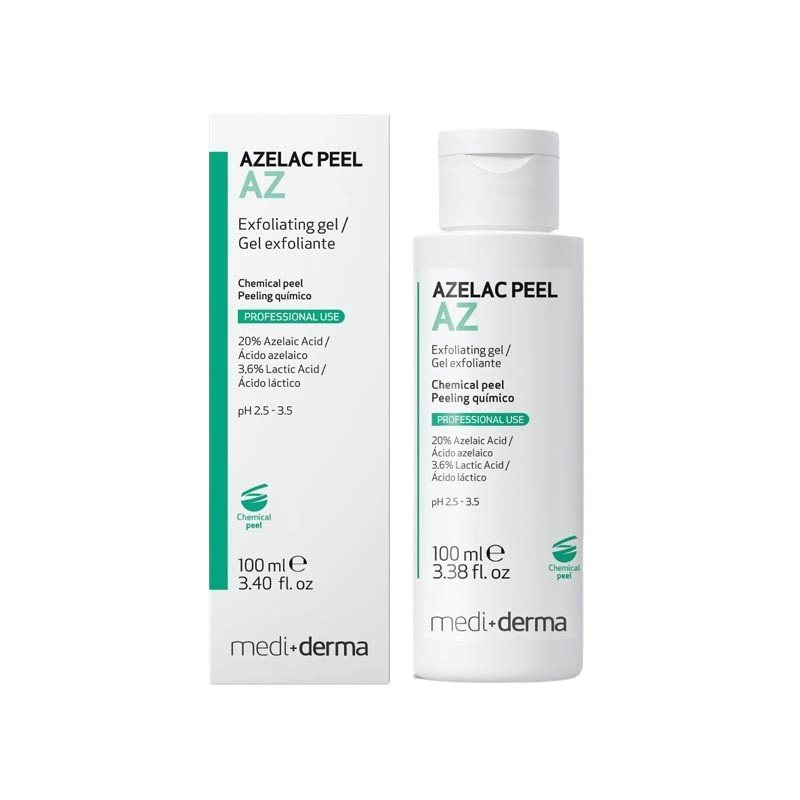
MEDIDERMA® AZELAC® PEEL EXFOLIATING GEL
Order MEDIDERMA® AZELAC® Peel Exfoliating Gel for Clinics
Exfoliating Gel
$89.00
You save
Description
MEDIDERMA® AZELAC® Peel Exfoliating Gel is a professional topical exfoliating gel for controlled clinic-use peel protocols. Licensed clinics, med spas, and healthcare professionals can order the 3.4 fl oz (100 ml) tube for treatment-room use, staff-managed application, and inventory planning across aesthetic workflows. The gel format supports even placement, controlled contact time, and practical removal steps within your facility’s written protocol.
Med Wholesale Supplies serves licensed healthcare organizations with authentic brand-name medical products sourced through vetted distributors and verified supply channels. Account access allows your team to view current MEDIDERMA® AZELAC® Peel Exfoliating Gel price information, request volume quotes, and coordinate reliable US logistics for clinic supply needs.
Clinic Ordering, Price, and Supply Details
MEDIDERMA® AZELAC® Peel Exfoliating Gel is supplied as a 3.4 fl oz (100 ml) tube with a flip-top cap. The tube presentation helps staff dispense measured amounts without managing multiple bottles during a peel appointment. It also supports storage in a treatment-room product set, provided the product is kept according to label directions and your internal standard operating procedures.
Qualified accounts can sign in to view current pricing, contract terms, and available quantity tiers. If your organization needs a formal quotation, include the product name and SKU 89879 so sales and procurement teams can align on the exact item. Public price lists are not used for institutional agreements, which helps multi-location clinics manage consistent purchasing terms.
For broader resurfacing procurement, the Peels And Masks category can help your team plan adjacent SKUs for light refresh, brightening, and more intensive professional protocols. When temperature-controlled handling is required and tracked US delivery applies, handling instructions should follow the product label and your facility’s receiving procedures.
What AZELAC® Peel Gel Is Used For in Professional Protocols
The mediderma azelac peel exfoliating gel is a clinic-use exfoliator designed to lift surface buildup and support a smoother, brighter-looking complexion. It fits professional facial peel menus, periodic texture-refinement treatments, and adjunctive skincare protocols managed by trained staff. Because peel intensity depends on patient selection, skin preparation, contact time, and post-procedure care, the product should be used only within a professional protocol.
Clinics commonly use this type of azelaic acid peel gel from Mediderma for appearance-focused care pathways involving oil-associated congestion, uneven-looking tone, dull texture, or redness-prone complexions when exfoliation is appropriate. SERP discussions often mention acne-prone skin, redness, follicular congestion, hyperpigmentation, and photoaging; in a clinic setting, those considerations should be translated into intake screening, Fitzpatrick skin type review, sensitivity history, and realistic treatment planning.
For teams building a Mediderma-focused menu, the Mediderma professional skincare range article can support product-family orientation and staff education. For category-level planning beyond one brand, browse Professional Skincare to pair exfoliation with post-procedure moisturizers, barrier-support products, or brightening serums selected by your clinical lead.
How the Exfoliating Blend Works
MEDIDERMA® AZELAC® Peel Exfoliating Gel combines an alpha-hydroxy acid, a beta-hydroxy acid, and azelaic acid in a gel base. Glycolic acid, an AHA, helps loosen superficial bonds between dead surface cells. Salicylic acid, a BHA, is oil-soluble and is commonly used in exfoliating products aimed at pore-associated buildup. Azelaic acid supports a clarified, more even-looking tone and is often selected in professional skincare plans for complexions with redness or uneven pigmentation concerns.
The gel vehicle matters operationally. A controlled-viscosity gel helps clinicians place the material across target zones, avoid unnecessary spread, and maintain a consistent visual field during the service. Even coverage can make timing, removal, and neutralization steps easier for trained staff, especially when multiple clinicians follow the same protocol across rooms or locations.
Quick tip: Keep protocol notes with the product so staff can document placement areas, contact time, observed response, and post-care products consistently.
| Component | Professional-use role | Workflow note |
|---|---|---|
| Glycolic acid | Supports removal of surface buildup and texture refinement. | Contact time should follow clinic protocol and label guidance. |
| Salicylic acid | Assists with oil-associated debris and pore-focused exfoliation. | Screen for sensitivity to exfoliating acids before use. |
| Azelaic acid | Contributes to tone uniformity and a brighter-looking complexion. | Useful in programs where redness-prone or uneven-looking skin is part of the assessment. |
| Gel base | Supports spread control and targeted application. | Use hygienic dispensing practices with each treatment. |
Professional Applications and Treatment-Room Fit
This product fits clinics that offer controlled exfoliation as part of facials, peel series, seasonal skin-renewal programs, and preparation before selected masks or topical skincare steps. It can sit between very light refresh treatments and more intensive peel regimens, depending on your menu design. The goal is not to replace clinical judgment, but to give trained staff a predictable gel format for repeatable treatment-room execution.
Use planning should account for skin condition, recent procedures, home exfoliant use, retinoid exposure, photosensitivity risk, and expected downtime. Staff should also identify clients who may need a more conservative preparation or a different peel category. If your clinic offers more than one exfoliating product, decision trees can help coordinators place the correct item on the schedule and reduce unnecessary substitutions at the chairside.
For a gentle exfoliation comparison within the same broad category, see Argipeel exfoliating gel. For a product alternative that many clinics evaluate in resurfacing menus, Argipeel Gel 100 ml may support a different protocol approach.
Key Features for Clinic Inventory
- Professional topical gel for controlled exfoliation workflows.
- 3.4 fl oz (100 ml) tube for treatment-room dispensing.
- Flip-top cap designed for practical handling during services.
- AHA, BHA, and azelaic acid blend for balanced surface renewal support.
- Gel texture assists with placement precision and visual control.
- Fits peel menus, complexion-refresh services, and adjunctive skincare protocols.
- Can be cataloged under professional azelac peel gel Mediderma for inventory clarity.
- Suitable for multi-room SOP alignment when staff training is standardized.
Inventory teams should store and rotate tubes according to the label, lot information, and internal expiry checks. Keep the product name, SKU, and location assignment visible in your procurement system so staff can avoid confusing it with adjacent Azelac or Mediderma items.
Ingredients, Documentation, and Label Checks
Active components identified for this preparation include glycolic acid, salicylic acid, and azelaic acid. The product also contains a cosmetic gel base with stabilizers and solvents appropriate for a professional topical formulation. Full ingredient details are provided on the tube or manufacturer packaging and may vary by lot, so clinics should retain product documentation for staff reference and client charting.
Before adding the gel to a service menu, your clinical lead should review the manufacturer instructions, facility protocol, contraindication checklist, and post-care handout. Documentation should cover who may apply the product, which areas may be treated, how the response is assessed, and what steps follow application. This is especially important when multiple exfoliating products are stocked in the same room.
For brand-adjacent skincare planning, the Sesderma brand catalog can help procurement teams identify related professional skincare items. When post-procedure brightening support is appropriate under your protocol, Azelac RU Liposomal Serum is a related product to evaluate separately.
Safety Considerations for Professional Use
Controlled exfoliation can cause temporary redness, warmth, dryness, tightness, stinging, flaking, or irritation. These effects may be expected after peel procedures, but persistent or disproportionate reactions require evaluation under your clinic protocol. Staff should not layer strong exfoliants on the same day unless the protocol explicitly supports it and the client has been screened for suitability.
Screening should include recent isotretinoin or topical retinoid use, active irritation, open skin, recent waxing or laser procedures, history of unusual scarring, photosensitivity, allergy history, and use of other exfoliating acids at home. Clinics should also consider seasonal sun exposure and the client’s ability to follow aftercare. Conservative scheduling can reduce avoidable irritation when the skin barrier is already compromised.
Post-procedure instructions should emphasize barrier support, sun protection, and avoidance of unapproved exfoliating products until the skin has recovered. If unexpected blistering, severe swelling, intense burning, prolonged erythema, or signs of infection occur, the client should be assessed promptly according to your facility’s escalation pathway.
Storage, Handling, and Staff Workflow
Store the tube according to the manufacturer label, away from unnecessary heat, contamination, and unauthorized access. Treatment rooms should use hygienic dispensing practices, including clean hands or gloves, clean tools when used, and no contact between the tube opening and skin. Lot tracking and expiry checks are useful for multi-location practices and for clinics that rotate peel products seasonally.
Staff workflow should define who prepares the skin, who applies the gel, who monitors visible response, and who completes removal or neutralization steps. Written records help standardize outcomes across providers and support quality reviews when a protocol changes. Include product name, area treated, time in contact with skin, client response, and aftercare products in the service note.
Why it matters: Consistent documentation helps clinics distinguish product performance from technique, timing, and client-specific skin response.
Comparable Products and Menu Planning
Clinics often evaluate MEDIDERMA® AZELAC® Peel Exfoliating Gel alongside other professional peels to build a tiered resurfacing menu. A single clinic may need a pore-focused exfoliator, a brightening-oriented option, a more antioxidant-forward peel, and a gentler refresh treatment. The right placement depends on training, downtime expectations, client profiles, and the products already used for preparation and aftercare.
Ferulac Peel Plus may be considered when your team wants an antioxidant-forward resurfacing product. For Azelac-family comparisons, Azelac M 60 ml and Azelac RU 60 ml can be reviewed as separate items with their own protocol fit. These products should not be treated as interchangeable unless your clinical lead confirms the formulation, application steps, and intended service category.
Educational content such as chemical peels in anti-aging protocols can support broader staff orientation, but product choice should remain tied to manufacturer instructions and your clinic’s clinical governance.
Authoritative Sources
- Mediderma Professional manufacturer information
- Peer-reviewed review of alpha- and beta-hydroxy acids
These sources support general understanding of Mediderma professional products and hydroxy acid exfoliation. They do not replace the current product label, lot-specific packaging, or your clinic’s procedure protocol.
Ordering Next Steps for Licensed Clinics
To order MEDIDERMA® AZELAC® Peel Exfoliating Gel online for your clinic, sign in to your account, verify the product name and 100 ml tube presentation, and request the quantity needed for your schedule. Procurement teams can reference SKU 89879 when requesting internal approval or formal documentation. If substitutions are considered, confirm them with the clinical lead before products are assigned to treatment rooms.
For multi-location practices, plan orders around appointment volume, expiry rotation, and staff training dates. Keep a small buffer only when your usage history supports it, because professional peel products should be rotated carefully and stored according to label directions. Your team can also organize related peel and skincare items in the same procurement cycle to support consistent post-care recommendations.
This content is for informational purposes only and is not a substitute for professional medical advice.
Frequently Asked Questions
Who can order MEDIDERMA® AZELAC® Peel Exfoliating Gel?
This product is intended for licensed clinics, med spas, aesthetic practices, and healthcare professionals using professional peel protocols. Account verification may be required before pricing and purchasing details are shown.
What size is the MEDIDERMA® AZELAC® Peel Exfoliating Gel tube?
The supplied presentation is a 3.4 fl oz (100 ml) tube with a flip-top cap. Clinics should verify the product name, tube size, and SKU 89879 when placing or approving an order.
What ingredients are associated with this exfoliating gel?
The preparation includes glycolic acid, salicylic acid, and azelaic acid in a professional gel base. Clinics should use the current product packaging for the complete ingredient list and lot-specific label details.
How should clinics use this peel gel safely?
Use should follow the manufacturer label and your facility’s written protocol. Staff should screen for irritation, recent procedures, exfoliant use, photosensitivity risk, and other factors that may affect peel suitability.
Can it be used with other Mediderma or Sesderma products?
It may be incorporated into broader professional skincare plans when your clinical lead confirms compatibility, sequencing, and aftercare. Related products should not be substituted without reviewing formulation and protocol differences.
How should the product be stored and documented?
Store according to the label and keep the tube away from contamination or unnecessary heat. Record lot details, expiry checks, application area, contact time, skin response, and aftercare instructions according to clinic SOPs.
Specifications
- Main Ingredient: Glycolic Acid 10%, Salicylic Acid 2%, Azelaic Acid 2%
- Manufacturer: Sesderma
- Drug Class: Drug Class: Exfoliant
- Generic Name: Glycolic Acid, Salicylic Acid, Azelaic Acid
- Package Contents: 3,4 fl. oz 100 mL
- Storage Requirements: Room Temperature (2℃~25℃)
- Main Usage: Exfoliator
About the Brand
Sesderma
Boasting a coveted position in the medical skincare market, Sesderma is a revered brand that delivers state-of-the-art solutions for a spectrum of skin-related concerns. With a history of over three decades in the sector, the respect for Sesderma stretches from health professionals to everyday consumers. Its products are conceived with avant-garde components and solidified by rigorous scientific research, enhancing their efficacy when treating varied skin complications. We, at medwholesalesupplies.com, take immense pride in making Sesderma's esteemed products available to our clientele. It is our conviction to offer access to first-rate medical provisions and skincare essentials, and in this regard, Sesderma aligns impeccably with our goal. When health professionals order Sesderma items through our portal, they are guaranteed authentic products straight from the creators themselves. Collaborating with Sesderma paves the way for an uncomplicated shopping experience, courtesy of competitive pricing structures and an extensive product lineup. Moreover, opting to purchase Sesderma through medwholesalesupplies.com lets health professionals effectually replenish their skincare stockpile. Our digital platform provides an intuitive user interface, simplifying browsing and placing orders in a matter of clicks. Combined with our expedient shipping procedure, health professionals will always have their prized Sesderma products on hand, receiving them speedily to use them effectively on their patients. Lean on Sesderma and medwholesalesupplies.com for all your skincare requisites.
Browse Sesderma Products
Here to help
Questions about ordering, delivery or products? You can email our team here or call now at 1-800-630-9757 and be connected with your dedicated Account Manager
Related Products
Evenity® (English Alternative)
Injectable Medication
$1,229.00 - $1,299.00
You save
You save
Intraline® For Men
Dermal Filler
$59.00 - $79.00
You save
You save
RejuvaNAD+ Pro
Injectable Medication
$237.00 - $249.00
You save
You save
Teosyal® RHA 4
Aesthetic Surgery Product
$259.00 - $279.00
You save
You save
Related Articles
Prednisone in Clinical Care: Uses, Risks, and Monitoring
Prednisone is a prescription systemic corticosteroid used to reduce inflammation or suppress immune activity in…
Lip Fillers Swelling Stages: Timeline, Safety, and Follow-Up
Lip fillers swelling stages usually follow a short inflammatory course: swelling appears soon after injection,…
Hypopigmentation of the Skin: Assessment and Care
Hypopigmentation of the skin means one or more areas look lighter than the surrounding skin.…
Radiesse vs Sculptra: Selection Factors for Clinics
Radiesse vs Sculptra is best understood as a comparison between two collagen-stimulating injectables with different…
Hyaluronic Acid Under-Eye Filler: Safety and Workflow
Hyaluronic acid under-eye filler is an injectable soft-tissue filler used by trained aesthetic clinicians to…
Dermal Filler Types: Materials, Uses, and Clinic Fit
Dermal filler types are usually grouped by their base material, tissue behavior, and expected role…
What Is Dysport? Clinical Uses, Safety, and Workflow
For clinic teams asking what is Dysport, the short answer is simple: Dysport is a…
Biostimulators in Aesthetic Care: Selection and Safety
Biostimulators are injectable aesthetic products used to encourage a controlled tissue response, often involving new…