

- You must be logged in to add items to the cart.
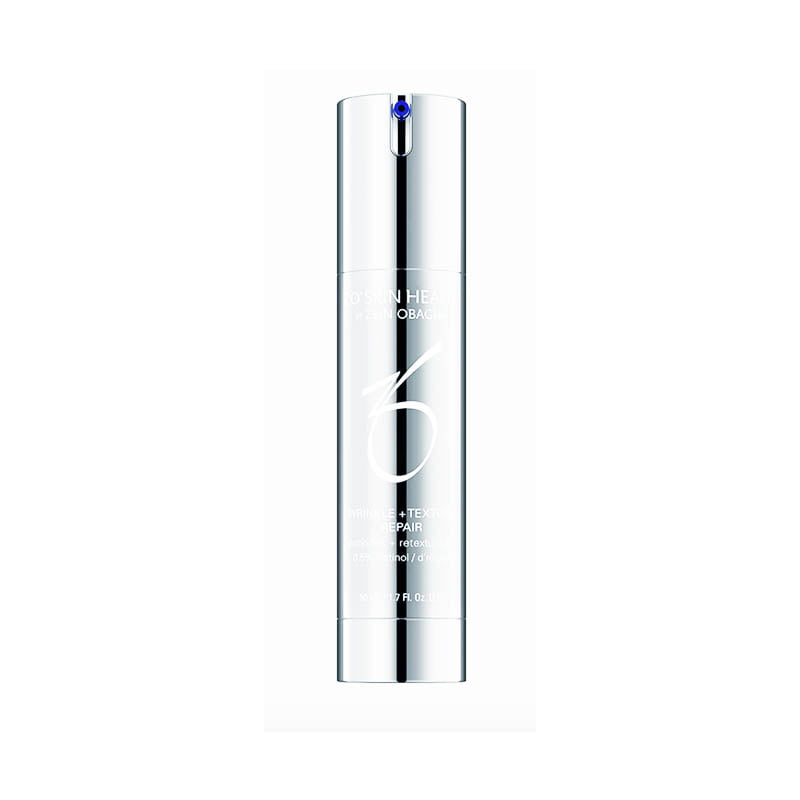
ZO® Skin Health Wrinkle and Texture Repair
Order ZO® Skin Health Wrinkle and Texture Repair for Clinics
Anti-Aging Skincare Product
$159.00
You save (%)
Description
ZO® Skin Health Wrinkle and Texture Repair is a professional topical retinol preparation used in clinic-directed skincare programs for visible texture, tone, and photoaging concerns. Licensed clinics and healthcare professionals can order the 50 mL pump bottle for protocol use, retail-adjacent regimens, and inventory planning. The product is commonly mapped in clinic formularies as a 0.5% retinol wrinkle and texture repair option with antioxidant and peptide support.
Med Wholesale Supplies serves licensed clinics, med spas, and healthcare professionals with authentic brand-name medical products sourced through vetted distribution channels. This product fits aesthetic workflows where staff need consistent dispensing, professional documentation, and US distribution for routine replenishment.
Clinic Pricing, Pack Size, and Ordering
Sign in to view the current ZO Wrinkle and Texture Repair price, purchasing terms, and account-specific ordering options. Pricing can vary by contract tier, quantity, and current supply conditions, so clinic teams should align reorders with their usual stock cycle rather than relying on retail marketplace ranges.
The common pack designation is ZO Skin Health Wrinkle + Texture Repair 50 mL. The pump bottle supports measured dispensing, which helps staff standardize instructions across in-office education, evening-use regimens, and take-home skincare plans. Internal inventory teams may also reference SKU 88159 when matching this item to purchase records.
Account verification is required for professional ordering. Once signed in, your team can add the product to clinic purchasing lists, view documentation, and coordinate replenishment with other products in Professional Skincare or Creams and Serums. For multi-location practices, tracked US delivery can support clearer receiving records and inventory rotation.
What This Retinol Preparation Does
ZO Skin Health Wrinkle and Texture Repair is designed to support visible skin renewal in professional skincare routines. Retinol, a vitamin A derivative, encourages epidermal turnover, which can make rough texture, dullness, and uneven tone appear improved over time. The formula also includes antioxidant support and a specialized peptide blend to complement texture-focused care.
Clinics often position this product within anti-aging and photodamage protocols, especially when a client needs a structured retinol step rather than a general moisturizer or cleanser. It may be used in maintenance plans between procedures, in corrective skincare programs, or as part of a phased regimen after acclimation has been considered by the provider.
Retinol results are gradual. Visible changes in smoothness and tone generally depend on consistent use, skin tolerance, baseline photodamage, and the rest of the regimen. Staff should set expectations carefully, document product introduction, and reinforce sun protection because retinoids can increase sensitivity to ultraviolet exposure.
Professional Applications and Protocol Fit
This preparation suits aesthetic practices that want a reputable mid-strength retinol option for supervised skincare programs. It can support programs focused on fine lines, texture irregularity, roughness, and uneven tone. Providers may also use it as a cosmetic adjunct around energy-based treatments or peel series when timing and barrier condition make retinol appropriate.
Clinic workflows benefit from clear product placement. Staff can reserve this item for evening routines, separate it from exfoliating steps when irritation risk is higher, and pair it with barrier-supporting products during acclimation. Clear written instructions help reduce inconsistent application and make follow-up conversations more productive.
For broader clinical context, the brand-family discussion in ZO Skin Health professional skincare solutions can help teams map this product alongside cleansers, antioxidant serums, hydrators, and corrective products. Teams evaluating retinoid categories may also find retinol benefits for fine lines and wrinkles useful for staff education.
Key Features for Licensed Practices
- Professional-use topical retinol preparation for texture and tone-focused skincare plans.
- 50 mL pump bottle for controlled application and hygienic dispensing.
- 0.5% retinol strength reference for clinic protocol mapping.
- Antioxidant support from stabilized vitamin C and vitamin E.
- Specialized peptide blend to complement retinol-based care.
- Suitable for mature or photoexposed skin types when professionally directed.
- Can integrate with maintenance plans and staged aesthetic skincare routines.
- Labeling supports lot and expiry tracking for inventory rotation.
Composition and Active Ingredient Role
The formula combines retinol with antioxidants and peptides in a cosmetically elegant base. Retinol is the key cosmetic vitamin A derivative in this product. It supports surface renewal and is commonly used in professional skincare plans for visible signs of photoaging, texture irregularity, and dullness.
Stabilized vitamin C and vitamin E provide antioxidant support within the regimen. Antioxidants help address oxidative stress from environmental exposure, although they do not replace sunscreen or procedural photoprotection instructions. The peptide complex supports the appearance of firmness and complements the retinol-led texture objective.
| Component | Clinic relevance |
|---|---|
| Retinol | Supports epidermal turnover and smoother-looking texture. |
| Stabilized vitamin C | Adds antioxidant support within corrective skincare routines. |
| Vitamin E | Complements antioxidant activity in the topical formula. |
| Peptide blend | Supports the appearance of firmness in anti-aging protocols. |
Exact inactive ingredients can vary according to manufacturer specifications and lot documentation. Clinics should use the manufacturer’s current materials when documenting ingredient review, sensitivity checks, or product suitability within a specific protocol.
How Clinics Typically Introduce It
Retinol products are usually introduced gradually because dryness, flaking, redness, or stinging may occur during acclimation. Provider-directed schedules often start with limited evening application and adjust frequency only when the skin barrier remains comfortable. The final schedule should follow the manufacturer’s instructions and the provider’s clinical judgment.
Staff should explain that more frequent use is not automatically better. Overuse can compromise comfort and reduce adherence to the overall skincare plan. A simple written routine, including cleanser, retinol placement, moisturizer, and daytime sunscreen, helps maintain consistency across follow-up visits.
Quick tip: Document the start date and frequency so staff can evaluate tolerance at the next appointment.
Many practices avoid layering retinol with aggressive exfoliation at the start of a regimen. If a client is also using scrubs, acids, peels, or procedure-based exfoliation, the provider should decide how to sequence products. Teams looking at category differences can review tretinoin and retinol comparison points for medical practitioners.
Expected Timeline and Follow-Up Conversations
Clinics frequently receive questions about how long ZO Wrinkle and Texture Repair takes to work. A practical answer is that retinol effects build gradually with consistent use. Early changes may involve texture and radiance, while visible improvement in deeper lines or photodamage patterns can require a longer, well-tolerated routine.
Before-and-after expectations should remain individualized. Baseline skin condition, procedure history, sun exposure, application frequency, and moisturizer support all influence the visible outcome. Staff should avoid promising a fixed timeline and instead use follow-up visits to assess tolerance, adherence, and whether the regimen needs adjustment.
Photo documentation can help practices evaluate progress in a consistent way. Use standardized lighting, angles, and timing when documenting aesthetic skincare changes. This approach is more useful than relying only on subjective impressions or consumer reviews.
Storage, Handling, and Inventory Control
Store the product at room temperature according to manufacturer guidance and keep the container closed when not in use. Avoid unnecessary heat, direct sunlight, and prolonged exposure to treatment-room conditions that could affect product quality. Staff should inspect the bottle, label, lot number, and expiry date during receiving.
The pump format supports clean dispensing and helps reduce product waste. For inventory management, rotate stock using first-expiry, first-out procedures and record units assigned to retail shelves, procedure rooms, or provider kits. If the product is included in bundled skincare programs, align replenishment with seasonal demand and planned promotions.
Clinics coordinating broader aesthetic supply can place this retinol alongside adjacent skincare items, provided product storage requirements are compatible. Documentation should remain clear enough for audits, staff handoffs, and substitution decisions when supply varies.
Safety, Tolerance, and Contraindication Checks
Retinol-based skincare can cause temporary erythema, dryness, peeling, tightness, burning, or increased sensitivity during the acclimation period. These reactions are common enough that clinics should discuss them before use. Reducing frequency, adding barrier support, or pausing the product may be appropriate when irritation becomes excessive, but individualized decisions belong with the supervising professional.
Sun protection is essential. Retinoids can increase sun sensitivity, and daytime broad-spectrum sunscreen should be part of any retinol protocol. Staff should also consider recent procedures, impaired barrier function, active irritation, known ingredient sensitivities, and pregnancy or breastfeeding status when determining whether retinol belongs in a specific regimen.
Clients using other exfoliating products, prescription retinoids, acne treatments, or sensitizing topical agents may need special sequencing. Clinics should document concurrent skincare and procedure plans to reduce irritation risk. If severe burning, swelling, rash, or persistent discomfort occurs, the product should be stopped and the client should be directed to appropriate clinical evaluation.
Benefits in Practice Operations
The 50 mL pump bottle makes application instructions easier to standardize across providers and staff. A measured actuator helps limit over-application during early use, which is one of the most common reasons retinol routines become uncomfortable. This practical format can support consistent staff education and clearer take-home guidance.
The product’s brand architecture also helps clinics build cohesive regimens. Teams can combine retinol with hydrating, antioxidant, or barrier-supporting products without creating overly complex routines. For example, practices may use ZO Daily Power Defense in complementary skincare planning when appropriate.
Operationally, a consistent retinol option helps with protocol templates, staff training, and retail shelf organization. Clinics can assign this product to texture-focused regimens while reserving stronger or different retinoid choices for clients who need another step within the provider’s plan.
Comparable and Adjacent ZO® Options
Practices building a complete ZO® retinoid and anti-aging range may compare this item with ZO Retinol when choosing how to structure retinol intensity and client education. Product selection should reflect tolerance, current regimen complexity, and the provider’s protocol goals rather than retail preference alone.
For nighttime corrective programs, ZO Radical Night Repair may be considered when a clinic needs a different retinol-forward option in the same brand family. For peptide-forward support, ZO Growth Factor Serum can help practices build regimens that emphasize firmness and recovery support instead of retinol escalation.
Some programs include polishing or exfoliating products, such as ZO Exfoliating Polish, but sequencing matters. Combining exfoliation and retinol too aggressively can increase irritation. Providers should decide how to phase these products based on skin tolerance and procedure timing.
Substitution Planning and Stock Continuity
Supply can vary by regional demand and manufacturer release timing. If the preferred lot or pack is not ready for allocation, confirm any substitute within the clinic’s aesthetic protocol before changing a client’s routine. Match the intended role first: retinol intensity, texture focus, antioxidant support, or barrier support.
When retinol acclimation is already underway, abrupt substitution can change tolerance. A moisturizer, peptide serum, or gentler retinol step may be more appropriate than a stronger corrective product. Inventory notes should specify whether a substitution is temporary, protocol-approved, or reserved for provider review.
For educational planning, clinics can use professional skincare product selection ideas to organize category discussions with staff. This does not replace manufacturer instructions, but it can support more consistent internal training.
Authoritative Sources and Documentation
Use the manufacturer’s official product literature for the most current ingredient, handling, and usage information for the exact lot in hand. Clinic documentation should reflect the product label, professional protocol notes, and any sensitivity or contraindication screening performed before retinol introduction.
General dermatology references support cautious retinoid acclimation, photoprotection, and monitoring for irritation. Professional skincare compendia can also help staff understand antioxidant and peptide roles in topical regimens. Internal links and educational articles support product evaluation, but they should not replace manufacturer materials or clinical judgment.
Ready to align your clinic formulary with a consistent 0.5% retinol option? Sign in to view current terms, add ZO® Skin Health Wrinkle and Texture Repair to your purchasing list, and coordinate replenishment with your broader skincare inventory.
This content is for informational purposes only and is not a substitute for professional medical advice.
Frequently Asked Questions
What does ZO® Skin Health Wrinkle and Texture Repair do?
It is a professional topical retinol preparation used in clinic-directed skincare routines for visible texture, tone, fine-line, and photodamage concerns. The formula combines 0.5% retinol with antioxidant and peptide support.
How often should clinics instruct clients to use it?
Frequency should follow the manufacturer’s directions and the supervising provider’s protocol. Retinol products are commonly introduced gradually because dryness, flaking, redness, or sensitivity can occur during acclimation.
How long does ZO Wrinkle and Texture Repair take to show visible results?
Visible changes are gradual and depend on consistency, baseline skin condition, tolerance, sun protection, and the rest of the regimen. Clinics should set individualized expectations and use follow-up assessments rather than promising a fixed timeline.
What pack size is supplied for clinic ordering?
The common professional catalog designation is ZO Skin Health Wrinkle + Texture Repair 50 mL in a pump bottle. Clinics may also reference SKU 88159 for internal inventory matching.
What precautions should staff discuss with retinol use?
Staff should discuss possible dryness, redness, peeling, stinging, increased sun sensitivity, and the need for daily broad-spectrum sunscreen. Providers should also consider barrier condition, recent procedures, ingredient sensitivities, and concurrent exfoliating or retinoid products.
Can this product be paired with other ZO® skincare products?
Yes, clinics often pair retinol with barrier-supporting moisturizers, antioxidant products, or peptide-forward serums when appropriate. Sequencing should be provider-directed, especially around exfoliation, peels, or energy-based treatments.
Specifications
- Main Ingredient: Vitamin C, Vitamin E, 0.5% Retinol, Specialized Peptide Blend
- Manufacturer: ZO Skin Health, Inc.
- Drug Class: Topical Skincare Treatment
- Generic Name: Retinol And Peptide Complex
- Package Contents: 50 mL
- Storage Requirements: Room Temperature (2℃~25℃)
- Main Usage: Anti Ageing
About the Brand
Zo Skin Health (Rozatrol™)
Zo Skin Health: Premium Skincare Solutions for All Your Needs Zo Skin Health (Zo Rozatrol™) is a groundbreaking medical brand, providing top-of-the-line skincare solutions designed for both women and men who are serious about taking care of their appearance. With a focus on advanced science and innovative formulations, Zo Skin Health products deliver real results, addressing a wide range of skin concerns from acne to aging. Zo Rozatrol™: Targeted Care for Rosacea-Prone Skin Among Zo Skin Health's impressive lineup, Zo Rozatrol™ stands out for its specialized care for rosacea-prone skin. This clinically-proven formula harnesses advanced ingredients to reduce inflammation and redness, minimize pores, and improve skin tone and texture. The effectiveness and innovation of Zo Rozatrol™ set it apart from other skincare solutions, making it a top choice for those struggling with rosacea. Where to Buy Zo Skin Health Products Looking to purchase Zo Skin Health products? Medwholesalesupplies.com is your go-to source. As an authorized dealer, we ensure that you are getting genuine Zo Skin Health products at the most competitive prices. Our user-friendly ordering process and fast delivery make it easy for both medical professionals and skincare enthusiasts to access these exceptional products. Transformative Results with Zo Skin Health The effectiveness of Zo Skin Health products can be seen in the remarkable before and after transformations of users. Whether you're targeting wrinkles, texture, or overall skin health, Zo Skin Health wrinkle and texture repair solutions provide visible improvements that enhance your skin's appearance and boost your confidence. Your Trusted Partner in Skincare At medwholesalesupplies.com, we understand the importance of quality skincare. By partnering with Zo Skin Health, we bring their exceptional products closer to you. Shopping with us means not only investing in authentic products but also benefiting from first-rate customer service and support. Achieve Glowing, Healthy Skin Don't let skin issues hinder your journey towards achieving glowing and healthy skin. Explore our selection of Zo Skin Health products today and discover the difference they can make. From reducing the signs of aging to treating specific conditions like rosacea, Zo Skin Health has a solution for you. Visit medwholesalesupplies.com now to make your purchase and take the first step towards healthier, more beautiful skin.
Browse Zo Skin Health (Rozatrol™) Products
Here to help
Questions about ordering, delivery or products? You can email our team here or call now at 1-800-630-9757 and be connected with your dedicated Account Manager
Related Products
JALUPRO® PLUS 4ML
Skin Rejuvenation Treatment
$86.00 - $89.00
You save (%)
You save (%)
$339.00
You save (%)
You save (%)
Select options
This product has multiple variants. The options may be chosen on the product page
Juvéderm® SKINVIVE
Dermal Filler
$339.00 - $359.00
You save (%)
You save (%)
$86.00 - $119.00
You save (%)
You save (%)
Related Articles
Dermal Filler Types: Materials, Uses, and Clinic Fit
Dermal filler types are usually grouped by their base material, tissue behavior, and expected role…
What Is Dysport? Clinical Uses, Safety, and Workflow
For clinic teams asking what is Dysport, the short answer is simple: Dysport is a…
Biostimulators in Aesthetic Care: Selection and Safety
Biostimulators are injectable aesthetic products used to encourage a controlled tissue response, often involving new…
Do You Ovulate on an IUD? Clinic Counseling Points
Clinicians hear the shorthand question do you ovulate on iud, but the practical answer depends…
Vascular Occlusion: Early Signs, Risks, and Clinic Response
A vascular occlusion is a partial or complete blockage of blood flow in a vessel.…
Wrinkles Around the Mouth: Causes and Treatment Options
Wrinkles around the mouth can be softened, not always permanently erased, by matching the line…
Are Knee Gel Injections Painful? Counseling and Safety
Most patients do not describe knee gel injections as severely painful. Clinic teams should set…
Hooded Eyes From Botox: Ptosis Risk and Clinic Response
Hooded eyes from Botox usually reflect temporary upper-face muscle imbalance, not a single diagnosis. The…