
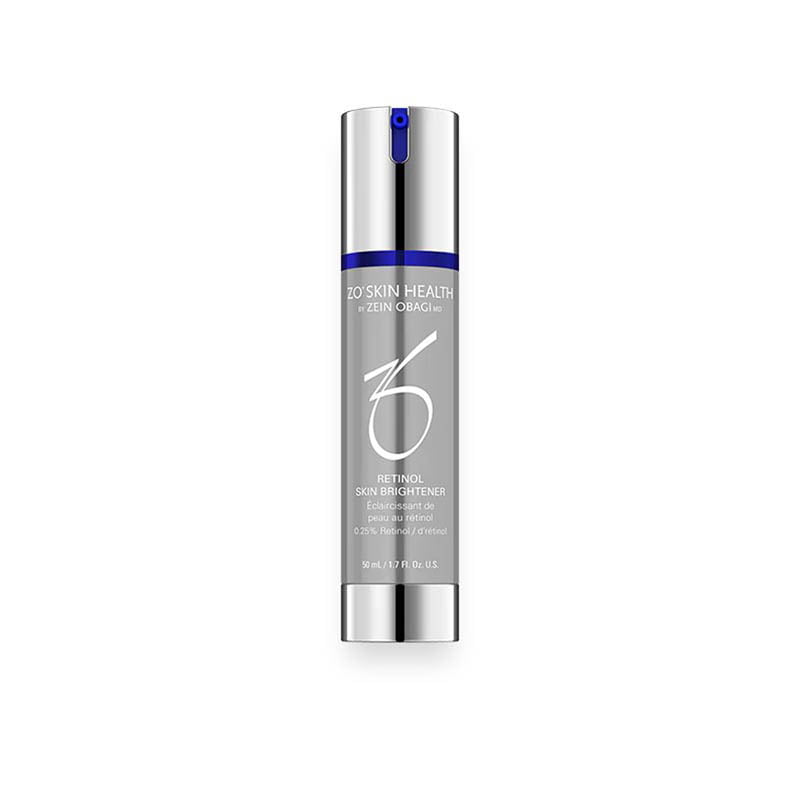
ZO®Retinol Skin Brightener
Order ZO® Retinol Skin Brightener for Clinics
Skin Brightening Solution
Price range: $119.00 through $125.00
You save
Description
ZO® Retinol Skin Brightener is a clinic-directed topical retinol preparation used in professional tone-management and maintenance protocols. Licensed clinics and healthcare professionals can order ZO Retinol Skin Brightener for structured home-use plans, including graded acclimation with strengths such as Retinol Skin Brightener 0.5 and Retinol Skin Brightener 1 when clinically appropriate. It fits best when staff can pair product selection with tolerance screening, sunscreen education, and follow-up review.
Practices use this brightening retinoid to support visible surface renewal, smoother-looking texture, and a more uniform appearance of uneven tone. Because retinoids can cause dryness, peeling, stinging, and sun sensitivity, protocol timing and companion products matter. Med Wholesale Supplies supports professional ordering with vetted supply channels, US distribution, and temperature-controlled handling when required and tracked US delivery.
Price, Strength Selection, and Clinic Ordering
Sign in to view current pricing and clinic purchasing details for ZO® Retinol Skin Brightener. Strength selection should follow the practice’s protocol, the client’s prior retinoid exposure, seasonal factors, and tolerance history. Many clinics introduce ZO Retinol Skin Brightener 0.5 for suitable candidates who need a measured start, while Retinol Skin Brightener 1 or ZO Retinol Skin Brightener 1.0 is commonly reserved for experienced retinoid users under professional direction.
For inventory planning, keep the brightener aligned with the same consultation language used by providers and front-desk staff. A consistent strength-selection pathway helps reduce staff variation, supports more predictable education, and makes follow-up questions easier to triage. Clinics that maintain several ZO Skin Health products may place this item alongside professional skincare selections or within topical creams and serums assortments.
Quick tip: Match the strength stocked on the shelf to the written clinic protocol rather than relying on informal upgrade habits.
What This Retinol Brightener Does
ZO Skin Health Retinol Skin Brightener is designed to improve the visible appearance of uneven tone and texture through retinol-driven surface renewal. Retinol is a vitamin A derivative that encourages normal-looking turnover in the outer layers of skin. In practice, that means the product is used when a clinic wants a structured topical step for dullness, discoloration-looking unevenness, rough texture, or maintenance after a corrective program.
The product is not a one-step substitute for a full regimen. Results and tolerability depend on cleansing habits, moisturization, sun protection, exfoliant frequency, and whether other active products are being used at the same time. Many practices pair retinol education with a mild cleanser and a clear sunscreen discussion so clients understand that visible flaking or dryness can occur during acclimation.
Clinics often position this item as a targeted brightening retinoid rather than a general moisturizer. It can sit within a tone-correction track, a seasonal reconditioning plan, or a maintenance routine after the skin has stabilized. For broader staff education on the category, the article on retinol and visible lines can help explain why retinoids remain common in professional skincare programs.
How Clinics Use It in Professional Protocols
Use is typically directed as part of an evening routine, because retinoids are commonly scheduled at night and require careful daytime photoprotection. Frequency is individualized by the supervising clinic. Some protocols begin with limited application nights and increase only after tolerance is established, while others maintain a steady schedule for experienced users. Staff should avoid giving automatic frequency instructions that ignore sensitivity, recent procedures, exfoliation, or barrier status.
During onboarding, document the current regimen, active exfoliants, acids, benzoyl peroxide use, recent peels, laser timing, pregnancy or breastfeeding considerations, and history of retinoid irritation. This helps the provider decide whether ZO Retinol Skin Brightener 0.25, 0.5, or 1-level use belongs in the plan when those strengths are available for ordering. The goal is not simply to move to a higher strength; the goal is a tolerated routine that supports the clinic’s tone-management endpoint.
Staff workflows usually benefit from short, repeatable instructions. Teams can note when to pause around procedures, when to reduce frequency because of dryness, and when to escalate concerns to the clinical lead. For clinics building a full professional-line plan, ZO Skin Health professional skincare solutions provides useful category context for pairing products without turning every consultation into a new regimen build.
Key Features for Inventory and Consultation
- Professional topical retinol brightener for clinic-directed tone and texture protocols.
- Useful in staged acclimation plans when staff match strength to tolerance.
- Commonly integrated into evening routines with daily broad-spectrum sunscreen guidance.
- Supports consistent consultation language across providers, aestheticians, and retail staff.
- Works within brightening, maintenance, and post-program skincare calendars.
- Can be stocked beside cleansers, exfoliants, moisturizers, and other ZO retinoid products.
- Lot and expiration details should be reviewed on receipt and during shelf rotation.
- External-use product; application directions should come from the clinic protocol.
- Packaging, artwork, and available configurations may vary by market and lot.
- Suitable for professional retail shelves when staff provide appropriate use counseling.
Composition, Mechanism, and Retinol Context
The active component is retinol, a vitamin A derivative used topically in cosmetic and dermatology-oriented skincare programs. Retinol supports visible renewal by influencing epidermal turnover, which can improve the look of dullness and uneven texture over time. The formulation base may include cosmetic ingredients that support feel, spreadability, and stability; clinics should rely on the current package label for the exact ingredient list before counseling or dispensing.
Retinol differs from prescription-strength tretinoin in potency, regulatory handling, and tolerability expectations. That does not make one universally better than the other. Tretinoin may be selected for medical indications under clinician direction, while retinol products are often chosen for professional cosmetic protocols that need a more gradual acclimation path. For a practitioner-focused comparison, see tretinoin vs retinol for medical practitioners.
Because ZO® Retinol Skin Brightener is part of a broader ZO Skin Health ecosystem, clinics can coordinate its use with antioxidant, barrier, exfoliation, and repair products. The practical decision is whether the client needs a brightening retinoid, a texture-focused retinoid, or a gentler supporting regimen before introducing stronger actives.
Safety, Tolerance, and Monitoring
Retinol products can cause dryness, redness, peeling, tightness, burning, or temporary irritation, especially when introduced too quickly or combined with other exfoliating actives. Clinics should screen for compromised barrier function, recent aggressive procedures, high sun exposure, and known sensitivity before recommending use. Clients should be told to report severe irritation, swelling, persistent burning, or symptoms that do not improve after pausing or modifying the routine under professional guidance.
Daily broad-spectrum sunscreen is essential during retinoid use because renewed or irritated skin can be more sun sensitive. Staff should also discuss avoiding overuse, applying only as directed, and not layering multiple retinoids unless the clinical lead has approved the plan. Pregnancy and breastfeeding questions should be escalated to the appropriate healthcare professional, since vitamin A-related products require careful risk discussion.
For rosacea-prone or very reactive skin, the best retinol is often the one that can be tolerated within a controlled regimen, not necessarily the strongest strength. Some clinics may choose barrier-supportive steps first or use redness-focused products before adding a retinoid. Antioxidant and barrier discussions can be supported by antioxidants in skincare when staff need concise educational context.
Packaging, Handling, and Shelf Management
Clinics should review the unit packaging on arrival for lot number, expiration date, seal condition, and strength identification. Store according to the product label and clinic policy, and avoid placing retinoid inventory in areas with excessive heat, direct light, or unmanaged humidity. If temperature-sensitive handling is indicated for a shipment, follow the handling instructions supplied with the order.
Good shelf management matters because brightening protocols often require consistent replenishment. Rotate stock by expiration date, separate strengths clearly, and train staff to confirm the correct item before checkout or treatment-plan handoff. A small visual difference between strengths can create workflow risk if the clinic does not use a defined storage location or product-pull process.
For multi-location practices, standardize naming in internal menus. Staff may use terms such as ZO Retinol Cream, ZO Skin Health Retinol 0.5, or ZO Obagi Retinol 1.0 in conversation, but inventory records should mirror the label as closely as possible. This reduces confusion when reordering, preparing client kits, or auditing product movement.
Related ZO Products and Protocol Pairings
ZO® Retinol Skin Brightener is most useful when the surrounding regimen supports tolerance. Some practices pair brightening retinoids with texture-directed or repair-oriented topicals when a provider wants a step-up plan or a transition between protocols. Product choice should be based on the clinical goal, skin response, and the number of active ingredients already present.
For texture-focused retinoid pathways, ZO® Wrinkle + Texture Repair may be considered as a related professional option. For more intensive evening retinoid programs, ZO® Radical Night Repair can support a separate protocol direction when appropriate. Clinics that need daily barrier and environmental support often evaluate ZO® Daily Power Defense as part of maintenance planning.
Mechanical exfoliation should be used cautiously around retinoids. ZO® Exfoliating Polish can be useful in some professional routines, but frequency should be adjusted when dryness or peeling appears. If the plan already includes exfoliation, acids, or procedure recovery, simplify the regimen before increasing retinol exposure.
Comparable Brightening and Texture Decisions
Clinics frequently compare ZO Retinol Skin Brightener with other brightening or texture products in the same line. The main decision is whether the protocol requires retinol-driven renewal, non-retinol brightening support, barrier reinforcement, or a texture-focused repair step. ZO Brightalive Skin Brightener may enter the discussion as a non-retinol brightening concept, while retinol-based options address turnover more directly.
When staff are asked whether retinol is better than tretinoin, answer in terms of fit rather than superiority. Retinol can be easier to stage in cosmetic maintenance plans, while tretinoin belongs in clinician-directed medical treatment decisions. A clinic may stock both categories for different reasons, but they should not be interchanged casually.
Before recommending an alternative, identify the problem the protocol is trying to solve. Uneven tone, rough texture, visible fine lines, redness-prone sensitivity, and barrier weakness can require different product paths. This decision framework helps prevent overloading the regimen with too many actives and makes follow-up evaluations more meaningful.
Professional Documentation and Staff Workflow
For consistent use, document the selected strength, starting frequency, companion products, pause instructions, and follow-up timing. Include sunscreen counseling and irritation-management steps in the clinic’s standard notes. This supports continuity when different staff members handle the consultation, reorder, or post-treatment check-in.
Training should cover how to identify early irritation, how to distinguish expected acclimation from excessive reaction, and when to escalate questions. Staff should also know which products should not be layered without provider approval. A simple protocol card can reduce errors, especially when the clinic stocks multiple strengths such as ZO Retinol Skin Brightener 0.25, ZO Retinol Skin Brightener 0.5, and ZO Retinol Skin Brightener 1.
For retail operations, keep the education concise and consistent. The most useful counseling points are evening use when directed, gradual acclimation, sunscreen, avoidance of unnecessary active stacking, and contacting the clinic for severe or persistent irritation. Those points are easier to repeat than long ingredient explanations and more relevant to safe adherence.
Authoritative Sources
Use current package labeling and manufacturer materials provided with the unit for ingredient, direction, and warning details. For broader clinical context, retinoid safety and use principles are commonly addressed in dermatology references and professional guidance. Clinics should rely on their medical lead for protocol-specific decisions, especially around procedures, pregnancy or breastfeeding questions, and sensitive-skin conditions.
This content is for informational purposes only and is not a substitute for professional medical advice.
Frequently Asked Questions
What does ZO® Retinol Skin Brightener do?
It is a topical retinol brightener used in clinic-directed skincare protocols to support visible surface renewal, smoother-looking texture, and a more even-looking tone. It should be paired with sunscreen guidance and tolerance monitoring.
How often should clinics instruct clients to use it?
Frequency should follow the clinic’s protocol and the individual tolerance assessment. Many retinoid plans use gradual acclimation, then adjust based on dryness, redness, peeling, recent procedures, and other active products in the routine.
Is ZO® Retinol Skin Brightener better than tretinoin?
They are different tools. Retinol products are often used in professional cosmetic protocols with staged acclimation, while tretinoin is a prescription retinoid used for clinician-directed medical treatment decisions. Selection should match the clinical goal and tolerance profile.
Which strength should a clinic stock first?
Stocking depends on the clinic’s protocols and client mix. Retinol Skin Brightener 0.5 is commonly used for suitable onboarding, while Retinol Skin Brightener 1 or 1.0 is typically reserved for experienced retinoid users under professional direction.
What precautions should staff discuss with retinol brightener users?
Staff should discuss dryness, peeling, redness, sun sensitivity, sunscreen use, avoiding unnecessary active layering, and when to contact the clinic. Pregnancy or breastfeeding questions should be escalated to the appropriate healthcare professional.
Specifications
- Main Ingredient: Retinol
- Manufacturer: ZO Skin Health Inc.
- Drug Class: Topical Anti-Aging Agent
- Generic Name: Retinol Skin Brightener
- Package Contents: 50 mL
- Storage Requirements: Room Temperature (2℃~25℃)
- Main Usage: Skin Pigmentation
About the Brand
Zo Skin Health (Rozatrol™)
Zo Skin Health: Premium Skincare Solutions for All Your Needs Zo Skin Health (Zo Rozatrol™) is a groundbreaking medical brand, providing top-of-the-line skincare solutions designed for both women and men who are serious about taking care of their appearance. With a focus on advanced science and innovative formulations, Zo Skin Health products deliver real results, addressing a wide range of skin concerns from acne to aging. Zo Rozatrol™: Targeted Care for Rosacea-Prone Skin Among Zo Skin Health's impressive lineup, Zo Rozatrol™ stands out for its specialized care for rosacea-prone skin. This clinically-proven formula harnesses advanced ingredients to reduce inflammation and redness, minimize pores, and improve skin tone and texture. The effectiveness and innovation of Zo Rozatrol™ set it apart from other skincare solutions, making it a top choice for those struggling with rosacea. Where to Buy Zo Skin Health Products Looking to purchase Zo Skin Health products? Medwholesalesupplies.com is your go-to source. As an authorized dealer, we ensure that you are getting genuine Zo Skin Health products at the most competitive prices. Our user-friendly ordering process and fast delivery make it easy for both medical professionals and skincare enthusiasts to access these exceptional products. Transformative Results with Zo Skin Health The effectiveness of Zo Skin Health products can be seen in the remarkable before and after transformations of users. Whether you're targeting wrinkles, texture, or overall skin health, Zo Skin Health wrinkle and texture repair solutions provide visible improvements that enhance your skin's appearance and boost your confidence. Your Trusted Partner in Skincare At medwholesalesupplies.com, we understand the importance of quality skincare. By partnering with Zo Skin Health, we bring their exceptional products closer to you. Shopping with us means not only investing in authentic products but also benefiting from first-rate customer service and support. Achieve Glowing, Healthy Skin Don't let skin issues hinder your journey towards achieving glowing and healthy skin. Explore our selection of Zo Skin Health products today and discover the difference they can make. From reducing the signs of aging to treating specific conditions like rosacea, Zo Skin Health has a solution for you. Visit medwholesalesupplies.com now to make your purchase and take the first step towards healthier, more beautiful skin.
Browse Zo Skin Health (Rozatrol™) Products
Here to help
Questions about ordering, delivery or products? You can email our team here or call now at 1-800-630-9757 and be connected with your dedicated Account Manager
Related Products
Prolia® (International English)
Prescription Medication
$529.00 - $549.00
You save
You save
Evenity® (English Alternative)
Injectable Medication
$1,229.00 - $1,299.00
You save
You save
Intraline® For Men
Dermal Filler
$59.00 - $79.00
You save
You save
RejuvaNAD+ Pro
Injectable Medication
$237.00 - $249.00
You save
You save
Related Articles
Prednisone in Clinical Care: Uses, Risks, and Monitoring
Prednisone is a prescription systemic corticosteroid used to reduce inflammation or suppress immune activity in…
Lip Fillers Swelling Stages: Timeline, Safety, and Follow-Up
Lip fillers swelling stages usually follow a short inflammatory course: swelling appears soon after injection,…
Hypopigmentation of the Skin: Assessment and Care
Hypopigmentation of the skin means one or more areas look lighter than the surrounding skin.…
Radiesse vs Sculptra: Selection Factors for Clinics
Radiesse vs Sculptra is best understood as a comparison between two collagen-stimulating injectables with different…
Hyaluronic Acid Under-Eye Filler: Safety and Workflow
Hyaluronic acid under-eye filler is an injectable soft-tissue filler used by trained aesthetic clinicians to…
Dermal Filler Types: Materials, Uses, and Clinic Fit
Dermal filler types are usually grouped by their base material, tissue behavior, and expected role…
What Is Dysport? Clinical Uses, Safety, and Workflow
For clinic teams asking what is Dysport, the short answer is simple: Dysport is a…
Biostimulators in Aesthetic Care: Selection and Safety
Biostimulators are injectable aesthetic products used to encourage a controlled tissue response, often involving new…