

- You must be logged in to add items to the cart.
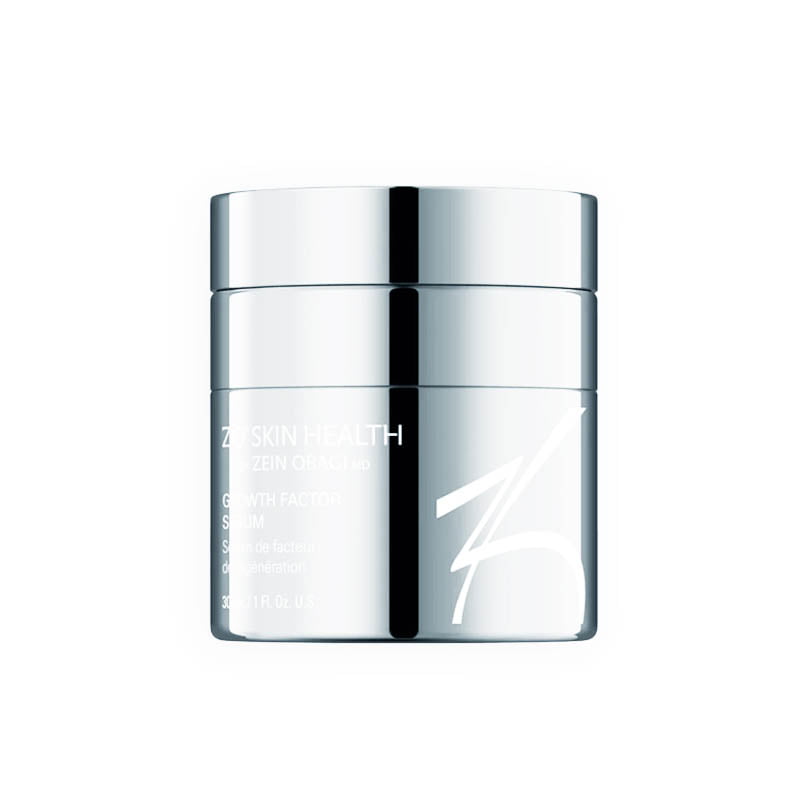
ZO® Skin Health Growth Factor Serum
Order ZO® Skin Health Growth Factor Serum for Clinics
Serum
$148.00
You save (%)
Description
ZO® Skin Health Growth Factor Serum is a professional topical serum supplied in a 30 mL jar for external use on intact skin. Licensed clinics, med spas, and healthcare professionals can order ZO Growth Factor Serum for clinics as a back-bar product or as part of supervised home-care protocols. The jar format supports measured dispensing by trained staff during finishing steps, skincare consultations, and regimen planning.
This serum is used in aesthetic skincare routines that focus on surface hydration, smoother texture, and a polished finish after cleansing. Its lightweight silicone-elastomer feel helps the product glide evenly, while humectants such as glycerin and sodium hyaluronate support moisture at the skin surface. Avoid applying it to compromised, irritated, or broken skin unless a supervising clinician has evaluated the protocol.
Professional Ordering, Price, and Clinic Supply
Clinics can sign in to view current ZO Growth Factor Serum price information, account-based terms, and ordering options for the 30 mL jar. Pricing can vary by account status, order size, and distributor intake, so procurement teams should use live account information when building service-line kits or replenishment lists. For multi-location practices, keeping the serum under one standardized item record can reduce ordering errors and support consistent staff education.
Med Wholesale Supplies serves licensed clinics and healthcare professionals with brand-name medical and aesthetic products sourced through vetted distributors and verified supply channels. Order details may be reviewed to support professional-use supply requirements, especially when products are assigned to treatment rooms or curated post-care assortments. US distribution and reliable US logistics help teams align replenishment with appointment schedules, without relying on consumer marketplace channels.
Quick tip: Record the product name, SKU, quantity, receipt date, and internal location when units arrive.
What It Does in a Professional Skincare Regimen
ZO Skin Health Growth Factor Serum is positioned as a finishing or maintenance serum in professional skincare routines. In practical clinic terms, it adds slip, supports surface hydration, and helps create a smooth feel before sunscreen, moisturizer, or cosmetics. It is not a sterile wound-care product and should not be treated as a substitute for procedure-specific aftercare instructions.
Common questions about what the serum does often center on expression lines, visible texture, firmness, and hydration. Clinics should frame those expectations responsibly: the product may support the appearance and feel of skin as part of a consistent regimen, but individual visible changes depend on skin type, baseline condition, frequency of use, sun protection, and the rest of the protocol. Before-and-after discussions should be documented carefully and should avoid guaranteed outcomes.
For regimen design, teams may browse professional skincare categories such as Skincare and Creams and Serums. Broader ZO assortment planning is also covered in Professional Skincare Solutions, which can help practices organize retail shelves, post-treatment kits, and maintenance routines.
How Clinics Commonly Use the 30 mL Jar
In treatment-room workflows, staff often apply a small measured amount after gentle cleansing and before daytime photoprotection. In supervised home-care instructions, clinicians may place it after lighter water-based products and before moisturizer or sunscreen, depending on the complete regimen. If a protocol includes stronger exfoliating acids, retinoids, or resurfacing steps, spacing products can help reduce avoidable irritation.
For the question of whether ZO Growth Factor Serum is used before or after moisturizer, many clinics place it before moisturizer because its serum texture spreads easily over clean skin. That sequence is not universal. The supervising provider should decide placement based on the patient’s skin tolerance, barrier condition, time of day, and other actives in the program.
The jar format supports controlled dispensing with a clean spatula or disposable applicator. Staff should avoid dipping fingers into the jar, sharing applicators, or leaving the lid open on a treatment cart. These steps are simple, but they protect product quality and reinforce professional handling standards.
Texture, Ingredients, and Formula Profile
The formula uses a lightweight silicone-elastomer system to create a smooth, breathable-feeling layer on the skin. Cyclopentasiloxane, dimethicone, and polysilicone-11 contribute glide and a non-greasy finish. Glycerin, butylene glycol, and sodium hyaluronate act as humectants, meaning they help attract and hold water at the skin surface.
Manufacturer-provided ingredient information includes water, glycerin, cyclopentasiloxane, dimethicone, butylene glycol, polysilicone-11, sodium chloride, sodium hyaluronate, sodium hydroxide, disodium EDTA, phenoxyethanol, ethylhexylglycerin, potassium sorbate, fragrance, hydroxyisohexyl 3-cyclohexene carboxaldehyde, butylphenyl methylpropional, and linalool. Review the ingredient list during intake for clients with fragrance sensitivity, preservative sensitivity, or a recent history of reactive skin.
Because the serum contains fragrance components, clinics may choose patch testing or gradual introduction for sensitive complexions. This is especially relevant when the same routine includes retinol, exfoliating acids, benzoyl peroxide, or device-related aftercare. A conservative introduction can make it easier to identify which product is responsible if redness, stinging, or dryness develops.
Key Features for Aesthetic Practices
- Professional topical serum for external use on intact skin.
- 30 mL jar presentation suitable for measured back-bar dispensing.
- Silky application feel from silicone-based emollients and elastomers.
- Humectant support from glycerin, butylene glycol, and sodium hyaluronate.
- Layers readily within daytime routines that include broad-spectrum sunscreen.
- Useful in maintenance kits, facial finishing steps, and supervised home-care plans.
- Contains fragrance and listed fragrance allergens that require sensitivity screening.
- SKU 88083 supports consistent inventory tracking and reorder documentation.
Benefits and Decision Factors for Clinics
The operational value of this serum is consistency. A predictable texture helps providers finish facials, consultations, or non-invasive skincare sessions without adding heavy residue. The quick-spreading feel can also support smoother sunscreen application, which is important when staff are reinforcing daily photoprotection after aesthetic services.
Whether the product is worth the cost for a clinic depends on use case, client profile, retail strategy, and how tightly the practice standardizes regimens. A serum that fits multiple routines can reduce shelf complexity, while a more targeted product may be better for practices that separate redness, retinoid, texture, or antioxidant protocols. Teams should evaluate reorder velocity, client tolerance notes, and the number of services where the texture is genuinely useful.
For adjunct planning, some practices pair this serum with ZO® Daily Power Defense in maintenance routines. Others reserve a different texture or corrective focus, such as ZO® Rozatrol Normalizing Serum, for clients who need a normalizing regimen. The best choice should reflect the provider’s assessment, skin history, and tolerance of active ingredients.
Safety, Tolerability, and Documentation
ZO Growth Factor Serum is a cosmetic topical product for professional skincare use, but responsible screening still matters. Do not apply it over open wounds, active irritation, burns, infection, or freshly compromised skin unless the supervising clinician has determined that the area is appropriate for topical cosmetic care. Discontinue use and reassess the regimen if persistent burning, swelling, rash, or significant redness occurs.
Mild temporary redness, tingling, dryness, or irritation can occur with topical skincare products, especially when multiple actives are introduced together. Staff should document baseline skin condition, known sensitivities, current retinoid or acid use, and any reaction history before assigning home-care use. Clear notes also help multi-provider teams avoid stacking exfoliants or retinoids too aggressively.
Clinics should avoid presenting online reviews or before-and-after photos as proof of a guaranteed result. Reviews can help teams understand texture preferences and patient-reported experience, but they do not replace clinical evaluation. When patient education materials mention visible texture, expression lines, or hydration, use balanced language and pair the discussion with sunscreen adherence, realistic timelines, and follow-up assessment.
Storage, Handling, and Inventory Control
Store the jar closed and away from direct heat and light. Keep it in a clean skincare storage area rather than near sinks, open treatment fluids, or heat-generating devices. If the serum is used as back-bar stock, assign one unit to a treatment room or product station and track opening dates according to clinic policy.
On receipt, inspect the outer packaging, jar condition, SKU, and lot information when present. Document discrepancies promptly and separate any damaged item from active inventory until it is resolved. For larger orders, temperature-controlled handling when required and tracked US delivery can support receiving workflows, especially when clinics consolidate skincare with other aesthetic supplies.
Staff training should cover hand hygiene, clean applicator use, lid closure, and avoiding cross-contact between products. These handling habits are particularly important for jar packaging, where repeated access can introduce debris if technique is poor. Written procedures help maintain the same standard across treatment rooms and locations.
Comparable Products and Regimen Planning
Growth Factor Serum fits best as a hydration-forward, texture-friendly serum within a professional skincare menu. It may sit alongside corrective, calming, or retinoid-based products, but it should not be substituted automatically for every serum in a protocol. The clinical lead should define when staff recommend it, when they postpone it, and when they choose a different product class.
For visible texture and retinoid-centered routines, practices may evaluate ZO® Wrinkle + Texture Repair or broader retinoid education such as retinol use for fine lines and wrinkles. For night-focused corrective programs, ZO® Radical Night Repair may be considered when the provider has assessed tolerance and protocol fit.
Clinics building an anti-aging or rejuvenation menu can also use anti-aging peptide education to train staff on how ingredient categories are discussed with clients. Keep product comparisons practical: texture, tolerance, regimen step, active intensity, and inventory role usually matter more than broad claims about which serum is best.
Authoritative Sources
Use authoritative cosmetic-safety references for general regulatory context, and rely on the product’s current packaging and manufacturer materials for ingredient and use directions. Clinic protocols should reflect professional judgment, staff training, and documentation standards rather than consumer review trends alone.
This content is for informational purposes only and is not a substitute for professional medical advice.
Frequently Asked Questions
What does ZO® Skin Health Growth Factor Serum do in clinic protocols?
It is used as a professional topical serum for intact skin, often as a finishing or maintenance step. Clinics use it to support a smooth feel, surface hydration, and regimen continuity alongside sunscreen, moisturizers, or other provider-selected skincare products.
How should staff apply ZO Growth Factor Serum with moisturizer?
Many clinics place the serum after cleansing and before moisturizer or sunscreen because of its lightweight texture. The final sequence should follow the clinic’s protocol and account for other actives, sensitivity history, and the client’s barrier condition.
Does the 30 mL jar require special handling?
Store the jar closed and away from direct heat and light. Use a clean spatula or disposable applicator for back-bar dispensing, avoid finger dipping, and document opening dates according to clinic policy.
What ingredients should clinics screen for sensitivity?
The formula includes humectants, silicones, preservatives, fragrance, and listed fragrance allergens such as linalool. Clinics should review the ingredient list with clients who report fragrance sensitivity, reactive skin, or recent irritation from topical products.
How can clinics evaluate whether the serum fits their assortment?
Assess where it fits in service menus, how often staff use it, client tolerance notes, reorder velocity, and whether the texture supports standardized finishing or home-care routines. Compare it with calming, retinoid, or corrective products based on protocol goals.
Specifications
- Main Ingredient: Growth Factors, Antioxidants
- Manufacturer: ZO Skin Health, Inc.
- Drug Class: Topical Skin Rejuvenation Treatment
- Generic Name: Growth Factor Serum
- Package Contents: 30 mL
- Storage Requirements: Room Temperature (2℃~25℃)
- Main Usage: Serum
About the Brand
Zo Skin Health (Rozatrol™)
Zo Skin Health: Premium Skincare Solutions for All Your Needs Zo Skin Health (Zo Rozatrol™) is a groundbreaking medical brand, providing top-of-the-line skincare solutions designed for both women and men who are serious about taking care of their appearance. With a focus on advanced science and innovative formulations, Zo Skin Health products deliver real results, addressing a wide range of skin concerns from acne to aging. Zo Rozatrol™: Targeted Care for Rosacea-Prone Skin Among Zo Skin Health's impressive lineup, Zo Rozatrol™ stands out for its specialized care for rosacea-prone skin. This clinically-proven formula harnesses advanced ingredients to reduce inflammation and redness, minimize pores, and improve skin tone and texture. The effectiveness and innovation of Zo Rozatrol™ set it apart from other skincare solutions, making it a top choice for those struggling with rosacea. Where to Buy Zo Skin Health Products Looking to purchase Zo Skin Health products? Medwholesalesupplies.com is your go-to source. As an authorized dealer, we ensure that you are getting genuine Zo Skin Health products at the most competitive prices. Our user-friendly ordering process and fast delivery make it easy for both medical professionals and skincare enthusiasts to access these exceptional products. Transformative Results with Zo Skin Health The effectiveness of Zo Skin Health products can be seen in the remarkable before and after transformations of users. Whether you're targeting wrinkles, texture, or overall skin health, Zo Skin Health wrinkle and texture repair solutions provide visible improvements that enhance your skin's appearance and boost your confidence. Your Trusted Partner in Skincare At medwholesalesupplies.com, we understand the importance of quality skincare. By partnering with Zo Skin Health, we bring their exceptional products closer to you. Shopping with us means not only investing in authentic products but also benefiting from first-rate customer service and support. Achieve Glowing, Healthy Skin Don't let skin issues hinder your journey towards achieving glowing and healthy skin. Explore our selection of Zo Skin Health products today and discover the difference they can make. From reducing the signs of aging to treating specific conditions like rosacea, Zo Skin Health has a solution for you. Visit medwholesalesupplies.com now to make your purchase and take the first step towards healthier, more beautiful skin.
Browse Zo Skin Health (Rozatrol™) Products
Here to help
Questions about ordering, delivery or products? You can email our team here or call now at 1-800-630-9757 and be connected with your dedicated Account Manager
Related Products
JALUPRO® PLUS 4ML
Skin Rejuvenation Treatment
$86.00 - $89.00
You save (%)
You save (%)
$339.00
You save (%)
You save (%)
Select options
This product has multiple variants. The options may be chosen on the product page
Juvéderm® SKINVIVE
Dermal Filler
$339.00 - $359.00
You save (%)
You save (%)
$86.00 - $119.00
You save (%)
You save (%)
Related Articles
Prednisone in Clinical Care: Uses, Risks, and Monitoring
Prednisone is a prescription systemic corticosteroid used to reduce inflammation or suppress immune activity in…
Lip Fillers Swelling Stages: Timeline, Safety, and Follow-Up
Lip fillers swelling stages usually follow a short inflammatory course: swelling appears soon after injection,…
Hypopigmentation of the Skin: Assessment and Care
Hypopigmentation of the skin means one or more areas look lighter than the surrounding skin.…
Radiesse vs Sculptra: Selection Factors for Clinics
Radiesse vs Sculptra is best understood as a comparison between two collagen-stimulating injectables with different…
Hyaluronic Acid Under-Eye Filler: Safety and Workflow
Hyaluronic acid under-eye filler is an injectable soft-tissue filler used by trained aesthetic clinicians to…
Dermal Filler Types: Materials, Uses, and Clinic Fit
Dermal filler types are usually grouped by their base material, tissue behavior, and expected role…
What Is Dysport? Clinical Uses, Safety, and Workflow
For clinic teams asking what is Dysport, the short answer is simple: Dysport is a…
Biostimulators in Aesthetic Care: Selection and Safety
Biostimulators are injectable aesthetic products used to encourage a controlled tissue response, often involving new…