

- You must be logged in to add items to the cart.
$69.00
You save (%)
Description
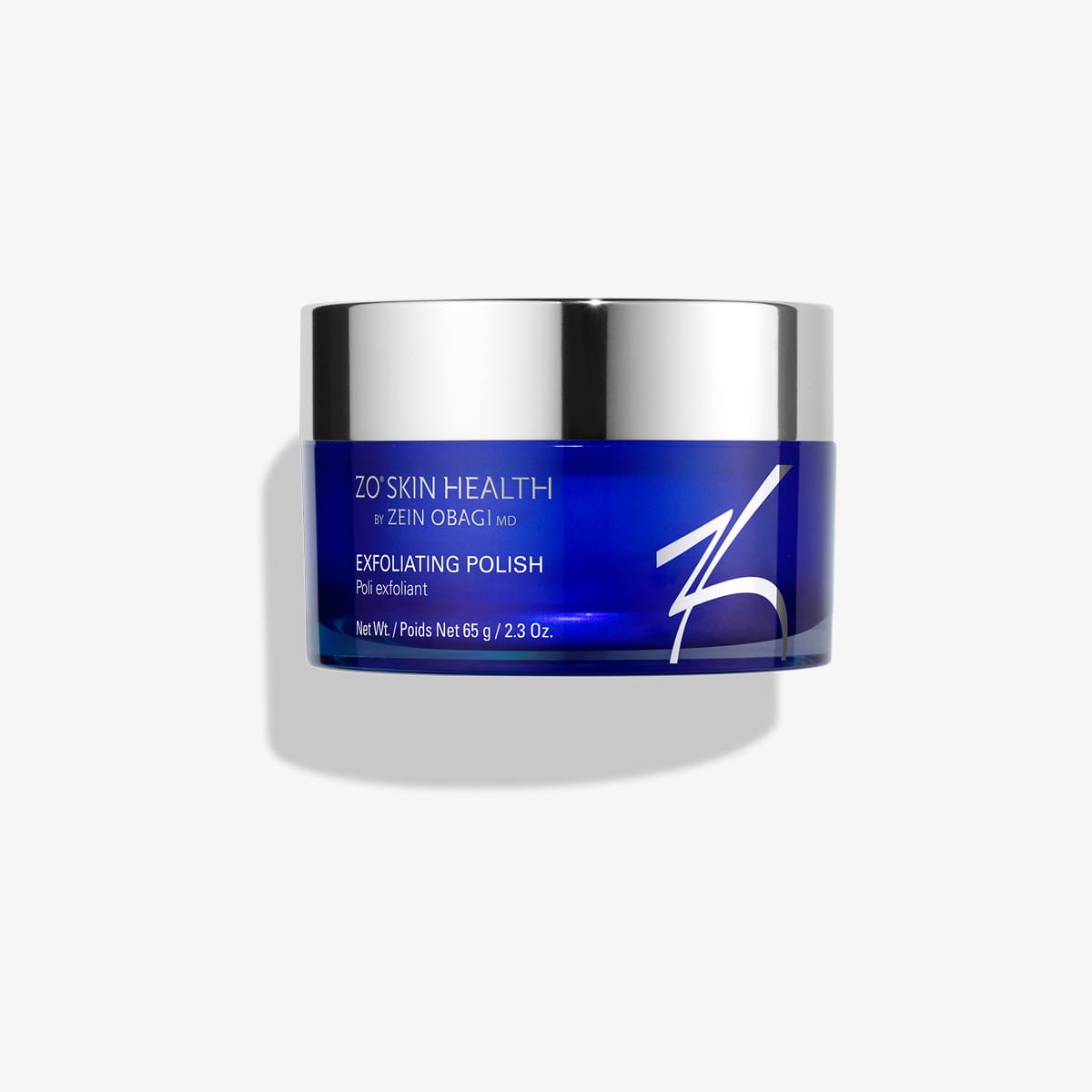
ZO® Exfoliating Polish is a professional exfoliating face polish used in clinic skincare programs to buff away superficial buildup and support a smoother-looking skin surface. Licensed clinics, med spas, aesthetic practices, and healthcare professionals can order ZO Exfoliating Polish 65g for treatment-room planning, staff demonstration, and professional retail programs. The 65g, 2.3 oz jar format matters for inventory control because teams need to match the exact jar size, dispensing method, and protocol role before stock enters the clinic.
This ZO Skin Health face polish is best positioned as a mechanical exfoliation step, not as a cleanser, chemical peel, prescription topical, or post-procedure recovery product. Clinic teams should use current packaging directions, internal protocols, and clinician assessment when deciding how the polish fits with cleansers, toners, retinoids, peels, and barrier-support routines.
ZO Exfoliating Polish Price, 65g Jar, and Clinic Ordering
The ZO Exfoliating Polish price should be assessed against the 65g jar presentation and the quantity your clinic needs for professional use. A single jar for staff demonstration has different handling, hygiene, and replacement needs than multiple jars stocked for professional retail or recurring skincare programs. Match the product name, jar size, and expected use before completing a wholesale purchase.
Buy ZO Exfoliating Polish online when your clinic needs a physical exfoliation step within a ZO Skin Health assortment or an existing professional skincare plan. MedWholesaleSupplies serves licensed clinics and healthcare professionals, with brand-name medical and skincare products sourced through vetted distributors and verified supply channels. Clinic documentation or professional-use account details may be requested when appropriate for wholesale ordering.
| Ordering point | What to verify | Clinic reason |
|---|---|---|
| Product identity | ZO® Exfoliating Polish | Prevents substitution with a cleanser, peel, or serum |
| Jar size | 65g / 2.3 oz when shown for the item | Supports shelf labels, intake notes, and reorder accuracy |
| Quantity | Backbar, demonstration, or retail stock needs | Reduces overstocking and stockouts |
| Receiving records | Carton condition, lot, expiry, and invoice | Supports traceability and internal inventory control |
| Protocol role | Mechanical exfoliation within a skincare plan | Keeps staff guidance consistent across consultations |
Quick tip: Keep one staff-facing shelf label format for ZO Exfoliating Polish 65g and ZO Exfoliating Polish 2.3 oz so receiving teams do not treat them as separate items.
How to Order ZO® Exfoliating Polish for Clinics
Order ZO Exfoliating Polish online by choosing the jar and quantity that match your clinic’s skincare workflow. Purchasing teams should align order volume with appointment demand, professional retail plans, staff training needs, and storage capacity. If your clinic also stocks other ZO products, keep the polish separate from daily cleansing, toner, retinol, and treatment-serum categories in your inventory system.
Before checkout, confirm the account information, clinic receiving address, and staff member responsible for intake inspection. Reliable US logistics and tracked US delivery can support receiving records, while temperature-controlled handling when required helps clinics plan how incoming inventory is accepted and documented. This logistics planning does not replace the product label or your internal stock-control policies.
- Match the name: Use the ZO® Exfoliating Polish name in purchase and shelf records.
- Match the size: Confirm 65g and 2.3 oz references where they appear.
- Assign receiving: Have trained staff inspect cartons before shelving.
- Separate stock types: Distinguish demonstration units from retail inventory.
- Record rotation: Enter lot and expiry details according to clinic procedure.
For broader line planning, the ZO Collection can help teams group ZO cleansers, toners, exfoliation products, and treatment items within a consistent brand assortment.
Professional Skincare Role and Formula Details
ZO Skin Health Exfoliating Polish is commonly recognized as a ZO magnesium crystal exfoliator. Fine magnesium oxide crystals provide physical exfoliation by polishing surface buildup from the stratum corneum, the outermost layer of the epidermis. In plain terms, the product uses small particles and light friction to help remove dull surface cells when used appropriately.
The polish should be treated as a specific exfoliation step rather than a substitute for routine cleansing or a professional peel. Mechanical exfoliation works through touch and movement; chemical exfoliation relies on acids or similar ingredients; retinoid products affect renewal pathways differently. That distinction matters because each category has different tolerability considerations, staff instructions, and timing around procedures.
Ingredient panels can change, so clinics should use the jar and carton as the source for current ZO Exfoliating Polish ingredients. This is especially important for clients with known sensitivities, fragrance reactions, contact dermatitis history, or a tendency toward irritation from active skincare. Informal ZO Exfoliating Polish reviews may help staff understand client perceptions, but they should not replace label checks or clinician screening.
The ZO Skin Health products article can support staff education on brand-line positioning, while final use should remain tied to the current label and the client’s skin condition.
How to Use ZO Exfoliating Polish in Clinic Protocols
How to use ZO Exfoliating Polish should be explained as light-touch polishing, not aggressive scrubbing. Staff should generally introduce it after cleansing, use limited pressure, avoid the eye area and mucosa, and rinse thoroughly before the next skincare step. Exact technique and timing should follow the current manufacturer directions and your supervising clinician’s protocol.
How often to use ZO Exfoliating Polish depends on skin tolerance, active products, and procedure timing. Many professional skincare routines use physical exfoliation only a few times weekly, while sensitive, recently treated, or barrier-impaired skin may require less frequent use or a pause. Escalating frequency to speed visible texture change can increase irritation risk.
- Prepare skin: Begin with cleansing steps approved in your clinic protocol.
- Use gentle movement: Avoid forceful pressure and repeated passes.
- Avoid delicate areas: Keep crystals away from eyelids, lips, and mucosal tissue.
- Rinse completely: Remove residue before toner, serum, moisturizer, or sunscreen.
- Stop if reactive: Pause use if burning, abrasion, or unusual redness develops.
Shared demonstration jars require hygienic dispensing. Use a clean spatula or single-use applicator, avoid repeated finger contact, and keep water out of the container. This protects product condition and reinforces a professional client-facing workflow.
Safety Checks for Sensitive, Reactive, or Procedure-Adjacent Skin
A ZO exfoliating scrub for face use can be too stimulating when friction overlaps with retinoids, acids, acne products, recent in-clinic procedures, sunburn, dermatitis, or impaired barrier function. Screen for visible irritation, open lesions, scaling, heat, persistent redness, and known sensitivity to formula components before recommending the polish for homecare or demonstration use.
Rosacea-prone skin deserves conservative assessment. The practical question is whether the current skin state can tolerate mechanical friction. Clients with flushing, stinging, papules, pustules, or barrier disruption should be evaluated by an appropriate clinician before exfoliation is added. Some clients may need a different product category or a delay until reactivity improves.
Adverse effects may include stinging, redness, dryness, tightness, abrasion, or worsening irritation. Document unexpected reactions, review technique and frequency, and reassess the surrounding skincare plan before reintroducing friction-based exfoliation. Moisturizer and sun protection may be important supportive steps when consistent with the clinic protocol.
- Recent peels or lasers: Review timing before adding physical exfoliation.
- Microneedling or injectables: Avoid unnecessary friction during recovery windows.
- Active homecare: Consider retinoids, exfoliating acids, benzoyl peroxide, and prescription creams.
- Barrier signs: Watch for tightness, scaling, heat, or persistent redness.
- Client technique: Reinforce light pressure and limited frequency.
Why it matters: Mechanical exfoliation can feel simple, but poor timing or heavy pressure can compromise tolerance.
Storage, Handling, and Stock Rotation
Store the ZO Exfoliating Polish jar according to the container label, away from avoidable heat, moisture, and prolonged open-lid exposure. Secure the cap after dispensing, and keep demonstration stock separate from retail stock if your clinic tracks those categories. Receiving staff should record carton condition, lot number, expiry, and any packaging concerns before the product enters usable inventory.
Jar hygiene is important because repeated handling can affect product condition. Use clean tools, avoid adding water into the jar, and remove any unit from stock if the seal appears broken, the carton is damaged, the label is unclear, or the texture seems inconsistent with expectations. Staff should know who reports receiving discrepancies and where those notes are stored.
Inventory rotation should reflect realistic use. A product opened for demonstrations may not follow the same shelf pathway as unopened retail stock. Clinic managers can reduce waste by assigning one active demonstration jar, training staff on hygienic access, and scheduling periodic reviews of open and unopened units.
Compare Related Professional Skincare Options
Clinics comparing a ZO face exfoliator with other skincare steps should separate cleansing, toning, physical exfoliation, chemical exfoliation, retinoid support, hydration, and procedure aftercare. The professional skincare category is useful for browsing clinic-focused skincare products by role, brand, or protocol need.
If the plan needs a gentle cleansing step before exfoliation, compare ZO Gentle Cleanser rather than using the polish as a daily cleanser. When a balancing step is needed after cleansing, ZO Calming Toner pH Balancer belongs to a different functional category than mechanical exfoliation.
Clinics using active renewal programs may also evaluate ZO Retinol, which requires different tolerance screening and client education than a physical polish. If your protocols include professional exfoliating gels, Argipeel Exfoliating Gel and Azelac Peel Exfoliating Gel should be assessed as separate products with their own directions, indications, and precautions.
For educational context on another exfoliation category, the Argipeel exfoliating gel article may help staff distinguish product roles without treating gels, polishes, and peels as interchangeable.
What to Confirm Before Checkout
Before checkout, confirm that the cart reflects ZO Exfoliating Polish 65g, also described in some product searches as ZO Skin Health Exfoliating Polish 65g or ZO Exfoliating Polish 2.3 oz. Small naming differences can create receiving errors, so staff should verify the product identity and jar size together.
Make the quantity decision from clinic use, not from general popularity or online review volume. A busy retail program may need multiple jars available for sale, while a training-focused purchase may require one controlled demonstration unit. If the polish is part of a larger ZO assortment, align the quantity with cleanser, toner, retinol, and moisturizer stock so staff can explain each step consistently.
- Confirm size: Match 65g and 2.3 oz references before purchase.
- Confirm role: Treat it as an exfoliating polish, not a cleanser or peel.
- Confirm quantity: Align stock with demonstration and professional retail plans.
- Confirm staff workflow: Assign receiving, storage, and shelf-rotation responsibility.
- Confirm client screening: Use clinician direction for sensitive or reactive skin.
Label Alignment and Authoritative Product Reference
Manufacturer directions and the current carton should remain the source for use instructions, warnings, ingredients, shelf-life details, and any changes to product presentation. The ZO official Exfoliating Polish information can support label-facing checks when teams update staff training documents or clinic protocols.
Use outside references to verify product claims, not to override clinical judgment. If a client reports discomfort, unusual redness, or worsening sensitivity, the clinic should pause use and reassess the broader skincare plan, including exfoliation frequency, pressure, active ingredients, and recent procedures.
This content is for informational purposes only and is not a substitute for professional medical advice.
Frequently Asked Questions
How often should clinics recommend ZO Exfoliating Polish?
Frequency should follow the current label, clinic protocol, and individual skin assessment. Many routines use physical exfoliation only a few times weekly, while sensitive, reactive, or procedure-adjacent skin may need less frequent use or a delay.
How should ZO Exfoliating Polish be used in a professional skincare routine?
Use it as a light-touch mechanical exfoliation step after appropriate cleansing. Staff should avoid heavy pressure, keep crystals away from the eye area and mucosa, rinse thoroughly, and follow clinician-approved sequencing with toner, treatment products, moisturizer, or sunscreen.
Is ZO Exfoliating Polish suitable for rosacea-prone skin?
Rosacea-prone skin requires caution because friction can worsen flushing, stinging, or barrier disruption. A clinician should assess the current skin state before adding a scrub-like product, especially during active flares or visible irritation.
What should clinics verify when buying ZO Exfoliating Polish 65g?
Verify the product name, 65g / 2.3 oz jar reference, quantity, carton condition, lot and expiry details, and whether the unit is intended for demonstration, treatment-room support, or professional retail stock.
Can ZO Exfoliating Polish replace a cleanser or chemical peel?
No. It is a mechanical exfoliating polish and should not be treated as a daily cleanser, chemical peel, retinoid, or procedure aftercare product. Each category has different directions, timing, and tolerance considerations.
Specifications
- Main Ingredient: Tetrahexyldecyl Ascorbate
- Manufacturer: ZO SKIN HEALTH
- Drug Class: Skincare Product
- Generic Name: ULTRA-FINE MAGNESIUM OXIDE CRYSTALS, TETRAHEXYLDECYL ASCORBATE
- Package Contents: 65G Jar
- Storage Requirements: Room Temperature (2℃~25℃)
- Main Usage: Exfoliator
Here to help
Questions about ordering, delivery or products? You can email our team here or call now at 1-800-630-9757 and be connected with your dedicated Account Manager
Related Products
JALUPRO® PLUS 4ML
Skin Rejuvenation Treatment
$86.00 - $89.00
You save (%)
You save (%)
$339.00
You save (%)
You save (%)
Select options
This product has multiple variants. The options may be chosen on the product page
Juvéderm® SKINVIVE
Dermal Filler
$339.00 - $359.00
You save (%)
You save (%)
$86.00 - $119.00
You save (%)
You save (%)
Related Articles
Prednisone in Clinical Care: Uses, Risks, and Monitoring
Prednisone is a prescription systemic corticosteroid used to reduce inflammation or suppress immune activity in…
Lip Fillers Swelling Stages: Timeline, Safety, and Follow-Up
Lip fillers swelling stages usually follow a short inflammatory course: swelling appears soon after injection,…
Hypopigmentation of the Skin: Assessment and Care
Hypopigmentation of the skin means one or more areas look lighter than the surrounding skin.…
Radiesse vs Sculptra: Selection Factors for Clinics
Radiesse vs Sculptra is best understood as a comparison between two collagen-stimulating injectables with different…
Hyaluronic Acid Under-Eye Filler: Safety and Workflow
Hyaluronic acid under-eye filler is an injectable soft-tissue filler used by trained aesthetic clinicians to…
Dermal Filler Types: Materials, Uses, and Clinic Fit
Dermal filler types are usually grouped by their base material, tissue behavior, and expected role…
What Is Dysport? Clinical Uses, Safety, and Workflow
For clinic teams asking what is Dysport, the short answer is simple: Dysport is a…
Biostimulators in Aesthetic Care: Selection and Safety
Biostimulators are injectable aesthetic products used to encourage a controlled tissue response, often involving new…